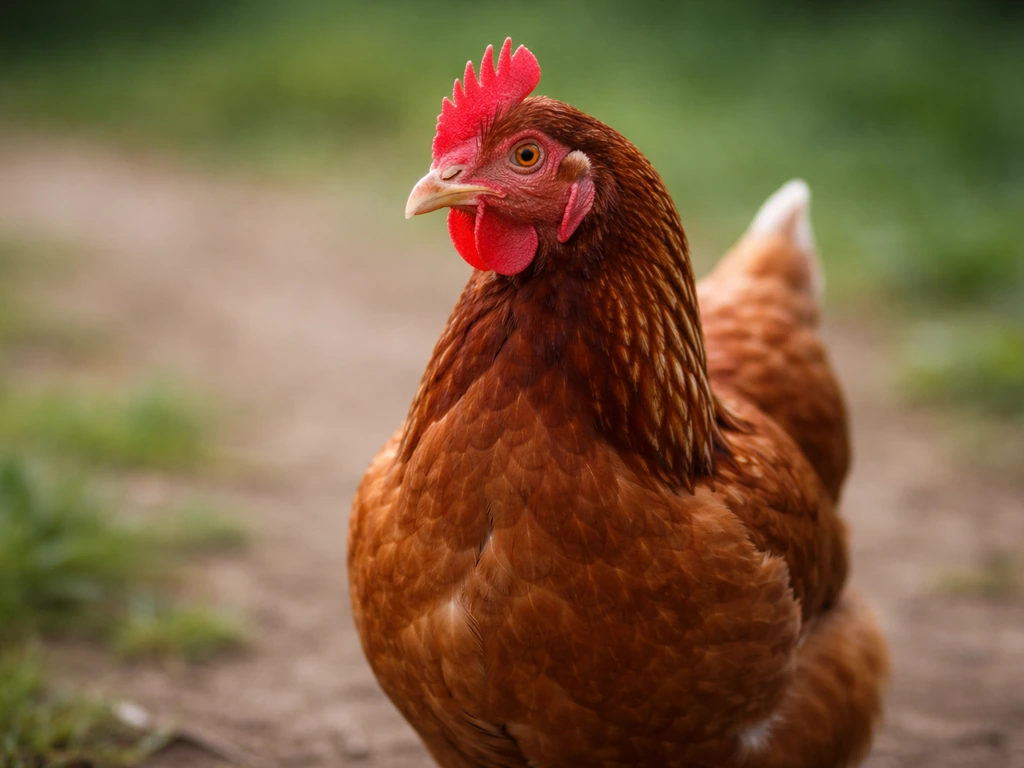
Yes, a goose is absolutely a bird
A goose is a bird, full stop. There is no biological ambiguity here. Geese belong to class Aves, the formal scientific grouping that contains every animal we call a bird, and they tick every box that defines membership in that class. Whether you're asking about a Canada goose waddling through a parking lot or a snow goose migrating across a continent, you're looking at a bird in the truest biological sense. If you've been second-guessing yourself because geese seem large, honky, and a little aggressive compared to the birds you picture in a tree, that's a completely understandable reason to double-check. But the classification is clear.
Questions like whether a goose counts as a bird or a different kind of animal come up more often than you'd think, and they usually stem from the sheer size and behavior of geese rather than any genuine taxonomic mystery. This article walks through exactly why geese qualify as birds, what the defining traits are, and how to apply the same checklist to any other animal you're unsure about.
What actually makes an animal a bird
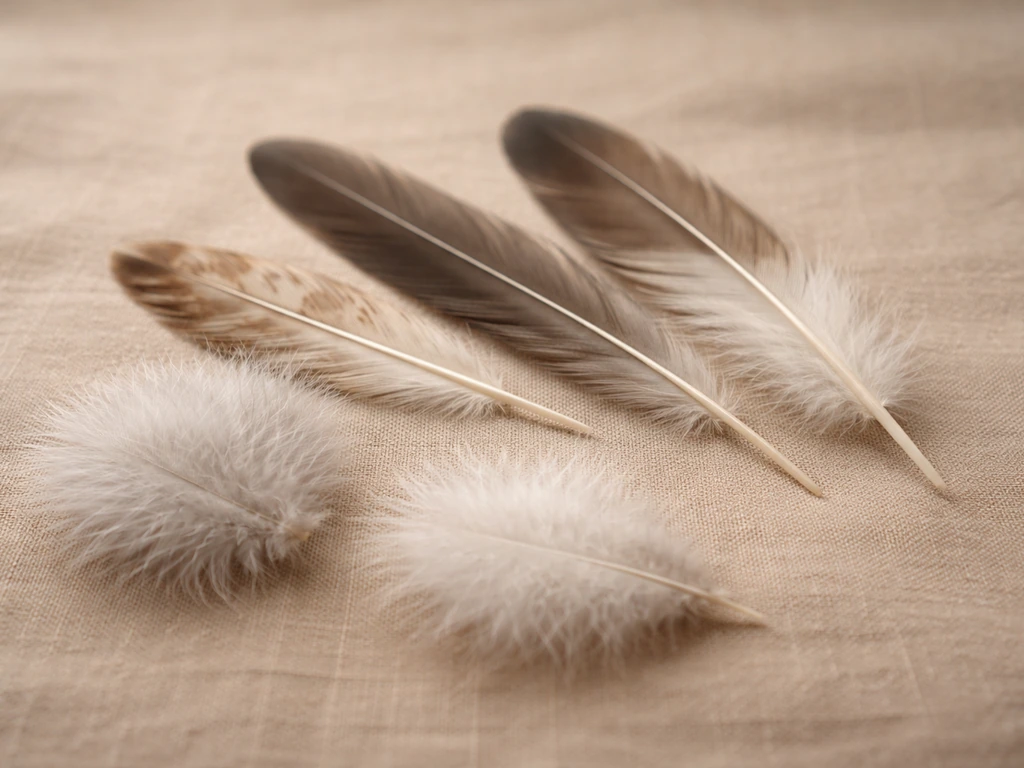
Before connecting the dots to geese specifically, it helps to know what biologists actually use to classify something as a bird. The checklist isn't long, but every item on it matters. According to sources including the Smithsonian National Museum of Natural History and Encyclopaedia Britannica, birds share a consistent set of physical and physiological traits that no other animal group shares all at once.
- Feathers: The single most definitive bird trait. No other living animal has true feathers. They're lightweight because they contain tiny air spaces within their structure, which also helps with insulation.
- Hollow bones: Bird skeletons are built for lightness. Many bones are pneumatized (filled with air rather than dense marrow), reducing weight without sacrificing strength.
- Hard-shelled eggs with calcium-rich shells: Birds reproduce by laying eggs with rigid, calcified shells, unlike the leathery eggs of most reptiles.
- Warm-blooded (endothermic) metabolism: Birds generate their own body heat internally, which is why they can survive in cold climates without going dormant.
- A four-chambered heart: This gives birds highly efficient oxygen delivery, supporting their high-energy lifestyles.
- Forelimbs modified into wings: Even in birds that can't fly, the forelimbs are structurally wings, not arms or flippers in the mammalian sense.
- A specialized respiratory system: Birds have a flow-through lung system with air sacs that move air unidirectionally through the lungs, rather than the two-way airflow found in mammalian lungs. This makes gas exchange extremely efficient.
You don't need all seven traits memorized. For everyday purposes, feathers alone are a reliable shortcut: if it has feathers, it's a bird. No bat, no reptile, no mammal of any kind has feathers. That one characteristic does a lot of heavy lifting when you're trying to sort an unfamiliar animal.
Where geese sit in bird classification
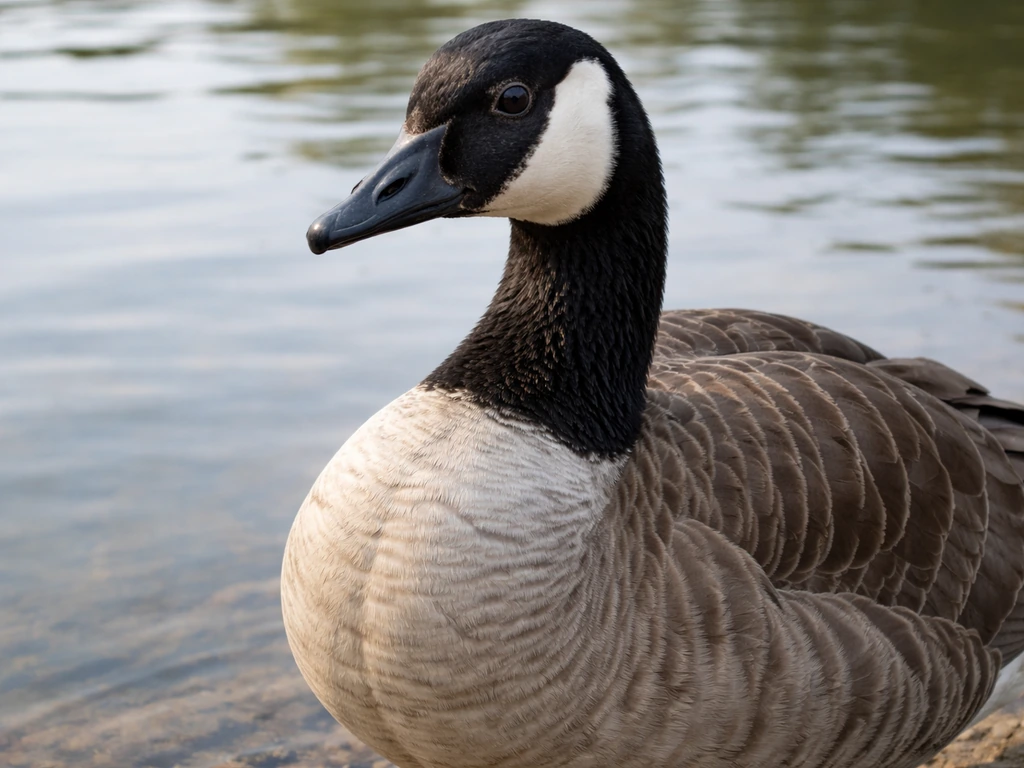
Geese belong to class Aves (birds), order Anseriformes, and family Anatidae. That family, Anatidae, is the waterfowl family and it also includes ducks and swans. So geese are essentially close relatives of ducks, sharing the same taxonomic family. Common species you'll recognize include the Canada goose (Branta canadensis), the snow goose (Anser caerulescens), and the greylag goose (Anser anser), which is the ancestor of most domestic geese.
Every trait that defines class Aves applies directly to geese. They have feathers covering their entire body, including the waterproof plumage that lets them swim without getting soaked through. They have hollow bones. Birds also have hollow or pneumatized skeleton features connected to the air-sac system, such as hollow wing bones linked to air sacs blank" rel="noopener noreferrer">hollow bones. They are warm-blooded. They lay hard-shelled eggs and incubate them. Their forelimbs are wings, which they use to fly (sometimes very long distances during migration). blank" rel="noopener noreferrer">Their lungs work on the same unidirectional air-sac system shared by all birds. There is not a single defining bird characteristic that geese lack.
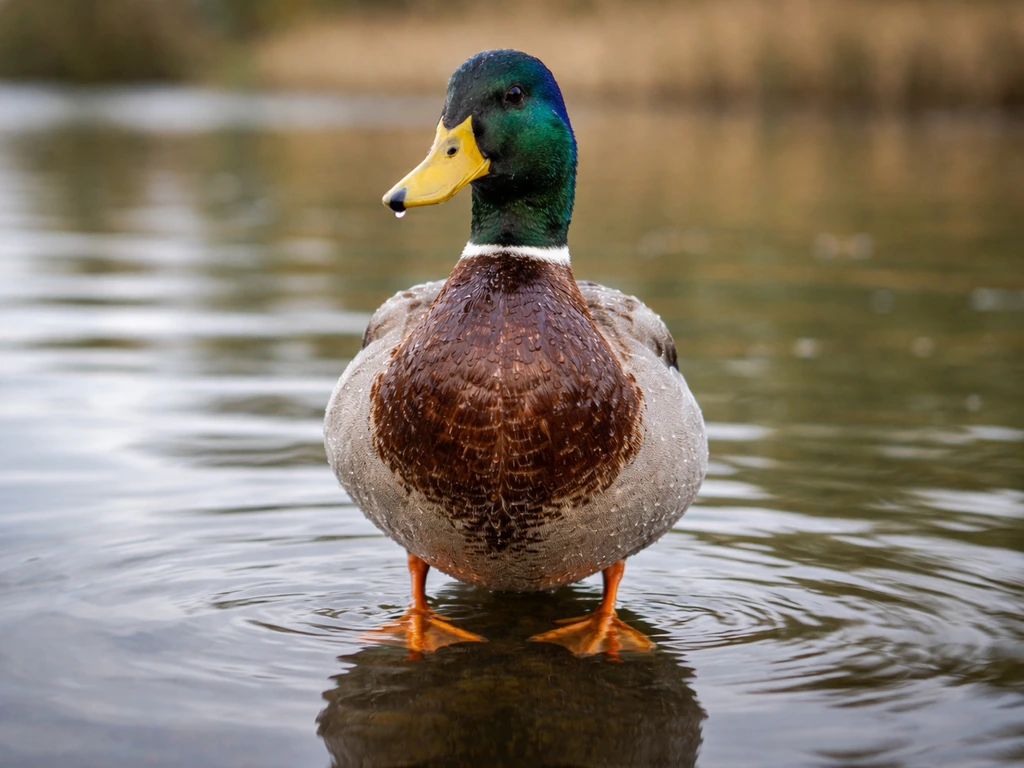
Because geese and ducks are in the same family, it's worth noting that the same logic applies to their close cousins. A duck is also a bird for exactly the same biological reasons, and comparing the two is a useful way to understand how family-level classification works in practice.
Why people get confused about geese (and birds in general)
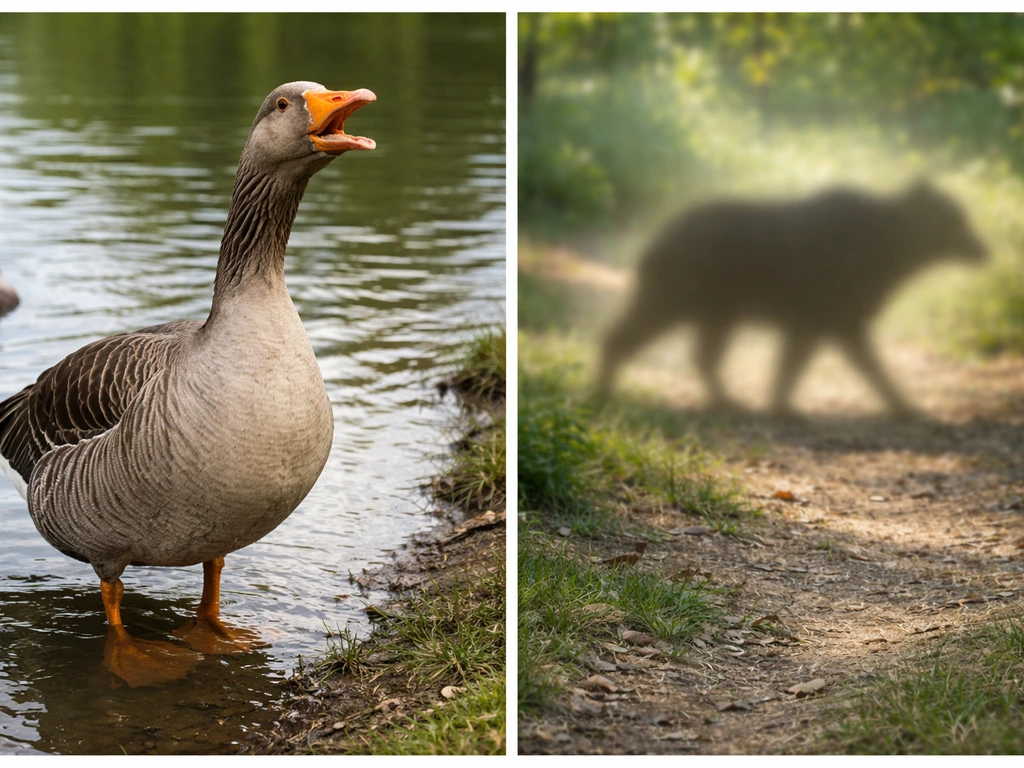
Most confusion about whether something is a bird comes from appearance or behavior rather than biology. Geese are large, they swim, they honk loudly, and they can be aggressive in ways that feel very un-birdlike if your mental image of a bird is a sparrow or a robin. But none of those behavioral observations change the underlying anatomy. A goose in a pond is still a bird, for the same reason a penguin in the ocean is still a bird: the classification is based on biology, not on whether the animal matches your mental template.
The deeper source of confusion is that people sometimes conflate "bird" with "flying animal" or "small, perching animal." Bats fly but are mammals, and that throws people off. Penguins are birds but can't fly at all. Ostriches are birds but are taller than most humans. These exceptions make it feel like "bird" is a fuzzy category when it really isn't. The category is defined by anatomy, not by flight, size, or habitat.
Another common confusion point involves ducks specifically, since they occupy the same waterfowl family as geese. People sometimes ask whether a duck is a bird or a mammal, which shows how similar the confusion pattern is. The answer is the same: waterfowl are birds, not mammals, because they have feathers, lay hard-shelled eggs, and share all the other Aves-defining traits that mammals simply don't have.
Comparing geese to animals that actually cause classification problems
Geese aren't a genuinely borderline case, but looking at animals that are genuinely tricky helps sharpen the picture. Here are the examples that come up most often when people try to draw the line between birds and non-birds.
| Animal | Is it a bird? | Key reason |
|---|
| Goose | Yes | Has feathers, hollow bones, hard-shelled eggs, and all other Aves traits |
| Duck | Yes | Same family as geese (Anatidae), identical set of bird characteristics |
| Penguin | Yes | Has feathers and lays hard-shelled eggs; can't fly but wings are still structurally wings |
| Ostrich | Yes | Flightless but fully feathered with all bird anatomy intact |
| Bat | No (mammal) | Has fur, not feathers; gives birth to live young; no beak or hollow bones |
| Pterosaur | No (extinct reptile) | Had membranous wings, not feathers; predates modern birds; not in class Aves |
| Flying squirrel | No (mammal) | Glides using a skin membrane; has fur, nurse young with milk, no feathers |
Bats are the most common misclassification. They fly, they're active at dusk like some birds, and from a distance they can look vaguely bird-shaped. But bats are mammals: they have fur instead of feathers, they give birth to live young and nurse them with milk, and their wings are made of a thin skin membrane stretched over elongated finger bones. None of that matches the bird blueprint.
Pterosaurs (the flying reptiles of the Mesozoic era) are another frequent point of confusion, especially for anyone who grew up calling them "flying dinosaurs." They were reptiles with membranous wings, and while some species may have had bristle-like filaments on their skin, they did not have true feathers and they are not classified in class Aves. They were impressive animals, but they were not birds.
Penguins and ostriches sit at the other end of the confusion spectrum: they're genuine birds that people sometimes doubt because they don't behave in stereotypically bird-like ways. Penguins can't fly and spend most of their time in the water. Ostriches run rather than fly and can reach nearly 9 feet tall. But both have feathers, both lay hard-shelled eggs, and both fit squarely inside class Aves. Size and flying ability are not part of the definition.
How to verify any animal using the same criteria
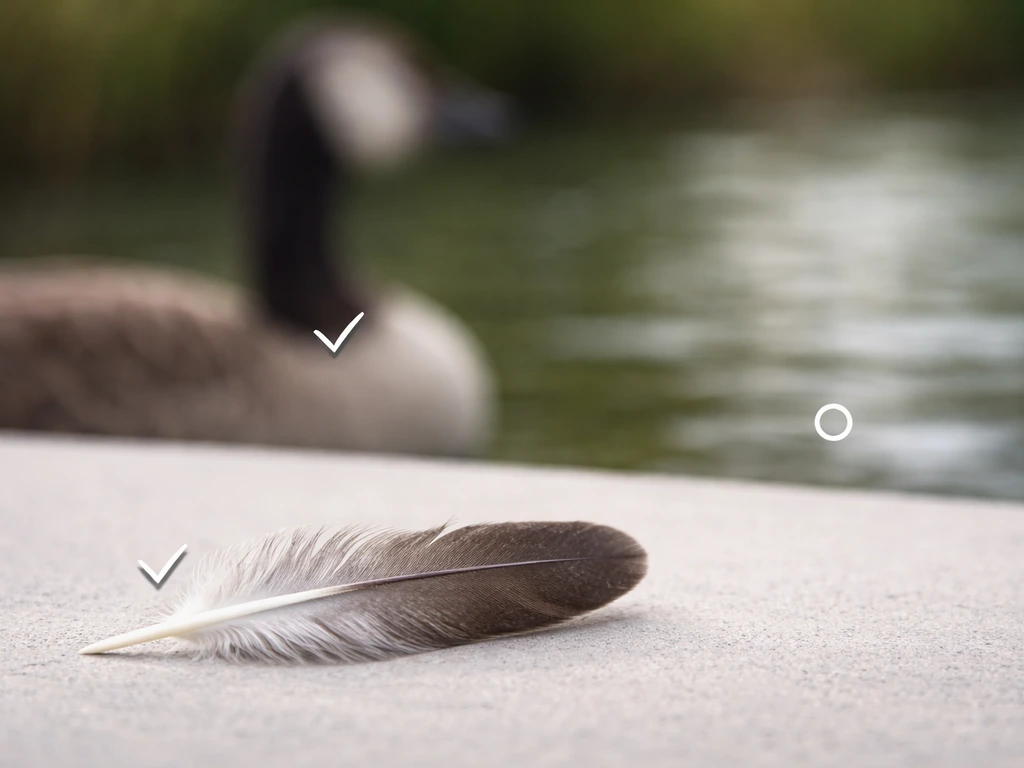
Now that you've seen how this works with geese, you can apply the same process to any animal you're unsure about. The practical checklist is short: look for feathers first (that alone separates birds from every other animal group), then confirm hard-shelled eggs and warm-blooded metabolism if you want to be thorough. If the animal has feathers, you're almost certainly looking at a bird. If it has fur or scales, you're not.
Waterfowl in general are a good test case for this checklist because they blur behavioral lines without blurring biological ones. Ducks, geese, and swans all swim, which feels un-bird-like to some people, but swimming is just a behavior. The anatomy underneath is fully avian. If you want to explore how this works for ducks specifically, including whether there are meaningful differences in how we classify them, the question of whether a duck is a type of bird walks through the same framework in detail.
One more useful nuance: within birds, there are subcategories like game birds that sometimes create secondary confusion. For example, people sometimes ask whether a duck qualifies as a game bird, which is a different kind of classification question (it's about hunting and wildlife management categories, not biology). Geese are also hunted and managed as game, but that doesn't change their status as birds. Game bird is a practical label layered on top of the biological classification, not an alternative to it.
The bottom line is that the same feather-and-egg checklist works reliably across the board. Once you understand what class Aves actually requires, you can sort geese, ducks, penguins, ostriches, and anything else that gets thrown at you. And if you ever find yourself asking whether a duck is a bird or just an animal, the answer is that it's both: every bird is an animal, but not every animal is a bird. Geese, like ducks, sit firmly in both categories at once.