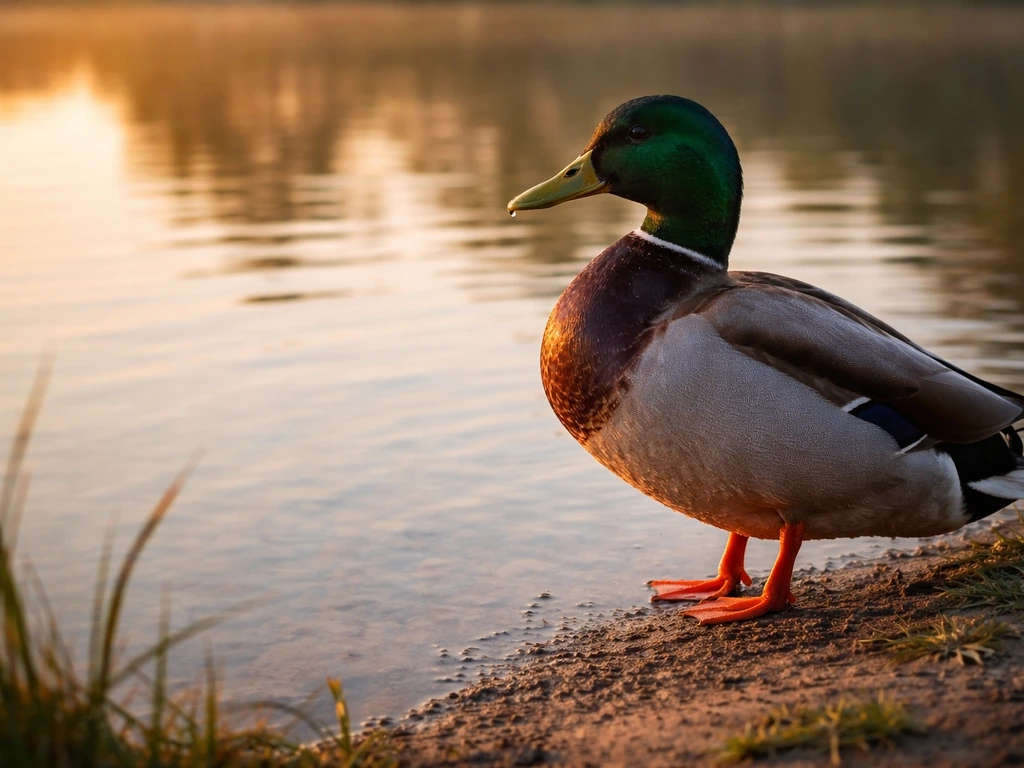
Yes, ducks are considered game birds in the common hunting and regulatory sense. Virginia DWR defines “migratory game birds” to include waterfowl such as ducks, geese, brant, swans, and mergansers, plus webless species like coots, doves, gallinules, moorhens, rails, snipe, and woodcock. In the U.S., ducks fall under the federal "migratory game birds" framework because they belong to the family Anatidae, one of the taxonomic families explicitly listed in federal regulation (50 CFR § 20.11) as subject to managed hunting seasons. In the UK, ducks (as wildfowl/waterfowl) sit in their own regulated hunting category alongside game birds. Either way, the short version is the same: ducks are legally huntable quarry in most jurisdictions, subject to seasons, bag limits, and species-specific rules you must verify locally before you hunt.
Is a Duck a Game Bird? What Game Bird Means and How to Verify Locally

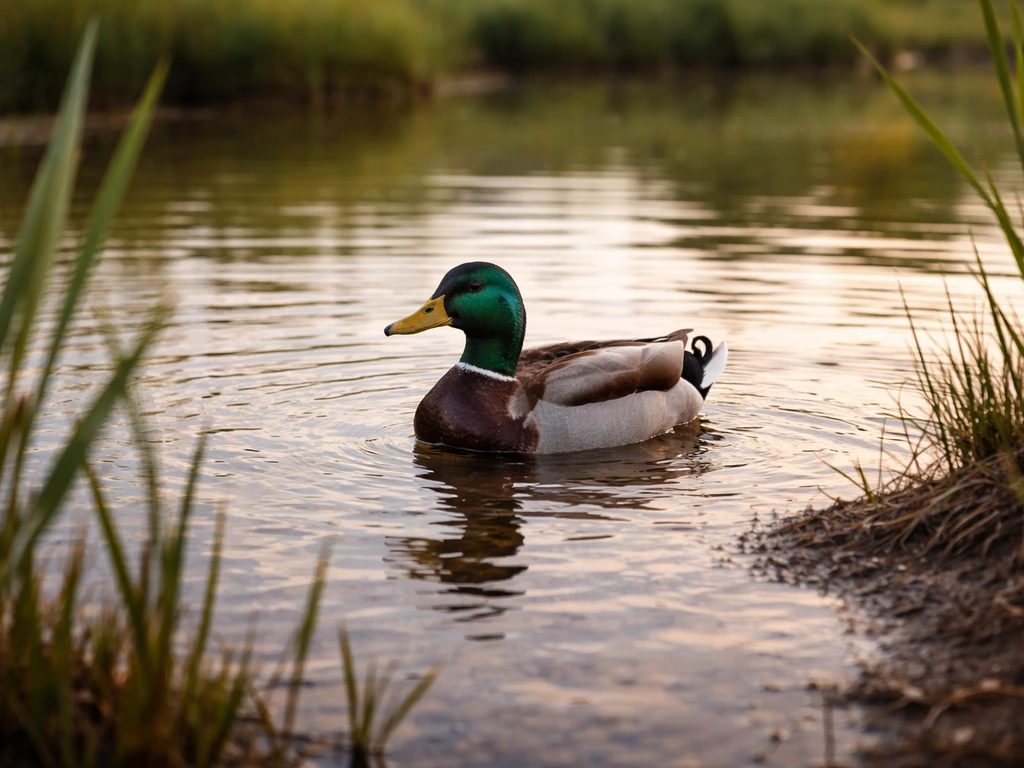
What 'game bird' actually means
"Game bird" is not a scientific classification. You won't find it in any taxonomy textbook next to class Aves or family Anatidae. It is a legal and management label that regulators and hunters use to describe birds that can be legally hunted during designated open seasons. Think of it as a policy category, not a biological one.
In the U.S., federal regulation defines "migratory game birds" as migratory birds belonging to certain named families for which open seasons are prescribed. Those families include Anatidae (ducks, geese, swans), Columbidae (doves), Gruidae (cranes), Rallidae (rails, coots), and Scolopacidae (snipe, woodcock). If a bird's family is on that list and a season has been set for it, it is a migratory game bird under federal law. Importantly, this label comes with constraints: hunting is only legal during the prescribed season, using legal methods, and within daily bag limits.
In the UK, the Wildlife and Countryside Act 1981 defines "game birds" for purposes including close seasons (periods when they cannot be taken). UK hunting guidance also distinguishes between "game birds," "quarry birds," and "waterfowl" as separate regulated groups, all restricted to specific shooting season windows. Ducks in the UK fall under the waterfowl/wildfowl category (defined as all birds of family Anatidae), which is treated separately from "game birds" in the strict legal sense but is equally regulated.
The key takeaway: "game bird" is a label applied by law and wildlife management, not by biology. Whether a duck counts as a "game bird" depends on what jurisdiction you are in and how that jurisdiction uses the term. In everyday hunting conversation, ducks are almost universally called game birds. In some legal texts, they are technically "waterfowl" or "migratory game birds" in a subcategory of their own.
Are ducks actually birds (quick taxonomy refresher)
Before the hunting question, it is worth making the biological point clear: ducks are unambiguously birds. If you are also wondering is a duck a type of bird, the quick taxonomy refresher is that ducks are unambiguously birds in class Aves. They belong to class Aves, the vertebrate class that includes all living birds. Like every other bird, ducks have feathers, a beak, lay hard-shelled eggs, are warm-blooded, and have a skeletal structure built around the avian body plan. More specifically, ducks are classified in the family Anatidae within the order Anseriformes, which they share with geese and swans.
People sometimes search variations of this question ("is a duck a bird," "is a duck a type of bird," "duck is a bird or animal") because the word "animal" is used loosely in everyday speech. To be clear: ducks are animals, and they are also birds. "Bird" and "animal" are not mutually exclusive. Every bird is an animal; not every animal is a bird. Ducks clear both.
This also means ducks share the same biological credentials as geese, which are often searched alongside ducks in classification questions. A goose is also treated as regulated waterfowl or game under hunting frameworks, similar to ducks A goose is also a bird. A goose is also a bird, also in family Anatidae, and also treated as regulated waterfowl/game under hunting law. Geese are also birds and fall under the same general animal category as ducks goose is a bird.
Do ducks count as game birds for hunting
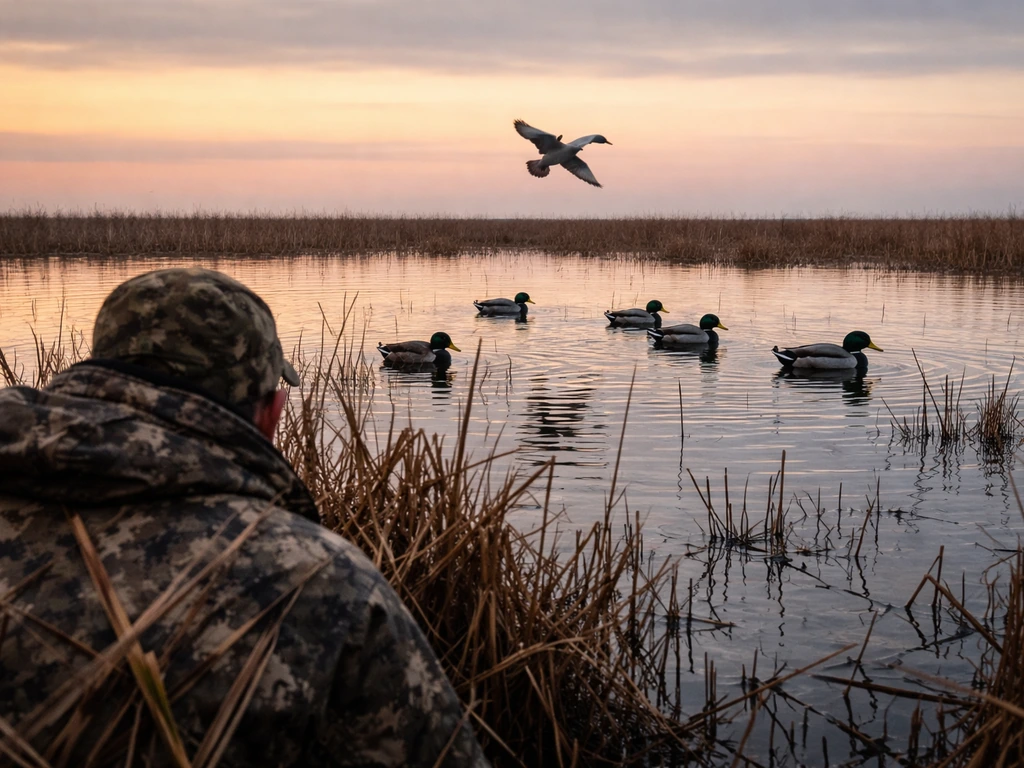
Yes, with the nuance that the exact label used varies by country. In the U.S., ducks are covered under the "waterfowl, coots, and gallinules" section of federal migratory bird hunting regulations (50 CFR § 20.105), which sets the structure for annual open seasons and daily bag limits. USFWS publishes updated hunting regulations every year that specify which duck species can be hunted, in which geographic flyway (Atlantic, Mississippi, Central, or Pacific), and during which dates. Some species get special season categories: teal, wood ducks, and sea ducks, for example, are sometimes managed under separate frameworks within the broader waterfowl season.
In the UK, wild ducks are shootable quarry during the shooting season, classified as wildfowl under the Anatidae definition. They are protected during the close season under the Wildlife and Countryside Act 1981. In the EU, the Birds Directive (2009/147/EC) lists huntable species in Annex II. Many duck species appear on that list, meaning member states can allow hunting under national legislation as long as it is sustainable and consistent with the directive's Article 7(4) constraints. The European Commission's guidance on sustainable hunting under the Birds Directive explains that hunting is allowed for huntable species listed in Annex II when it is carried out sustainably and within the Article 7(4) constraints blank" rel="noopener noreferrer">sustainable and consistent with the directive's Article 7(4) constraints.
One important point: being classified as "game" or "huntable" does not mean ducks can be shot anytime, anywhere, by any method. Federal and state/country rules layer on top of each other. In the U.S., even when a duck species has an open season, hunting by prohibited methods (like using a net, or baiting) is illegal under 50 CFR § 20.21. The season structure, bag limits, and legal methods are all part of what it means to lawfully hunt a game bird.
How to verify game status where you live
Because seasons, bag limits, and huntable species lists change annually and vary by location, you need to check current regulations for your specific area. Here is how to do that efficiently.
- U.S. hunters: Start at the USFWS Migratory Bird Hunting Regulations page (fws.gov). It publishes annual frameworks for each flyway. Then check your state wildlife agency's site (for example, Indiana DNR, Virginia DWR, Texas Parks and Wildlife, or California CDFW) for state-specific season dates, zones, and bag limits. These can differ significantly even within a single state.
- UK hunters: Check GOV.UK's "Hunting and shooting wildlife" guidance for current shooting season dates. Confirm whether your target duck species is on the open quarry list or requires a specific licence (like GL40 for conservation-related takes).
- EU hunters: Check your national wildlife authority's implementation of the Birds Directive Annex II. Each member state publishes its own huntable species list and season dates within the directive's framework.
- Verify the specific species: Not every duck species has an open season. Some are fully protected year-round. Identify exactly which species you plan to hunt (for example, mallard, teal, or pintail) and confirm it appears on the current open-season list for your area.
- Check method restrictions: Confirm legal hunting methods and any area-specific restrictions (wildlife refuges, closed zones, lead shot bans near waterways) that apply in your location.
Annual regulation booklets from your state or national wildlife authority are the most reliable source because they reflect the current year's framework. Do not rely on last year's dates or bag limits without verifying, since USFWS frameworks and state seasons can shift year to year.
Common confusion: game birds vs. birds vs. non-birds
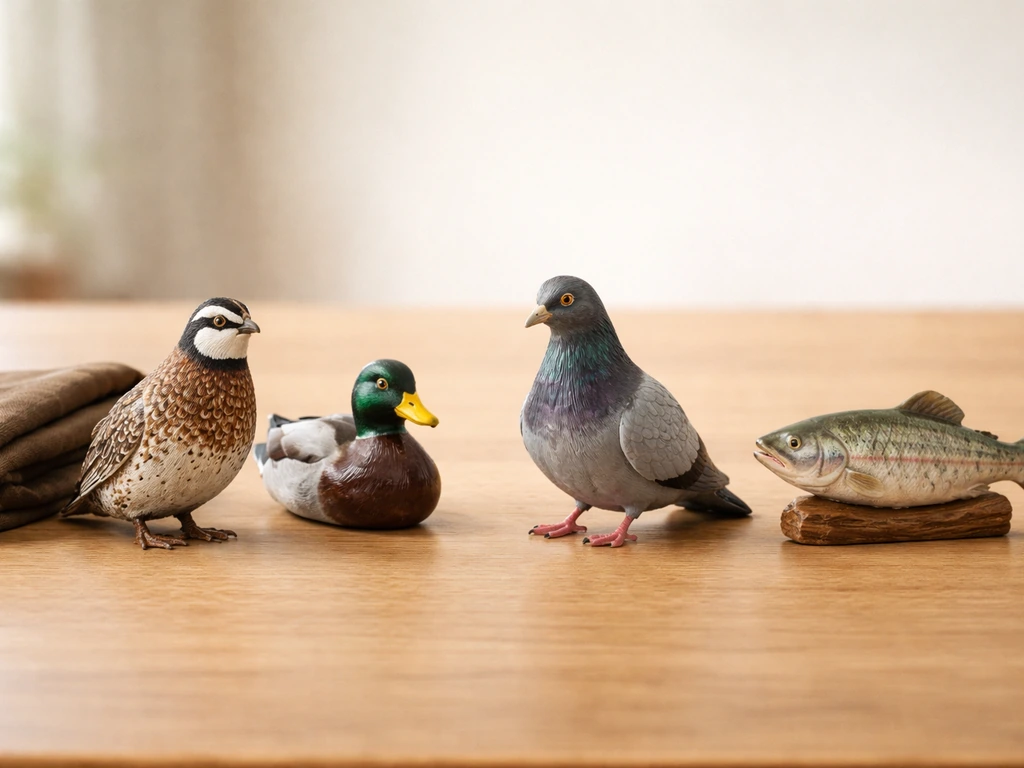
Part of why people search "is a duck a game bird" is that the word "game" makes it sound like a special biological category, as if game birds are somehow different from regular birds. They are not. A duck is a bird first (class Aves, family Anatidae) and a game bird second (a management label applied because open seasons exist for it). If you are asking more generally whether ducks are birds or mammals, the answer is that they are birds (class Aves), not mammals (class Mammalia) is duck a bird or mammal. The "game" part says nothing about its anatomy, its feathers, or its place in the animal kingdom.
Compare this to animals that genuinely cause classification confusion. A bat, for example, is a flying warm-blooded animal that people sometimes lump mentally with birds. But bats are mammals: they have fur instead of feathers, give birth to live young, and belong to the order Chiroptera in class Mammalia, not class Aves. Bats are not birds, and they are not game birds in any jurisdiction. A duck, by contrast, has every feature that defines a bird and fits cleanly inside class Aves.
Another angle on the confusion: some birds are not game birds at all. A penguin is unambiguously a bird (class Aves, feathers, hard-shelled eggs, warm-blooded) but is not a game bird anywhere in the world because no open hunting seasons exist for penguins. The "game bird" label comes from legal and conservation management decisions, not from anything in the bird's biology. So when someone asks whether a duck is a game bird, the honest answer involves two layers: yes, it is a bird by biology, and yes, it qualifies as game under most hunting frameworks, but always subject to the local rules in force.
| Animal | Is it a bird (class Aves)? | Is it a game bird? | Why or why not |
|---|---|---|---|
| Mallard duck | Yes | Yes (where open seasons exist) | Family Anatidae; covered under waterfowl hunting regulations in U.S., UK, and EU |
| Canada goose | Yes | Yes (where open seasons exist) | Also Anatidae; similarly regulated as waterfowl quarry |
| Penguin | Yes | No | Class Aves, but no jurisdiction prescribes an open hunting season for penguins |
| Bat | No | No | Mammal (class Mammalia, order Chiroptera); not a bird at all |
| Pheasant | Yes | Yes (classic game bird) | Family Phasianidae; one of the most widely recognised "game birds" in traditional hunting contexts |
The bottom line and what to do next
Ducks are birds, full stop. They belong to class Aves and family Anatidae, and nothing about their biology is ambiguous. On top of that, ducks are treated as game birds (or regulated waterfowl quarry) under hunting law in the U.S., UK, EU, and most countries where duck hunting exists. The category "game bird" is a legal and management label, not a biological rank, which is why the exact wording varies by jurisdiction.
If you are trying to hunt ducks, the most important next step is checking the current regulations for your specific location and target species. In the U.S., go to the USFWS migratory bird hunting page and your state wildlife agency. In the UK, check GOV.UK's shooting season guidance. In EU countries, check your national authority's implementation of the Birds Directive. Look for the current season dates, your flyway or zone, the bag limits for the specific duck species you plan to hunt, and any method restrictions. Getting those details right is what separates a legal hunt from an illegal one, regardless of whether ducks count as "game" in the broad sense.
FAQ
If ducks are game birds, can I hunt them anytime I want as long as they are ducks?
Not necessarily. A duck species can be considered huntable under the overall “waterfowl” or “migratory game birds” framework, but your local area may still close that specific species or exclude certain zones, refuges, or wildlife management units. Always confirm the season and species status for your exact location, not just the general category.
Does “ducks are game birds” mean any hunting method is automatically legal?
Usually yes, but you must check the method and possession rules in your jurisdiction. Even when a species has an open season, prohibited methods such as baiting or certain capture gear (and sometimes discharging rules near boundaries and buildings) can make your hunt illegal. Verify both the allowed quarry and the legal methods before going afield.
What happens if I accidentally shoot the wrong duck species?
Sometimes. In some places and seasons, juvenile ducks, unusually colored individuals, or rare species can be misidentified. If you shoot the wrong species, you can still be cited even if your “intended” target was lawful. Use species ID guidance, and if unsure, treat it as off-limits.
Do the rules for ducks as game birds apply the same way to wild ducks and released or captive ducks?
In many jurisdictions, there are separate rules for migratory versus resident populations, and regulations may also distinguish between wild ducks and captive or escapee birds. For example, an “open season” that applies to wild waterfowl may not authorize shooting of captive stock. If the area includes release sites or farm-raised birds, confirm how your regulator defines the quarry.
If I’m on private land, do I still have to follow the same “game bird” hunting season and time rules?
You can, but you still need to follow the same legal restrictions that apply during the season. “Game bird” status does not automatically create an exception for private land or for shooting outside designated hours. Many places impose strict start and end times, daylight rules, and transport/possession requirements tied to the season.
Are bag limits the main reason ducks can become illegal to hunt even during the season?
Yes. Bag limits are typically set per species and per day (and sometimes with additional restrictions like possession limits). Going over the bag limit, even unknowingly, can be treated as a violation. Keep track of what you take and confirm how limits reset (daily vs. season) where you hunt.
Do all duck species follow the same season dates and limits?
It depends on the legal definition used locally. Some regions treat certain species (for example, specific teal or sea ducks) under distinct season frameworks within the broader waterfowl umbrella, which can change dates and limits. If your plan includes a “special” duck species, verify that species’ specific schedule rather than assuming it matches mallards.
Can a duck be legally huntable as a game bird in general, but protected under conservation rules in my area?
The “game bird” label is typically about hunting eligibility, not about whether the bird is endangered, protected, or otherwise restricted. Some ducks may be protected under additional conservation rules, which can tighten or prohibit hunting regardless of the general framework. Confirm the species you intend to hunt is not excluded for conservation reasons in your jurisdiction.
What are common “gotchas” that override the general duck hunting framework in a specific area?
Local rules often include extra restrictions beyond federal or national frameworks, such as closures for wetlands during certain periods, restrictions in managed refuges, and special rules for state wildlife areas. These can override the general open-season status. Check for local closures and boundary-specific regulations before hunting.
Why do I sometimes see ducks listed under “waterfowl” instead of “game birds” in regulations?
Yes, “game bird” can apply differently depending on the context. In some countries, “game birds” is a narrower legal category, while ducks are handled under a separate “waterfowl” category with its own rules. If you are reading regulations, look for the specific term used (migratory game birds, waterfowl, wildfowl, Anatidae) so you match the correct rule set.
Duck Is a Bird or Animal? The Simple Classification
A duck is a bird, and also an animal. Learn simple taxonomy and quick checks to classify confusing wildlife.