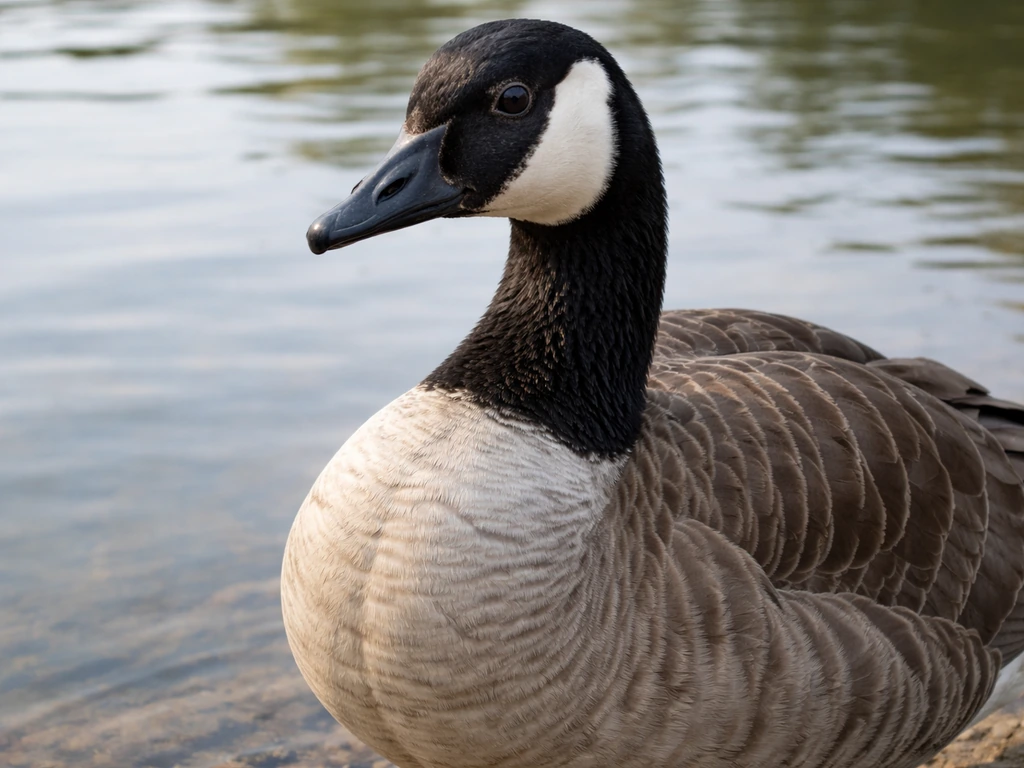
Yes, a duck is absolutely a type of bird. Ducks belong to blank" rel="noopener noreferrer">Class Aves (the scientific name for birds), sit within the order Anseriformes, and are classified in the family Anatidae. More specifically, most ducks you encounter belong to the subfamily Anatinae, which covers what biologists call "true ducks." So whether you're looking at a mallard at the park or a wood duck in the wild, you're looking at a bird, full stop.
Is a Duck a Type of Bird? Quick Answer and Basics

Sarah Chen
5 May 2026
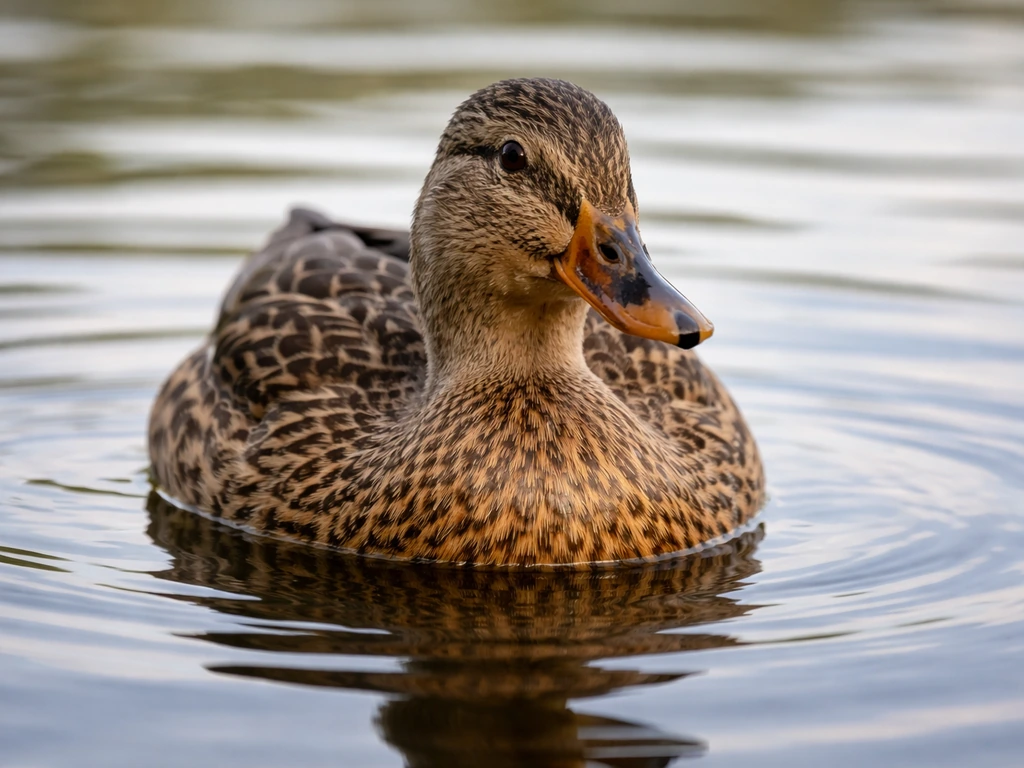
Yes, ducks are birds, here's why that's clear-cut
The classification isn't a close call. Ducks check every box on the bird checklist. They have feathers (including insulating down feathers that trap air to reduce heat loss), they are warm-blooded (endothermic), they have a four-chambered heart, they lay hard-shelled eggs, and their forelimbs are modified into wings. These are the exact traits that define Class Aves, and ducks have all of them. If you needed a one-line confirmation: ducks are birds for the same biological reasons that eagles, penguins, and sparrows are birds. Whether it is a duck a game bird or not depends on the hunting rules where you live, not on whether ducks are actually birds.
What actually makes something a bird
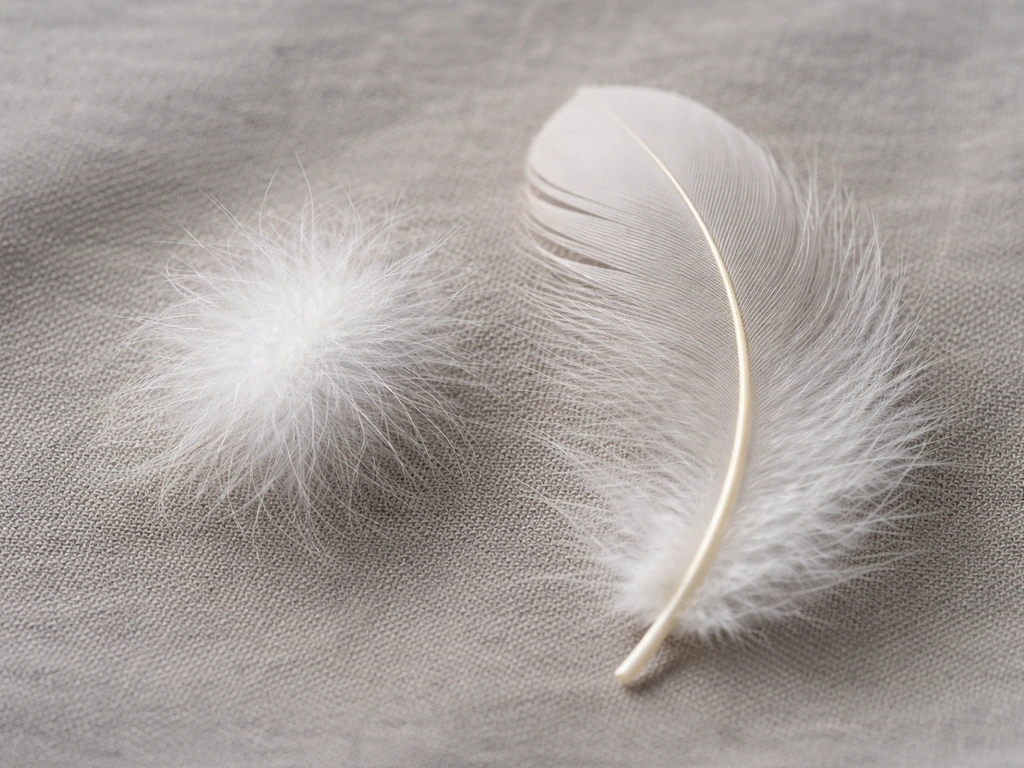
Before diving deeper into duck taxonomy, it helps to know what biologists actually mean when they say "bird." The traits below are the ones researchers and reference sources consistently use to define Class Aves. A true bird will have all of them.
- Feathers: made of keratin, and unique to birds among living animals. Down feathers provide insulation; contour feathers shape the body and wings.
- Endothermy: birds are warm-blooded, meaning they regulate their own body temperature internally.
- Four-chambered heart: separates oxygenated and deoxygenated blood, supporting an active, high-energy lifestyle.
- Hard-shelled eggs: birds lay eggs with a rigid, calcified shell (unlike the leathery eggs of most reptiles).
- Wings: the forelimbs of all birds are modified into wings, even in species like penguins and ostriches that don't fly.
Ducks satisfy every single one of these criteria. Their feathers are visible and well-known (the iridescent green head of a male mallard is basically all feather). They maintain a constant body temperature. They lay smooth, hard-shelled eggs. And yes, they have wings and can fly, though some domestic breeds have been selectively bred to the point where flight is limited.
Where ducks fit in bird taxonomy
Taxonomy is the system biologists use to organize living things into nested groups. Here's where ducks land in that system, from broadest to most specific:
| Taxonomic Rank | Name | What It Means |
|---|---|---|
| Class | Aves | All birds |
| Order | Anseriformes | Waterfowl: ducks, geese, swans, and relatives |
| Family | Anatidae | The duck, goose, and swan family (about 170 species worldwide) |
| Subfamily | Anatinae | True ducks specifically |
| Example Species | Anas platyrhynchos | The mallard, one of the most recognized ducks on Earth |
The mallard is a useful anchor here because it's so well documented. Cornell Lab of Ornithology's All About Birds guide lists the mallard explicitly under Order: Anseriformes and Family: Anatidae. Britannica, GBIF, and the U.S. Fish and Wildlife Service all place Anatidae within Class Aves. That's about as settled as biological classification gets.
What type of bird is a duck, exactly
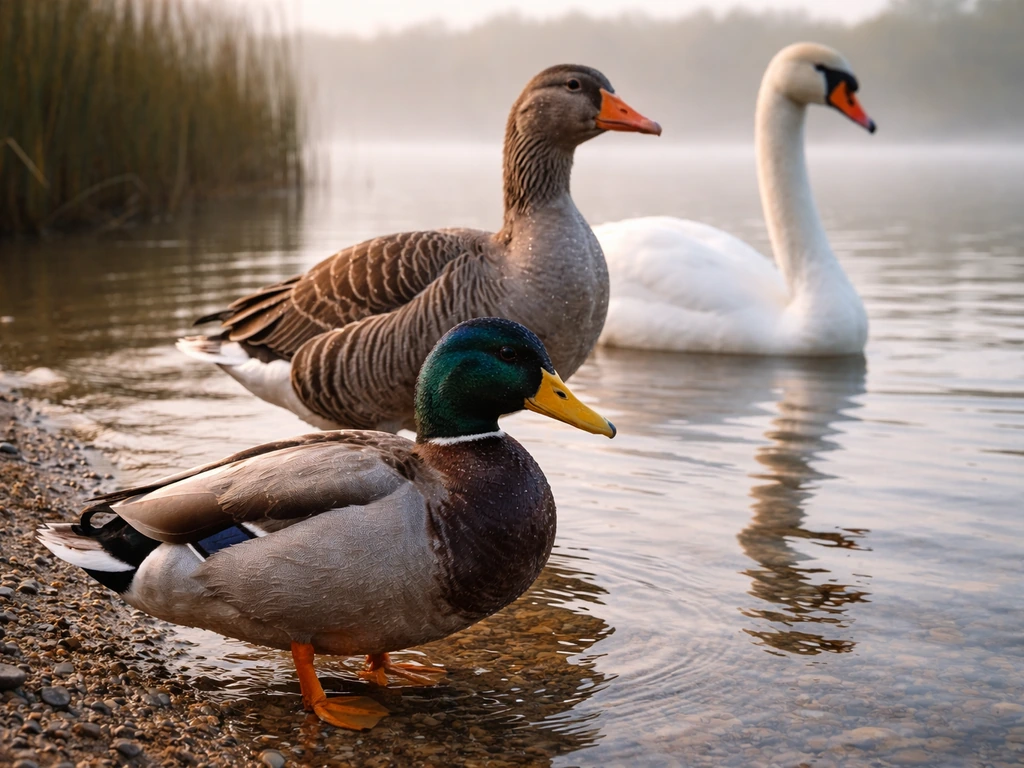
At the practical level, ducks are waterfowl. In the United States, "waterfowl" refers specifically to ducks, geese, and swans as a group, and all of them belong to the family Anatidae. In the U.K., the same group is often called "wildfowl", different everyday word, same biological family. Merriam-Webster defines waterfowl as birds that frequent water, especially swimming game birds like ducks and geese.
What distinguishes ducks within that family? PBS Nature describes Anatidae members as aquatic birds with webbed feet and typically broad, flat bills. True ducks (subfamily Anatinae) also tend to have their legs positioned toward the rear of the body, which gives them that characteristic waddling walk on land. Geese, by contrast, have legs positioned further forward, making them more comfortable walking upright. These are useful practical distinctions, though they don't change the fact that both ducks and geese are firmly birds within the same family.
It's worth noting that in casual everyday use, the word "duck" gets applied a bit loosely. Britannica acknowledges that some larger birds casually called "ducks" may sit outside the strict scientific definition of Anatinae. But in nearly every case you'll encounter, a bird called a duck is an Anatidae member and is absolutely a bird.
Ducks vs animals that get confused with birds
The most common source of confusion around ducks specifically isn't really about ducks themselves. It comes from the duck-billed platypus, which has "duck" in its name and shares a few superficial traits with actual ducks: a bill-like snout and webbed feet. But the platypus is a mammal, not a bird. But the platypus is a mammal, not a bird duck is a bird or animal.
It has fur instead of feathers, it doesn't have a four-chambered heart like birds, and while it does lay eggs (making it unusual among mammals), it nurses its young with milk, which is a defining mammal trait. The word "duck" in its name is purely descriptive of how its snout looks, not a classification statement.
Reptiles are another group people sometimes mix up when thinking about birds, partly because birds evolved from theropod dinosaurs. But living reptiles like lizards and crocodiles lack feathers, are cold-blooded (ectothermic), and don't have the same hard-shelled egg structure. Real ducks are unmistakably birds, not reptiles. If you want to go deeper on how birds compare to other animal groups, the distinction between birds and mammals or birds and reptiles comes down to those same core traits: feathers, endothermy, and wing-modified forelimbs. If you're also wondering whether a duck is a mammal, the answer is no, because ducks are defined by bird traits like feathers, endothermy, and eggs.
How to verify bird classification yourself
If you ever need to confirm whether a specific animal is a bird, or what kind of bird it is, a few reliable tools make this straightforward.
- Check for Class Aves in the taxonomy: Any authoritative source (ITIS, GBIF, IUCN Red List) will list an animal's full taxonomic hierarchy. If you see "Class: Aves," it's a bird. For ducks, you'll also see Order: Anseriformes and Family: Anatidae.
- Use ITIS (Integrated Taxonomic Information System): Search by common name (like "mallard" or "duck") and click the hierarchical report. It will show you the full chain from Kingdom Animalia down to species, with Class Aves visible mid-hierarchy.
- Use GBIF (Global Biodiversity Information Facility): Search for a species and the taxonomy panel clearly shows the order and family. The mallard's GBIF entry, for example, shows Anatidae under Aves without any ambiguity.
- Apply the bird traits checklist: Does it have feathers? Is it warm-blooded? Does it lay hard-shelled eggs? Are its forelimbs wings? If yes to all four, you're almost certainly looking at a bird.
- Check Cornell Lab's All About Birds: For North American birds especially, Cornell's guide is one of the most accessible and reliable resources, listing order and family right at the top of every species page.
These same steps work for settling related questions too. Geese, for instance, are also in family Anatidae and are just as clearly birds as ducks. Geese, for instance, are also in family Anatidae and are just as clearly birds as ducks goose is a bird or animal. If you're checking a goose the same way, it will come out as a bird for the same biological reasons whether a goose is a bird. Swans are the same. If you've ever wondered whether a goose is a bird or whether other waterfowl count, the answer follows the same logic: look for Class Aves in the taxonomy and check the defining bird traits.
Bottom line: ducks are birds, specifically waterfowl in the order Anseriformes and the family Anatidae. The science on this is consistent across every major reference source. GBIF’s species entry for the mallard (Anas platyrhynchos) uses a backbone taxonomy that places it in the duck family Anatidae within the broader bird classification framework. If you can see a duck's feathers, watch it regulate its body temperature, or find a record of it laying a hard-shelled egg, you have all the evidence you need to be confident in that classification.
FAQ
If a duck can’t fly, is it still a type of bird?
Yes. Flight can be limited in some domestic breeds due to selective breeding, but ducks still have the core bird traits (feathers, endothermy, and hard-shelled eggs).
Are all ducks “true ducks,” or are some different from what people call ducks?
Most ducks you see in the wild are in the subfamily Anatinae (true ducks), but the casual word “duck” can be applied more broadly to some other Anatidae. Scientific classification depends on the family and subfamily, not the common name alone.
Can I tell it’s a duck is a bird just by looking at it?
You can often get strong evidence by looking for feathers and typical duck body features (like a broad bill and webbed feet), but the most decisive confirmation is finding hard-shelled eggs, or checking reputable taxonomy for the exact species.
What about a duck with a “duck bill” animal, is that ever a real duck?
The duck-billed platypus is not a duck and not a bird. It is a mammal because it has fur and produces milk, so “duck” in the name is descriptive, not a classification clue.
Are ducklings definitely birds, even if they look very different from adults?
Yes. Ducklings hatch from hard-shelled eggs and develop feathers as they grow, which are bird-defining traits. They may not have full plumage at hatching, but they still follow the bird life cycle.
Do ducks count as game birds?
That depends on local hunting regulations. The biological answer (ducks are birds) does not determine whether they are legal to hunt, so you should check your region’s wildlife rules.
How do I confirm an unknown waterfowl is a bird when the name is confusing?
Use taxonomy: first confirm it belongs to Class Aves, then narrow by family (Anatidae for ducks, geese, swans). If you cannot verify Class Aves directly, rely on definitive traits like feathers and egg type.
Is a duck more closely related to birds like chickens or to reptiles like lizards?
A duck is more closely related to other birds because it is in Class Aves, sharing bird traits such as feathers and endothermy. Reptiles are defined by being cold-blooded and lacking feathers and bird-type eggs.
Next Article
Is a Goose a Bird? Why Geese Are True Birds
Yes, a goose is a bird. Learn the traits that define birds and how geese fit waterfowl biology.