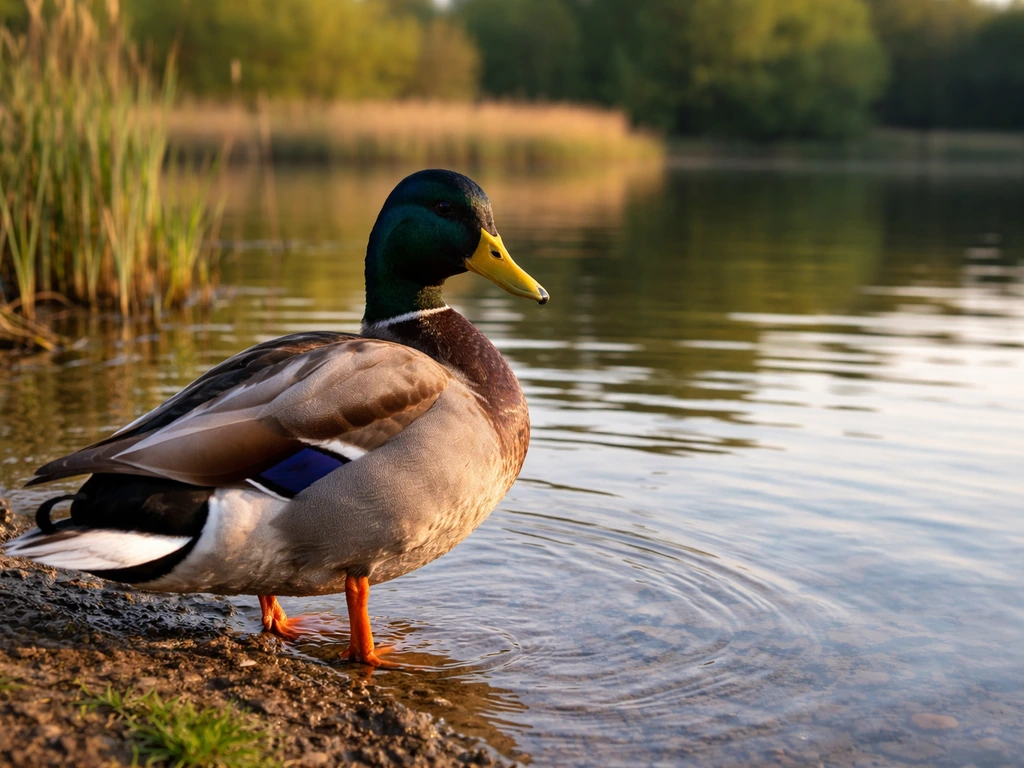
A duck is a bird, not a mammal. This is one of the cleaner classification questions in biology: ducks have feathers, lay hard-shelled eggs, and have hollow bones. Those three traits put them firmly in Class Aves, the formal scientific grouping for all birds. No feathers, no hard-shelled eggs, and no hollow bones means you're not dealing with a bird, and ducks check all three boxes without question.
Is Duck a Bird or a Mammal? Easy Classification Guide

Sarah Chen
17 May 2026
Bird vs mammal: the simplest way to tell them apart
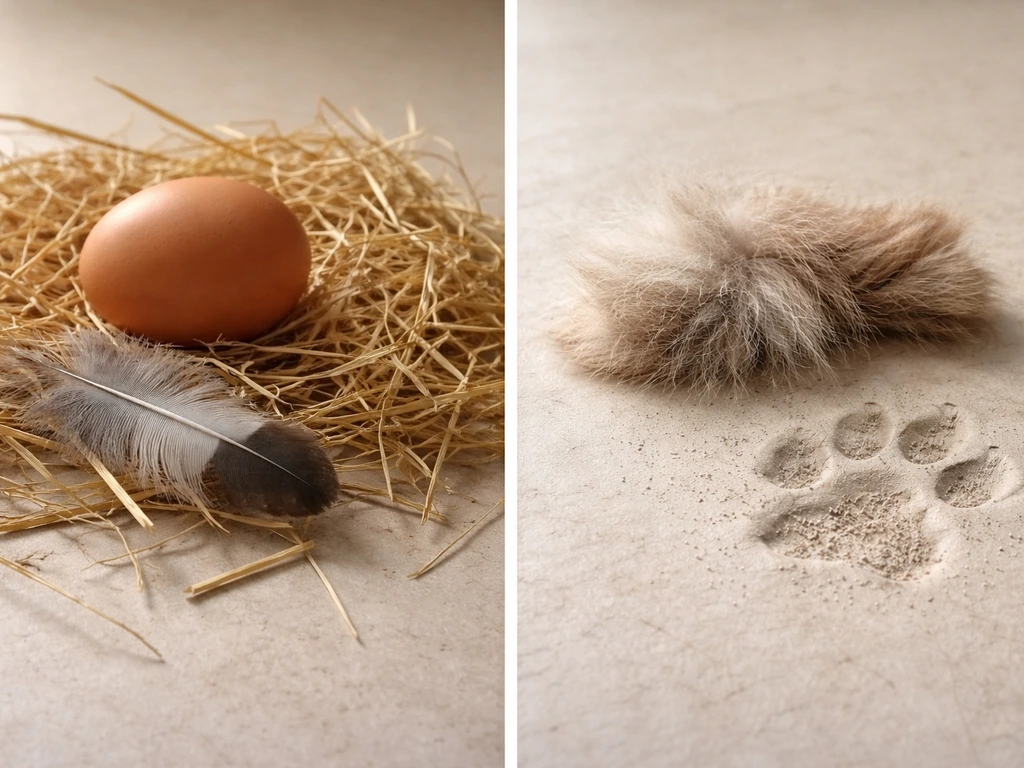
You only need a short checklist to separate birds from mammals. The Smithsonian National Museum of Natural History uses three defining bird traits: feathers, hollow bones, and hard-shelled eggs. Mammals, on the other hand, are defined by hair or fur, warm-bloodedness (technically called endothermy), and mammary glands that produce milk for their young. One important nuance: both birds and mammals are warm-blooded, so endothermy alone can't settle the question. You need to look at feathers versus fur, and eggs versus live birth (or milk production).
| Trait | Birds | Mammals |
|---|---|---|
| Body covering | Feathers (made of keratin) | Hair or fur (also keratin, but structurally different) |
| Reproduction | Lay hard-shelled eggs | Mostly live birth; nurse young with milk |
| Skeleton | Hollow, lightweight bones | Dense, marrow-filled bones |
| Warm-blooded? | Yes | Yes |
| Teeth | No (beaks instead) | Usually yes |
| Mammary glands | No | Yes, defining trait of mammals |
The easiest shortcut: if it has feathers and lays hard-shelled eggs, it's a bird. If it has fur and nurses its young with milk, it's a mammal. Those two rules alone will correctly classify the vast majority of animals you'll come across.
How ducks match every bird criterion
Feathers
Ducks are covered in feathers, which is the single most reliable marker of a bird. Duck feathers serve multiple purposes: insulation to maintain body temperature, waterproofing (ducks have an oil gland near the tail that keeps feathers water-resistant), and flight for most species. Feathers are made of keratin, the same protein that makes up human hair and nails, but the structure is completely different from mammalian fur. No mammal has feathers. That alone rules ducks out of the mammal category.
Hard-shelled eggs
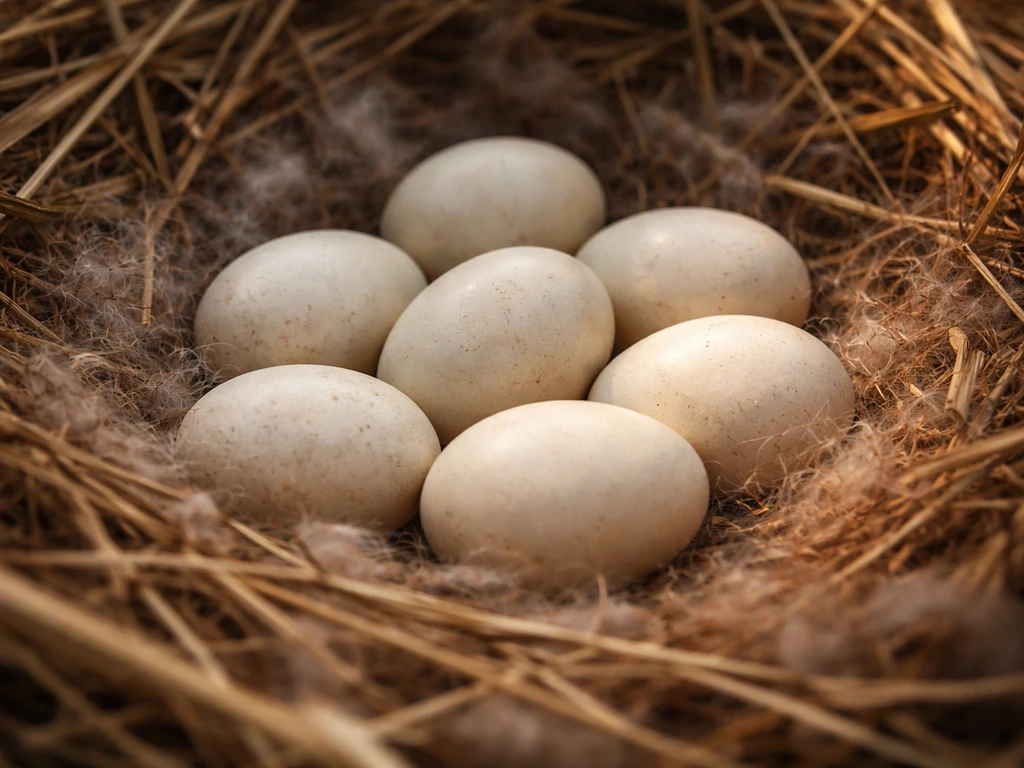
Ducks lay hard-shelled eggs, exactly like every other bird. According to Ducks Unlimited, most female ducks (called hens) lay one egg per day until the clutch is complete, then incubate the whole clutch together. Mallard hens, for example, nest near freshwater wetlands and lay clutches of eggs as part of a well-documented breeding cycle. There is no live birth, no nursing of young with milk, and no mammary glands involved. This alone disqualifies ducks from mammal status.
Hollow bones and avian anatomy
Ducks also have hollow bones, an avian anatomical feature that reduces weight for flight. Bird skeletons include air sacs connected to the respiratory system that extend into the bones, making them both lighter and more efficient at extracting oxygen during the high metabolic demands of flight. This is a uniquely avian feature, not found in mammals. Combined with feathers and egg-laying, it makes the classification straightforward.
Why people sometimes wonder if ducks are mammals
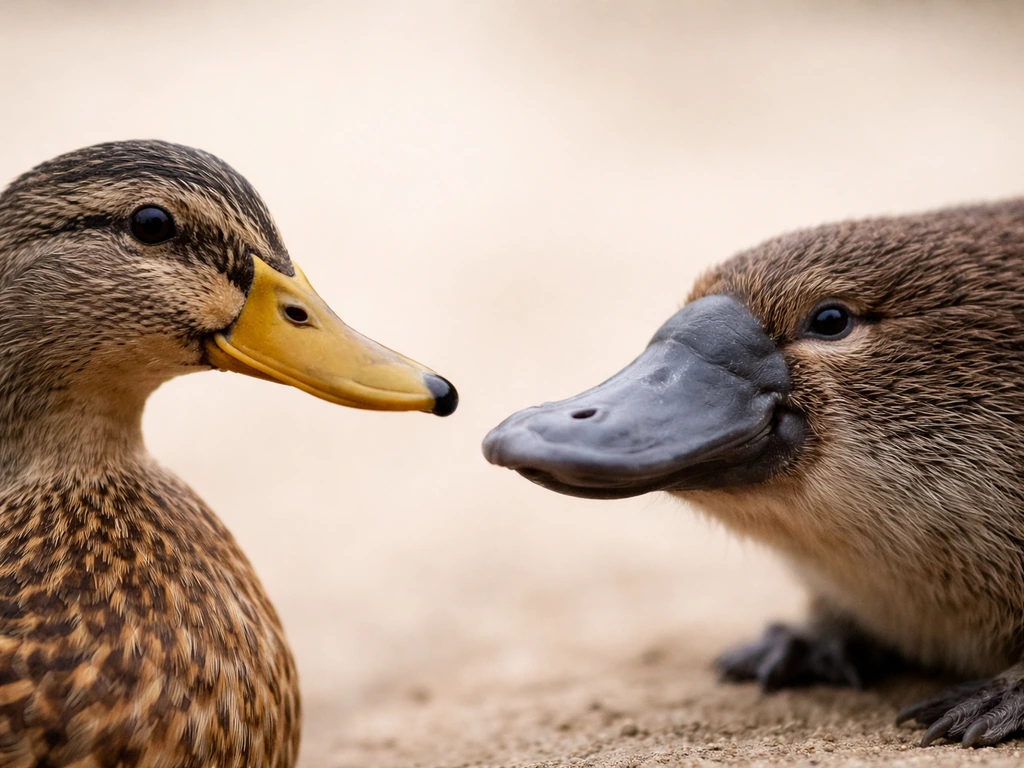
This is a genuinely reasonable thing to wonder, and there are a few specific features of ducks that cause the confusion. Here's where the misconceptions usually come from:
- Ducks have beaks, and so does the platypus: The platypus is a mammal with a duck-like bill, which has caused centuries of taxonomic head-scratching. People sometimes work backward from that and assume that a bill or beak suggests mammal status. It doesn't. The platypus is a mammal because it has fur and produces milk, even though it also lays eggs (making it an unusual edge case). Ducks have beaks because all birds have beaks, not because they share traits with platypuses.
- Ducks spend a lot of time in water: Animals like dolphins, seals, and otters are aquatic or semi-aquatic mammals, so spending time in water doesn't automatically mean 'bird.' But water habitat has nothing to do with classification. Ducks are classified by their anatomy, not their address.
- Ducks quack and seem to 'communicate': Vocalizations aren't a mammal-only trait. The National Park Service notes the iconic quack is made by female mallards, and ducks produce a range of calls. Birds are famously vocal. Quacking is bird behavior, not mammal behavior.
- Both birds and mammals are warm-blooded: This is a real source of confusion. Because people associate mammals with being warm-blooded, and ducks are also warm-blooded, some might assume ducks are mammals. But endothermy evolved in both groups independently. Warm-bloodedness is a shared trait, not a mammal-exclusive one.
Where ducks sit in the bird family tree
In plain language, the classification works like this: all birds belong to the class Aves. Within Aves, ducks belong to the order Anseriformes, which groups together ducks, geese, and swans. The U.S. Fish and Wildlife Service's taxonomic tree places ducks directly under Class Aves, and Britannica confirms that ducks belong to the family Anatidae within that order. So the full chain is: Animal kingdom, Vertebrates, Class Aves (birds), Order Anseriformes, Family Anatidae (ducks, geese, and swans), and then specific duck species like the mallard.
This grouping is also why questions like 'is a goose a bird?' have the same clean answer: geese share the same order (Anseriformes) and the same family (Anatidae) as ducks. The classification logic is identical across the whole waterfowl group.
A simple checklist for classifying other confusing animals

Once you've worked through ducks, the same logic applies to any animal you're unsure about. Run through these questions in order:
- Does it have feathers? If yes, it's a bird. Full stop. No mammal has feathers.
- Does it lay hard-shelled eggs? Combined with feathers, this confirms bird classification. Note: a few mammals like the platypus also lay eggs, which is why feathers still matter most.
- Does it have fur or hair AND nurse its young with milk from mammary glands? If yes, it's a mammal, even if it looks unusual (like a bat or a whale).
- Does it have hollow bones and a beak instead of teeth? These are strong supporting indicators for birds, though not every bird flies.
- When in doubt, look up the class: Class Aves means bird. Class Mammalia means mammal. Scientific classification cuts through surface-level confusion immediately.
Apply this checklist to a penguin: feathers, yes; hard-shelled eggs, yes; hollow bones, yes. It's a bird even though it can't fly and spends most of its life in water. Apply it to a bat: fur, yes; live birth, yes; nurses young with milk, yes. It's a mammal even though it flies. Apply it to a duck: feathers, hard-shelled eggs, hollow bones, no mammary glands. Bird, every time.
The same checklist works for animals that seem trickier, like ostriches (birds that don't fly), or even the platypus (a mammal that lays eggs). The question of whether something is a bird almost always comes down to feathers and hard-shelled eggs. Ducks have both, which is why classifying them takes about ten seconds once you know what to look for.
FAQ
Can a duck ever be classified as a mammal if it lives in water and has a warm body temperature?
No. Living in water and being warm-blooded are not enough for mammal status. Mammals are identified by hair or fur and, crucially, nursing with milk from mammary glands. Ducks lack fur and mammary glands, but they have feathers and lay hard-shelled eggs, which are decisive for bird classification.
Do duck eggs always have hard shells, and does that matter for classification?
In normal duck reproduction, the eggs are hard-shelled and laid externally, and the female or pair incubates them rather than nursing hatchlings with milk. If you encountered an unfamiliar egg, the more important classification signal is not “duck-like behavior,” it is whether the animal is producing hard-shelled eggs and fitting the rest of the bird traits like feathers.
What if I see a duck feather or down and it looks different from other birds, does that change the answer?
It should not. Ducks have true feathers, and even though waterfowl down can look fluffy, it is still made of keratin structures. The presence of feathers as a defining feature is enough to rule out mammals, which do not have feathers.
Are hollow bones unique to ducks, or is it just a supportive clue?
It is supportive and commonly used, but the strongest “quick ID” features are feathers plus hard-shelled eggs. Hollow bones can vary in degree across birds, and they are less practical to confirm in everyday situations, so treat them as a backup confirmation rather than the only test.
Why do people sometimes think ducks might be mammals, is it because they look like mammals?
Usually it is confusion from warm-bloodedness, fur-like down, or behavior like staying clean and caring for young. Down can resemble fur visually, and ducks can appear to “care” for ducklings, but that parenting does not involve milk, mammary glands, or live birth, which are the mammal requirements.
Does a duck being in the water mean it is more closely related to mammals than other birds?
No. Habitat does not determine class. Ducks are classified by shared biological traits, and waterfowl are birds in the order Anseriformes. Even though mammals and ducks occupy similar environments, the key determinants remain feathers and egg-laying for ducks.
How should I classify an animal when I can’t tell whether it has feathers?
Try the second decisive trait first. If the animal lays hard-shelled eggs, it is a bird even if you cannot easily observe feathers. If it does not lay eggs, then look for mammal indicators like fur and milk feeding, because warm-bloodedness alone will not resolve the issue.
Is a duckling born alive or does it hatch from an egg?
Ducklings hatch from eggs. The hatch process is another way to confirm the classification, because mammals do not hatch from hard-shelled eggs and do not rely on milk delivery from mammary glands to feed newborns. Duck parenting may involve guidance and protection, but feeding is not via nursing milk.
Next Articles
Is a Duck a Type of Bird? Quick Answer and Basics
Yes, ducks are birds. Learn why, plus basic taxonomy: waterfowl in Anseriformes, family Anatidae.
Is a Goose a Bird? Why Geese Are True Birds
Yes, a goose is a bird. Learn the traits that define birds and how geese fit waterfowl biology.
Is a Duck a Bird? Yes or No and Why It Matters
Is a duck a bird yes or no? Learn what makes birds birds and why ducks fit with waterfowl criteria.