Yes, a duck is absolutely a bird. There is no ambiguity here. Ducks belong to the class Aves, which is the scientific classification that contains every bird on earth. If you have been second-guessing yourself on this one, the short answer is: duck equals bird, full stop.
Is a Duck a Bird? Yes or No and Why It Matters

Sarah Chen
11 Apr 2026
What actually makes something a bird
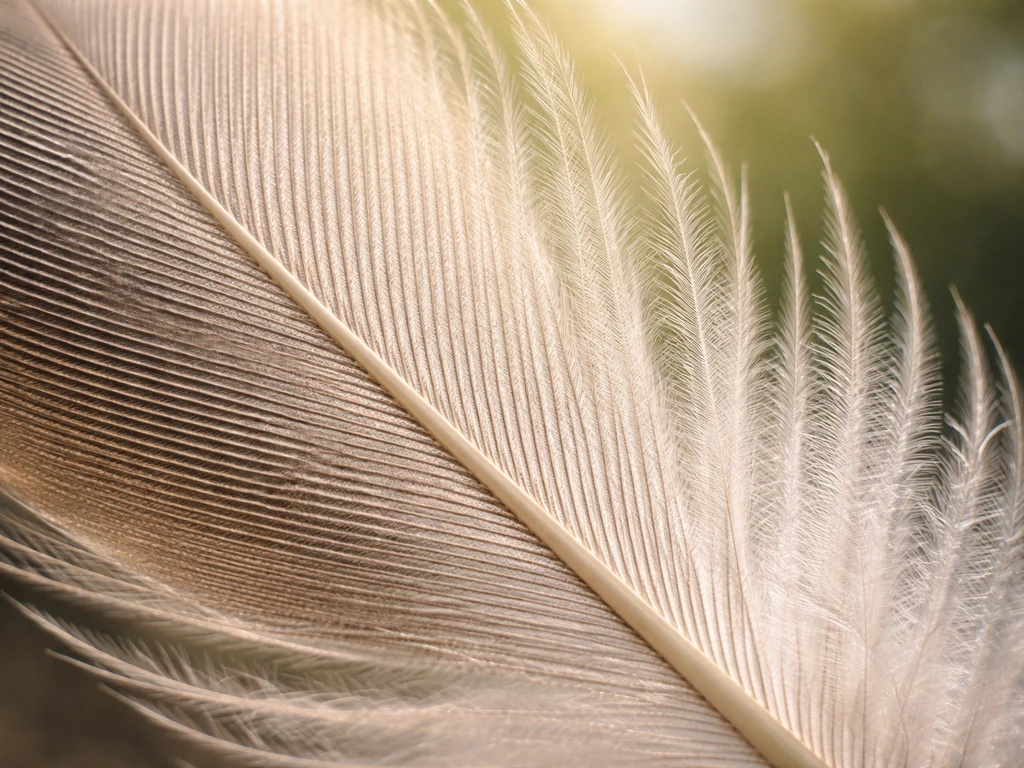
Before applying the label to ducks, it helps to understand what biologists mean when they say "bird." Class Aves is the taxonomic group that defines birds, and membership comes down to a specific set of physical and physiological traits. Feathers are the big one. No other animal group on earth has feathers, which is why they are considered the single most defining characteristic of birds. But feathers alone do not tell the whole story.
- Feathers: the primary distinguishing trait, modified from ancestral reptilian scales
- Warm-blooded (endothermic): birds regulate their own body temperature internally
- Four-chambered heart: fully separates oxygenated and deoxygenated blood
- Hard-shelled eggs: birds reproduce by laying eggs with a calcified shell
- Wings: present in all birds, even when not used for flight (as with penguins and ostriches)
- Vertebrate skeleton: birds have a backbone, placing them firmly in the vertebrate lineage
This cluster of traits is what separates birds from mammals (which have fur or hair and typically give birth to live young), reptiles (which are cold-blooded and lack feathers), and every other animal class. If a creature checks all of these boxes, it is a bird, regardless of whether it can fly, swims most of the time, or looks nothing like a typical robin.
Why ducks check every box on that list
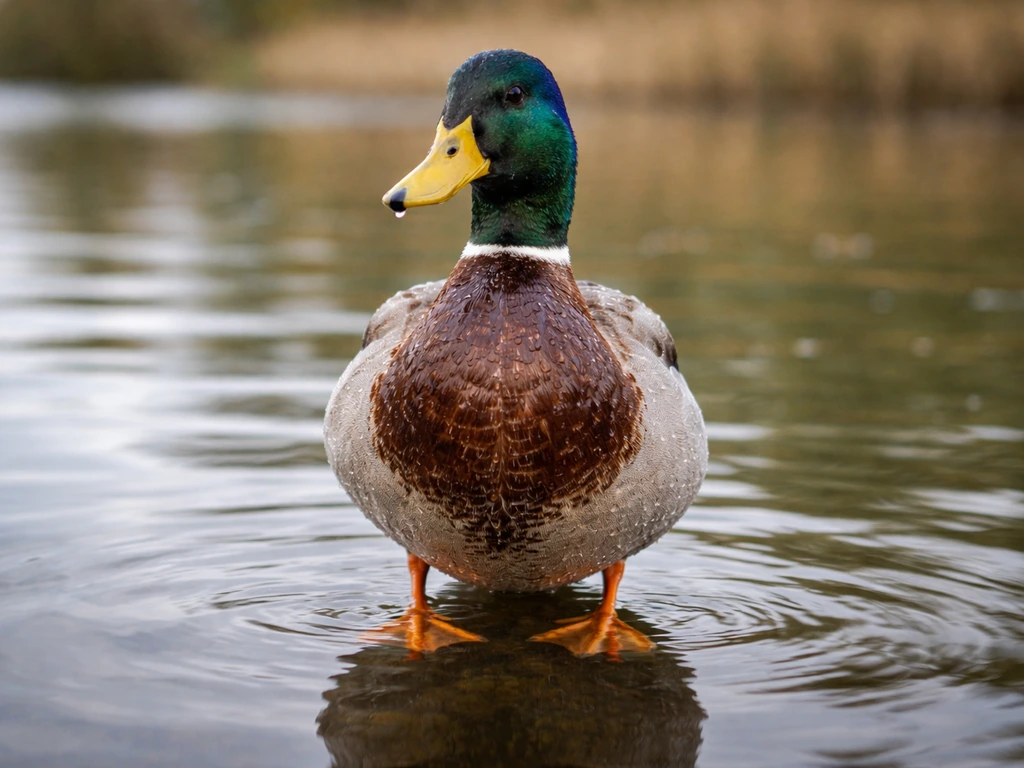
Ducks sit within class Aves under the order Anseriformes, and more specifically within the family Anatidae, which is the waterfowl family that also includes geese and swans. The U.S. Fish and Wildlife Service's taxonomic tree maps ducks directly to Class Aves, and Britannica describes Anatidae plainly as "a bird family." So the classification is not a matter of interpretation; it is textbook taxonomy.
Now apply the checklist. Ducks have feathers, including insulating down feathers that keep them warm in cold water. They are warm-blooded, meaning their body temperature stays regulated no matter how cold the lake is. They have a four-chambered heart. They lay hard-shelled eggs. They have wings (and most species can fly quite well). Every single criterion for class Aves is met. If you have been wondering is duck a bird or mammal, the feather test alone settles it: ducks have feathers and mammals do not, so ducks are birds.
The waterfowl label sometimes throws people off. "Waterfowl" is a common-use term for ducks, geese, and swans as a group, and it refers specifically to birds within the order Anseriformes and family Anatidae. The word "fowl" itself historically referred to birds, so waterfowl literally means water birds. Calling a duck a waterfowl and calling it a bird are describing the same thing at different levels of specificity. If you are curious whether duck is a bird or animal in a broader sense, the answer is both: all birds are animals, but the more precise classification is bird.
Is a duck a type of bird, or its own separate thing
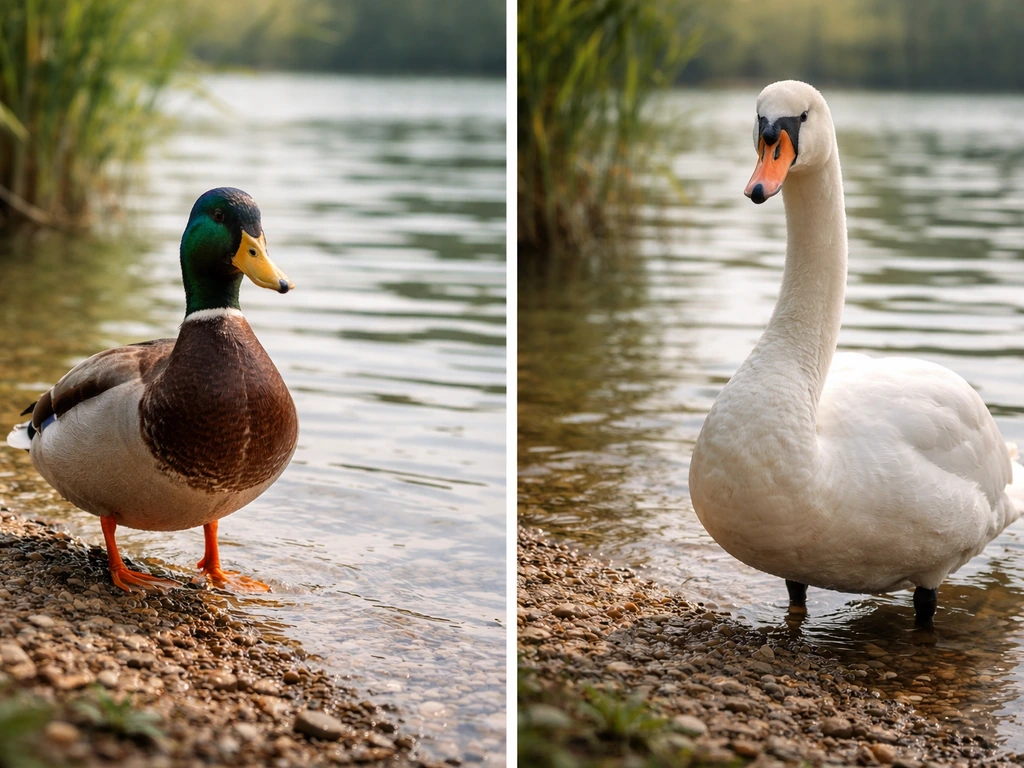
Some people wonder whether ducks might be their own distinct category rather than a subset of birds. They are not. Is a duck a type of bird is a fair question, and the answer is yes: ducks are a type of bird in the same way that a golden retriever is a type of dog. The broader category (bird, dog) is real, and ducks slot into it alongside thousands of other species.
There are roughly 120 species of ducks recognized worldwide, and they span wildly different environments and appearances. But every single one is classified within family Anatidae, order Anseriformes, class Aves. The diversity within the duck group does not change what they fundamentally are.
Ducks vs animals people confuse for birds (and vice versa)
Ducks themselves are rarely confused with non-birds, but the broader question of what is or is not a bird trips people up regularly. Here is a quick comparison of ducks against some common points of confusion, using the same criteria we just applied.
| Animal | Feathers | Warm-blooded | Hard-shelled egg | Wings | Class | Verdict |
|---|---|---|---|---|---|---|
| Duck | Yes | Yes | Yes | Yes | Aves | Bird |
| Bat | No (has fur) | Yes | No (live birth) | Yes (skin membrane) | Mammalia | Not a bird |
| Crocodile | No (has scales) | No (cold-blooded) | Yes (leathery shell) | No | Reptilia | Not a bird |
| Penguin | Yes | Yes | Yes | Yes (flippers) | Aves | Bird |
| Platypus | No (has fur) | Yes | Yes (leathery) | No | Mammalia | Not a bird |
Bats are one of the most common misclassifications. They fly, they are warm-blooded, and they are active animals, but they have fur instead of feathers, give birth to live young, and are firmly in class Mammalia. Penguins are the opposite problem: people assume they cannot be birds because they do not fly, but penguins have feathers, lay hard-shelled eggs, are warm-blooded, and have wings (modified into flippers). They are classified in order Sphenisciformes within class Aves. Flight is not a requirement for being a bird.
The duck's closest relatives in taxonomy are geese and swans, all sharing the Anatidae family. If you have ever wondered is a goose a bird, the answer follows the exact same logic: geese belong to family Anatidae, order Anseriformes, class Aves, and they have every avian trait on the checklist. Similarly, goose is a bird or animal follows the same pattern as the duck question: it is both an animal and, more specifically, a bird.
What about ducks as game birds
One wrinkle worth addressing: people sometimes ask is a duck a game bird, and this is a slightly different question. "Game bird" is not a taxonomic category; it is a hunting and wildlife management term used to describe birds that are legally hunted. Ducks are regulated as migratory game birds under federal wildlife law in the United States, but that designation does not change their biological classification. A duck is still class Aves regardless of how it is regulated by wildlife agencies. Game bird status is about human management categories, not biology.
Use the same checklist for any animal you are not sure about
The checklist that confirms ducks as birds works just as well for any other animal you are trying to classify. Run through these questions in order:
- Does it have feathers? If yes, it is almost certainly a bird. No other living animal group has feathers.
- Is it warm-blooded (endothermic)? Birds are, as are mammals, but cold-blooded animals like reptiles and fish are ruled out here.
- Does it have a four-chambered heart? Birds and mammals share this, while most reptiles have a three-chambered heart.
- Does it lay hard-shelled eggs? This is a strong bird indicator, though not exclusive (some reptiles lay hard eggs too).
- Does it have wings, even non-functional ones? All birds have wings in some form.
- Check the formal classification: what class is it assigned to in taxonomy? Class Aves equals bird, end of discussion.
The feather question is your fastest filter. If the animal has feathers, start from the assumption it is a bird and look for anything that breaks the pattern. If it lacks feathers, it is not a bird, no matter how bird-like its behavior or environment might seem. A duck swimming on a pond, a penguin diving in the Antarctic, and an ostrich running across a savanna are all birds because the biology matches, not because of where they live or what they do.
When in doubt, look up the animal's formal taxonomic class. Reliable sources like the U.S. Fish and Wildlife Service and Britannica publish taxonomic classifications for virtually every species. If class Aves appears in the classification, you have your answer. Ducks always will, because that is exactly where they belong.
FAQ
Is a domesticated duck still a bird, even if it cannot survive in the wild?
Yes. Domestic ducks, like Pekin ducks, are still classified in the same family and class as wild ducks (Anatidae, Aves). Breeding differences affect traits like size and feather patterns, but they do not change the core biological criteria used to define birds.
Can something be classified as a bird if it looks like a bird but has no feathers?
Not in the biological sense. If an animal lacks feathers and instead has hair or fur, it falls outside Class Aves even if it swims, lays eggs, or looks superficially similar. The defining line is the presence of feathers, not the habitat or behavior.
Do ducks have to fly to count as birds?
Flight is not required. Ducks can fly, but many bird species have reduced flight ability or even no functional flight (for example, penguins), yet they remain in Class Aves because the other defining traits, especially feathers and egg-laying, are present.
What is the difference between calling a duck a bird versus calling it waterfowl?
No. “Waterfowl” is a practical, everyday category for ducks, geese, and swans, it is not a replacement for the scientific definition of “bird.” Even if a duck is described as waterfowl in conversation, it still remains a member of Class Aves.
Is a duck only a bird, or is it also an animal?
Yes, a duck is an animal and a bird at the same time. “Animal” is a very broad classification (a higher-level group), while “bird” is narrower (Class Aves). Thinking in nested categories helps avoid the either-or confusion.
How do you tell a duck apart from a reptile if both are cold-water swimmers?
Usually no, because ducks are not ectothermic in the way reptiles are. Ducks regulate their body temperature internally (warm-blooded), so their body temperature does not simply match the surrounding water or air.
Do swimming animals automatically count as birds?
In general, no. Many bird species can swim, but not every swimmer is a bird. The safe method is to check the bird-defining traits (especially feathers and egg-laying) or verify the species’ taxonomic class.
Does being labeled a “game bird” mean a duck is something other than a bird?
It depends on the context, not the duck’s biology. “Game bird” is a legal and hunting-management label applied to certain species, like many ducks in the US. That designation does not change the duck’s scientific classification.
Do ducks lay eggs, and does that matter for whether they are birds?
Yes. Ducks lay eggs like other birds, including hard-shelled eggs with embryos that develop outside the parent’s body. That egg-laying trait is one of the core reasons ducks fit Class Aves.
What should I do if I’m unsure about whether a specific duck species is a bird?
If you are not sure how a specific species is classified, look for its formal taxonomic placement rather than relying on common names. Common names can be misleading, but the official classification (for birds, the “Class Aves” level) is the decision point.
Next Article
Is Cameroon a Bird? Meaning and How to Verify
Get a clear yes or no on whether Cameroon is a bird, plus steps to verify any Cameroon-named species.