
Butterfly wings and bird wings are analogous structures, not homologous. They look similar and do the same job (flying), but they evolved completely independently from different ancestral structures, in different lineages, hundreds of millions of years apart. That shared function is a coincidence of natural selection, not a sign of shared ancestry.
Are Butterfly Wings and Bird Wings Homologous or Analogous?

Sarah Chen
19 Jun 2026
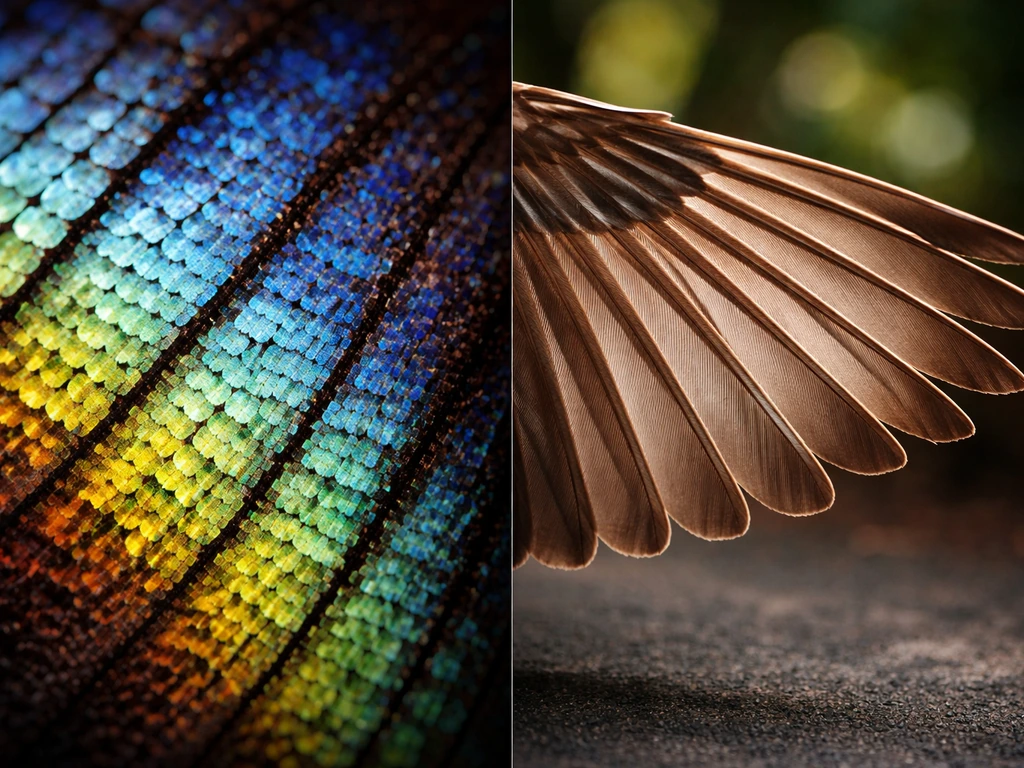
Homology vs analogy: what the terms actually mean
Homology means two structures are similar because they were inherited from a common ancestor. The classic example is the human arm, a bat's wing, and a whale's flipper. They look very different and do very different things, but they all share the same underlying bone arrangement (humerus, radius, ulna, carpals, digits) because all three animals descended from the same ancestral four-limbed vertebrate. Same origin, different uses.
Analogy is the opposite situation. Two structures look similar and do the same job, but they got there through completely separate evolutionary paths. There is no common ancestor that had 'the original version' of that structure. The resemblance is driven by similar environmental pressures, a phenomenon biologists call convergent evolution. Same function, different origin.
A quick way to keep them straight: homology is about where a structure came from (ancestry and development), while analogy is about what a structure does (function and superficial shape). Butterfly and bird wings pass the analogy test on both counts: same function, completely different developmental and evolutionary origins.
What butterfly wings actually are
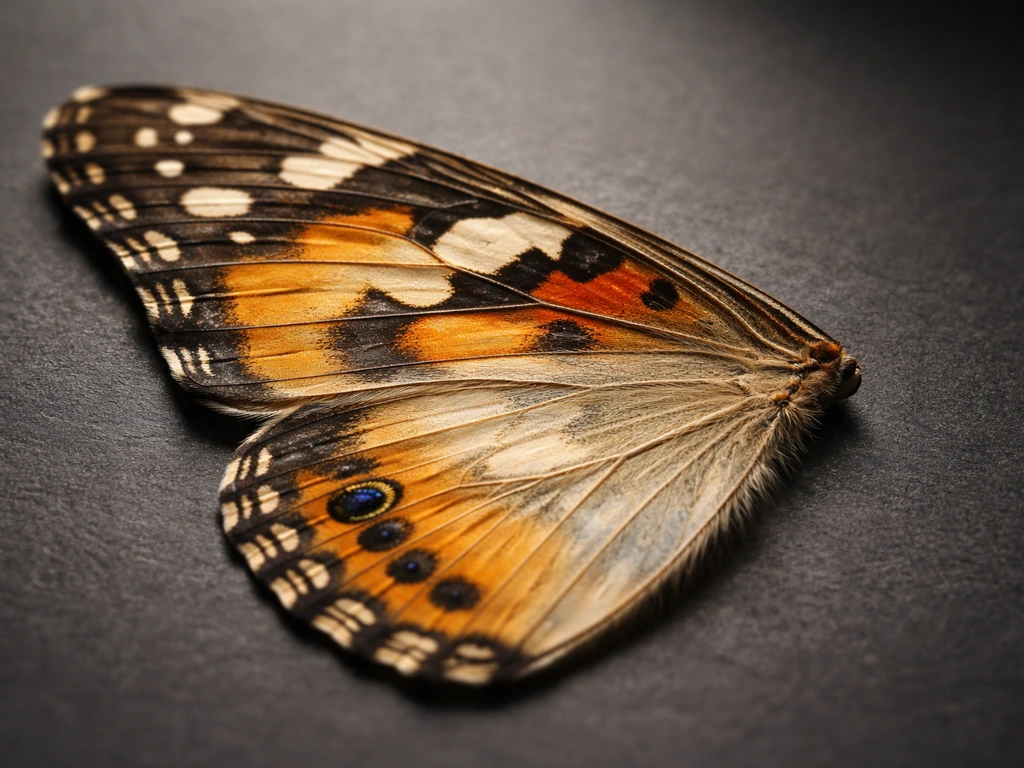
Butterflies are insects, sitting in the class Insecta. Their wings are outgrowths of the exoskeleton, the hard external body covering that all insects have. Specifically, butterfly wings develop from flat extensions of the body wall called wing imaginal discs during the pupal (chrysalis) stage. The final wing is a double membrane of chitin (the same tough polymer that makes up insect exoskeletons) stretched over a network of hollow veins that carry hemolymph (insect blood) and provide structural support.
There is no bone anywhere in a butterfly wing. There are no muscles inside the wing itself either. Butterflies power their wings by flexing large thoracic muscles that deform the thorax and indirectly move the wings. The wing surface is covered with microscopic scales (hence the order name Lepidoptera, meaning 'scale-winged'), which create the patterns and colors we see. Structurally, a butterfly wing shares essentially nothing with a bird wing except a flattened, aerodynamic shape.
What bird wings actually are
Birds belong to the class Aves, and they are, in biological terms, a lineage of theropod dinosaurs that survived the end-Cretaceous extinction. Their wings are modified forelimbs, the same evolutionary structure as your arms and hands. If you look at a bird wing skeleton, you will find a humerus (upper arm), a radius and ulna (forearm), fused wrist bones (carpometacarpus), and reduced digits. It is the same vertebrate limb blueprint, heavily remodeled over roughly 150 million years of evolution from the limbs of bipedal dinosaurs.
Bird wings are powered by large internal muscles (especially the pectoralis major, which makes up the breast meat you eat on a chicken) attached to a keeled breastbone called the sternum. The wing surface is formed by feathers, which are complex protein structures (keratin) that grow from follicles in the skin. The internal skeleton is made of bone, many of which are hollow to reduce weight while maintaining strength. Everything about the internal architecture of a bird wing screams 'modified arm,' because that is precisely what it is.
Same job, totally different history
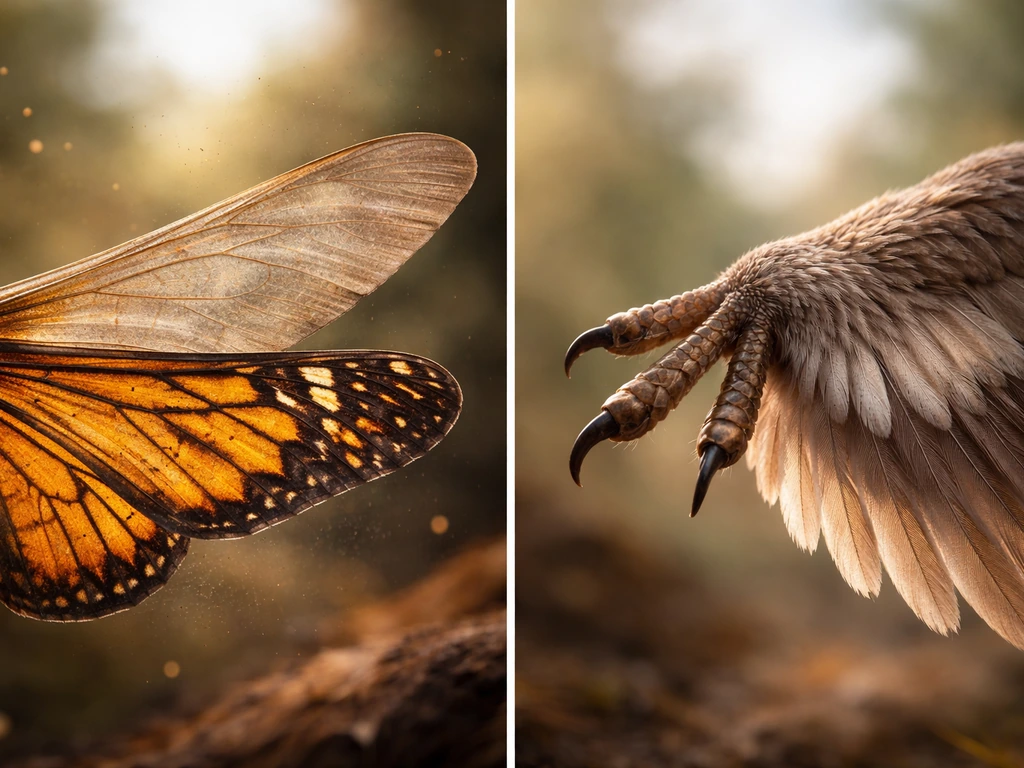
Both butterfly wings and bird wings let their owners fly. That is a genuinely useful thing to be able to do: escaping predators, finding food, migrating, finding mates. Natural selection will independently reward any body plan that achieves powered flight, regardless of the animal's lineage. This is convergent evolution in action, and it has happened repeatedly across the history of life. That same idea helps explain why a platypus is often compared to a bird convergent evolution.
The ancestors of insects developed wings roughly 350 million years ago, making insects the first flying animals. The ancestors of birds developed wings from theropod forelimbs starting around 150 to 160 million years ago (with Archaeopteryx as a famous early example). These two evolutionary events happened in completely separate lineages (arthropods vs. vertebrates), separated by hundreds of millions of years, using completely different raw materials and developmental programs. Flight was the destination, but the routes there had nothing in common.
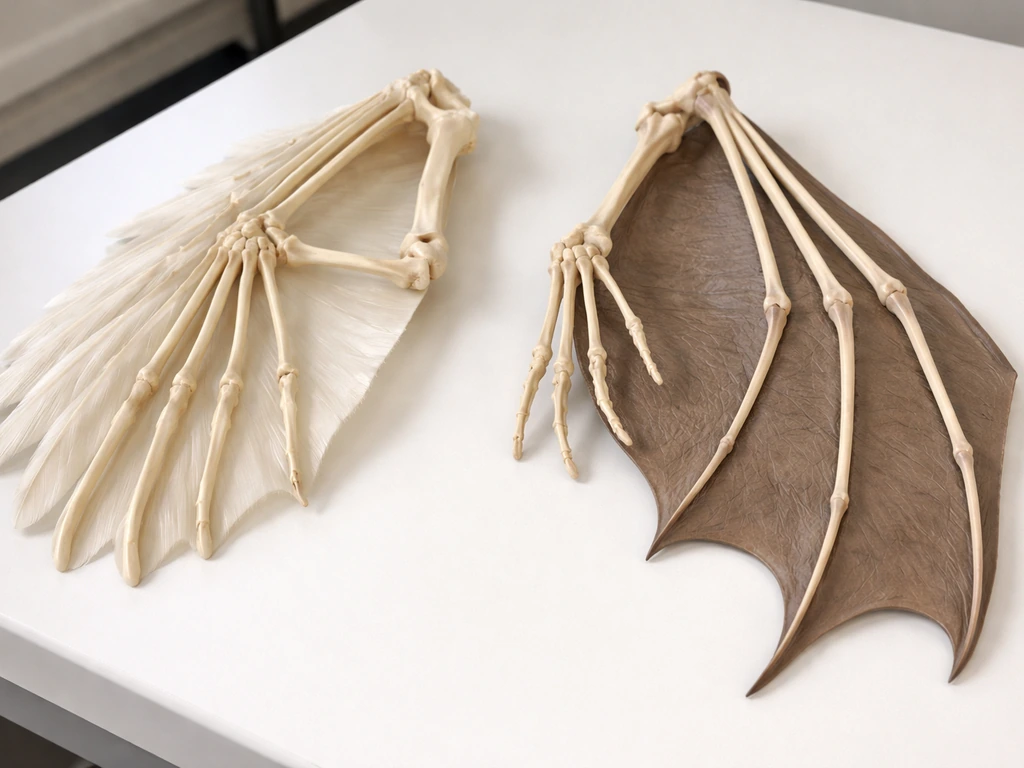
This is worth comparing to bat wings, which are also analogous to butterfly wings but are homologous to bird wings, since both bats and birds are vertebrates with modified forelimbs. The bat-vs-bird wing comparison is a good reminder that 'analogous or homologous' is always a question asked relative to a specific pair of structures and lineages.
How scientists actually verify this
You do not have to take this on faith. There are three lines of evidence biologists use to decide whether structures are homologous or analogous, and all three point the same way for butterfly and bird wings.
- Morphology (internal structure): Homologous structures share the same underlying arrangement of parts, even if reshaped. A bird wing has bones, muscles, and skin. A butterfly wing has chitin membranes, veins carrying hemolymph, and scales. The internal architecture is completely different, which is a strong signal of independent origins.
- Development (how they form in the embryo): Homologous structures develop from the same embryonic tissue type and follow similar developmental programs. Bird wings develop from vertebrate limb buds, guided by the same Hox genes and signaling pathways that build arms in all tetrapods. Butterfly wings develop from imaginal discs in the insect larva, a completely different developmental process that has no equivalent in vertebrates.
- Genetics and phylogeny: When you map these animals on the tree of life, insects and vertebrates diverged roughly 550 to 600 million years ago, long before either group had wings. There is no common winged ancestor to inherit wings from. Any gene involved in building insect wings was recruited independently from any gene involved in building bird wings.
It is worth noting that some of the same broad genetic 'toolkit' genes (like certain Hox genes) appear in both insect and vertebrate development, but this reflects deep shared ancestry of those regulatory genes, not shared ancestry of the wings themselves. Using similar molecular tools to build completely different structures is itself a form of convergence, and it does not make the structures homologous.
So here is your direct answer, and a rule of thumb
Butterfly wings and bird wings are analogous structures. Full stop. They perform the same function (flight), but they evolved independently in unrelated lineages, they are built from different materials, they develop through different embryological processes, and they have no common ancestral wing to trace back to. blank" rel="noopener noreferrer">Functional similarity without shared ancestry is the textbook definition of analogy. A related animal question is: is a platypus a bird, and the answer is no, because it is a mammal.
Here is the rule of thumb that will help you answer any future homologous-vs-analogous question: ask 'do these structures share an ancestor that had a version of this structure?' If yes, they are homologous (even if they now look completely different, like a whale flipper and a human hand). If no, and the similarity is just about what the structure does, they are analogous. So for birds and butterflies, their wings are analogous, not homologous, because the similarity is about function rather than shared ancestry. Function can mislead you; ancestry does not.
| Feature | Butterfly Wing | Bird Wing |
|---|---|---|
| Animal group | Insect (class Insecta) | Bird (class Aves, theropod dinosaur lineage) |
| Structural basis | Chitin exoskeleton extensions, hollow veins | Bone, muscle, skin, and feathers |
| Internal skeleton | None (no bones) | Modified forelimb bones (humerus, radius, ulna, digits) |
| Developmental origin | Imaginal discs in larva | Vertebrate limb bud in embryo |
| Evolutionary origin | Insect body wall, ~350 million years ago | Theropod forelimb, ~150-160 million years ago |
| Relationship to each other | No common winged ancestor | No common winged ancestor |
| Homologous or analogous? | Analogous | Analogous (to butterfly wings) |
If you want to dig deeper into related comparisons, the bat-and-bird wing case is especially instructive because bat wings and bird wings are homologous to each other (both are modified vertebrate forelimbs) yet analogous to butterfly wings. Working through that contrast is one of the best ways to really lock in the difference between the two concepts.
FAQ
If butterfly and bird wings both evolved for flight, why isn’t that enough to call them homologous?
Shared function alone is not the deciding test. Homology requires shared ancestry for the structure itself, meaning an ancestral wing-like structure (or the same developmental origin) inherited by both lineages. Flight can be reached via different starting materials and developmental programs, so convergent evolution often produces similar outcomes without a common wing ancestor.
What are the most common mistakes people make when classifying wings as homologous or analogous?
A frequent error is to treat “look similar” or “do the same job” as the homology criterion. Another is to miss that “wing” is a category label, not a guarantee of shared origin. In this case, butterfly wings come from insect wing tissues and are scaled membranes, while bird wings are remodeled tetrapod forelimbs with bone and feathers.
Do genetic similarities, like shared regulatory genes, make butterfly and bird wings homologous?
No. Shared gene toolkits can occur because the gene regulation machinery is broadly conserved across animals. That does not mean the wings themselves share an ancestral structural origin. If the regulatory genes help build very different tissues in different lineages, the outcome is still analogous structures.
Could butterfly wings ever be considered homologous to bird wings if you compare at a different level, like “forelimb” versus “wing tissue”?
Usually not, because the lineages do not share the underlying anatomical starting point. Butterfly wings are exoskeletal outgrowths from an insect body wall, while bird wings are vertebrate forelimb derivatives. Changing the comparison level does not create a shared ancestral wing structure when the developmental and anatomical bases are fundamentally different.
How can I tell whether two “wing-like” structures are homologous or analogous when they differ in whether they are feathers or membranes?
Use a two-step check. First, ask what body part the structure derives from during development (insects typically build wing tissue differently than vertebrates). Second, look for an inheritance pathway from a common ancestor with that structural plan. Feathers versus membranes often signals deep developmental separation, supporting analogy rather than homology, but you still confirm by ancestry and developmental origin.
What about extinct animals, for example early birds, could they blur the homologous versus analogous classification?
Extinct forms can clarify homology relationships within vertebrates, but they do not connect vertebrate wings to insect wings through a shared wing ancestor. Even if early birds show transitional morphologies, their wings remain part of the vertebrate lineage, while insect wings remain arthropod-derived, so the butterfly-bird relationship stays analogous.
If butterfly and bird wings are analogous, is the “wing” category still scientifically useful?
Yes, but it is functional or morphological shorthand, not evidence of shared ancestry. Biologists often use categories like “wing” to discuss flight capability, then separately analyze homology versus analogy when asking about evolution. Functionally similar categories can be evolutionarily independent.
Does the same “analogous vs homologous” rule apply to other structures that share only color or pattern?
It applies, but color and pattern are especially prone to convergence. Similar coloration can evolve repeatedly for camouflage or signaling, which would indicate analogy. To infer homology, you would need evidence that the underlying structure and developmental origin were inherited from a common ancestor.
Next Articles
Is a Bird Homologous or Analogous? How to Tell Trait Similarity
Learn which bird traits are homologous or analogous, with examples for bats, pterosaurs, and flightless birds.
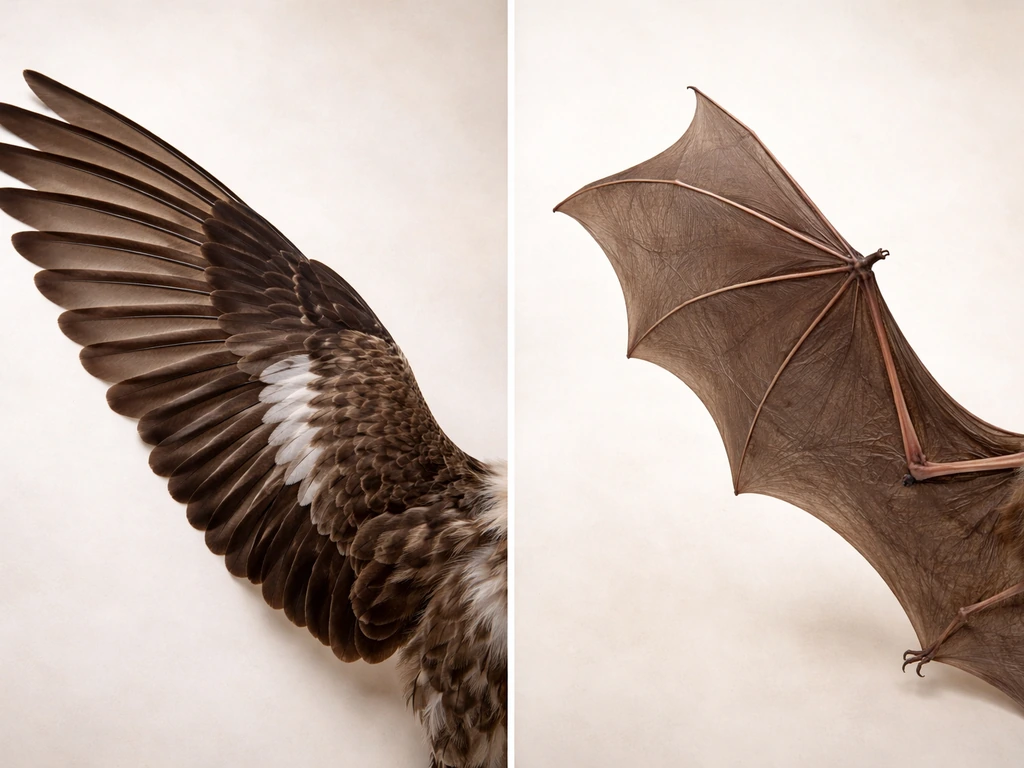
Are Bird and Bat Wings Homologous or Analogous?
Bird and bat wings are homologous as tetrapod forelimbs, but analogous as flight adaptations.
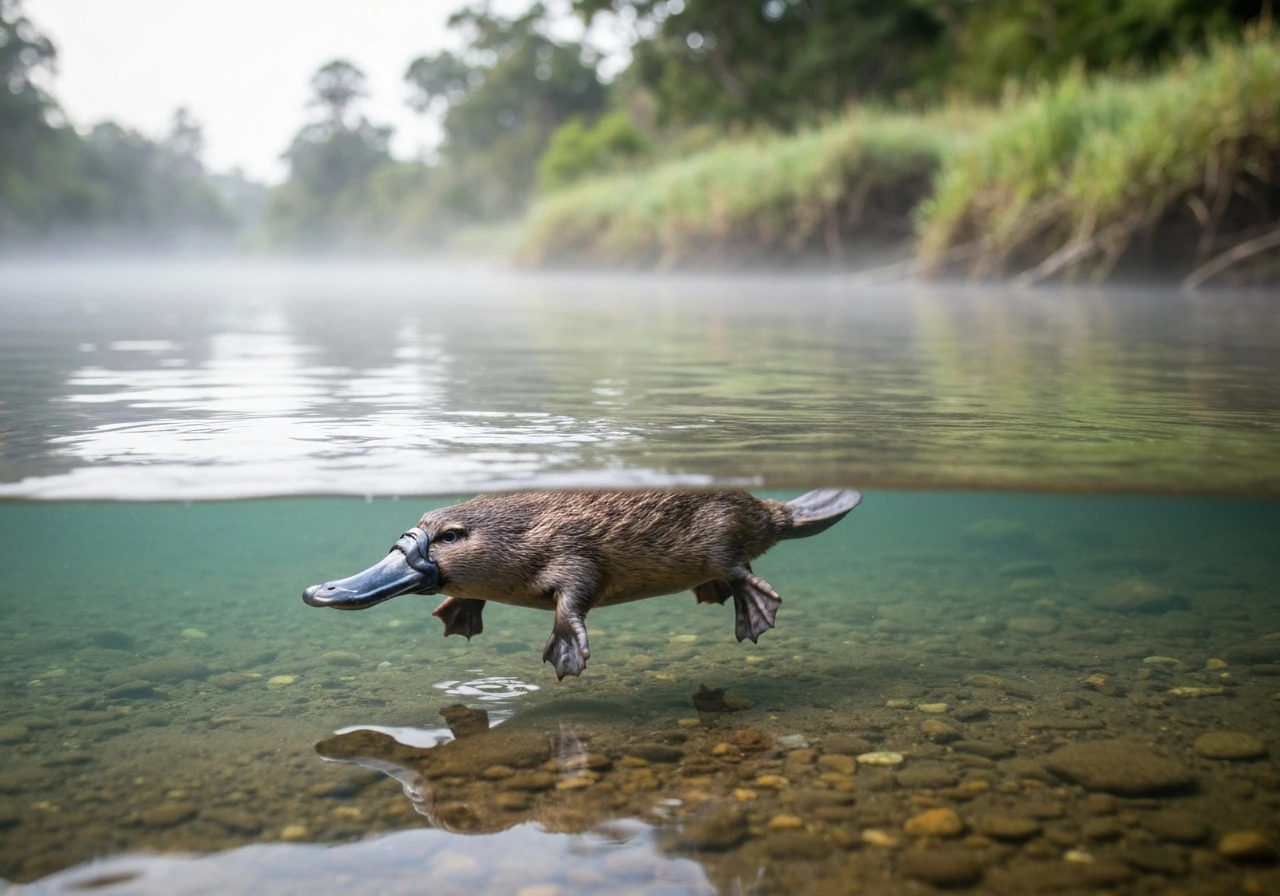
Is a Platypus a Bird or Mammal? The Simple Answer
No, a platypus is not a bird. It is a mammal, and the traits that prove it, plus how to classify similar animals.