Direct answer: bird vs. not-bird
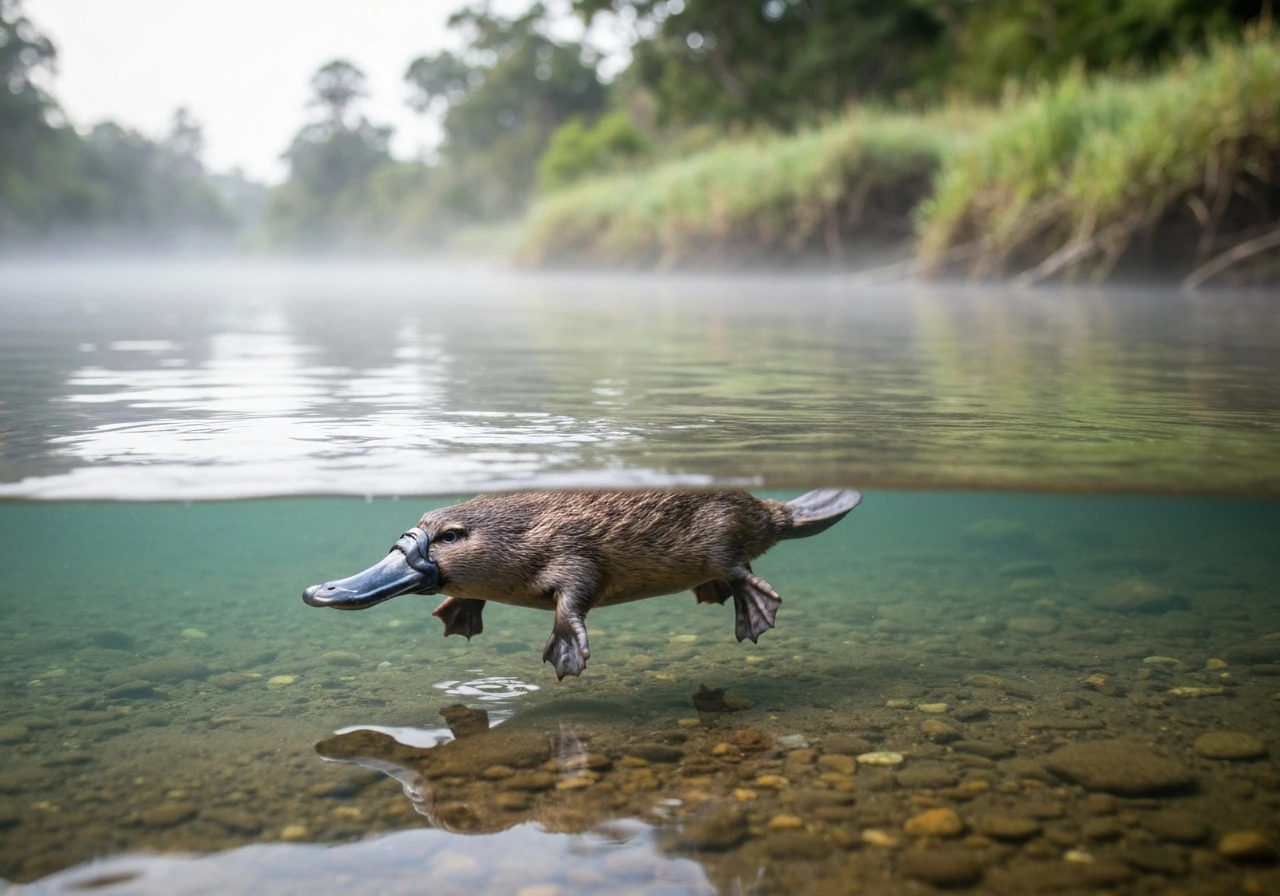
A platypus is not a bird. It is a mammal, classified under class Mammalia and order Monotremata. If you're weighing the "bird or mammal" framing, the answer is mammal, every time, no matter how duck-like the platypus looks. The confusion is completely understandable, but the biology is unambiguous: platypuses share none of the defining traits of birds and share all the defining traits of mammals. That's the short answer. The rest of this article explains exactly why, so you can feel confident about it and apply the same logic to other animals that seem hard to place.
Why platypuses aren't birds
The simplest way to rule out "bird" is to run the platypus against the three traits the Smithsonian National Museum of Natural History uses to define birds: feathers, hollow bones, and hard-shelled eggs. Birds are also unique in having feathers, as Britannica emphasizes when describing class Aves. Platypuses fail on every single point.
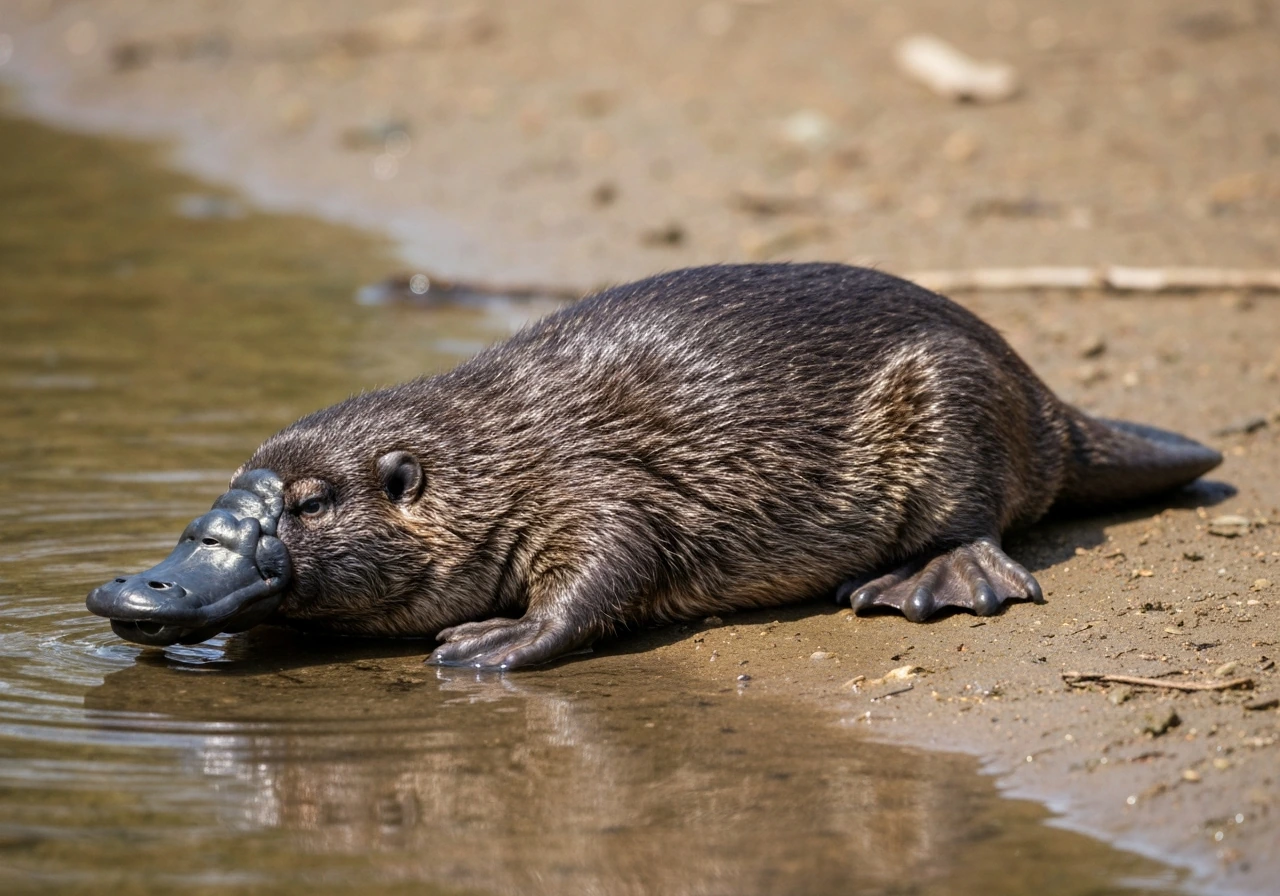
- No feathers: the platypus is covered in dense brown fur, not feathers. Feathers are the single most diagnostic bird trait, and the platypus has none.
- No hollow bones: birds evolved lightweight, hollow skeletal structures to support flight and reduce body weight. Platypus bones are solid mammalian bones.
- No beak or bill in the bird sense: the platypus has a rubbery, flexible "duck bill" that is packed with about 40,000 specialized electroreceptor skin cells used to detect prey underwater. A bird's beak is made of keratin and is a rigid feeding tool. These structures look similar from a distance but are completely different in structure and function.
- No wings: birds have forelimbs modified into wings. The platypus has webbed front feet used for swimming, not wings.
- No bird-type egg production: platypuses do lay eggs (more on that below), but they are soft-shelled eggs, not the hard-shelled eggs that define avian reproduction.
The bill is probably the biggest source of confusion. The species name, Ornithorhynchus anatinus, literally means "duck-like snout" in Greek and Latin. Early European naturalists who received the first platypus specimens in the late 1700s thought someone had sewn a duck's bill onto a beaver's body as a joke. But a superficial resemblance to a duck's anatomy does not make something a bird, any more than a dolphin's fin makes it a fish.
Where platypuses actually fit: the mammal case
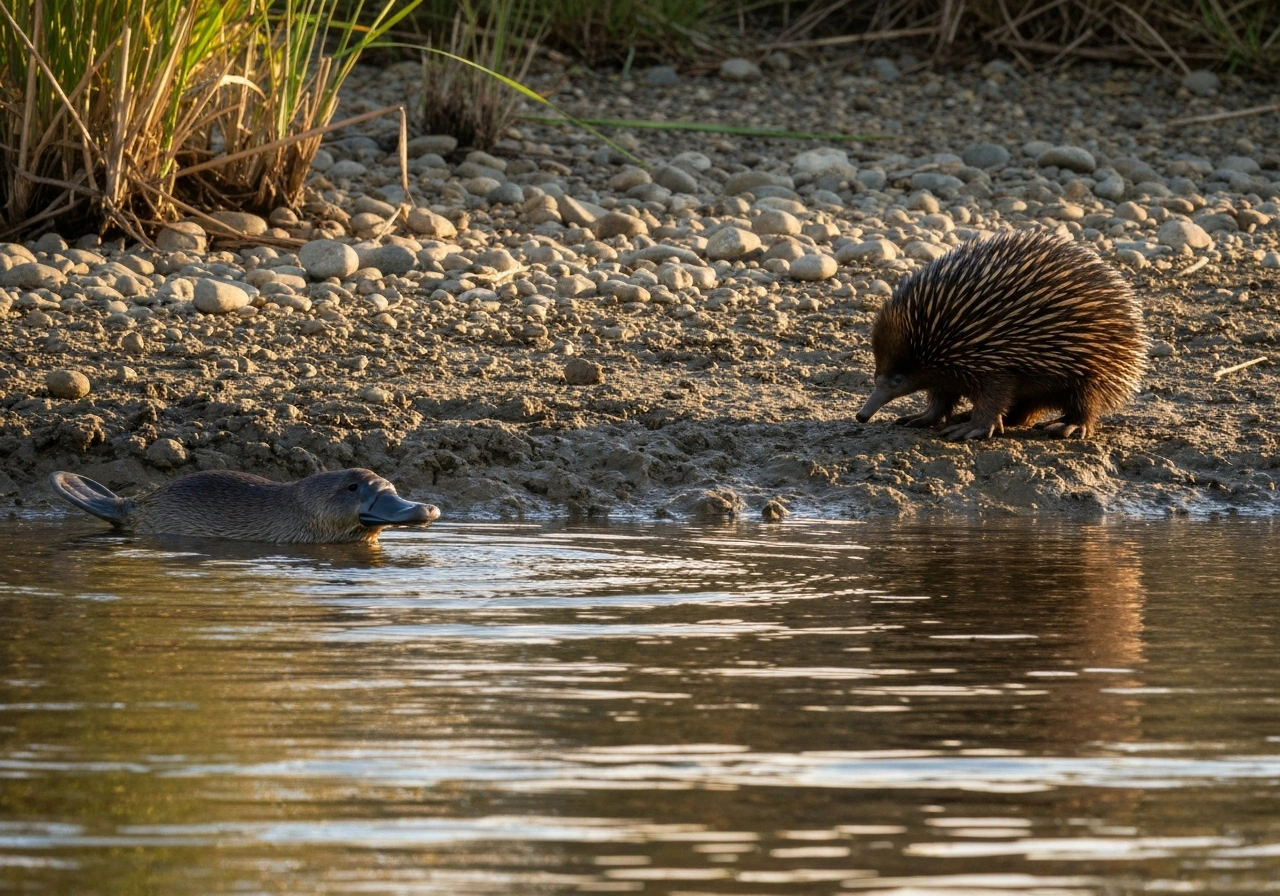
The platypus sits in order Monotremata, a small group of egg-laying mammals that also includes echidnas. "Monotreme" just means "one hole," referring to a single opening (the cloaca) used for reproduction, digestion, and urination. It sounds exotic, but monotremes are unambiguously mammals. Here is why.
Mammals are defined by two core traits: hair and mammary glands. OpenStax Biology 2e puts it plainly: mammals are vertebrates that possess "hair and mammary glands." Platypuses have both. They are covered in fur, and the females produce milk to feed their young. The milk seeps through patches of skin (monotremes lack nipples), but milk production from mammary glands is still textbook mammalian behavior. Britannica's monotreme entry confirms that platypuses have "mammary glands, hair, and a complete diaphragm," which is the full mammalian package.
That diaphragm detail is worth pausing on. Mammals have a muscular diaphragm that drives breathing; birds do not use a diaphragm the same way. It's a structural difference most people never think about, but it's a clear anatomical line between the two classes. Platypuses have the mammalian diaphragm. Birds don't. That alone settles the question on the inside, even if the outside looks confusing.
The platypus also has three middle ear bones, a defining mammalian trait that can be traced back through the fossil record. And modern genomic research confirms the classification: a landmark Nature study on platypus and echidna genomes treats monotremes firmly within mammalian evolution, interpreting the animal's unusual mix of traits as an evolutionary pattern rather than any kind of misclassification. If you're curious how a platypus is like a bird in specific ways (the features that actually overlap), that comparison is worth reading, but none of those overlaps change the fundamental classification.
So yes, the platypus lays eggs. That is genuinely reptile-like and is why monotremes were historically confusing. But egg-laying is a retained ancestral trait, not a reclassification trigger. Britannica explains this directly: monotremes display some traits that resemble reptilian physiology, but these reflect "all mammals' common evolutionary origin in reptiles." Egg-laying does not make something a bird or a reptile. It just makes the platypus a very unusual mammal.
How the bird vs. mammal confusion happens
Most misclassification errors follow one of two patterns: people fixate on one trait (the bill, the eggs, the swimming) and let it override everything else, or they assume that "weird-looking" means "hard to classify" when the biology is actually quite clear. The platypus triggers both.
The platypus swims by paddling with webbed front feet, steers with a beaver-like tail, and closes its eyes when it dives, hunting by sensing electrical signals from prey. None of that is bird behavior, but the visual package (bill, water, webbed feet) maps onto the mental image of a duck strongly enough that some people make the leap. This is what biologists call an analogous trait situation: two animals that evolved similar-looking features independently for different reasons. Understanding what analogy means in biology helps here, because analogous traits (similar function, different evolutionary origin) are exactly what's happening with the platypus bill and a bird's beak.
There's also a simple logical error that drives the confusion: "birds lay eggs" gets flipped into "things that lay eggs are birds." That's backwards. Birds do lay hard-shelled eggs, but so do reptiles (cold-blooded, no milk), and monotremes (warm-blooded, with milk). The U.S. National Park Service describes birds as blank" rel="noopener noreferrer">warm-blooded vertebrates characterized primarily by feathers, forelimbs modified as wings, and hollow bones. Egg-laying alone tells you almost nothing about class. blank" rel="noopener noreferrer">The Natural History Museum in London puts it well: birds are warm-blooded egg-layers, reptiles are cold-blooded egg-layers, and monotremes are egg-laying mammals that produce milk. Each group lays eggs for completely different evolutionary reasons.
A similar shortcut error happens with flight and birds. Bats fly, but they are mammals. Flying fish glide over water, but they are fish. The ability to do something a bird does does not make an animal a bird. Classification is about the full biological profile: anatomy, reproduction, physiology, and evolutionary history, not one striking behavior or body part.
Platypus vs. bird: side-by-side comparison
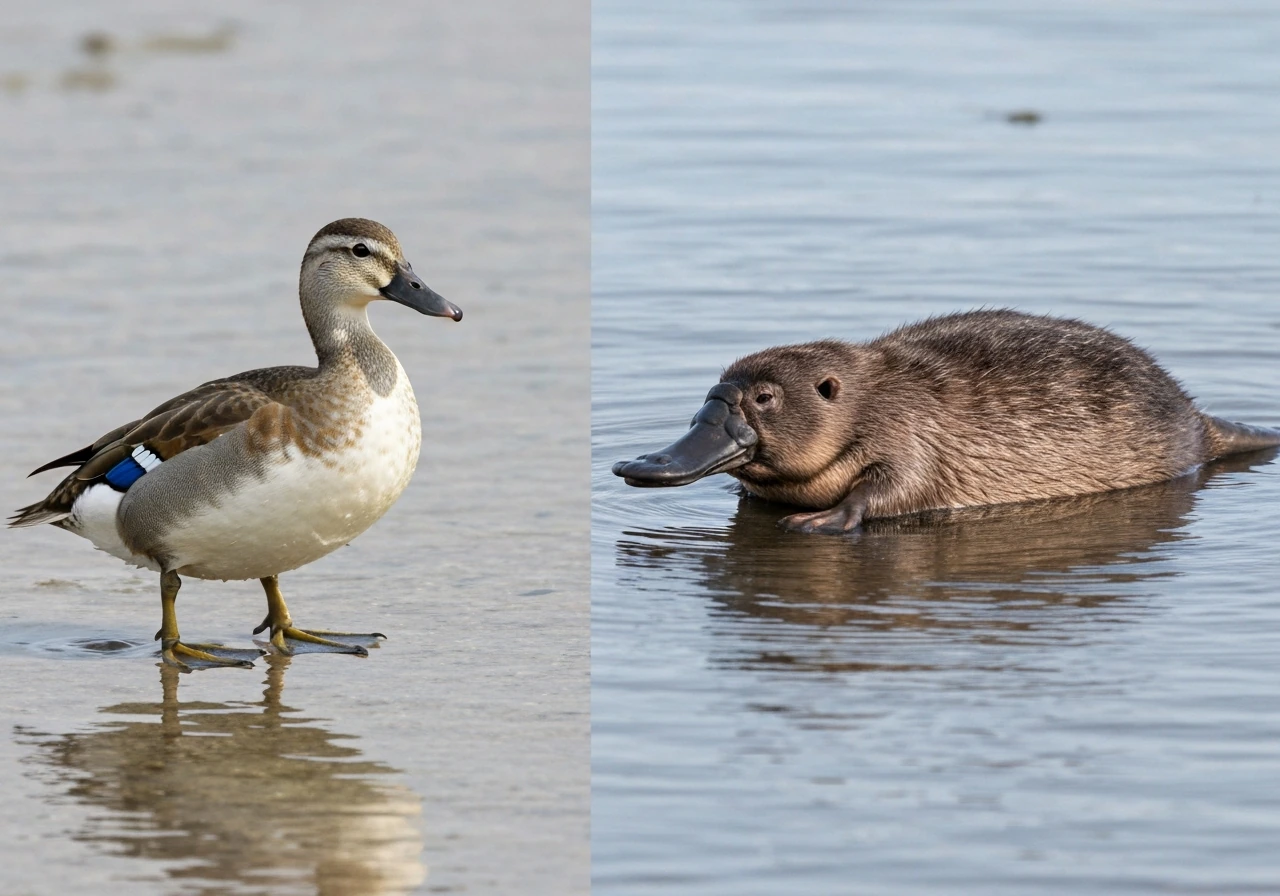
| Trait | Birds (class Aves) | Platypus (order Monotremata) |
|---|
| Body covering | Feathers | Dense fur/hair |
| Forelimbs | Wings | Webbed front feet |
| Bone structure | Hollow, lightweight | Solid mammalian bones |
| Eggs | Hard-shelled | Soft-shelled |
| Milk production | None | Yes (through skin patches) |
| Diaphragm | Not used for breathing in the same way | Full muscular diaphragm |
| Bill/beak | Rigid keratin beak | Flexible rubber bill with electroreceptors |
| Classification | Class Aves | Class Mammalia, Order Monotremata |
Looking at the full table makes the answer obvious. The platypus shares exactly zero defining bird traits and ticks every box for mammal. The "duck bill" column is the only row that creates visual confusion, and even there the structure is fundamentally different.
Quick quiz: animals people commonly mix up with birds
The platypus isn't the only animal that trips people up. Here's a fast-reference guide to other common cases, using the same trait-first method.
- Bats: they fly and some look sleek and bird-like in silhouette, but bats are mammals (order Chiroptera). They have fur, give birth to live young, and nurse with milk. No feathers, no hollow bird bones. The Smithsonian explicitly categorizes bats as mammals. If you want to dig into the structural comparison, the question of whether bird and bat wings are homologous or analogous gets into exactly how differently those wings evolved.
- Penguins: people sometimes wonder if penguins are mammals because they don't "fly" in the air and spend so much time in water. They are birds. They have feathers, lay hard-shelled eggs, and have hollow bones. The World Wildlife Fund treats them unambiguously as birds. They swim instead of fly, but their forelimbs are still modified wings.
- Butterflies: no one really thinks butterflies are birds, but winged insects sometimes get lumped in loosely when children learn "things that fly." Butterflies are insects, full stop. The wing comparison is instructive: butterfly wings and bird wings are analogous structures, meaning they evolved independently for similar purposes (flight) but are built completely differently.
- Flying fish: they glide above the water surface using enlarged pectoral fins, which can look startlingly bird-like mid-air. They are fish, classified under the family Exocoetidae. National Geographic covers them as fish without any taxonomic ambiguity.
- Crocodiles: crocodiles are reptiles, not birds, but they are actually the closest living relatives of birds among non-avian animals. The crocodile and bird association is a real and fascinating evolutionary relationship that surprises most people. Both belong to the group Archosauria, which is why crocodiles share certain traits (like the structure of their hearts) with birds that other reptiles don't.
How to verify any borderline "is it a bird?" case
The three-question method works for almost every borderline case. First, does it have feathers? That is the single most reliable bird identifier. Second, does it have mammary glands and hair? If yes, it's a mammal, regardless of what else it does. Third, if it lays eggs, check whether they are hard-shelled (bird/reptile-territory) or soft-shelled, and then look at the other traits to determine which class it belongs to.
For more nuanced cases, it helps to understand whether a bird trait is homologous or analogous when comparing it to a similar trait in another animal. Homologous traits share the same evolutionary origin (like the forelimbs of a bat and a bird, which both come from the same ancestral vertebrate limb). Analogous traits just look or function similarly without sharing that origin (like a platypus bill and a duck's beak). Knowing which you're dealing with prevents a lot of misclassification errors.
It's also worth knowing that some traits that seem to define birds actually show up in other groups too. The wings of a bat and a bird are analogous organs, which means they serve the same function (powered flight) but arrived at that function through completely different evolutionary paths. Recognizing that pattern stops you from assuming "if it can do what a bird does, it must be a bird."
The bottom line on the platypus: it is a mammal. It has fur, mammary glands, a muscular diaphragm, and three middle ear bones. Its eggs are soft-shelled, not hard-shelled. Its bill is a sensory organ packed with electroreceptors, not a keratin beak. No feathers, no hollow bones, no wings. Run any borderline animal through those checkpoints and you'll land on the right answer almost every time.