An impala is a mammal, full stop. It is not a bird, not an insect, and not a fish. Scientifically, it belongs to Class Mammalia, Order Artiodactyla (even-toed hoofed animals), and Family Bovidae, the same family that includes cattle, goats, and antelopes. If you came here wondering whether the impala fits into one of those other categories, the answer is a clear no, and the reasons are easy to understand once you check a few defining traits.
Is an Impala a Mammal or a Bird? Key Traits Explained

Sarah Chen
11 Jul 2026
What makes a mammal (the checklist that fits impalas perfectly)
Mammals are defined by a handful of biological traits that set them apart from every other animal class. A penguin is a bird, and it helps to remember that it shares the core traits that define birds. You do not need a lab to spot them. The key ones are:
- Fur or hair covering the body (not feathers, scales, or a hard exoskeleton)
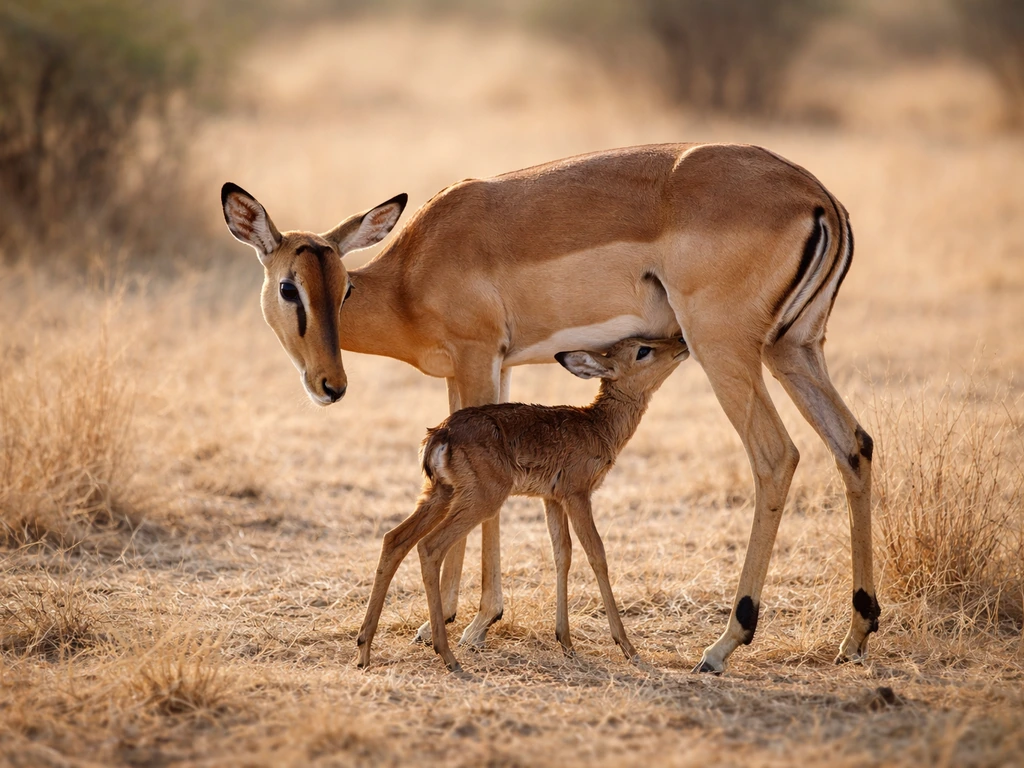
- Mammary glands that produce milk to feed young
- Live birth (in most species, including impalas)
- A hinged lower jaw made of a single bone
- Three small bones in the middle ear (malleus, incus, stapes) that transmit sound
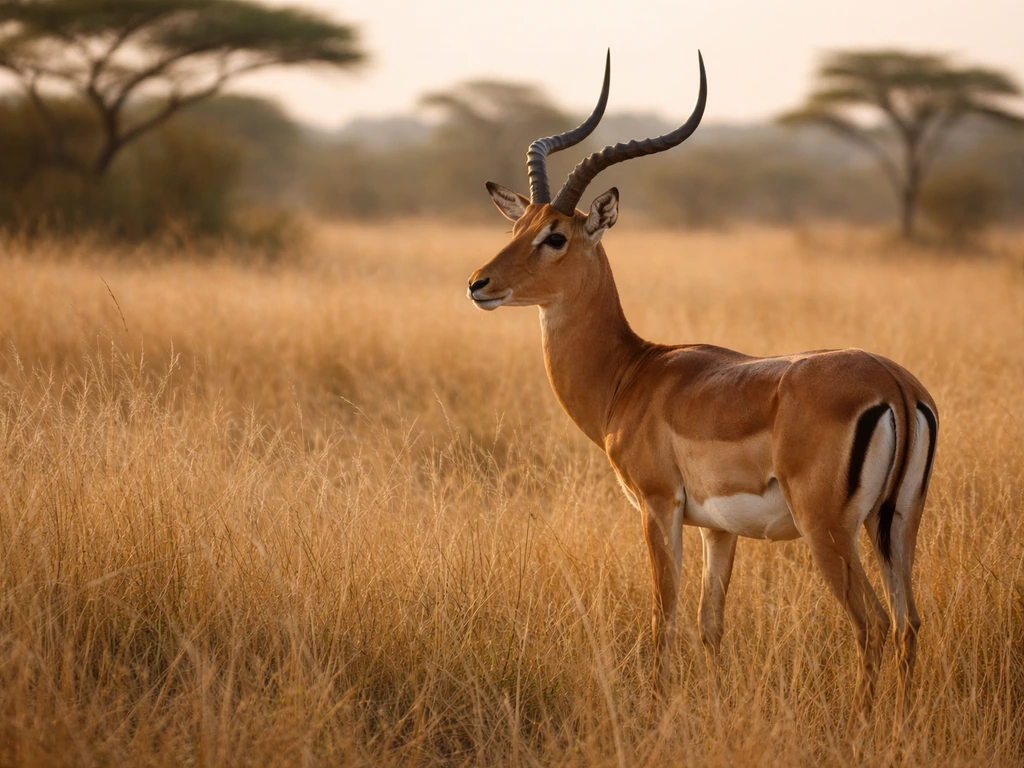
Impalas tick every one of those boxes. They have a glossy reddish-brown coat of fur with black markings. Female impalas carry their young for about 27 to 28 weeks and give birth to a single calf. That calf is nursed on milk, and within about a week it joins a nursery group with other young impalas. That pattern of live birth, nursing, and calf care is textbook mammal biology. Nothing about it resembles how birds, insects, or fish reproduce and raise offspring. Pelicans are birds, so they fit into the bird category rather than the mammal category discussed here.
Why an impala clearly is not a bird
Birds are defined by feathers, forelimbs modified into wings, hollow bones, beaks (no teeth), and reproduction through hard-shelled eggs. Those traits come as a package, and the absence of any one of them is a strong signal you are not looking at a bird. Impalas have none of them. They have four hoofed legs, a fur coat, a mouth full of teeth suited to grazing and browsing, and they give birth to live young rather than laying eggs.
When the site here discusses borderline cases like penguins or pelicans, the same checklist applies: even a penguin that cannot fly still has feathers, lays eggs, and has wings, so it qualifies as a bird. An impala has zero of those bird markers.
| Trait | Impala | Bird |
|---|---|---|
| Body covering | Fur/hair | Feathers |
| Limbs | Four hoofed legs | Forelimbs modified as wings |
| Reproduction | Live birth, single calf | Hard-shelled eggs |
| Young fed by | Mother's milk (mammary glands) | Regurgitated food or foraging |
| Bones | Dense, solid mammal bones | Hollow, lightweight bones |
| Jaw/mouth | Teeth for grazing | Beak, no teeth |
Ruling out fish and insects too
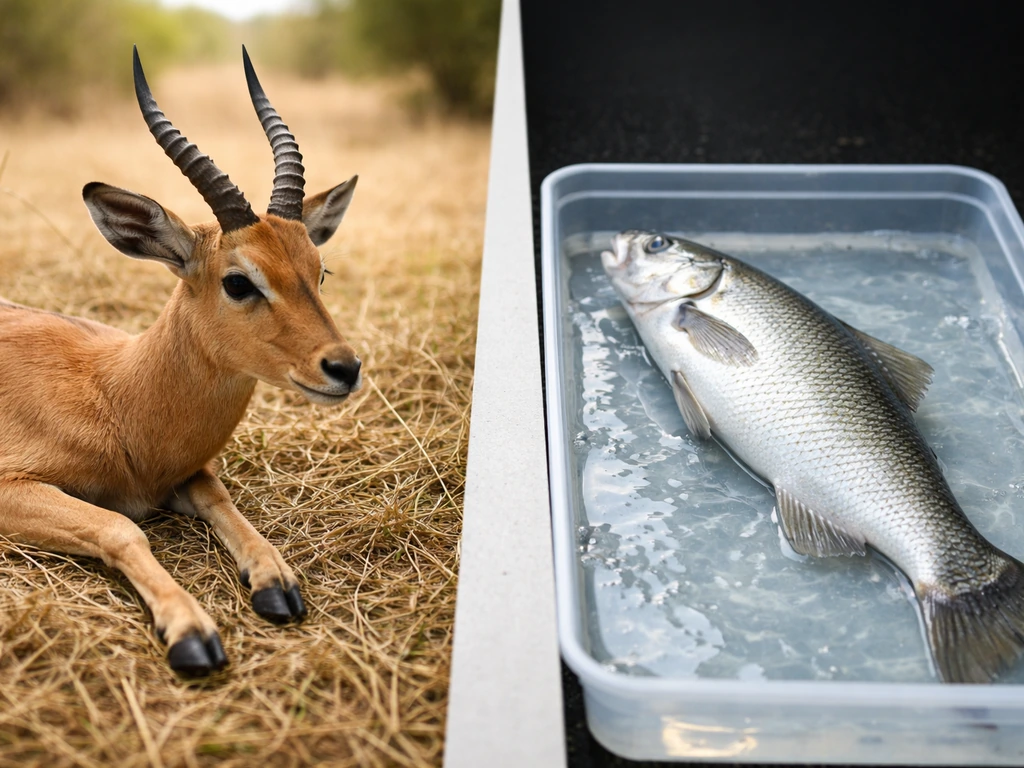
Fish are aquatic vertebrates that breathe through gills and move using fins. They extract oxygen dissolved in water by forcing it over gill tissue, and most have scales. Impalas breathe air through lungs, live on land, have four legs, and are covered in hair. The gap between an impala and a fish is about as wide as it gets in the animal kingdom. Some animals that people often assume are like fish are not, and you can even check whether a pelican is a water bird to understand the difference between birds and aquatic animals.
Insects belong to a completely different branch of life. They are arthropods, meaning their support comes from a hard outer shell called a chitinous exoskeleton rather than an internal skeleton. Their bodies are divided into three regions (head, thorax, abdomen), they have six jointed legs, and they typically have antennae. An impala is a vertebrate mammal standing about 75 to 92 centimeters at the shoulder, covered in fur, with an internal skeleton. It shares essentially nothing anatomically with an insect. The only thing these categories have in common is that they are all animals.
Where the impala sits in the animal family tree
Here is the basic taxonomy for an impala, which makes its classification concrete rather than abstract:
| Taxonomic Rank | Impala Classification |
|---|---|
| Kingdom | Animalia (animals) |
| Phylum | Chordata (animals with a backbone) |
| Class | Mammalia (mammals) |
| Order | Artiodactyla (even-toed ungulates) |
| Family | Bovidae (cattle, antelope, goats) |
| Genus & Species | Aepyceros melampus |
The Class Mammalia level is where the answer to the original question lives. Every animal placed in that class shares the defining mammal traits above: blank" rel="noopener noreferrer">fur, mammary glands, and the rest. Order Artiodactyla narrows it further to hoofed animals with an even number of toes (like deer, cattle, and hippos). Family Bovidae puts it among hollow-horned ruminants. At no point in that tree does anything connect to birds (Class Aves), fish (a loosely grouped set of aquatic vertebrate classes), or insects (Class Insecta, a completely separate phylum). A penguin is a bird because it has bird traits like feathers and lays eggs, even though it lives in the water why is a penguin a bird.
A quick way to check any animal's category
If you are ever unsure which category an animal falls into, run through these three questions in order. First, does it have feathers? If yes, it is almost certainly a bird. Second, does it have fur or hair and feed its young milk?
If yes, it is a mammal. Third, does it breathe through gills and live in water? If yes, it is likely a fish. An impala answers the second question with a definitive yes, which settles the classification before you even need to go further.
The same kind of trait-based reasoning is what makes it straightforward to confirm that a penguin is a bird despite not flying, or to confirm that a bat is a mammal despite having wings. The biology does the sorting for you.
FAQ
Is an impala a mammal, even though it looks like some antelope relatives that people sometimes mix up with birds or fish?
Yes. Impalas are mammals because they have fur and, crucially, they feed their young with milk (mammary glands). Birds and fish do not feed their babies with milk, and insects do not have an internal mammal-style skeleton or fur.
Do impalas ever lay eggs like reptiles or some bird-adjacent animals?
No. Impalas give birth to live calves after a pregnancy period, and the calf is nursed. That live-birth plus milk feeding pattern is one of the strongest ways to distinguish mammals from birds (eggs) and insects (usually eggs or larvae) in everyday identification.
How can I tell the difference between an impala and a large bird at a distance?
Look for body covering and reproduction cues. Impalas have fur and teeth suited for grazing, plus they give birth to a single calf and nurse it. Birds have feathers, beaks without teeth, and they lay hard-shelled eggs.
Why are animals that “live near water” not automatically fish?
Being near water only affects habitat, not classification. Fish require gills for breathing and fins for movement, while impalas breathe air with lungs and have hair. So even if an impala frequents water sources, it remains a mammal.
Are there any borderline cases where the category could be confusing, and how do I resolve them?
Confusion usually comes from superficial traits, like wings in bats or nonflying birds. Use the defining checklist: feathers plus eggs means bird, fur or hair plus milk for the young means mammal, and gills plus fins plus water breathing means fish.
Could an impala be considered an insect because it is an “animal”?
No. Insects belong to a different major body plan, they have a chitinous exoskeleton, three body segments, and six jointed legs. An impala has an internal skeleton, four legs with hooves, and fur.
What should I do if I’m trying to classify an unknown animal and I only know one fact?
Start with the most decisive trait you can observe. If you can confirm fur or milk feeding, it points to mammal. If you can confirm feathers and egg-laying, it points to bird. If you can confirm gills and fin-based swimming, it points to fish.
Next Articles
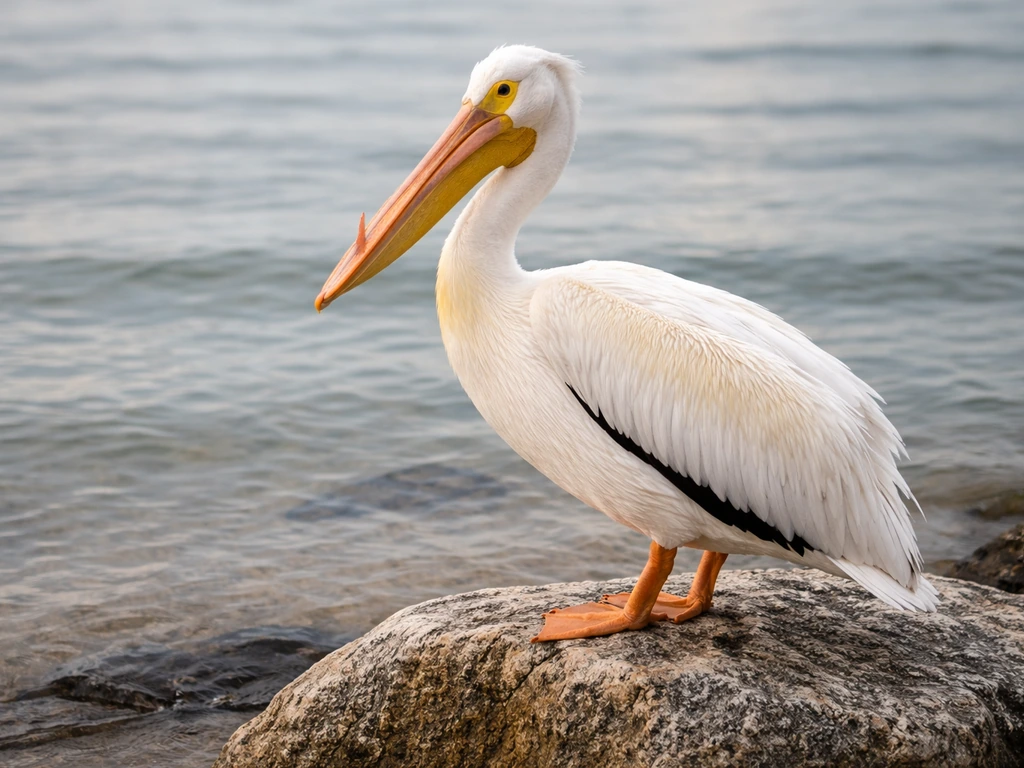
Is a Pelican a Bird? Clear Answer and What Makes It One
Yes, a pelican is a bird (Aves). Learn bird traits and why pelicans are not raptors despite fish diet.
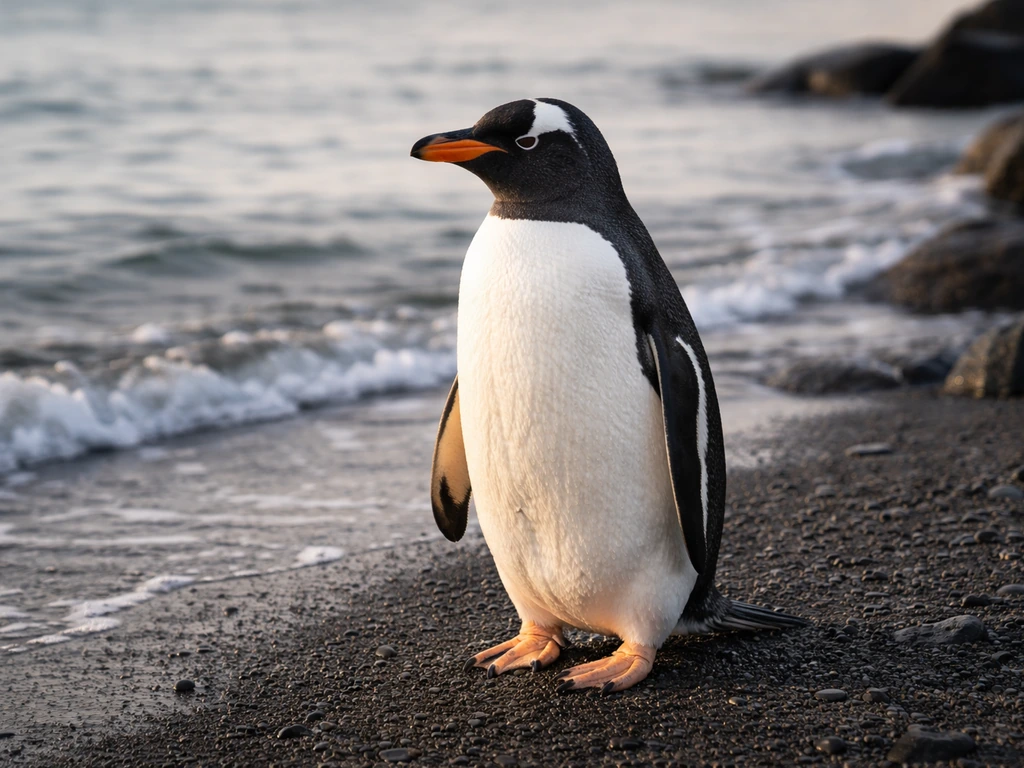
Penguin is Bird or Animal? The Simple Answer and Why
Penguins are birds, explained simply with traits like feathers, warm-blooded bodies, beaks, and egg-laying.
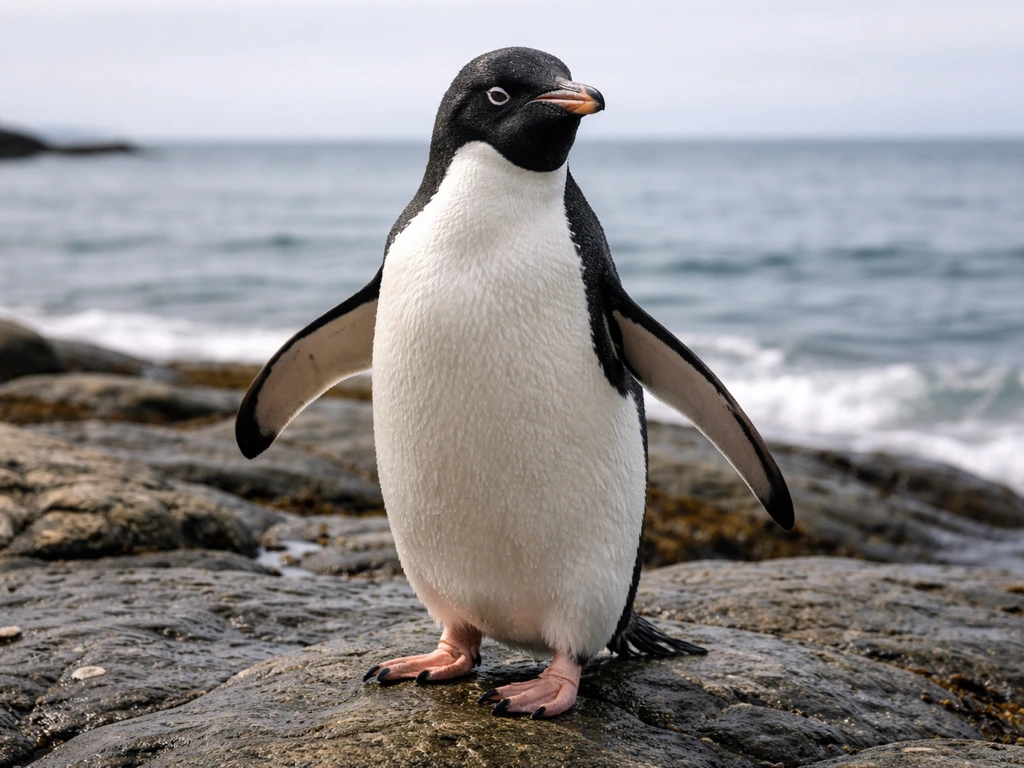
Is a Penguin a Fish or a Bird? Quick, Clear Answer
Penguins are birds, not fish or mammals, explained with feathers, wings, eggs, and the traits that fish lack.