A penguin is both a bird and an animal. If you want a quick takeaway, penguins are birds because of the physical classification traits they have, not because of whether they fly. Those two categories are not opposites. Birds are a type of animal, so when you confirm a penguin is a bird, you've also confirmed it's an animal. To be more specific: penguins are flightless marine birds that belong to the order Sphenisciformes and the family Spheniscidae. Every major scientific institution, from Britannica to the Smithsonian to PBS, classifies them as birds, full stop.
Penguin is Bird or Animal? The Simple Answer and Why

Sarah Chen
27 Apr 2026
Why penguins are animals AND birds at the same time
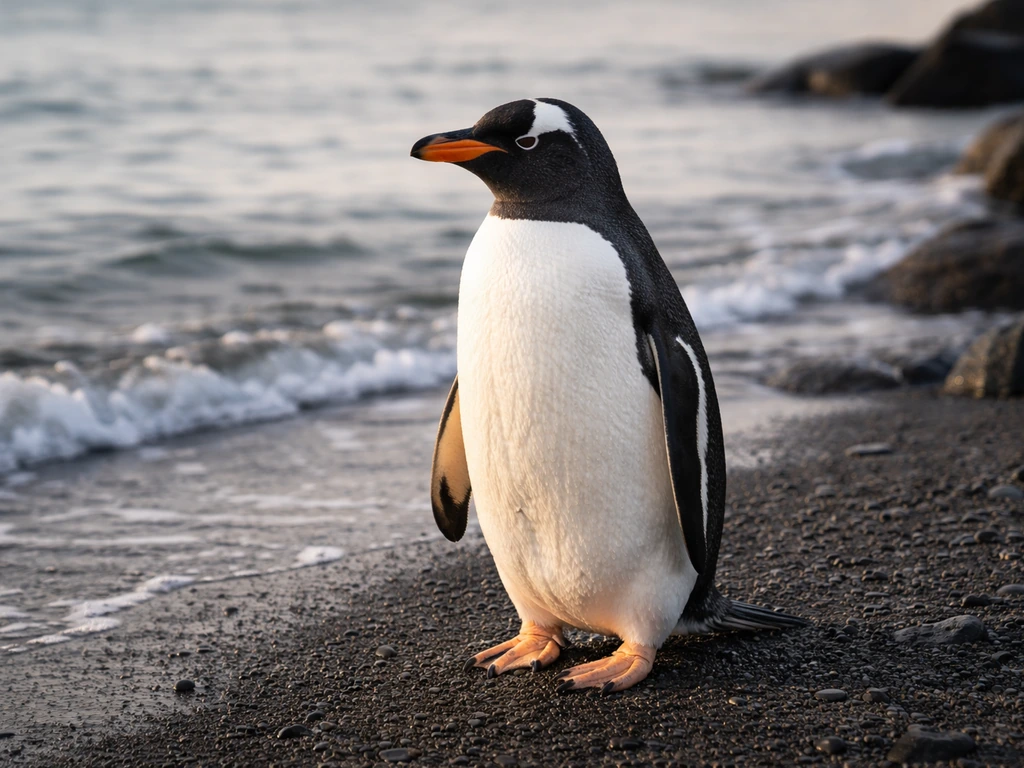
The confusion usually comes from thinking "bird" and "animal" are two separate buckets. They're not. "Animal" is the broad kingdom (Animalia), which includes every multicellular, heterotrophic organism that isn't a plant, fungus, or microbe. That means insects, fish, mammals, reptiles, and yes, birds all sit inside the animal kingdom. A bird is a specific class (Aves) within that larger animal kingdom, the same way a dog is a mammal and a mammal is an animal. So asking "is a penguin a bird or an animal" is a bit like asking "is a poodle a dog or an animal." It's both, because one is a subset of the other.
Where it gets genuinely interesting is when people want to know whether penguins are birds or mammals (since they're warm-blooded and live near the sea like seals). It can also help to remember that mammals are defined by having mammary glands and feeding milk to their young birds or mammals. That's a fair question, and the classification traits answer it quickly and clearly.
The bird traits penguins actually have
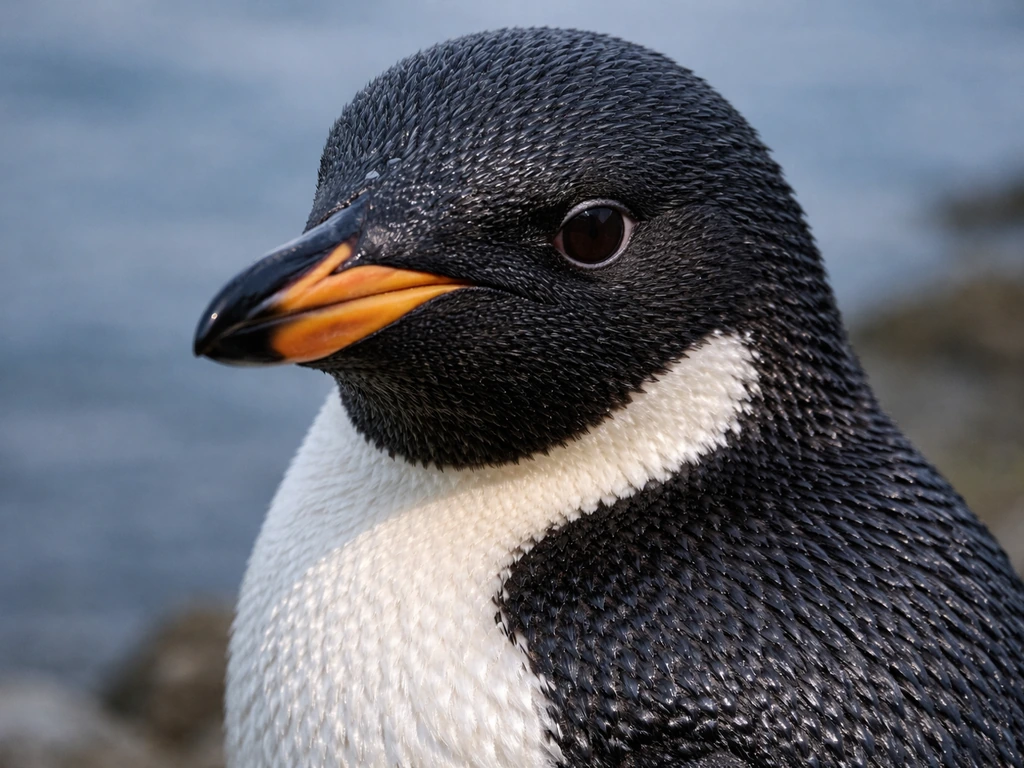
Penguins check every box on the bird diagnostic list. The Smithsonian identifies three key traits that define birds: feathers, hollow bones, and hard-shelled eggs. Penguins have all three. On top of that, they're warm-blooded (endothermic), meaning they regulate their own body temperature internally, and they have beaks instead of teeth or snouts. Their feathers aren't fluffy and colorful like a parrot's, but they're densely packed, waterproof feathers that trap air close to the body and keep the penguin insulated in freezing Antarctic water.
- Feathers: tightly packed, waterproof, insulating feathers covering the entire body
- Hollow bones: lighter skeleton consistent with the bird body plan (though penguin bones are denser than most birds, an adaptation for diving)
- Hard-shelled eggs: penguins lay eggs and incubate them, never giving birth to live young
- Beak: a proper bill, not a snout, teeth, or jaw
- Warm-blooded: internally regulated body temperature, not dependent on external heat
- Wings: structurally present, even though they've evolved into flippers
That last point is worth emphasizing. Penguins still have wings. They're not arm-like limbs or fins; they are anatomically wings that evolved into flat, stiff flippers over millions of years. National Geographic notes that penguin bones thickened and wing structure shifted as diving became more advantageous than flight. But the underlying bird anatomy is still there.
Why penguins don't feel like birds
Most people picture a bird as something that flies, sings in a tree, or looks like a robin. Penguins torpedo through the water at up to 15 mph, stand upright, have black-and-white coloring, and live in some of the coldest places on Earth. That's a jarring mental mismatch. Here's what's actually going on with each "un-bird-like" trait:
- They can't fly. Flight is not a requirement for being a bird. Ostriches, emus, and kiwis can't fly either, and nobody seriously argues they're not birds. The ability to fly is a common bird feature, not a defining one.
- They swim instead of perching. Britannica describes penguins as adapted for rapid locomotion in water, with wings that propel them underwater. They essentially "fly" through the ocean. The wing function changed; the classification didn't.
- Their shape looks more like a torpedo than a sparrow. That body shape is an evolutionary adaptation for diving and swimming efficiency, not a sign of a different species type.
- They live in the Southern Hemisphere, often far from what we picture as "bird territory." Geography has nothing to do with biological classification.
- The word "penguin" was originally used for a completely different bird. The Smithsonian notes that the great auk (family Alcidae, now extinct) was the first bird called a "penguin" and is not related to modern penguins. This historical naming confusion may have seeped into popular perception.
Where penguins actually sit in the animal family tree
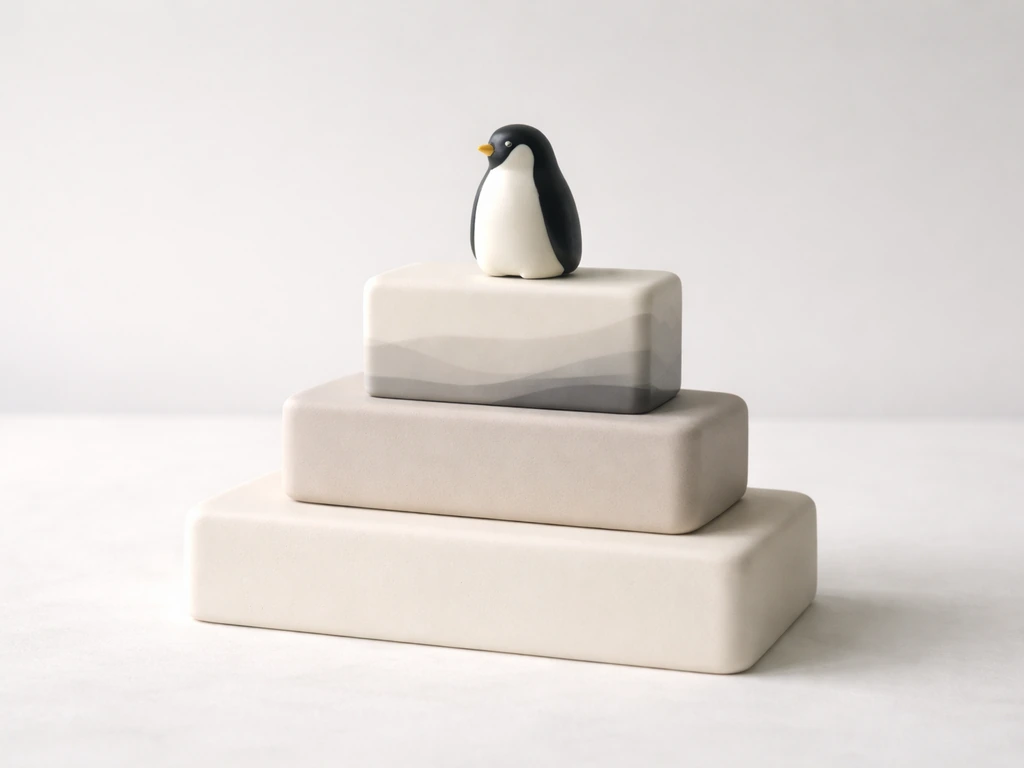
If you want the formal classification, here it is laid out cleanly. Penguins sit within the bird class (Aves) under their own dedicated order and family, which no other living bird shares.
| Taxonomic Rank | Penguin Classification |
|---|---|
| Kingdom | Animalia (all animals) |
| Phylum | Chordata (vertebrates) |
| Class | Aves (all birds) |
| Order | Sphenisciformes (penguins only) |
| Family | Spheniscidae (penguins only) |
| Species count | 17 to 19 species (depending on classification system) |
Notice that "Animalia" is right at the top. That's the reminder that being a bird doesn't exclude penguins from being animals. It's a hierarchy, not a choice between two options. The same table structure would apply to a sparrow, an eagle, or an ostrich.
How to quickly classify other confusing animals
Penguins are one of the most commonly misclassified animals, but they're not alone. Bats look like they might be birds (they fly and have wings). Dolphins live in the ocean like fish. Pelicans and other water birds sometimes get lumped in with "fish" or "sea creatures" in casual conversation. Pelicans are also water birds, but they are still birds with feathers, beaks, and eggs. A simple trait checklist cuts through all of that fast.
Use these four questions to classify any animal as a bird or not a bird:
- Does it have feathers? Only birds have feathers. No other animal group has them. If yes, it's a bird.
- Does it have a beak (bill) and no teeth? Most birds fit this description. Combine with feathers for a strong confirmation.
- Does it lay hard-shelled eggs? Birds do. Mammals (except platypuses and echidnas) don't. Reptiles lay eggs too, but without feathers, they're not birds.
- Is it warm-blooded with hollow bones? This is the tiebreaker for edge cases.
Run a bat through that list: no feathers (it has fur), gives birth to live young, and is warm-blooded. Result: mammal, not a bird. Run a penguin through it: feathers (yes), beak (yes), hard-shelled eggs (yes), warm-blooded (yes). Result: bird, every time.
The same logic applies if you're wondering about other animals that spark similar questions. Pelicans are straightforward birds with beaks, feathers, and eggs. Impalas are mammals. To compare the categories clearly, remember that an impala is a mammal, not a bird, insect, or fish. Fish are cold-blooded vertebrates with scales and gills, no feathers, no eggs with hard shells. If you are wondering whether a penguin is a fish, the short answer is no, because fish are cold-blooded animals with scales and gills Fish are cold-blooded vertebrates with scales and gills. Once you anchor classification in physical traits rather than behavior or habitat, the confusion disappears quickly.
The bottom line
Penguins are birds. They are also animals, because birds are animals. The fact that they can't fly, swim like fish, and live on ice doesn't change their biological classification one bit. What makes a penguin a bird is what it's made of and how it reproduces: feathers, a beak, hollow bones, hard-shelled eggs, and warm-blooded physiology. Those traits place penguins firmly inside class Aves, order Sphenisciformes, end of discussion. If someone tells you penguins aren't real birds because they can't fly, you now have everything you need to explain exactly why that's wrong.
FAQ
If a penguin cannot fly, does that make it not a bird?
No. Flying is not the defining requirement for being a bird. The key indicators are biological traits like feathers, a beak, hollow bones, and reproduction with hard-shelled eggs.
What is the difference between “animal” and “bird” in classification terms?
“Animal” refers to a broad kingdom (Animalia). “Bird” refers to a specific class (Aves). So every bird is an animal, but not every animal is a bird.
Are penguins mammals because they are warm-blooded?
Warm-blooded animals are not automatically mammals. Penguins are endothermic like mammals, but they have feathers and lay hard-shelled eggs, which are bird traits, not mammal traits.
Do penguins have feathers that work for insulation if they are waterproof?
Yes. Penguin feathers are densely packed and help trap air close to the body, improving insulation even in freezing water. Waterproofing is a practical advantage, but the feather structure is what makes them birds.
How can I tell a bird from a fish, since penguins swim?
Swimming does not determine the category. Use the checklist: fish are cold-blooded and typically have scales and gills, while penguins are warm-blooded, have feathers and a beak, and lay hard-shelled eggs.
Are penguins reptiles or amphibians because of their habitats?
No. Habitat does not control classification. Penguins have bird traits like feathers and eggs, while reptiles and amphibians have different defining features related to skin and reproduction.
Do baby penguins prove they are birds or animals?
Yes. Birds do not nurse newborns with mammary glands and milk. Instead, penguins feed their young using bird-typical parental care, consistent with being birds within the animal kingdom.
Why do people sometimes mix up penguins with “sea creatures” or “fish”?
Because penguins live in the ocean and look fish-like while swimming. Classification is based on physical and reproductive traits, not where they live or how they move.
If someone says “penguins are not real birds,” what quick fact should I use?
Point to feathers plus hard-shelled eggs. A bird is defined by traits tied to anatomy and reproduction, not by whether it flies.
How would the same logic apply to other confusing animals, like bats?
Bats are warm-blooded and fly, but they have fur and give birth to live young rather than laying hard-shelled eggs. That means they are mammals, not birds.
Next Articles
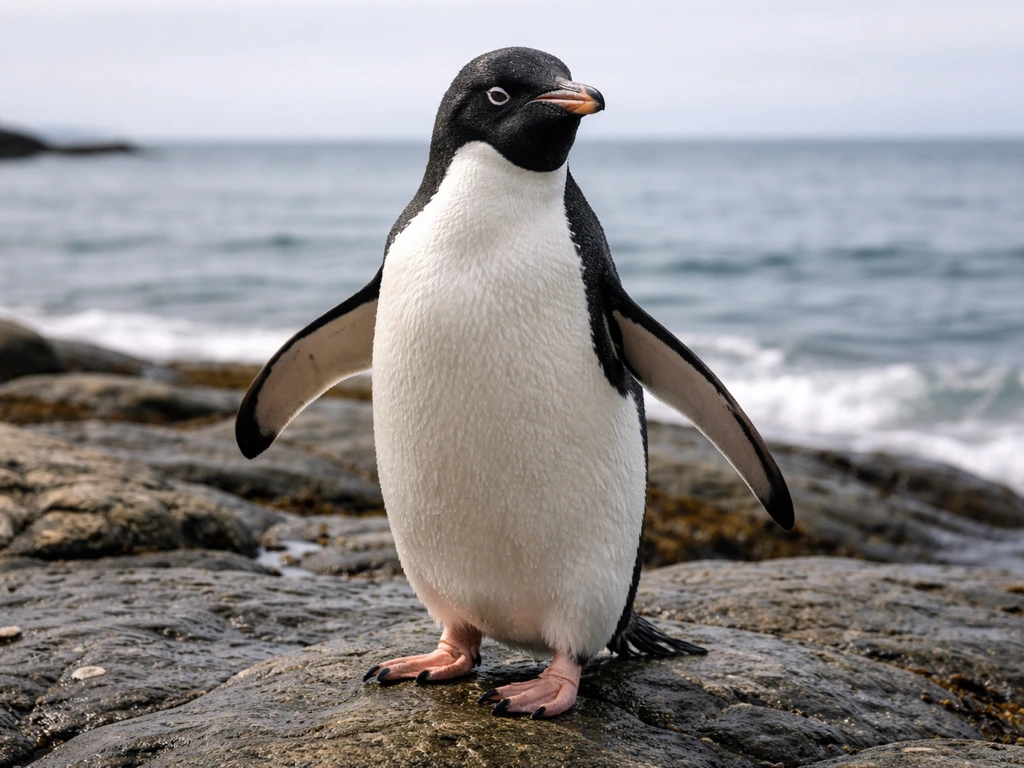
Is a Penguin a Fish or a Bird? Quick, Clear Answer
Penguins are birds, not fish or mammals, explained with feathers, wings, eggs, and the traits that fish lack.
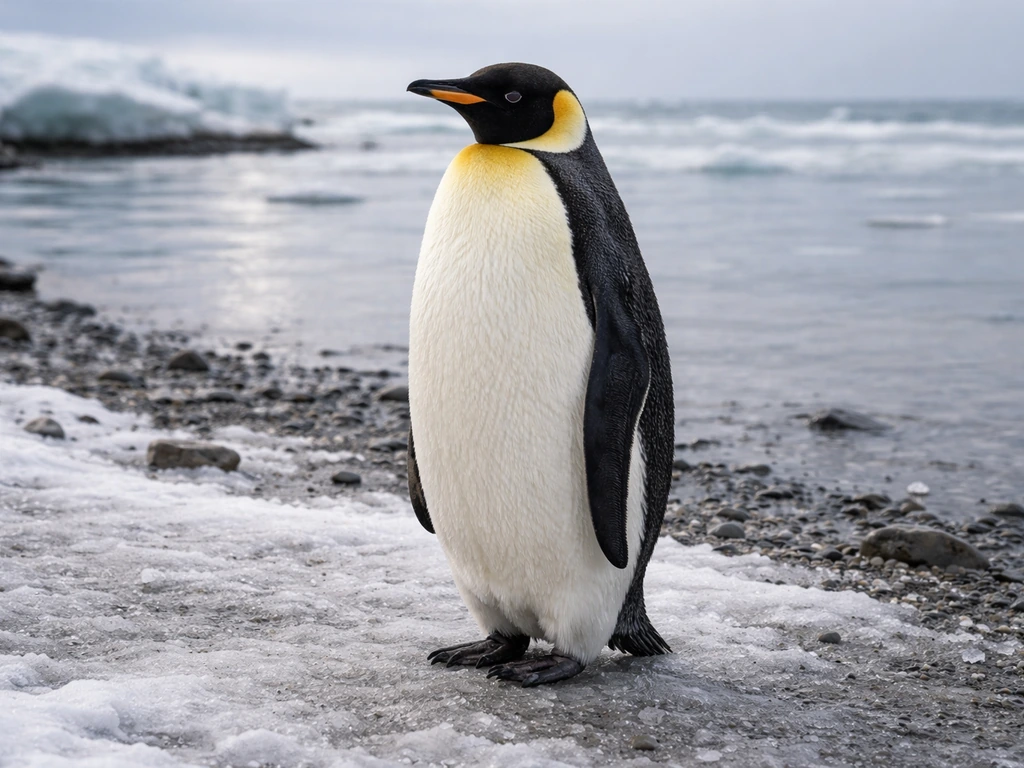
Why Is a Penguin a Bird? What Makes It a Bird
Learn why penguins are birds, not fish, using key traits like feathers, warm-bloodedness, and reproduction.
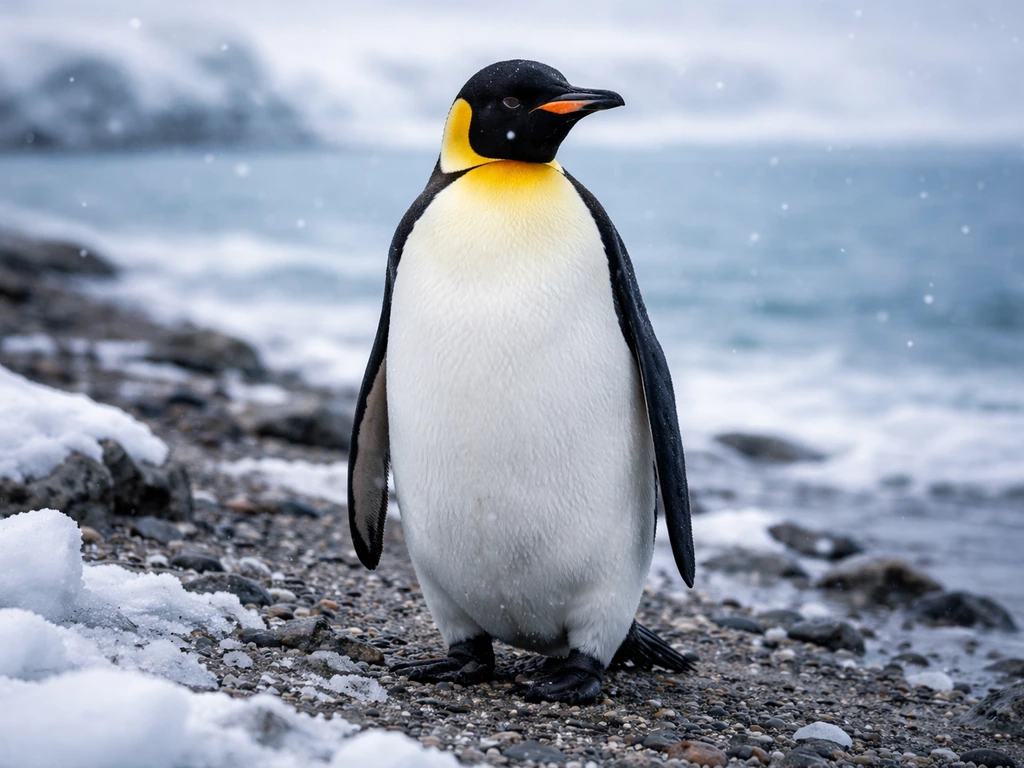
Are Penguins a Bird or a Mammal? Quick Taxonomy Check
Penguins are birds, not mammals. Learn the traits that define birds and a quick checklist to classify other animals.