Quick answer: penguin is a bird, not a mammal
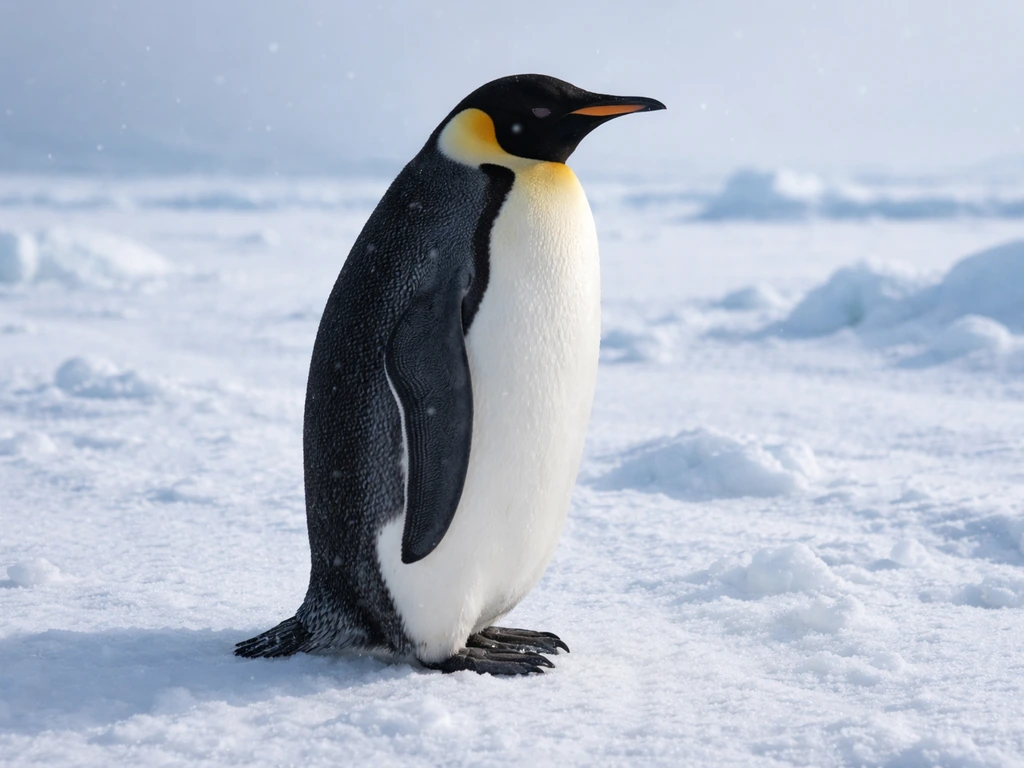
Penguins are birds. Full stop. They belong to class Aves, the same biological class as robins, eagles, and ostriches, and they share every core trait that defines a bird: feathers, a toothless beak, hard-shelled eggs, a four-chambered heart, and warm-blooded (endothermic) metabolism. The confusion is understandable because penguins can't fly, they swim like fish, and they spend most of their lives in the ocean.
National Geographic describes birds as vertebrate animals adapted for flight, and notes that some birds such as penguins have lost the ability to fly while retaining their wings penguins can't fly, they swim like fish. But none of that changes their classification.
Whether you're asking if a penguin is a bird or animal, the answer is the same: it's an animal, specifically a bird.
What actually makes something a bird
Before we dig into penguins specifically, it helps to know exactly what biologists look for when they classify an animal as a bird. Classification isn't about whether an animal flies or lives on land. It's about a specific set of biological traits that all birds share, regardless of lifestyle. Here are the core ones:
- Feathers: the single most definitive bird trait, found in no other living animal group
- A toothless beak or bill made of keratin (the same protein as your fingernails)
- Hard-shelled amniotic eggs laid outside the body
- Endothermy: the ability to generate and regulate internal body heat
- A four-chambered heart (shared with mammals, but combined with feathers and egg-laying, it's part of the bird package)
- Hollow bones that reduce body weight (an adaptation most birds carry even if they don't fly)
If an animal checks these boxes, it's a bird under class Aves. If it instead has mammary glands that produce milk for young, it's a mammal. Those two features (feathers + egg-laying versus mammary glands + live birth) are the clearest dividing line between the two groups. Penguins land squarely on the bird side of that line.
Why penguins fit the bird category perfectly
People sometimes ask why a penguin is classified as a bird when it behaves so differently from most birds we picture. The answer is that behavior doesn't determine taxonomy, biology does, and penguin biology is undeniably avian (bird-like) in every measurable way.
Feathers, not fur
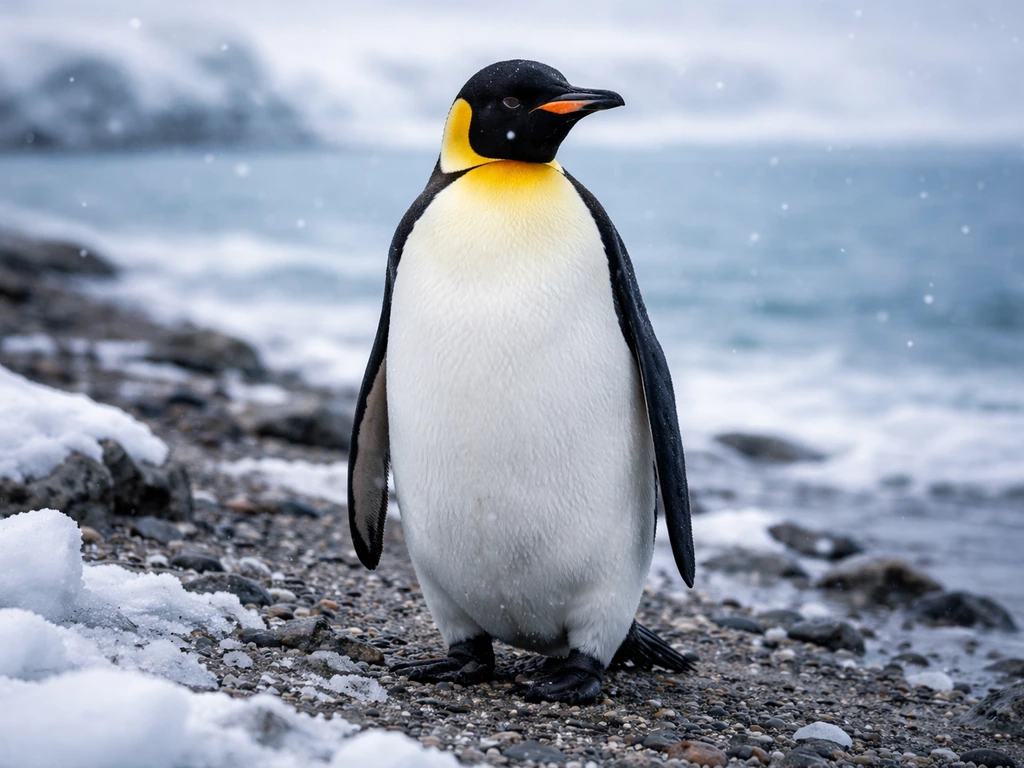
Penguins are covered in feathers, not fur or hair. Their feathers are short, dense, and tightly packed, which is an adaptation for waterproofing and insulation in cold water rather than for flight. Mammals have hair or fur. Penguins don't. That single fact alone is a strong indicator of their bird status.
They lay eggs and incubate them
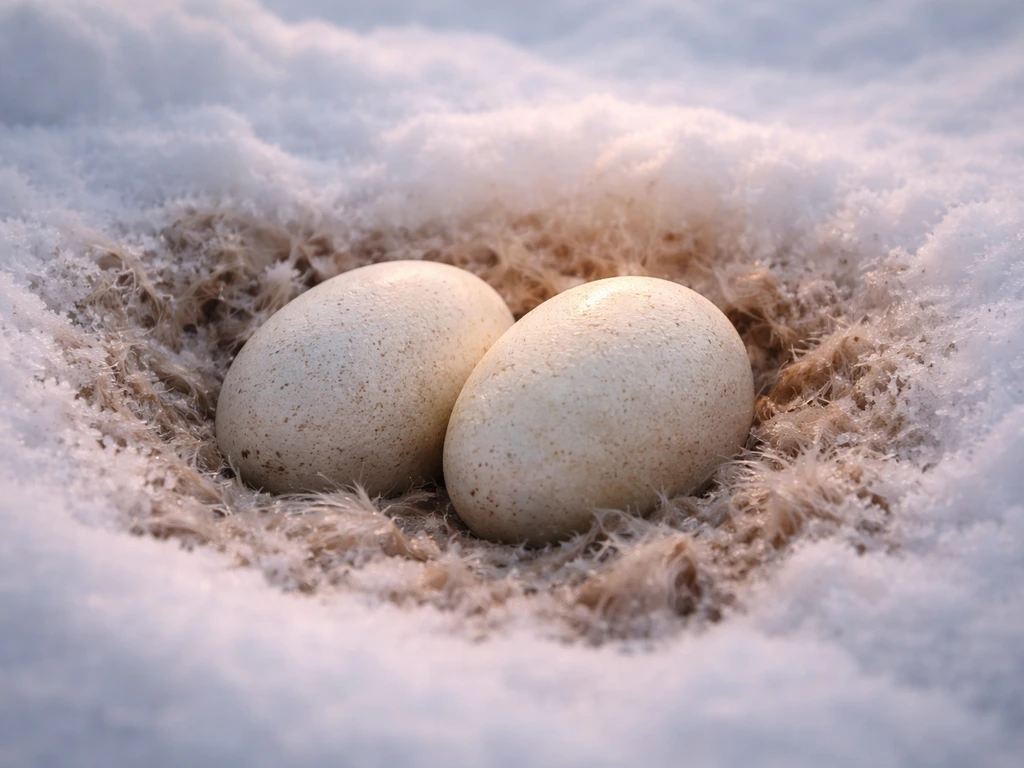
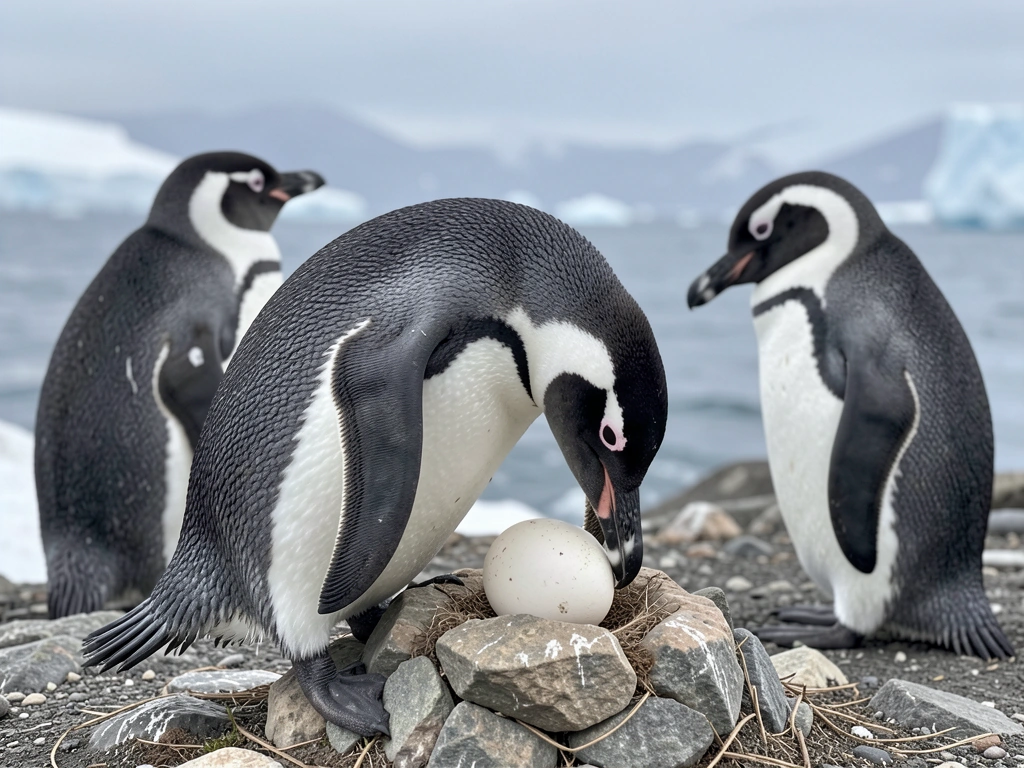
Penguins reproduce exactly the way birds do: they lay hard-shelled eggs and incubate them outside the body. In all penguin species except the emperor penguin, egg incubation is performed by both sexes, according to Britannica's natural history section egg incubation is performed by both sexes in all species except the emperor penguin.
Emperor penguin eggs are incubated for around 66 days, while Adélie penguin eggs take about 40 days. One of the most well-known behaviors in the animal kingdom, the male emperor penguin balancing an egg on his feet while the female forages at sea, is classic bird-style parental incubation.
A penguin is a bird, and you can tell because it lays eggs and warms them in a featherless brood pouch rather than carrying young internally or nursing them with milk the way mammals do.
Warm-blooded with a four-chambered heart
Penguins are endothermic, meaning they generate their own internal body heat, just like all birds (and mammals). They have a four-chambered heart that efficiently separates oxygenated and deoxygenated blood, which is a bird trait. Their high metabolic rate lets them thrive in freezing Antarctic temperatures without needing to hibernate. None of this is mammal-exclusive, but combined with feathers and egg-laying, it confirms their place in class Aves.
A beak, not teeth
Penguins have a beak. It's pointed and hooked to grip slippery fish, but it's still a toothless, keratin-based beak, which is a defining bird feature. No modern bird has teeth. Penguins fit that rule exactly.
Where the mammal confusion comes from
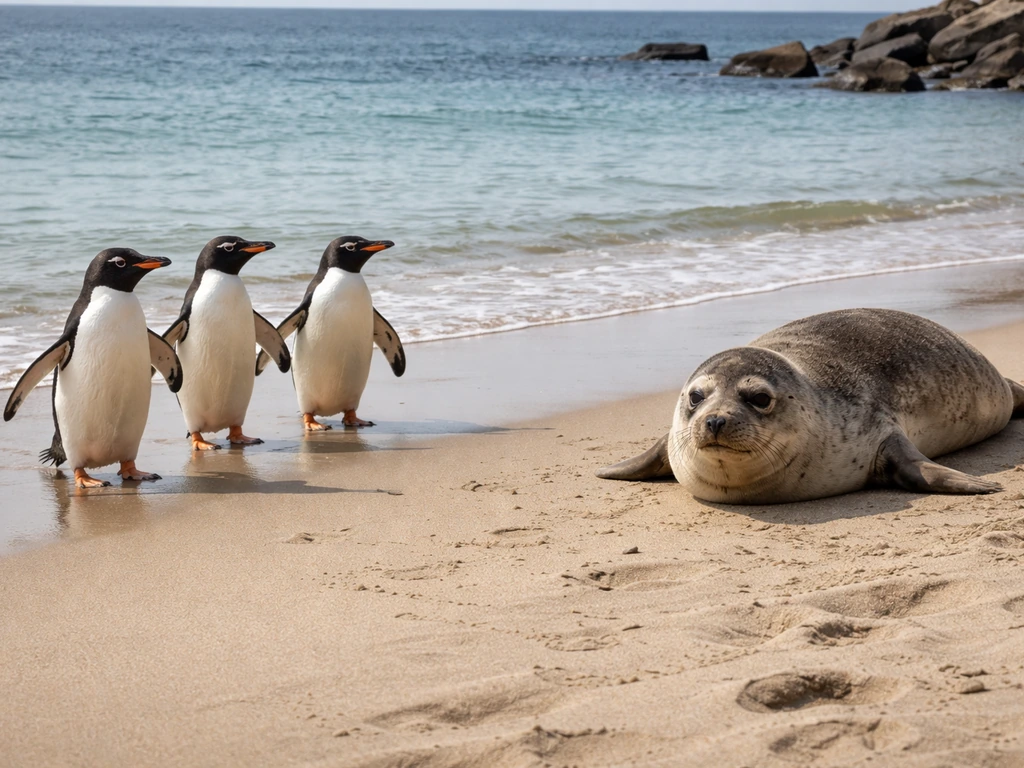
It's genuinely easy to see why someone might second-guess themselves on this. Penguins don't fly. They spend enormous amounts of time in the water. They waddle on land instead of hopping or soaring. They share some surface-level similarities with marine mammals like seals and sea lions: they're sleek, they swim in cold oceans, they live in colonies, and they're warm-blooded. That visual overlap is what trips people up. Impala are mammals, not birds, insects, or fish.
But here's the key biological difference: mammals nurse their young with milk produced by mammary glands, and most give birth to live young. Penguins do neither. They lay eggs, incubate them, and feed chicks regurgitated food. There are no mammary glands, no milk, and no live birth. Flightlessness also isn't a mammal trait. Penguins are birds in the same category as ostriches and kiwis, both of which also can't fly but are unambiguously birds.
The same kind of confusion comes up with other animals. Bats, for example, fly and are often mistaken for birds, but bats are mammals: they have fur, give birth to live young, and nurse with milk. Pterosaurs (the flying reptiles from the age of dinosaurs) flew like birds but were neither birds nor mammals. Whether you're debating if a penguin is a fish or a bird, or trying to sort out bats and pterosaurs, the method is the same: look at the biological traits, not the behavior or habitat.
Pelicans are another bird that lives on water and can confuse people because of their aquatic lifestyle. If you've ever wondered whether a pelican is a bird, the answer follows the same logic: feathers, beak, eggs, class Aves. And for that matter, pelicans count as water birds for the same reason penguins do, both are classified as birds that happen to live near or in water. Similarly, if you've ever puzzled over an animal like an impala and found yourself wondering whether an impala is a mammal, bird, insect, or fish, the same trait-checklist approach cuts through the confusion instantly: hooves, fur, live birth, mammary glands, that's a mammal.
Where penguins sit in the animal kingdom
Taxonomically (the formal system biologists use to classify life), penguins are placed in the order Sphenisciformes within class Aves. The family Spheniscidae contains all 18 living penguin species. Here's the hierarchy at a glance:
| Taxonomic level | Penguin classification |
|---|
| Kingdom | Animalia (animals) |
| Phylum | Chordata (vertebrates) |
| Class | Aves (birds) |
| Order | Sphenisciformes (penguins) |
| Family | Spheniscidae |
| Number of living species | 18 |
This classification is used by the U.S. Fish and Wildlife Service, the Smithsonian Institution, and every major zoological database. Penguins have been in class Aves since the formal classification system was established, and no new research has suggested reclassifying them. They are unambiguously birds at every level of scientific taxonomy.
Bird vs. mammal: a quick side-by-side
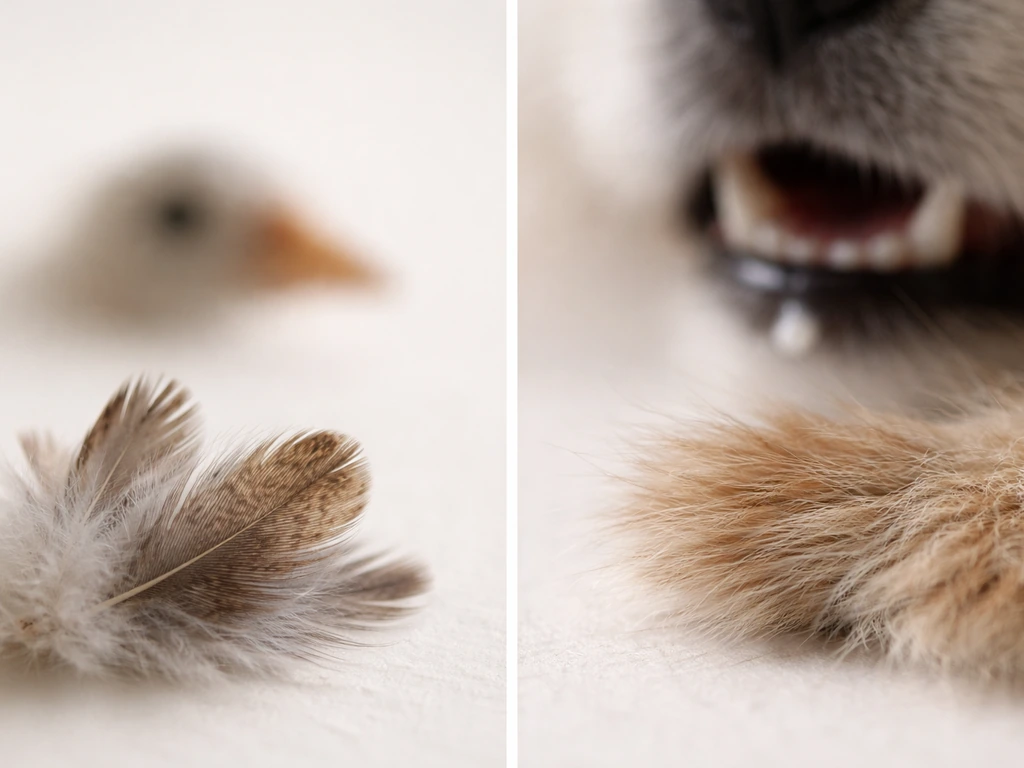
Here's a direct comparison of the defining traits, and where penguins land on each one:
| Trait | Birds (class Aves) | Mammals | Penguin |
|---|
| Body covering | Feathers | Hair or fur | Feathers (bird) |
| Reproduction | Hard-shelled eggs laid externally | Mostly live birth (exceptions: monotremes) | Lays hard-shelled eggs (bird) |
| Young fed by | Regurgitated food or direct foraging | Milk from mammary glands | Regurgitated food (bird) |
| Body temperature | Endothermic (warm-blooded) | Endothermic (warm-blooded) | Warm-blooded (shared) |
| Heart structure | Four-chambered | Four-chambered | Four-chambered (shared) |
| Teeth | None (beak) | Most have teeth | None, has beak (bird) |
| Can fly? | Most, but not all | No (bats glide/fly but are still mammals) | No, but still a bird |
Every trait where penguins differ from mammals aligns with the bird column. The traits they share (warm blood, four-chambered heart) are common to both groups and don't tip the scale either way. The decisive traits, feathers, eggs, beak, no mammary glands, all point to bird.
How to verify similar cases yourself
If you ever find yourself wondering about another animal's classification, the same checklist works every time. You don't need to memorize Latin taxonomy. Just ask these questions in order:
- Does it have feathers? If yes, it's almost certainly a bird. No other living animal group has feathers.
- Does it have a toothless beak made of keratin? Another strong bird indicator.
- Does it lay hard-shelled eggs incubated outside the body? Bird reproduction pattern.
- Does it have mammary glands and nurse young with milk? That's a mammal, regardless of whether it flies (bats), swims (dolphins), or lays eggs (platypus, which is a mammal exception).
- Is it warm-blooded? That alone doesn't help much since both birds and mammals are warm-blooded. Go back to feathers and eggs.
- Check the taxonomic class: class Aves means bird, class Mammalia means mammal.
Penguins pass the bird checklist on every point and fail every mammal criterion. That's the clearest way to confirm it: run the checklist, and the answer is obvious. The same method works for ostriches, kiwis, cassowaries, or any other animal that doesn't fit the stereotypical bird image. Flightless, aquatic, tropical, or Arctic, if it has feathers and lays hard-shelled eggs, it's a bird.