Yes, a finch is a bird. Specifically, finches are small birds in the order Passeriformes (the perching birds) and the family Fringillidae (the true finches). There is no ambiguity here: finches have every defining trait of a bird, they fit cleanly into the bird family tree, and they are about as far from a borderline case as it gets.
Is a Finch a Bird? Yes, Here’s Why It Counts

Sarah Chen
24 May 2026
Are finches birds? The direct answer
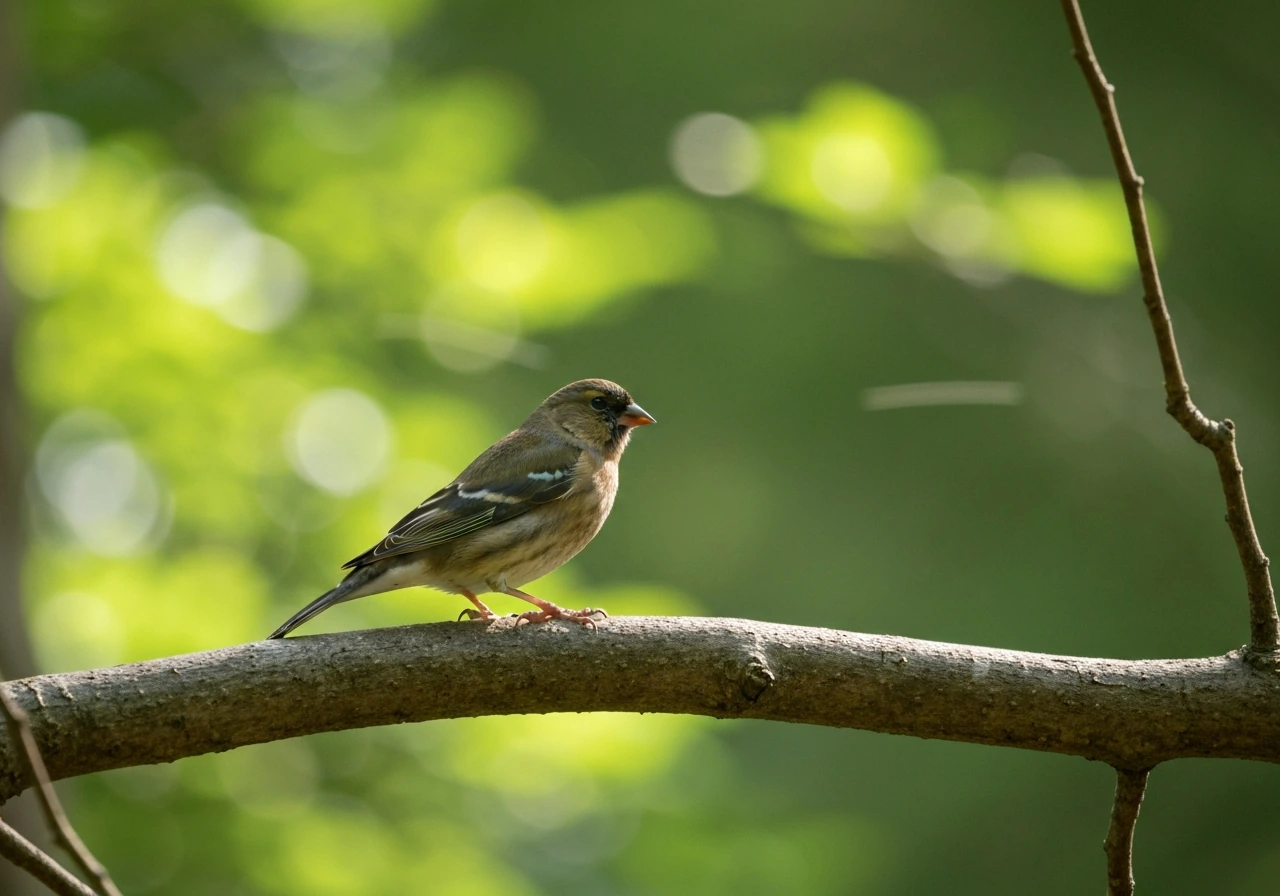
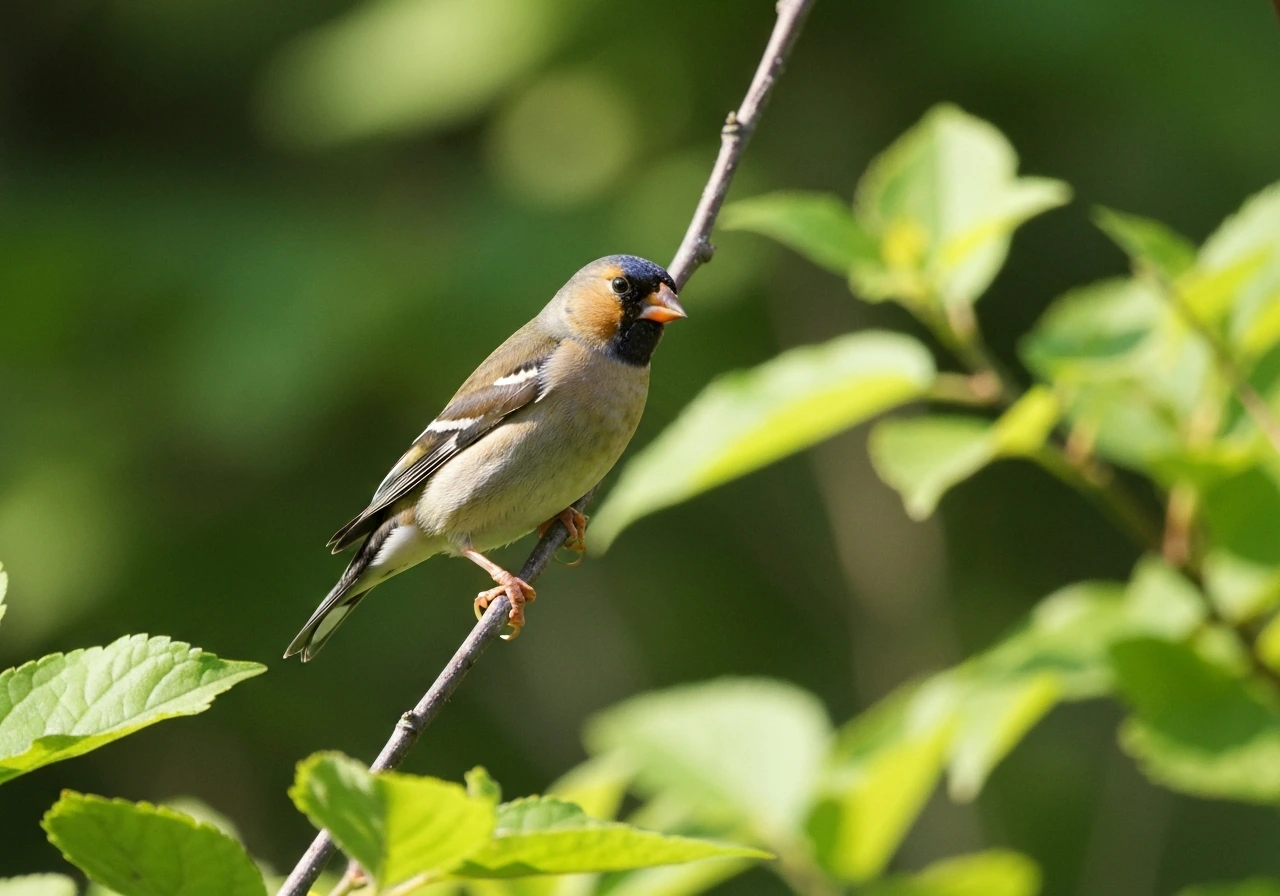
The National Park Service describes finches simply as "small birds" and places them under Order Passeriformes, Family Fringillidae. That is the accepted scientific consensus, and it has not changed. If you have seen a small, seed-cracking bird at a feeder with a stout beak and short wings, you have almost certainly been looking at a finch. It is a bird in every biological sense of the word.
Finches are not an edge case the way penguins or ostriches sometimes confuse people (those are birds too, but the questions are understandable given they do not fly or look stereotypically bird-like). Finches look like birds, act like birds, and are classified as birds. The question is completely reasonable to ask, but the answer is straightforward.
What makes an animal a bird in the first place
Birds belong to the class Aves, which is the formal biological grouping for all living birds. What puts an animal in that group comes down to a handful of defining traits that no other living animal group shares all at once. The Smithsonian National Museum of Natural History sums it up cleanly: birds are distinguished from other living vertebrates by feathers, hollow bones, and hard-shelled eggs. Bird feathers and scales are made of the same basic material, which is why they are often discussed together. The San Diego Zoo adds that birds are endothermic (warm-blooded) and are the only animals on Earth that have feathers.
- Feathers: every modern bird has them; no other living animal does. Feathers are made of beta-keratin and have a complex structure of barbs and barbules that lock together into a functional surface.
- Hollow bones: lightweight yet strong, an adaptation that makes flight efficient in most species.
- Hard-shelled eggs: birds reproduce by laying eggs with firm, waterproof shells.
- Warm-blooded (endothermic): birds regulate their own body temperature internally.
- Beak with no teeth: modern birds have a keratinous beak rather than teeth, which is useful for quick identification.
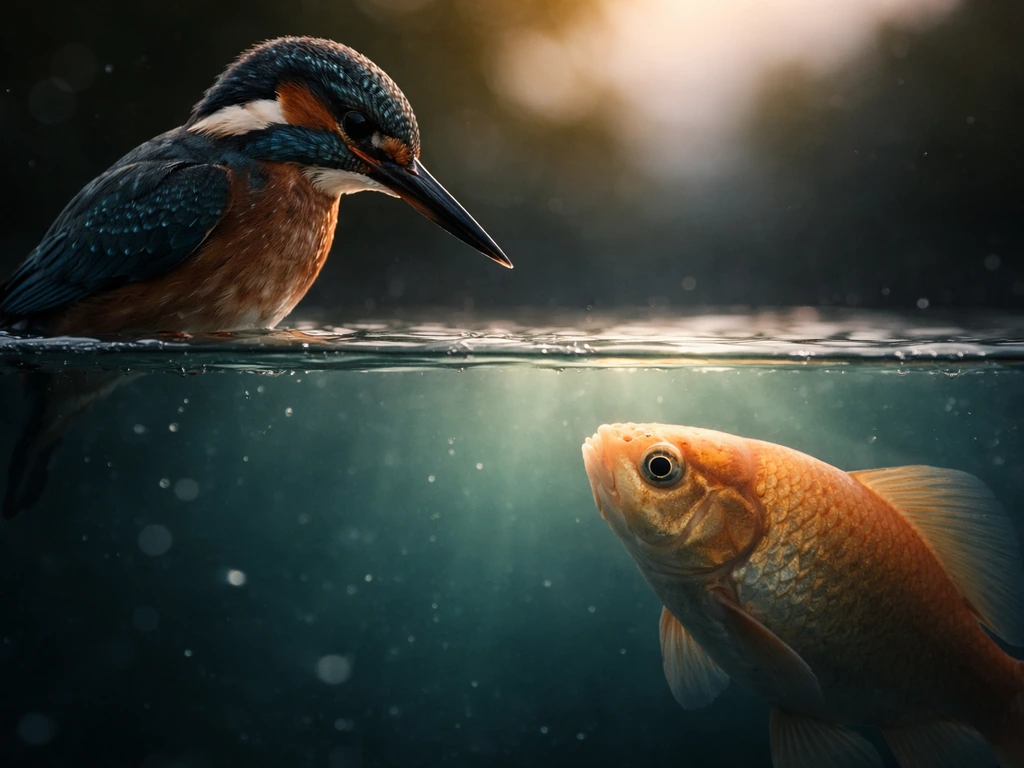
The feather criterion alone does most of the heavy lifting. As the Australian Museum puts it, feathers make it quite difficult to confuse a bird with anything else alive today. No mammal, reptile, fish, or insect has feathers. If an animal has feathers, it is a bird, full stop. A similar idea applies outside birds too: fish are to ocean as bird is to sky, as long as you focus on the key relationship being compared.
Where finches sit in the bird family tree
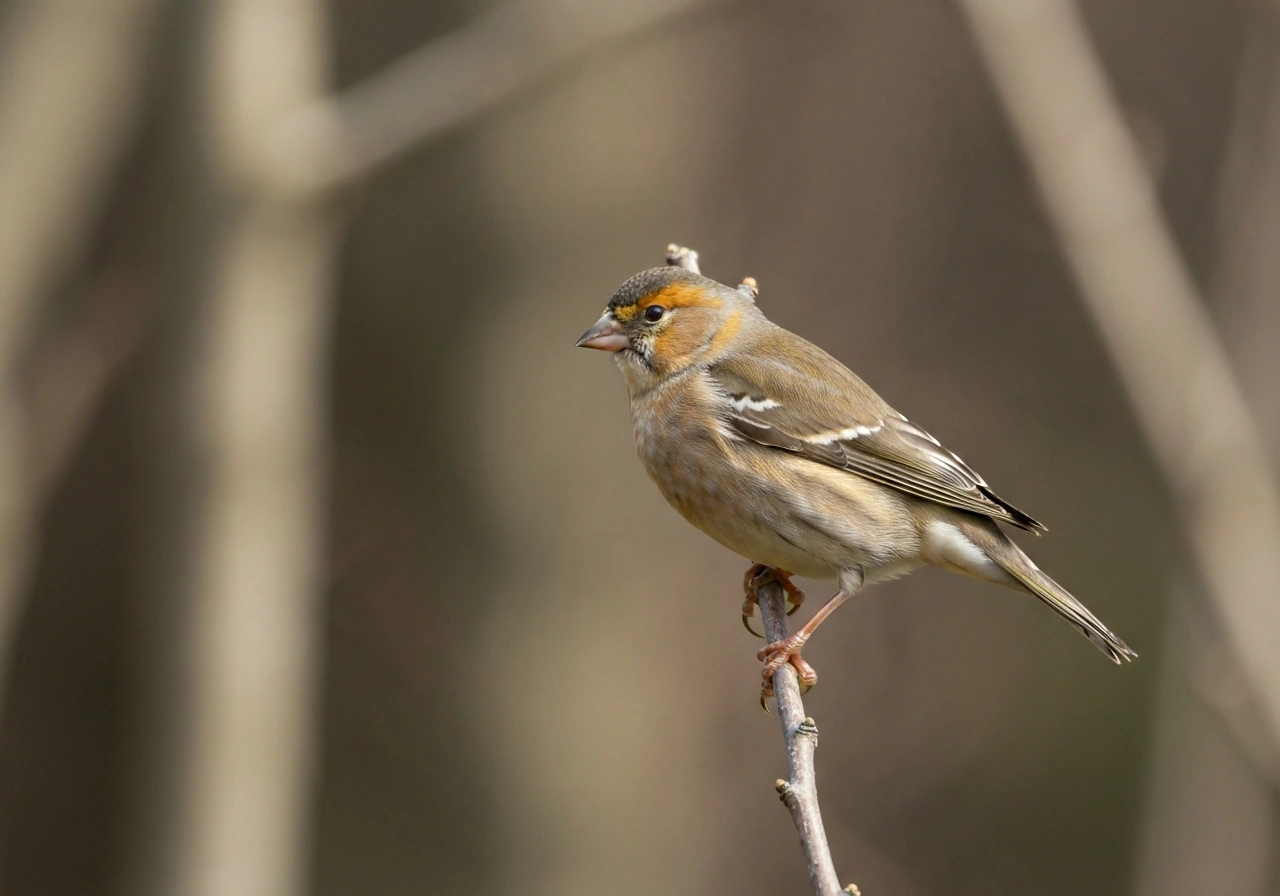
Understanding exactly where finches fit in bird taxonomy helps lock in why they are so clearly birds. Here is the hierarchy, from broad to specific:
- Class Aves: all birds, including everything from eagles to hummingbirds to finches.
- Order Passeriformes: the perching birds, or songbirds. This is the largest order of birds, containing more than half of all bird species. Passerines have a distinctive foot arrangement (three toes forward, one back) that lets them grip branches securely.
- Family Fringillidae: the true finches. This family includes well-known birds like house finches, goldfinches, and crossbills.
- Individual species: for example, the house finch (Haemorhous mexicanus) or the European goldfinch (Carduelis carduelis).
The World Bird Names taxonomy database (one of the standard references used by ornithologists) lists Fringillidae explicitly under Passeriformes, under Aves. There is no dispute in the scientific literature about this placement. Finches are birds, they are passerine birds, and within passerines they belong to the finch family.
A note on 'finch' as a common name
One small wrinkle worth knowing: the word "finch" is used loosely in common language and can refer to birds outside of Fringillidae. The zebra finch, for instance, is not a true finch in the Fringillidae family. It belongs to a separate family called Estrildidae. Both families are in the same order (Passeriformes) and both are absolutely birds, so the classification does not change the main answer at all. It just means that not every bird called a "finch" by name is in the same family. They are still all birds.
Common mix-ups: finches versus animals that are not birds
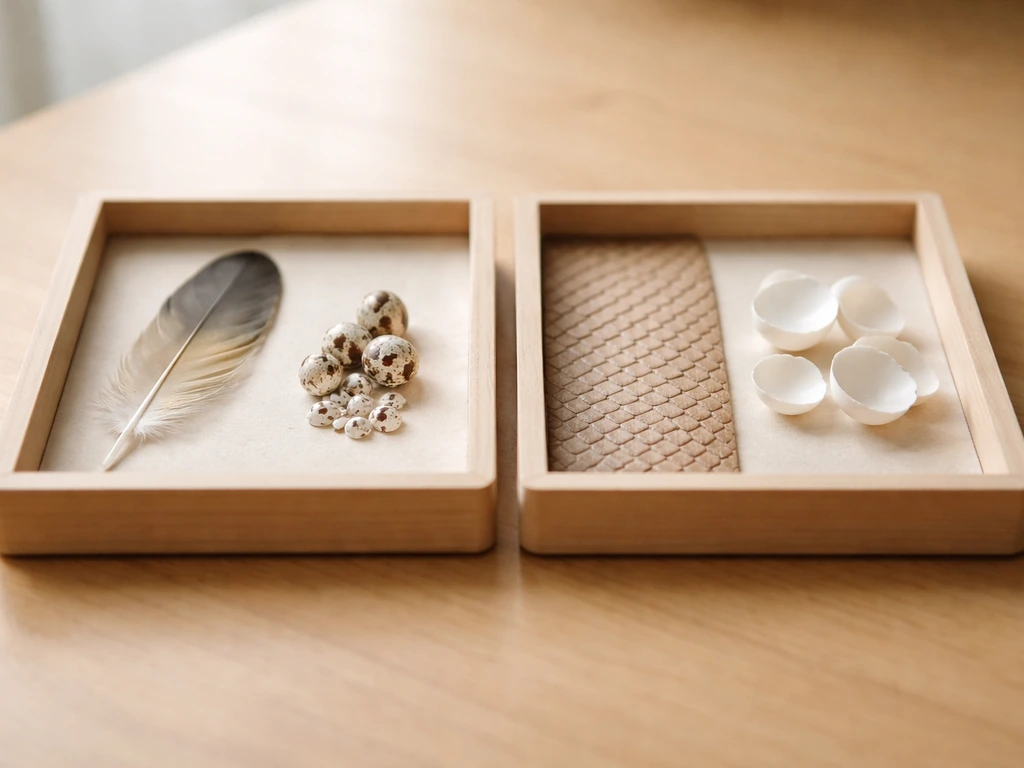
Finches are rarely confused with non-birds the way some animals are, but it is worth understanding why they are clearly birds and not something else. The most common conceptual mix-ups when people think about small, active, flying creatures involve bats and insects.
| Animal | Has feathers? | Lays hard-shelled eggs? | Warm-blooded? | Is a bird? |
|---|---|---|---|---|
| Finch (Fringillidae) | Yes | Yes | Yes | Yes |
| Bat | No (has fur; wings are skin membrane) | No (live birth) | Yes | No |
| Butterfly or moth | No (has scales on wings) | No (insect eggs) | No (cold-blooded) | No |
| Dragonfly | No (wings are exoskeleton extensions) | No | No | No |
Bats sometimes get compared to birds because they fly, but their wings are made of a thin skin membrane stretched between elongated fingers, not feathers. Bat flight uses an blank" rel="noopener noreferrer">interfemoral membrane, not feathered flight surfaces like birds, which matches Britannica’s description. They are mammals that give birth to live young. Insects like butterflies or dragonflies have wings made from extensions of their exoskeleton, and they are not vertebrates at all. A finch, by contrast, has feathers, lays hard-shelled eggs, and sits on a perch using a classic passerine foot. That bird-identity logic is helpful when you compare finches with other animals, including whether it makes sense to say a fish may love a bird. There is no realistic confusion once you know what to look for.
The animals that genuinely trip people up tend to be the borderline cases: penguins (birds that cannot fly), ostriches (birds that look almost dinosaur-like), or bats (mammals that fly). Finches are not in that category. They are small, feathered, singing, egg-laying perching birds, which is about as classically bird-like as it gets.
How to verify whether any animal is a bird
If you want a reliable method for checking whether any animal is a bird (not just finches), use this practical checklist. It works for obvious cases and for genuinely tricky ones.
- Look for feathers. Feathers are the single most reliable indicator. If an animal has feathers, it is a bird. No living non-bird has feathers. If you find a feather and want to identify the bird species it came from, the U.S. Fish and Wildlife Service Feather Atlas has an identification tool that can help.
- Check the beak. Birds have beaks made of keratin, with no teeth. Finches have a notably stout, seed-cracking beak. If an animal has a jaw with teeth, it is not a modern bird.
- Look at the feet. Most birds (including all passerines like finches) have scaled feet with clawed toes. Passerines specifically have three toes pointing forward and one pointing back, which lets them grip perches.
- Confirm it lays hard-shelled eggs. This is harder to observe directly, but it is part of the definition. Mammals either give live birth or (in the case of monotremes like platypuses) lay leathery eggs, not hard-shelled ones.
- Check its body covering. Feathers are birds, fur or hair is mammals, scales are reptiles or fish. Wings covered in tiny scales belong to moths or butterflies, not birds.
- Look up the taxonomy. If you have a name for the animal, searching for its order and family on a reference like the IOC World Bird List or World Bird Names will tell you immediately whether it sits within class Aves.
For finches specifically, step one settles it. They have feathers. Steps two through six all confirm the same conclusion. Audubon's beginner identification guidance also recommends using multiple field marks together (beak shape, wing shape, tail length, behavior) rather than relying on a single feature, which is good practice when you are less certain about an unfamiliar animal.
Understanding how to classify birds is genuinely useful beyond just identifying finches. Once you know that feathers are the non-negotiable marker for birds, you can quickly answer questions like whether a penguin is a bird (yes, it has feathers and lays hard-shelled eggs), whether a bat is a bird (no, it has fur and a skin-membrane wing), or whether a pterosaur was a bird (no, it was a flying reptile without feathers in the modern bird sense). The same logic that confirms a finch is a bird helps you work through every other case. And it is worth noting that because feathers and the structures they are made from connect birds closely to their evolutionary past, topics like what bird feathers and scales are actually made of reveal just how deep those biological roots go. The Natural History Museum explains that feathers are complex structures made from beta-keratin, with barbs and barbules forming their physical structure blank" rel="noopener noreferrer">what bird feathers and scales are actually made of.
FAQ
If I see a “finch” at a feeder, how can I be sure it is a finch and also a bird?
Start with the non-negotiable trait, feathers. If it is feathered and perching, then it is a bird. For finch level ID, look for a thick, seed-cracking beak and a compact body, then confirm with multiple field marks together (beak shape, wing posture, tail length, and feeding behavior), not just one feature.
Are all birds that are called “finch” in the same family?
No. The word “finch” is sometimes used loosely in common names. For example, zebra finch belongs to a different family than the “true finches” in Fringillidae, even though both are still birds and often share passerine traits like perching feet.
What if I never see eggs or hear the bird sing, can I still confirm it is a bird?
Yes. Egg-laying and song are helpful observations, but they are not required for bird ID in practice. Feathers are the decisive criterion, and many passerines also show characteristic perching and feathered wing structure immediately.
Can a finch be confused with a bat or an insect while flying around?
Usually not, because finches have feathers and bird-style wings. If you see a creature that has no feathers but has a membrane wing stretched between fingers, that points to a bat. If the wings look like parts of an exoskeleton, that points to an insect.
Do finches ever get mistaken for non-birds like reptiles or dinosaurs?
In everyday conversation that confusion usually comes from appearance, not actual anatomy. Modern birds are the feathered, egg-laying vertebrates classified in Aves, so the key check is still feathers, hollow-bone style skeletal traits, and behavior consistent with perching birds rather than reptile-like traits.
Is a penguin a bird, and does the same logic that applies to finches apply there too?
Yes. Penguins are birds even though they cannot fly, they have feathers and lay hard-shelled eggs. The finch question works the same way because “can it fly” is not what defines birds, feathers are.
If feathers alone confirm it is a bird, why do people argue about bird classification sometimes?
Most disagreement comes from shared superficial features (like small size or active movement) rather than the defining trait. People may latch onto behavior (or flight ability) instead of verifying feathers. Classification disputes are usually about which bird group something belongs to, not whether it is a bird at all.
What is the fastest checklist method for deciding whether something is a bird in the real world?
Use a quick sequence: check for feathers first, confirm it is a vertebrate with bird-like wing and body structure, then use supporting field marks if you want the exact species or family (beak shape, tail length, perching posture, and feeding behavior). If feathers are present, you can stop there for “is it a bird?”
What should I do if I find a sick or injured finch, does bird ID affect rescue steps?
Bird ID still matters because it changes handling and safety. If you see feathers, treat it as a bird (avoid giving it water or food unless you know species-appropriate care, and prioritize a local wildlife rehabilitator). Since finches are small passerines, they can be fragile, so gentle containment and fast professional advice are key.
Next Article
A Fish May Love a Bird Quote Meaning and Origin Check
Checks if a fish may love a bird is a real proverb, traces earliest sources, and explains its metaphor meaning.