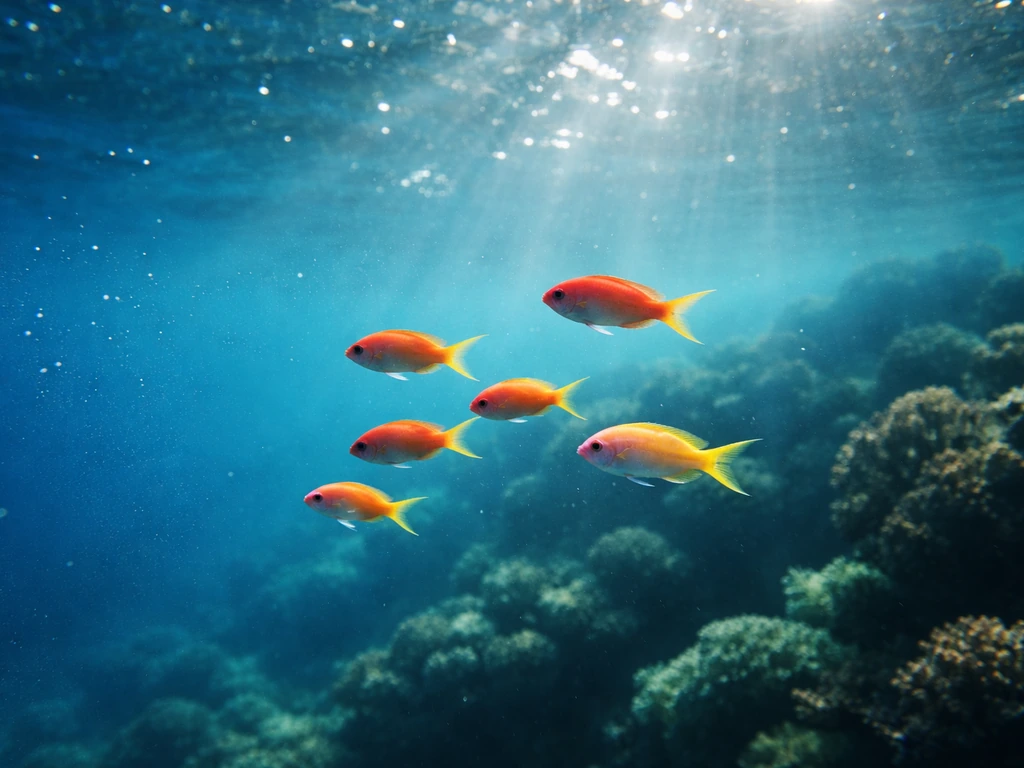
The answer is sky (sometimes phrased as air). The analogy works as a habitat relationship: fish live in the ocean, birds live in the sky. It's the same logic as saying a fish belongs to the ocean, so a bird belongs to the sky. That's the fill-in you'll see on worksheets and multiple-choice answer keys, and it's the one that holds up to scrutiny.
Fish is to ocean as bird is to sky or air

Sarah Chen
23 Apr 2026
Answering the analogy: why "sky" is the right choice
Analogies like this one test whether you can identify a consistent relationship. Here, the relationship is creature-to-habitat. The ocean is the defining environment for fish, and the sky (or air) is the defining environment for birds. You'll occasionally see this reversed as "bird is to sky as fish is to ocean," and either way the logic is the same. The answer key almost always reads sky, and that's because the pairing captures what birds are fundamentally adapted for: flight and life in the air.
That said, the analogy raises an immediate practical question. If birds are defined by living in the sky, what do we do with penguins, which swim instead of fly? Or ostriches, which run? Those are real birds, and they don't really "live in the sky." So while sky works perfectly as an analogy answer, it's worth understanding what actually makes something a bird, because the habitat shortcut breaks down fast.
What actually makes something a bird
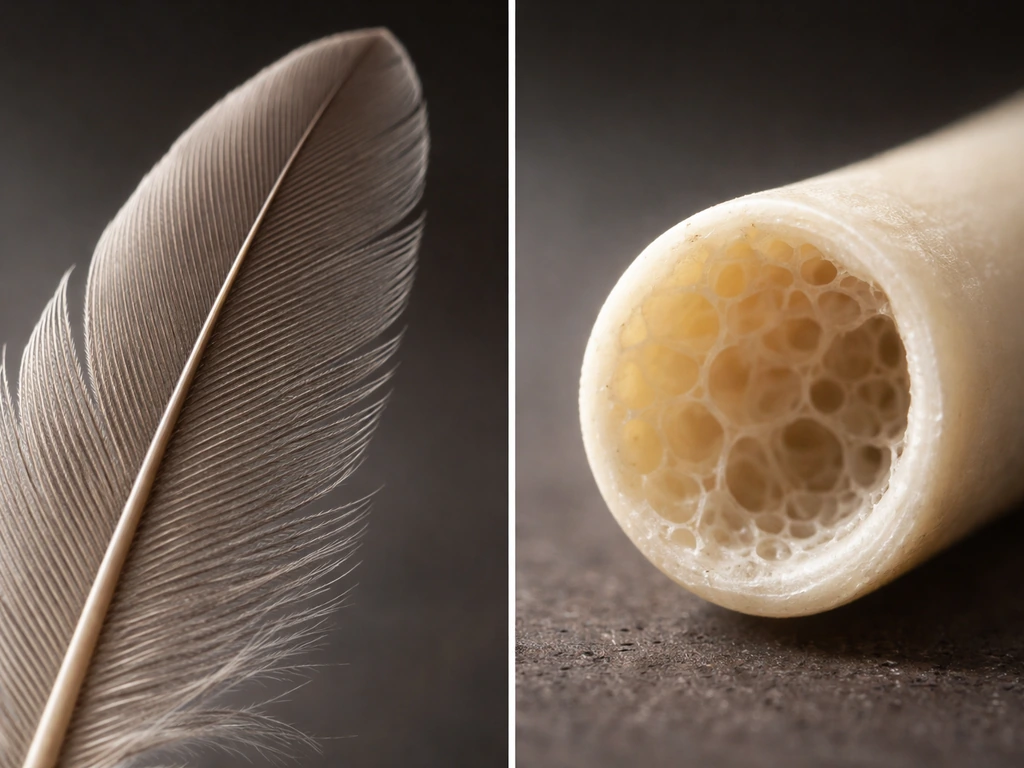
Birds belong to the class Aves, which is a formal biological grouping (taxonomy is just the science of classifying living things into named categories). What unites every member of class Aves is a specific cluster of physical traits, not what they do or where they live. The Smithsonian National Museum of Natural History puts it clearly: birds are blank" rel="noopener noreferrer">defined by feathers, hollow bones, and hard-shelled eggs. Bird wing bones are hollow and connected to the air-sac system, and Britannica describes bird wings as forelimbs modified for flight blank" rel="noopener noreferrer">hollow bones, and hard-shelled eggs. Britannica adds a few more details: birds are warm-blooded vertebrates (vertebrate means they have a backbone) with forelimbs modified into wings.
- Feathers: every living bird species has them, and no other living animal does
- Hollow bones: lightweight skeletal structure that aids flight in most species
- Hard-shelled eggs: birds reproduce by laying eggs, not giving birth to live young
- Warm-blooded: birds regulate their own body temperature internally
- Wings: forelimbs modified into wings, even if those wings are used for swimming rather than flying
Feathers are the single most reliable marker. If an animal has feathers, it is a bird. If it doesn't, it isn't, no matter how much it might look like one or act like one.
How birds differ from mammals, reptiles, and dinosaurs
People frequently mix up birds with other animal groups, especially because some of those groups can fly or look similar. Here's how the lines actually fall.
Birds vs. mammals
Mammals have two defining traits according to Britannica: they have hair (or fur), and they feed their young with milk from mammary glands. Birds do neither. A bird hatches from a hard-shelled egg and is never nursed on milk. A mammal is born live (in most cases) or hatched from a leathery egg (platypuses), and its mother produces milk. Hair and milk versus feathers and eggs. That's the core split.
Birds vs. reptiles
Reptiles are cold-blooded (they rely on external heat sources to regulate body temperature), covered in scales rather than feathers, and most lay soft or leathery eggs rather than hard-shelled ones. Birds are actually evolutionary descendants of theropod dinosaurs, which were themselves reptiles, but modern birds are their own distinct class. Interestingly, bird feathers and reptile scales are made of the same protein, keratin, which is a hint at that shared ancestry.
Birds vs. dinosaurs
This one surprises people: birds are technically living dinosaurs, specifically avian dinosaurs. Non-avian dinosaurs went extinct roughly 66 million years ago, but the bird lineage survived. Here's where it gets interesting: Britannica confirms that many non-avian dinosaurs had feathers or feather-like filamentous structures. So feathers alone don't automatically mean "bird" when you're looking at the fossil record. For living animals, though, feathers still work as a reliable identifier.
| Animal Group | Key Traits | Feathers? | Warm-Blooded? | Lays Hard-Shelled Eggs? |
|---|---|---|---|---|
| Birds (Class Aves) | Feathers, hollow bones, wings | Yes | Yes | Yes |
| Mammals | Hair/fur, mammary glands | No | Yes | Rarely (platypus only) |
| Reptiles | Scales, cold-blooded | No | No | Leathery or soft eggs |
| Non-avian dinosaurs | Some had feathers or filaments | Some species | Debated | Yes (hard or leathery) |
The borderline cases: bats, penguins, ostriches, and pterosaurs
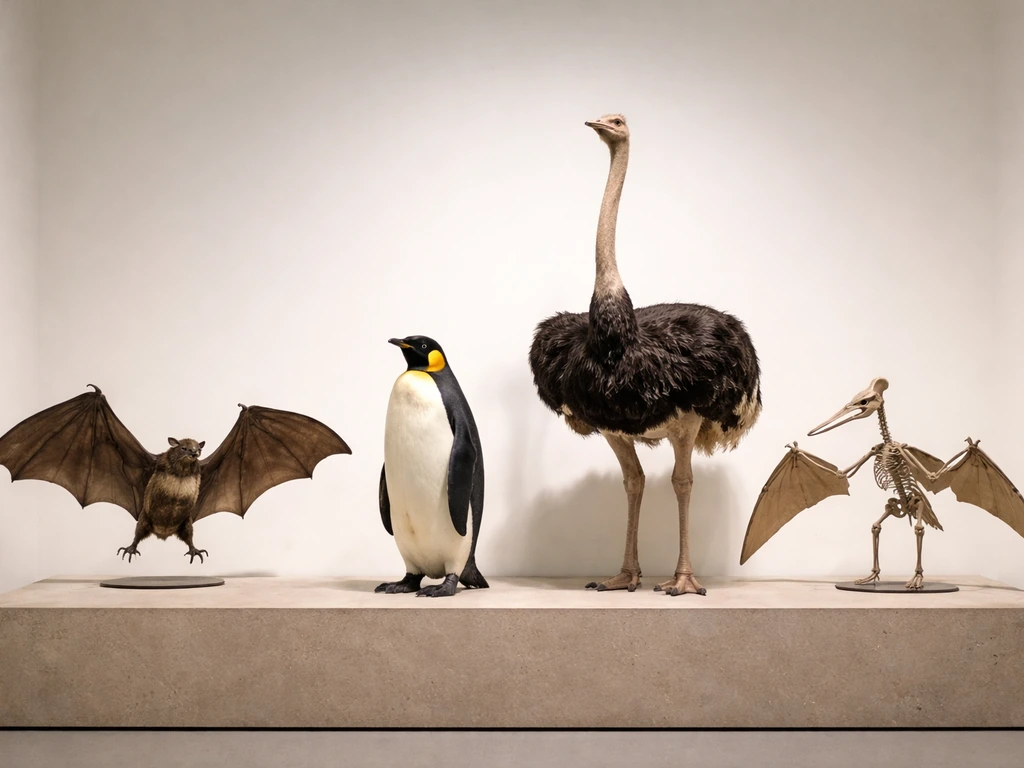
The analogy "fish is to ocean as bird is to sky" tends to prompt a few specific follow-up confusions. These four animals come up constantly, and each one illustrates a different way people misapply the category.
Bats: they fly, but they're mammals
Bats are the only mammals capable of true powered flight, and that trips people up. But bats belong to the order Chiroptera (the name literally means "hand-wing"), and they are firmly classified as mammals. They have fur, not feathers. They nurse their pups with milk. They give birth to live young. Bats are fascinating, but calling one a bird because it flies is like calling a flying squirrel a bird. Flight is a behavior; it doesn't determine class.
Penguins: birds that never fly
Penguins are 100% birds. They are class Aves. They have feathers, hollow bones, and lay hard-shelled eggs. Their wings evolved for swimming rather than aerial flight, so NOAA confirms they cannot fly through the air, but that's irrelevant to their classification. A penguin that swims is still a bird for the same reason that an ostrich that runs is still a bird. The habitat-based logic from the analogy doesn't hold here, which is exactly why taxonomy matters more than environment.
Ostriches: the world's largest flightless bird
The Smithsonian National Zoo lists the common ostrich under Class: Aves. Ostriches are completely flightless, but they have feathers, they lay eggs, and they are warm-blooded vertebrates. They check every box. An ostrich not flying doesn't disqualify it from being a bird any more than a human not swimming disqualifies them from being a mammal.
Pterosaurs: flying reptiles, not birds
Pterosaurs are extinct flying reptiles, and they were not birds. Their wings were formed by a membrane of skin stretched along an elongated finger, not by feathers. Britannica is explicit on this: pterosaur wing membranes are fundamentally different from the feather-based wings of birds. The American Museum of Natural History notes that some pterosaurs may have had thin fuzz-like fibers, but not true feathers. No feathers means not a bird, full stop.
Test yourself: is this animal a bird?
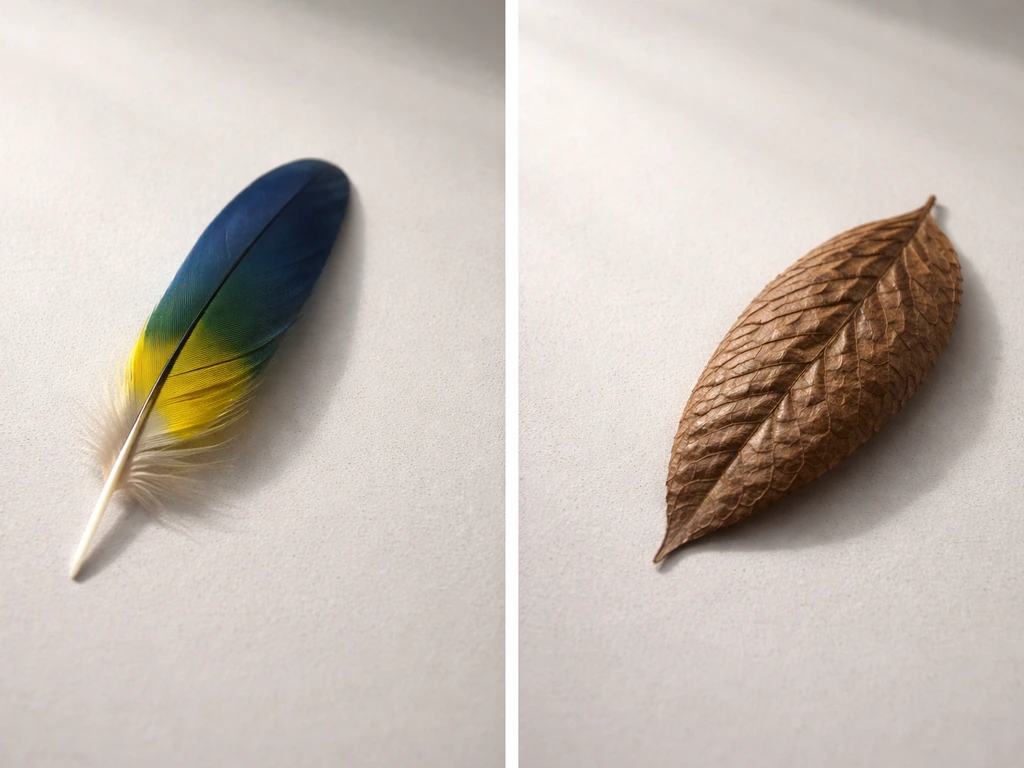
You can run any animal through a simple checklist to figure out whether it's a bird. Start with feathers, because that's your fastest filter. Then confirm with the other traits.
- Does it have feathers? If yes, it's almost certainly a bird. If no, keep checking but lean toward not a bird.
- Does it have hollow bones and a beak? Strong additional confirmation.
- Does it lay hard-shelled eggs? Another strong yes for birds.
- Is it warm-blooded (endothermic)? Birds are; reptiles aren't.
- Does it nurse young with milk or have hair/fur? If yes, it's a mammal, not a bird.
Try it with a few examples. A robin: feathers, hollow bones, lays hard-shelled eggs, warm-blooded. Bird. A bat: fur, nurses pups with milk, no feathers. Mammal, not a bird. A penguin: feathers, hollow bones, lays eggs, warm-blooded. Bird, even though it swims. A pterosaur: membrane wings, no feathers, cold-blooded reptile. Not a bird. The checklist holds up every time.
This same logic connects to related questions worth exploring, like whether a finch qualifies as a bird (it does, in every respect) or how bird feathers relate to reptile scales at the molecular level. Both are useful ways to sharpen your sense of where the category boundaries actually sit.
Misconceptions this analogy triggers, corrected
The "fish is to ocean as bird is to sky" analogy is great for testing logical reasoning, but it plants a few wrong ideas if you take it too literally. This analogy is sometimes framed as “a fish may love a bird,” linking the habitat idea to what belongs in each category fish is to ocean as bird is to sky. Here are the most common ones, and the quick corrections.
- Misconception: If a bird can't fly, it isn't really a bird. Correction: Flight is not a requirement for class Aves. Penguins and ostriches are both birds with full taxonomic confirmation.
- Misconception: Anything that flies must be a bird. Correction: Bats fly and are mammals. Pterosaurs flew and were reptiles. Flight is a convergent trait, meaning different lineages evolved it independently.
- Misconception: Feathers are unique to birds in all of Earth's history. Correction: Some non-avian dinosaurs had feathers or feather-like filaments. Feathers reliably identify living birds, but the fossil record is more complicated.
- Misconception: Pterosaurs are ancient birds. Correction: Pterosaurs were flying reptiles with membrane wings, not feathers. They are not ancestral to modern birds.
- Misconception: Birds' environment (sky) defines what they are. Correction: Taxonomy is based on physical traits like feathers and hollow bones, not habitat. A penguin lives in the ocean but remains a bird.
FAQ
If the analogy is creature-to-habitat, why isn’t “bird is to sky” true for birds that live on the ground?
Because the analogy is a simplified habitat relationship for typical cases, not a strict rule for classification. What makes an animal a bird is the trait set (especially feathers, plus other bird features), so ground-dwelling birds like ostriches are still classified as birds even though they do not spend time in the sky.
Do “fish is to ocean as bird is to sky” and “sky or air” both count as correct answers?
Yes. The worksheet-style intended response is usually “sky,” and “air” is a common acceptable variant. If your question expects only one word, choose “sky,” since it is the standard pairing used in answer keys.
How do I tell the difference between “can fly” and “is a bird”?
Use the checklist logic from the article: first check for feathers. Flying mammals like bats and flying reptiles like pterosaurs can behave like birds, but without feathers (and the other core bird traits), they are not birds. Behavior is not the same as biological class.
Why does the analogy break when I think about penguins and ostriches?
Because the habitat shortcut (“bird equals the sky”) is not the defining biological rule. Penguins and ostriches are birds due to feathers and bird reproductive traits, even though their wings evolved for swimming or running rather than aerial flight.
What’s the fastest way to decide if an animal is a bird when the analogy seems confusing?
Start with feathers as your primary filter. Then confirm the supporting traits the article lists (hollow bones and hard-shelled eggs, plus warm-blooded vertebrate traits). If it lacks feathers, stop there, it is not a bird.
Are feathers alone always enough to conclude an animal is a bird, especially in fossils?
Not always. The article notes that some non-bird dinosaurs had feathers or feather-like structures, so in the fossil record “feathers-like” can appear without the animal being a true bird. For living animals, feathers are a reliable identifier, but fossils require more careful context.
What common worksheet mistake happens if I answer using habitat rather than classification?
You may reject true birds that do not match the expected environment, like penguins or ostriches. The analogy’s “sky” works as a reasoning target, but classification depends on traits, not where the animal spends its time.
If I’m doing a multiple-choice question and see the options “sky” and “air,” which should I pick?
Pick “sky” unless the question explicitly says it expects “air.” “Sky” is the most common canonical response in analogy answer keys, while “air” is typically treated as an alternate wording.