Yes, teal is a bird. Specifically, teal refers to a group of small dabbling ducks in the family Anatidae, which belongs to the order Anseriformes (ducks, geese, and swans). Ducks are unambiguously birds, meaning teal the animal is classified in class Aves, the same class as every other bird on the planet. The most common species people are referring to is the common teal (Anas crecca), a small migratory duck found across Europe, Asia, and North America. So if you're asking whether teal is an actual bird, the answer is a confident yes.
Is Teal a Bird? Teal Duck vs Teal Color Explained

Sarah Chen
4 Jul 2026
What "teal" usually means: duck or color?

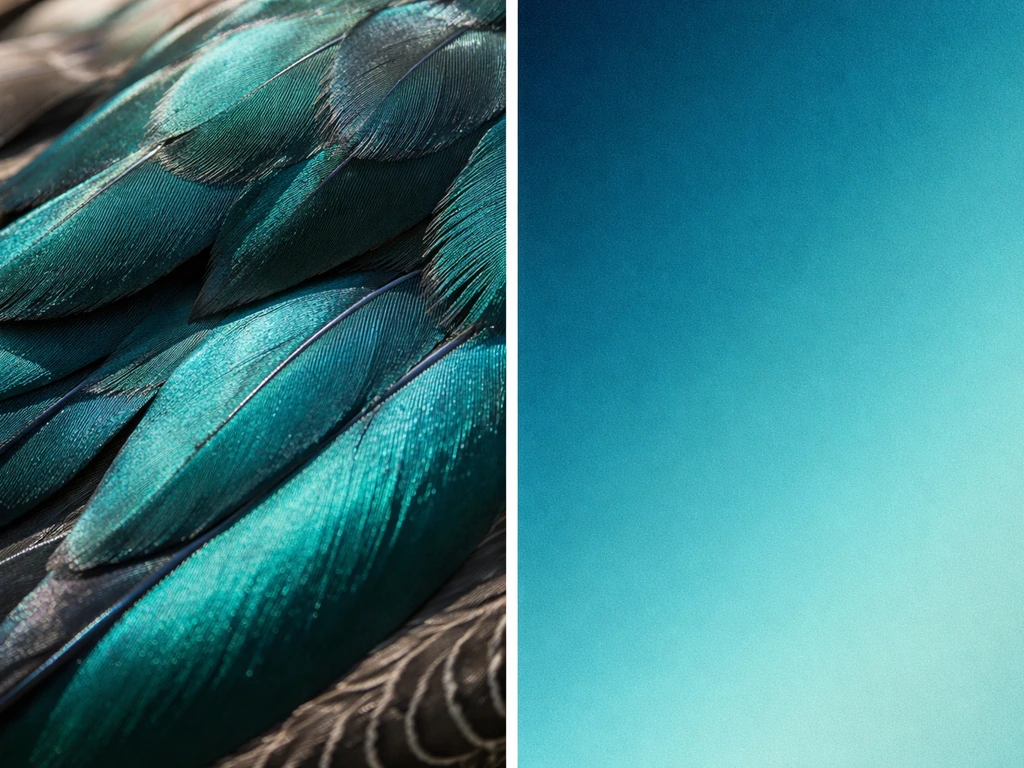
The word "teal" carries two completely separate meanings in everyday English, and that's the root of almost all the confusion. If you're asking whether a teal duck is a bird, the answer is yes. The older meaning is the bird: a small freshwater duck. The word traces back to Middle English "tele," meaning a small freshwater duck, and it's been used in that sense for centuries.
The second meaning, the familiar blue-green color, actually came from the bird. The Eurasian teal has a distinctive bright green wing flash, and the blue-green color was named after that. The [earliest recorded use of "teal" as a color name in English was around 1917](https://en. wikipedia.
org/wiki/Teal), with the first known appearance in a clothing advertisement in 1923. So the duck came first, the color followed. When you see "teal" on a paint swatch or a shirt tag, you're looking at a color named after a duck, not the other way around.
Is teal a bird? Here's the direct answer
Teal the animal is definitively a bird. Teal ducks belong to the order Anseriformes, which the Encyclopedia of Life and NCBI taxonomy both classify as an order within the broader class of birds (Aves). They have all the traits that define a bird: feathers made of keratin, wings, a beak (bill), and a specialized respiratory system with air sacs. They hatch from eggs, are warm-blooded, and are vertebrates with hollow bones. There is no ambiguity here in the way there might be with borderline cases like bats (which are flying mammals, not birds) or penguins (which are birds despite not being able to fly). Teal ducks are squarely, clearly birds.
The teal ducks people are usually talking about
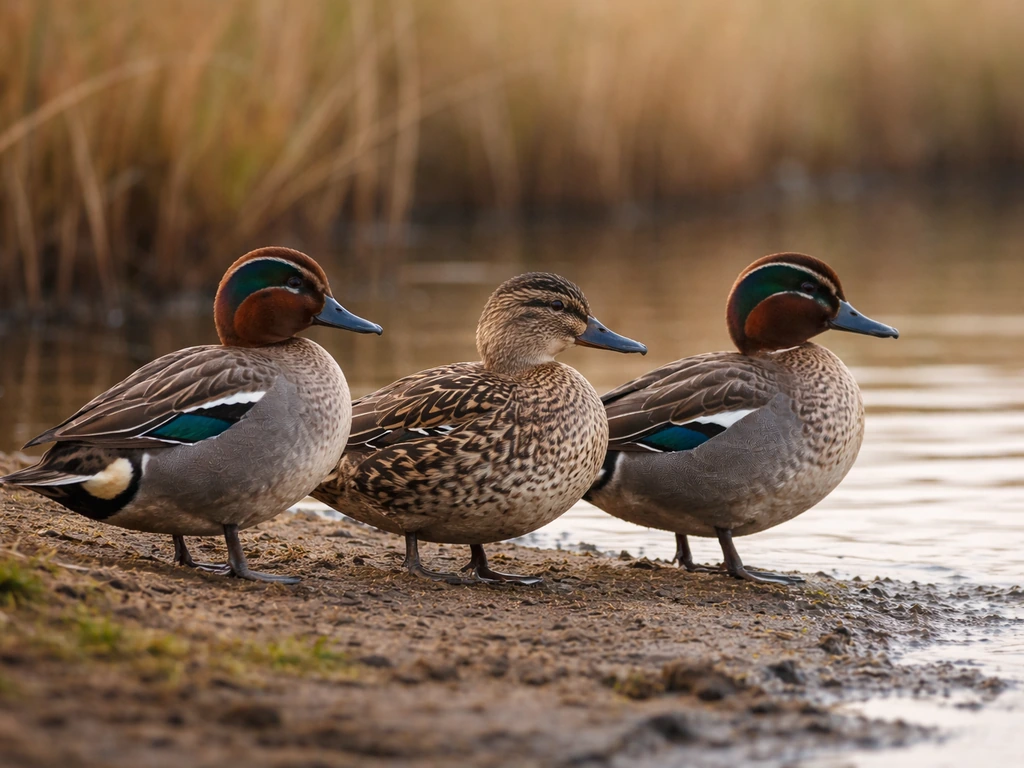
"Teal" is not just one species. It's a common name applied to several small duck species, most of them in the genus Anas. Here are the ones that come up most often:
- Common teal / Eurasian teal (Anas crecca): The UK's smallest duck, described by the British Trust for Ornithology as a small migratory bird found in ponds, lakes, and marshes. The male has a distinctive bright green wing patch. This is the species most people in the UK and Europe mean when they say "teal."
- Green-winged teal (Anas carolinensis): The North American counterpart, very closely related to the Eurasian teal. Some taxonomic authorities treat them as the same species, which causes naming confusion between UK and US birders and on different checklists like eBird.
- Blue-winged teal (Anas discors): A common North American species with a distinctive blue forewing patch. Frequently seen during migration in the US.
- Cinnamon teal (Spatula cyanoptera): Found in western North America and South America. The male is a rich cinnamon-red. Females can look very similar to blue-winged teal females, which causes ID headaches for birders.
- Baikal teal (Sibirionetta formosa): An East Asian species, sometimes called the spectacled teal, that appears on updated IOC World Bird List checklists as a separate species.
All of these are small ducks, all are waterfowl in family Anatidae, and all are birds. The naming overlap and lumping/splitting debates between regional checklists can make things confusing for birders, but the underlying biology doesn't change: every species called a "teal" is a bird.
Why teal causes so much confusion
The confusion usually comes from one of two places. First, most people encounter the word "teal" as a color long before they encounter it as a bird. If you've spent your whole life seeing "teal" on Crayola boxes and IKEA product listings, the idea that it's also a duck can feel surprising. Second, the word doesn't obviously sound like a bird name. Names like "mallard" or "pelican" carry obvious bird connotations, but "teal" sounds like it could be almost anything.
This kind of naming ambiguity is genuinely common with animals. Seals, for example, are sometimes confused with fish or other categories because they live in water, but they're mammals. Unlike seals, teal are birds Seals, for example. Dolphins get the same treatment. The rule of thumb is: don't judge an animal's classification by its name or habitat. Classification depends on biological traits, not what color palette it was named after or where it lives. A teal duck lives on water but breathes air, has feathers, and lays eggs. That makes it a bird, full stop.
It's also worth noting that this site covers a number of creatures people genuinely wonder about, including whether something like a seal is a bird (it isn't; seals are mammals) or whether mythological creatures like sirens fit any real animal classification. If you're wondering whether sirens are half bird or half-fish, that's a mythological mix, not a real animal classification. Teal is a much simpler case than most of those: it's a real animal, and it's a real bird, with no borderline biology to debate.
How to quickly verify whether you mean the bird or the color
If you're ever unsure which "teal" is being discussed, there's a fast mental check you can run. Ask yourself: is there a living or pictured animal in front of you, or is it a color label? If it's an animal, apply the basic bird checklist: Like birds, some animals undergo metamorphosis, so it's worth knowing which species do.
- Does it have feathers? Teal ducks do. Feathers are the single most reliable marker of a bird.
- Does it have a beak (bill)? Teal ducks have the flat, broad bills typical of dabbling ducks.
- Does it have wings? Yes, teal ducks fly and migrate across continents.
- Does it lay eggs? Yes, like all birds.
- Does it fit within a known bird order? Teal belong to Anseriformes (waterfowl), a well-established bird order.
If all five of those check out, you have a bird. For teal ducks, every single one does. If you want to go further and confirm which species of teal you're looking at, the practical ID cues to focus on are wing patch color (green vs blue vs cinnamon), body color and pattern, bill shape, and size relative to nearby ducks.
Audubon also notes that webbed feet can be most clearly seen when ducks come in for landing, along with feather patterns, body shape, and wingbeat that help with practical identification webbed feet when ducks come in for landing. Cornell Lab's waterfowl resources and the Audubon Field Guide both emphasize bill shape and wing plumage as the most reliable field marks for separating teal species, especially females and juveniles that look similar.
The bottom line is straightforward: if someone asks "is teal a bird," the answer is yes, as long as they mean the animal. But when someone asks that riddle about a siren, they usually mean the mythic creature from folklore, not a teal duck is a siren a mermaid or a bird. It's a small dabbling duck, it belongs to a well-defined bird order, and it has all the biological traits that put it firmly in class Aves. The color teal was named after the duck, which is a fun piece of etymology, but it doesn't make the color a bird. When in doubt, look for feathers.
Teal duck vs teal color: quick comparison
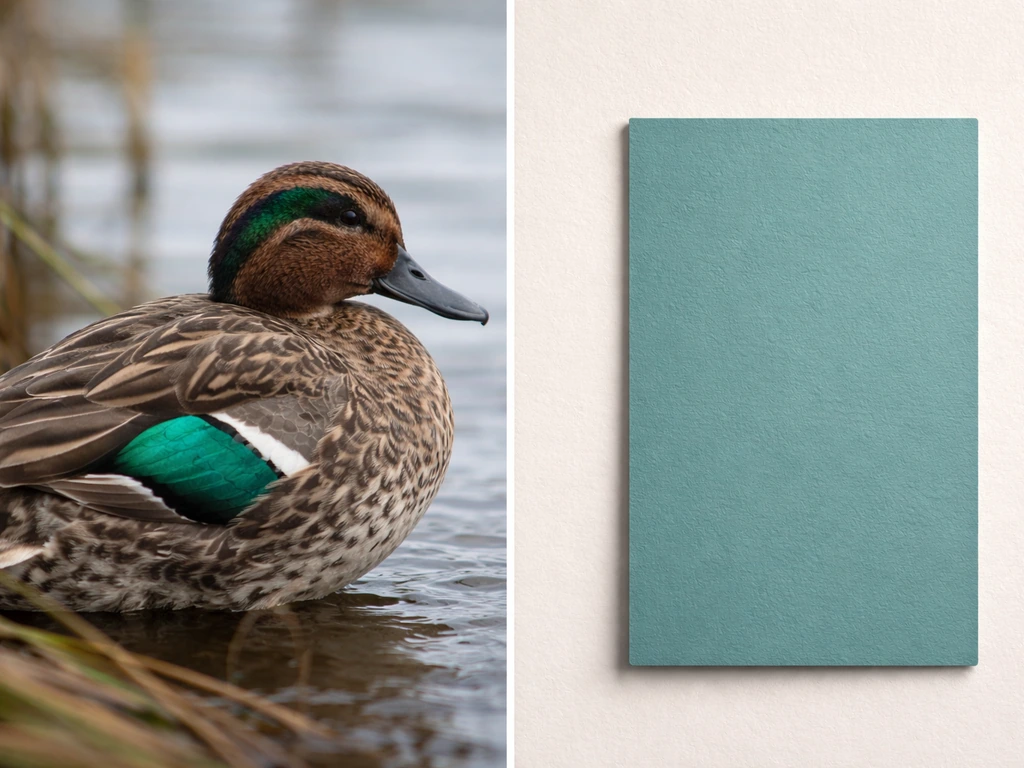
| Feature | Teal (the bird) | Teal (the color) |
|---|---|---|
| What it is | Small dabbling duck, genus Anas and related genera | A blue-green hue named after the duck's wing patch |
| Origin of the word | Middle English 'tele,' a small freshwater duck | Derived from the bird name, first used as a color circa 1917 |
| Biological classification | Class Aves, order Anseriformes, family Anatidae | Not a living thing; no biological classification |
| Key identifying traits | Feathers, beak, wings, webbed feet, lays eggs | Specific wavelength of blue-green light or pigment |
| Examples | Common teal (Anas crecca), blue-winged teal, cinnamon teal | Teal paint, teal fabric, teal hex code #008080 |
| Is it a bird? | Yes, definitively | No, it is a color |
FAQ
How can I tell quickly whether the word “teal” on a label means the duck or the color?
Look for context cues. If it appears next to terms like waterfowl, duck, migration, or a scientific name, it refers to the animal. If it appears on paint, fabric, makeup, or color swatches, it refers to the color. Also, animal names are usually paired with descriptors like “Eurasian teal,” while color labels are often written as color names like “teal blue” or “teal green.”
Is every “teal” duck species called teal actually in the same genus or the same look?
Most “teal” species people commonly mean are in the genus Anas, but “teal” is still a broad common-name grouping. That means birds can vary in size, wing pattern, and bill shape, so two different teal species might not look identical in the field, even though both are small dabbling ducks and are birds.
Can a bird be called teal if it is not the small dabbling duck group (like teal as a nickname)?
Yes, people sometimes use “teal” as a nickname for a bird with teal-colored plumage, even when its official common name is different. In those cases, the bird is still a bird, but “teal” is acting as a color description rather than the formal common name for the species.
Are teal ducks the same as “green-winged teal,” “blue-winged teal,” or other named types?
Those names typically refer to different teal species (or at least different “teal” types identified by wing flash and other field marks). The key point is that the shared common name “teal” does not guarantee they are the same species, it just places them in the overlapping “teal” group of small dabbling ducks.
If teal is a color, why do people say it was named after the duck?
Because the duck’s distinctive green wing flash helped drive the adoption of “teal” as a color term. Practically, that means you can think of the color label as secondary naming, derived from an animal feature, not as evidence that teal as a color is an animal.
What should I do if I find a “teal” bird and want to identify the species reliably?
Focus on stable field marks rather than just overall color. Wing flash color, bill shape, and body patterning are often more dependable than background coloration, especially for females and juveniles that can look muted. Size relative to nearby ducks and the habitat can help too, but plumage and bill cues are usually the deciding factors.
Do teal ducks migrate, or are all teal birds permanent residents?
Many teal species are at least partially migratory, and the exact pattern depends on the species and the region. If you are identifying or searching for one locally, check what teal species are known to occur in your area and season, because “teal” sightings outside the usual months can be misleading.
Is “teal” ever confused with birds that are not teal (like other small ducks)?
Yes. Small ducks with similar size and general shape can be misidentified when only overall coloration is considered. To reduce mistakes, compare multiple traits at once, especially bill shape and wing pattern or wing flash, since those are typically more consistent distinguishing features than body color alone.
Next Articles
Is a Seal a Bird? How to Tell Birds vs Seals
Quickly learn if a seal is a bird, key bird traits vs mammals, plus a checklist to ID other animals fast.
Is a Siren a Mermaid or a Bird? Myth vs Biology
Myth and biology clarify if a siren is a mermaid or bird, plus the animal traits that make something truly a bird.

Are Sirens Half-Bird or Half-Fish? The Myth Explained
Myth breakdown: sirens are legendary hybrids, often shown as half-bird or half-fish, explain bird vs non-bird traits.