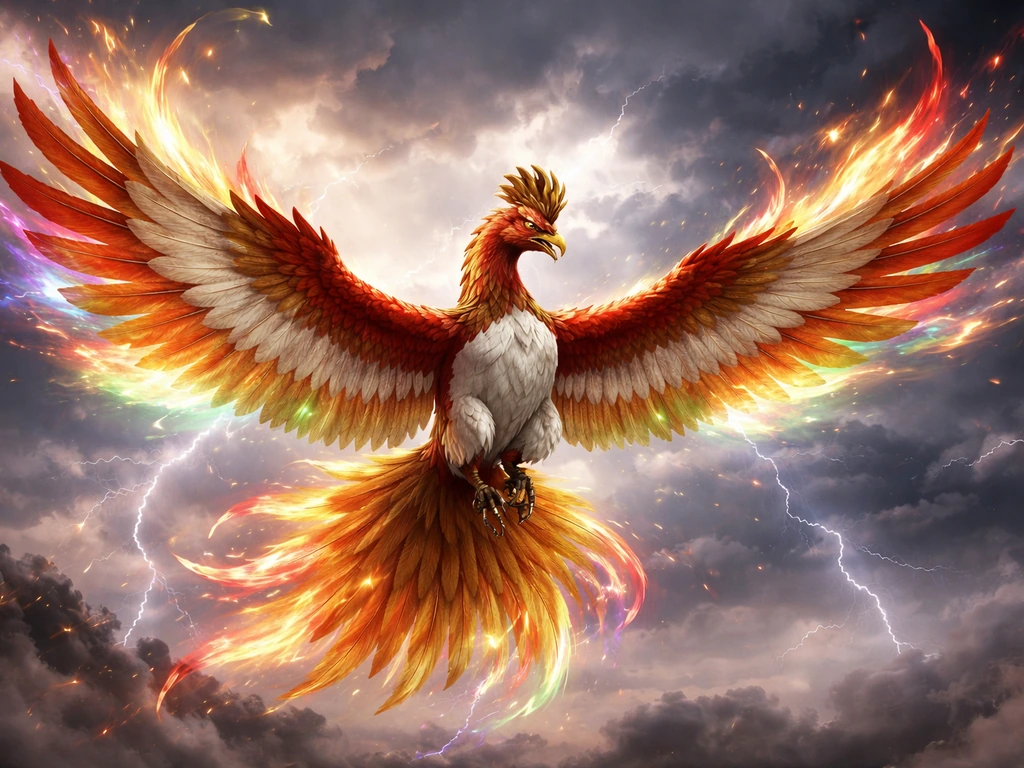
Ho-Oh is a Legendary Pokémon, yes, and it is very much bird-like in design. But it is not a real bird in the biological sense. Those two facts can coexist, and untangling them is the whole point of this article. Inside the Pokémon franchise, Ho-Oh holds the official status of 'Legendary Pokémon' and is a Fire/Flying type known as the Rainbow Pokémon. In the real world, the word 'bird' refers to animals in the biological class Aves, defined by specific anatomy, and no fictional creature from a video game belongs to that class.
Is Ho-Oh a Legendary Bird? Pokémon vs Real Birds

Sarah Chen
19 May 2026
What 'legendary' means in Pokémon vs what 'bird' means in biology
These two words come from completely different systems, and mixing them up is understandable but worth sorting out. In Pokémon, 'Legendary' (capitalized in official materials) is a franchise category label. Bulbapedia, the leading Pokémon reference, defines Legendary Pokémon as 'a group of incredibly rare and often very powerful Pokémon.' It is a game mechanic and story designation, not a description of the creature's anatomy. The Pokémon Company's own press releases use the phrase 'Legendary Pokémon Ho-Oh' as a formal label, the same way you'd say a character holds a particular rank or title.
In biology, 'bird' means something very specific: a living (or extinct) animal belonging to class Aves. Real birds share a set of anatomical traits, including feathers, beaked jaws, hollow bones, and egg-laying. That definition comes from evolutionary history and physical evidence, not from how impressive or rare an animal looks. A creature can have feathers drawn on it in a video game without meeting any of those biological criteria, just as a cartoon dragon doesn't become a reptile simply because it looks scaly.
Legendary Pokémon are also distinct from Mythical Pokémon, which is another layer of Pokémon-specific terminology worth knowing. Mythical Pokémon (such as Mew or Celebi) are described as 'obtained through special means,' historically through timed event distributions. Legendary Pokémon like Ho-Oh typically appear near the end of a regional Pokédex and can be caught directly in the main games. Neither label has anything to do with real-world classification.
Ho-Oh's status inside the Pokémon universe
Within Pokémon, Ho-Oh's credentials as a Legendary are rock-solid. It is the mascot of Pokémon Gold and its remake Pokémon HeartGold, part of what fans call the 'Tower duo' alongside Lugia. Its typing is Fire/Flying, and its Pokédex category is 'Rainbow Pokémon.' Lore-wise, Ho-Oh is said to descend from the sky and leave a rainbow in its wake, its wings described as prismatic and capable of trailing rainbow light. It also famously revived the three Legendary beasts (Raikou, Entei, and Suicune) after they perished in the Brass Tower fire, which cements its place as a figure of rebirth and near-divine power in the franchise's story.
Ho-Oh also appears in the Pokémon anime as early as the very first episode, and it's the central focus of Ash's journey in Pokémon the Movie: I Choose You!, where it drops a rainbow feather that drives the plot. These appearances reinforce just how central Ho-Oh is to the franchise's identity as a legendary figure, all without telling us anything about real-world ornithology.
Why people get confused about Ho-Oh
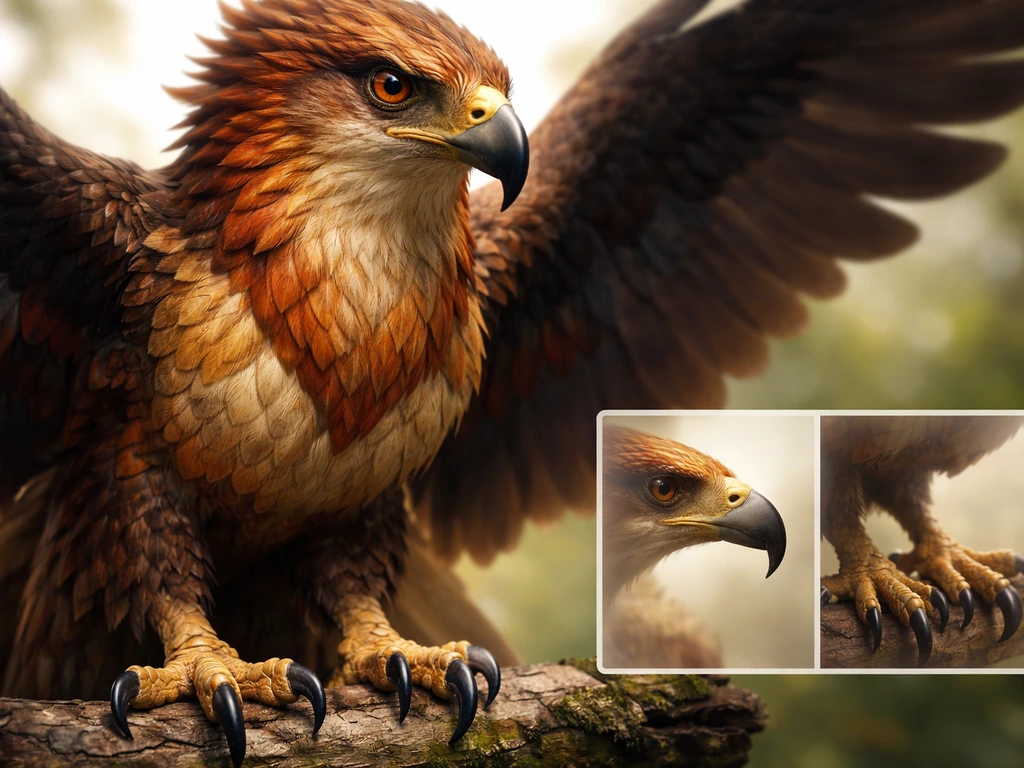
The confusion makes total sense when you look at Ho-Oh's design. It's a large, colorful, feathered creature with a beak, taloned feet, and dramatic wings. At a glance, it looks exactly like what you'd picture if someone said 'a legendary bird.' Add the word 'Legendary' appearing right next to it in game menus and official press, and it's natural to wonder whether that word carries the same weight as a biological classification. It doesn't, but the visual cues are genuinely misleading.
There's also a Pokémon-specific terminology trap. The original games introduced a set of three Pokémon, Articuno, Zapdos, and Moltres, that are informally called the 'Legendary Birds' by the fanbase and even some in-game text. Ho-Oh looks like it belongs in that group, which leads some players to assume the term 'legendary bird' refers to a formal subgroup that Ho-Oh is part of. Bulbapedia explains that Legendary Pokémon are [based on many different creatures, both real and mythical](https://bulbapedia.
bulbagarden. net/wiki/Legendary_Pok%C3%A9mon), which can make some Pokémon resemble real birds visually without them being biologically birds. Ho-Oh is a Legendary Pokémon with a bird-like appearance, but it is not part of the Legendary Birds trio. That trio is its own distinct group.
Lugia, Ho-Oh's Tower duo partner, adds to this: Lugia looks more like a sea creature yet is also a Legendary, which shows how little the visual bird-or-not impression actually tracks with the official categories.
This kind of confusion shows up with other creatures too. Yveltal, for example, has a large wingspan and a bird-like silhouette but is categorized as a Dark/Flying type Legendary with a very different design inspiration. Yveltal is sometimes misread as a real-world bird because of its bird-like silhouette, but that is not how biological classification works. Appearance-based assumptions about classification almost always need a second check.
Legendary bird vs real bird: keeping Pokémon and nature separate
A real bird earns that label through biology. In that same sense, Xayah from League of Legends is not a real bird in biological terms. Penguins are birds even though they can't fly, because they have feathers, lay eggs, and belong to class Aves. Bats are not birds even though they fly and have wing-like limbs, because they are mammals with very different anatomy and evolutionary history. The classification is based on evidence, not on appearance or cultural status.
Ho-Oh is a fictional character. It has no DNA, no fossil record, no feather structure that can be examined under a microscope. Its 'type' in Pokémon (Fire/Flying) is a game mechanic, not a biological kingdom assignment. Calling Ho-Oh a bird in the real-world sense would be like calling a griffin a bird because it has wings in mythology. People often ask, for example, is quetzalcoatlus a bird, but that depends on whether it meets the anatomical criteria for birds rather than just looking reptilian. The word 'bird' in a Pokémon context is informal shorthand for 'looks like a bird' or 'has the Flying type,' not a taxonomic statement.
| Feature | Ho-Oh (Pokémon) | Real Bird (class Aves) |
|---|---|---|
| Classification system | Pokémon franchise category | Biological taxonomy (Kingdom to Class) |
| 'Legendary' label | Official franchise status (rare, powerful) | Not a biological term at all |
| 'Bird' label | Informal (looks like a bird, Flying type) | Based on anatomy: feathers, beak, egg-laying |
| How status is assigned | Game design and Pokédex ordering | Evolutionary history and physical traits |
| Real-world existence | Fictional character | Living or extinct animal with verifiable traits |
How to verify this kind of thing quickly
If you're ever unsure whether a Pokémon counts as Legendary, Mythical, or something else entirely, Bulbapedia is the most reliable free reference. Look up the Pokémon's main page and check the infobox: it will list the category (Legendary or Mythical), the typing, and the Pokédex species name (like 'Rainbow Pokémon' for Ho-Oh). The official Pokémon website and The Pokémon Company press releases also use the formal labels consistently, so those are worth cross-checking if Bulbapedia's wording ever feels ambiguous.
For real-world bird questions, the approach is different. Start with a source that anchors the answer in biological class Aves: Wikipedia's entry on birds, Britannica's classification section, or the Animal Diversity Web (ADW) are all solid starting points. The key question to ask is always: does this creature have the anatomical features that define class Aves (feathers, beak, eggs, and the associated skeletal structure)? If you're looking at a fictional creature, that question simply doesn't apply, and you can stop there.
- Check Bulbapedia's infobox for any Pokémon: it shows 'Legendary' or 'Mythical' in the category field clearly.
- Cross-reference with the official Pokémon website or Pokémon Company press releases to confirm the label is current and official.
- For real-world birds, look up class Aves on Wikipedia, Britannica, or ADW and compare the creature's anatomy to the defining traits.
- If the creature is fictional (a Pokémon, a mythological animal, a video game character), remember that no fictional creature belongs to a real biological class regardless of how bird-like it looks.
- When in doubt about Legendary vs Mythical in Pokémon, check Pokédex number placement: Legendary Pokémon appear near the end of a regional Pokédex, with Mythical Pokémon listed immediately after them.
The same logic applies to similar cases you might look up. Lugia is also a Tower duo Legendary but looks more aquatic than avian. Is Lugia a bird? In the biological sense, no, because Lugia is a fictional Pokémon that does not meet the class Aves criteria. Yveltal resembles a giant bird of prey but belongs to a completely different legendary group. In each case, the answer lives in the official franchise data, not in the creature's visual design. Appearance is a starting point for curiosity, not a reliable classification tool, whether you're asking about Pokémon categories or real-world animal taxonomy.
FAQ
Does Ho-Oh being labeled “Rainbow Pokémon” mean it is a real bird species?
No. “Rainbow Pokémon” is a Pokédex category within the game, similar to a nickname for that character’s lore and design. It does not indicate biological taxonomy, so Ho-Oh still does not belong to class Aves.
Is Ho-Oh part of the “Legendary Birds” group with Articuno, Zapdos, and Moltres?
No, it is a separate Legendary Pokémon group. The “Legendary Birds” term is mostly an informal reference to the original three, while Ho-Oh has its own distinct identity and is paired as part of the “Tower duo” with Lugia.
If Ho-Oh has a beak and talons, should we call it a bird biologically?
In real-world biology, you would not, because those features alone are not enough. Birds require a specific evolutionary and anatomical package, and a fictional creature has no measurable anatomy like feather structure, bone type, and egg-laying biology that would let you classify it as a bird.
Is “Legendary” in Pokémon the same as “rare animal” in biology?
Not exactly. “Legendary” is a franchise label tied to story and gameplay, typically indicating rare encounters and major lore roles. A creature can be visually common or uncommon, but the category is still a Pokémon-specific designation, not an ecological rarity metric.
Is there any Pokémon that is closer to a real bird than Ho-Oh?
Even Pokémon that resemble birds more strongly do not become real birds. However, some bird-like designs help you map “looks like a bird,” not “is a bird,” so the only reliable method is to check the game’s official category (Legendary, Mythical, etc.) rather than appearance.
What is the easiest way to verify whether a Pokémon is Legendary versus Mythical?
Check the Pokémon’s infobox or category field in a reliable reference like Bulbapedia, and cross-check with official Pokémon Company materials if needed. The key decision aid is the franchise label, not how it looks in battle or cutscenes.
Does Ho-Oh’s Fire/Flying typing mean it is an actual avian species that flies?
No. Typing is a gameplay mechanic representing elemental affinity and combat style. Flying in Pokémon is not a taxonomic claim, so it does not imply the anatomy or lineage required for class Aves.
Why do people think “bird” includes Pokémon creatures like Ho-Oh?
Because the game and fandom use “bird” informally to mean “bird-like silhouette” or “has the Flying type,” and official wording often pairs “Legendary” with a creature that clearly resembles a bird. That wording is shorthand for design, not a biological classification.
Are there other fictional “birds” where the confusion is similar to Ho-Oh?
Yes, any winged creature can trigger the same misunderstanding, for example large bat-like or reptile-like designs. The correct test remains the same: biological classification requires real, measurable anatomical and evolutionary evidence, which fictional characters do not have.
Next Articles
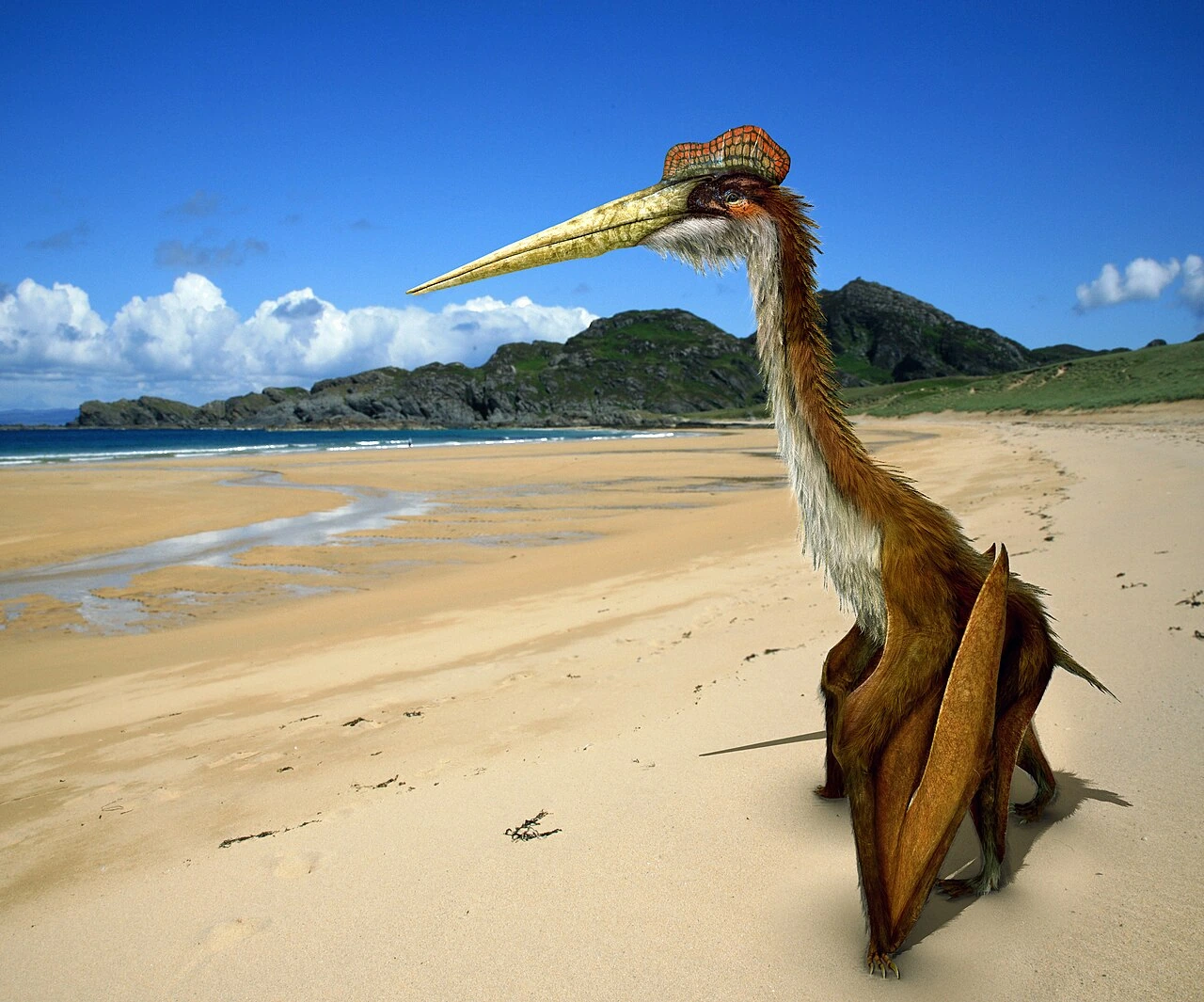
Is Quetzalcoatlus a Bird? What It Really Was and Why
Learn if Quetzalcoatlus was a bird: it was a pterosaur, not a dinosaur, and why wings alone can mislead.
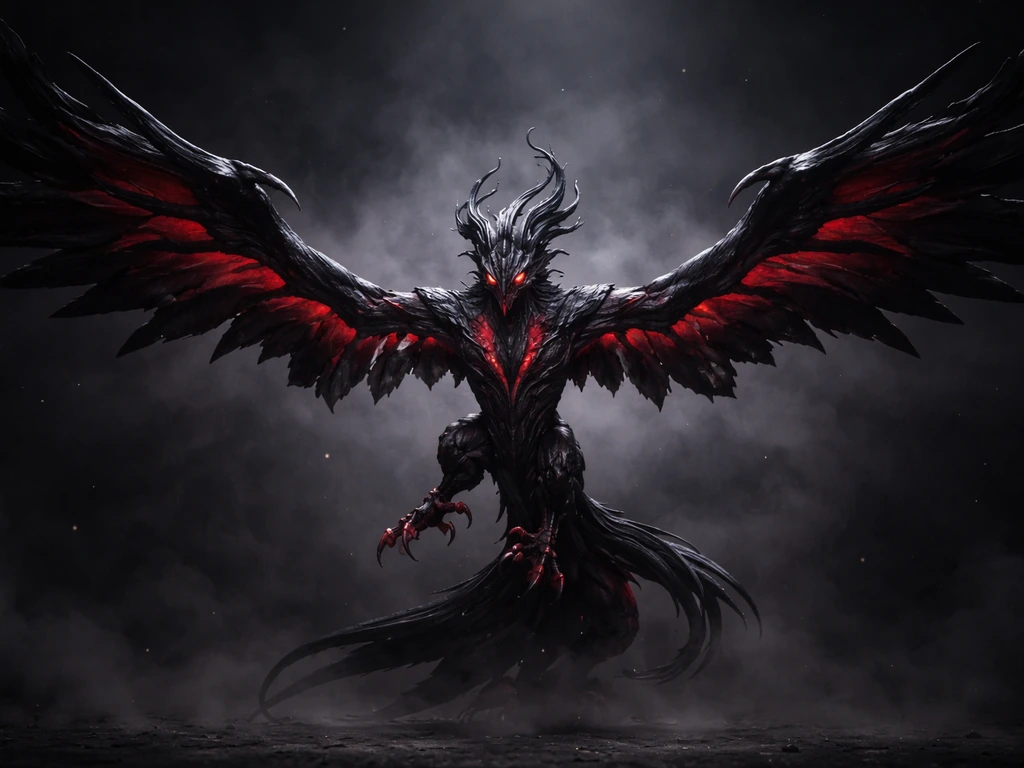
Is Yveltal a Bird? Why It Is Not a True Bird
No, Yveltal is not a bird. It lacks true bird traits like feathers and avian anatomy in biology.
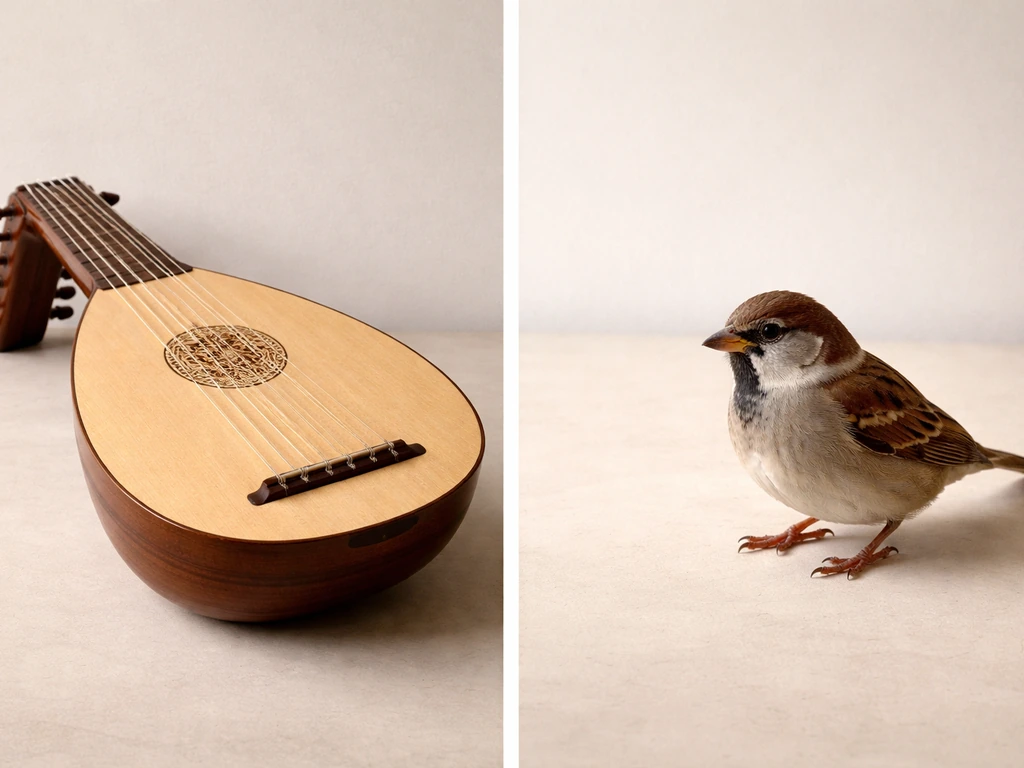
Is a Lute a Bird? How to Tell Birds vs Instruments
Clear answer to is a lute a bird, plus bird traits and a quick checklist to distinguish animals from instruments.