Yveltal is not a real bird. It is a fictional Legendary Pokémon, classified in-game as a Dark/Flying type and officially labeled the "Destruction Pokémon." While it has wings, tail feathers, and a feathery ruff around its neck, none of those visual details make it a bird in the biological sense, because Yveltal does not exist as a real animal and therefore cannot be placed in class Aves, the scientific grouping that defines true birds.
Is Yveltal a Bird? Why It Is Not a True Bird

Sarah Chen
13 May 2026
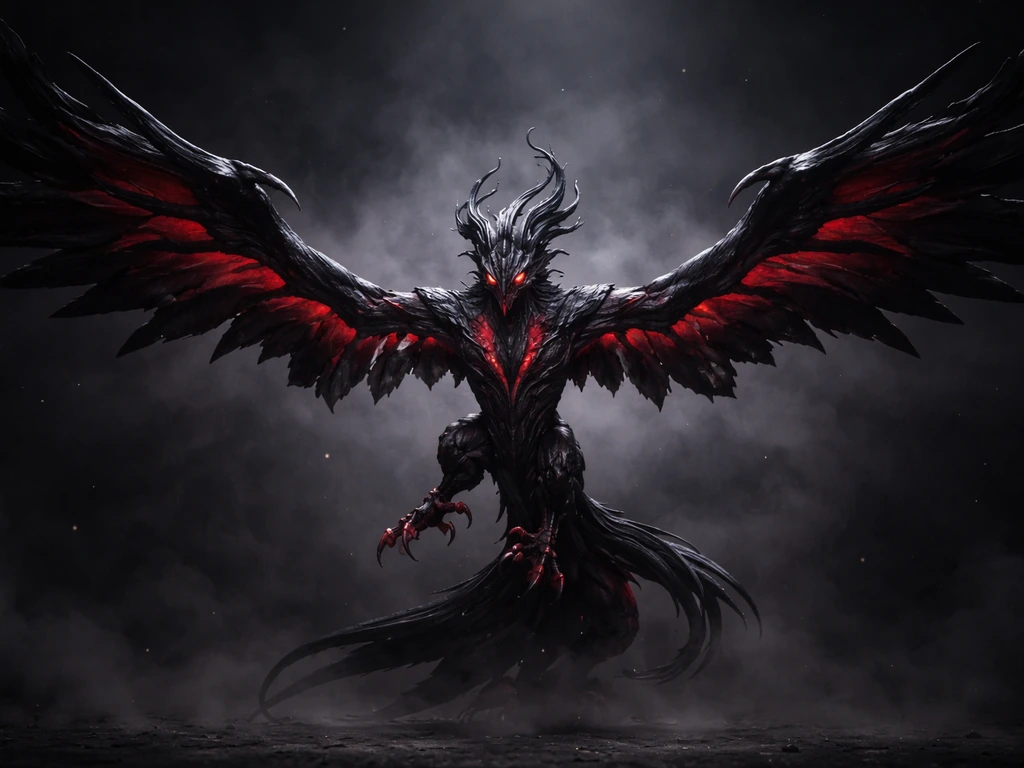
Does Yveltal count as a bird?
The short version: no, Yveltal is not a bird. It is a Pokémon, which is an entirely fictional creature from a video game franchise. Within that fictional universe, it is not even officially categorized as a "Bird Pokémon" (a real in-game category that includes Pokémon like Pidgey). Its official species designation is "Destruction Pokémon," and its typing is Dark/Flying. If you apply real-world biology, the question does not quite apply since there is no living or fossil specimen to classify. If you apply in-universe Pokémon rules, the game itself does not classify it as a bird. Either way, the answer is no.
What actually makes an animal a bird
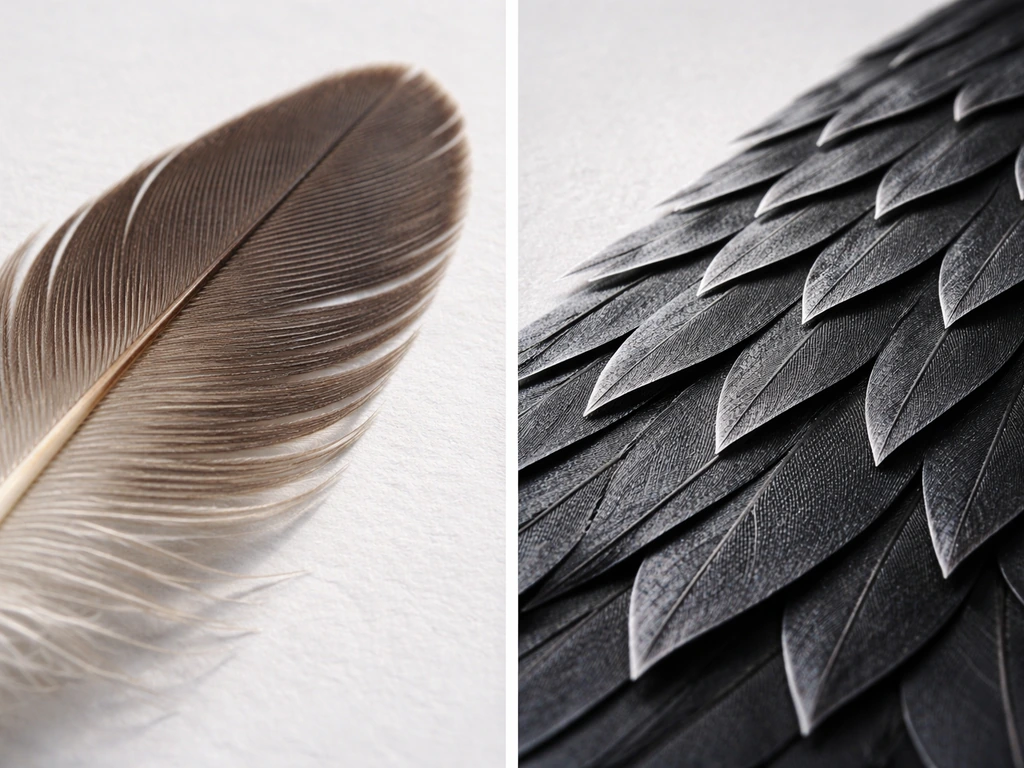
In biology, birds belong to class Aves and share a specific set of traits that distinguish them from every other group of animals. These traits are not just visual; they go right down to anatomy and physiology. Looking bird-like is not enough.
- Feathers: unique to birds and their closest extinct relatives. Feathers have a specific structure, with interlocking barbs and barbules, that is distinct from the filamentous coverings seen in some other dinosaurs.
- Toothless beak with a horny (keratinous) covering: modern birds do not have teeth, though early bird-like forms such as Archaeopteryx did.
- Wishbone (furcula): formed from fused clavicles (collarbones), this is a skeletal hallmark of birds.
- Warm-bloodedness (endothermy): birds maintain a high, stable body temperature through their own metabolism.
- Lightweight skeleton: avian bones are pneumatized, meaning they contain air pockets connected to the respiratory system, which reduces weight for flight.
- Efficient respiratory system: birds have a unidirectional airflow system involving air sacs that keeps oxygen moving through the lungs continuously, even during exhalation.
- Hard-shelled eggs: birds reproduce by laying eggs with a rigid, calcified shell.
All of these traits together define a bird. Penguins, for example, cannot fly but are birds because they have feathers, a wishbone, warm blood, and lay hard-shelled eggs. Bats can fly but are mammals, because they have fur, give birth to live young, and nurse with milk. The full checklist matters, not just one or two items.
What Yveltal actually is and what it looks like
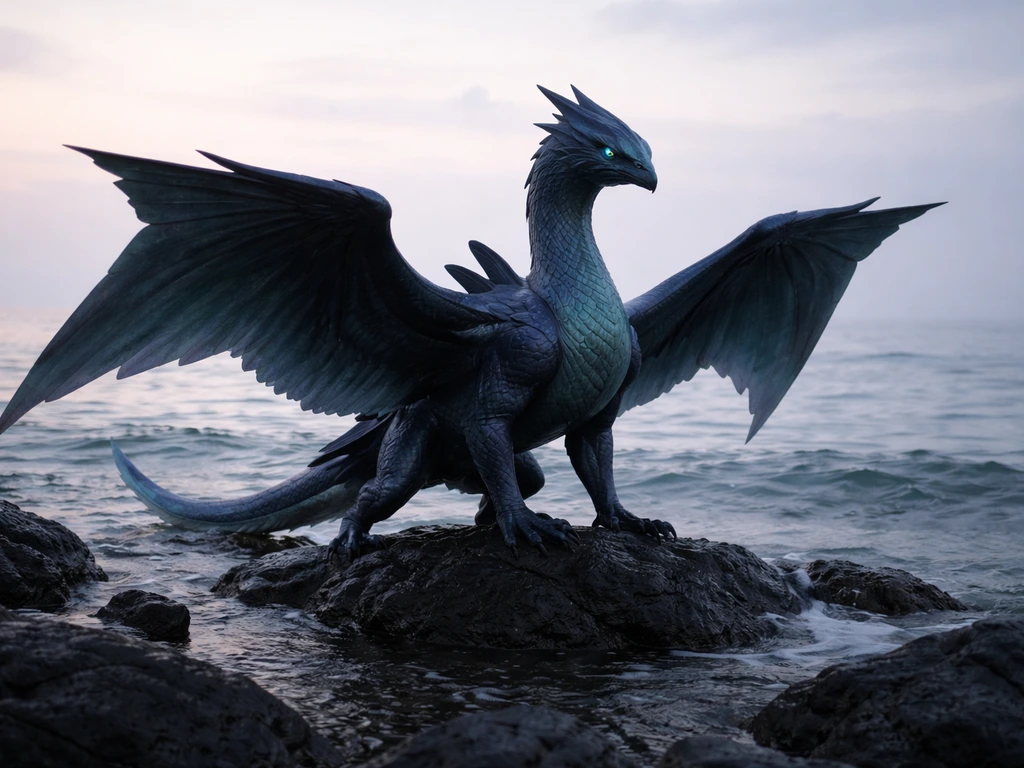
Yveltal is Pokémon #717, introduced in Generation VI (Pokémon X and Y, 2013). Its design is visually inspired by bird-of-prey and vulture imagery. It has large wings tipped with five large black claws, a feathery gray ruff around its neck similar to a vulture's, and tail feathers at the end of a long tail. When its wings and tail are fully extended, the silhouette forms a Y shape. The Pokédex (in Pokémon X) describes it this way: "When this legendary Pokémon's wings and tail feathers spread wide and glow red, it absorbs the life force of living creatures." Another entry notes that at the end of its life it turns into a cocoon, which is decidedly not bird behavior.
Visually, Yveltal borrows heavily from birds, particularly large raptors and vultures. But it also has features that do not map to any real bird: giant clawed wingtips, a life-draining supernatural ability, and a cocoon life stage. It is a fantasy creature designed to evoke dread and power, drawing on bird imagery the way a dragon might draw on reptile imagery without actually being a reptile.
Bird vs. non-bird: how Yveltal stacks up
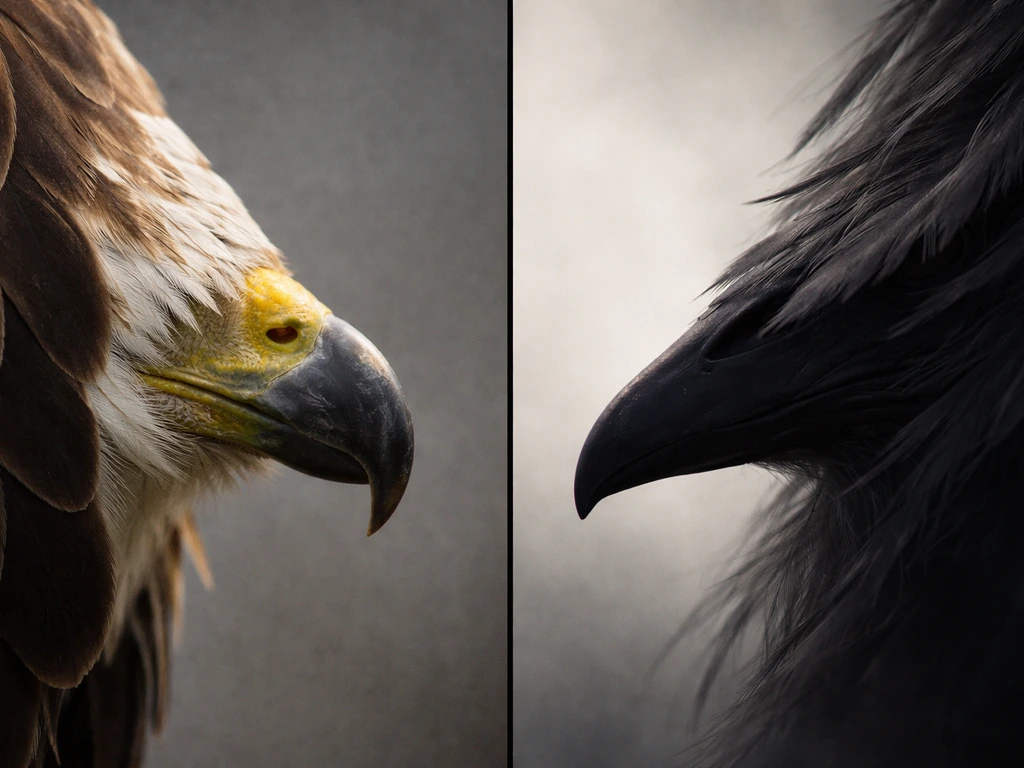
| Trait | True Bird (e.g., eagle) | Yveltal |
|---|---|---|
| Feathers (barb/barbule structure) | Yes, confirmed by biology | Described visually in fiction, not verifiable biologically |
| Toothless beak with horny covering | Yes | Not clearly depicted; design suggests a beak-like structure but unconfirmed |
| Wishbone (fused clavicles) | Yes, skeletal feature | No biological skeleton exists to check |
| Warm-bloodedness (endothermy) | Yes | Not stated; fictional creature with supernatural powers |
| Pneumatized (air-filled) bones | Yes | Not applicable; fictional |
| Hard-shelled eggs | Yes | Not shown; turns into a cocoon instead |
| Official classification | Class Aves | "Destruction Pokémon" / Dark/Flying type; not "Bird Pokémon" |
| Real-world existence | Yes | No |
The comparison makes the gap clear. Even the traits Yveltal appears to share, like feathers and wings, cannot be confirmed in the biological sense because there is no real animal to examine. And the traits it clearly does not share, like laying hard-shelled eggs or having a wishbone, tip the balance firmly into "not a bird" territory. Modern birds (Australian Museum) notes that the Australian Museum lists bird-defining traits including feathers, a toothless beak with a horny covering, the wishbone (fused clavicles), and warm-bloodedness (endothermy).
Why this question comes up: common mix-ups worth untangling
People asking whether Yveltal is a bird are usually doing one of a few things: they see wings and feathers and apply a quick mental shortcut, they know Yveltal is "Flying type" and assume that equals bird, or they are genuinely curious how to think about fictional creatures in biological terms. All of those are reasonable starting points, and the confusion is worth addressing directly. blank" rel="noopener noreferrer">Yveltal (Pokémon) - Bulbapedia (Yveltal (Pokémon) page)) notes that bulbapedia states Yveltal is a dual-type Dark/Flying Legendary Pokémon introduced in Generation VI and describes appearance elements including a “feathery gray ruff” around its neck and “wings” that spread wide, plus “tailfeathers.”.
Wings and feathers do not automatically mean bird
This is the biggest source of confusion. Pterosaurs had wings and could fly, but they were not birds. Their wings were formed by a membrane of skin stretched over an extremely elongated fourth finger, not by feathers attached to a modified forelimb. Some non-avian dinosaurs (feathered theropods) had true feathers but were not birds. Feathers are a strong signal, but the full checklist still applies. Yveltal's described "tail feathers" and "feathery ruff" are visual design choices borrowed from real birds, not biological evidence of bird status. Is quetzalcoatlus a bird is a separate question from Yveltal’s Pokémon classification.
"Flying type" in Pokémon is not a biology category
In the Pokémon games, Flying type includes actual bird-inspired Pokémon but also dragons, bats, bugs, and supernatural creatures like Yveltal. The game's type system is designed for gameplay balance, not taxonomic accuracy. Yveltal shares its Flying type with Butterfree (a butterfly) and Charizard (a dragon), neither of which anyone would call a bird.
Fictional creatures inspired by birds are not birds
Yveltal is in good company here. Lugia, another Legendary Pokémon, is also frequently debated as a bird or non-bird. Ho-Oh is often called a legendary bird. Mythological creatures like the phoenix look like birds but occupy a fantasy category of their own. The pattern is the same: real bird imagery gets borrowed for design purposes, which creates the impression of bird-hood without the biological substance. When you see wings and feathers in a fictional design, that is an artistic choice, not a classification. When you see wings and feathers in a fictional design, the details are just for artwork and not evidence that it is a bird.
How to reliably check whether something is a bird

Here is a repeatable method you can apply to any "is X a bird? If you are also wondering about another character, you can apply the same checklist style question like "is xayah a bird" to see whether it is truly categorized or only bird-like in design. " question, whether the subject is fictional or real: If you are wondering is xiao a bird, use the same biology-versus-fiction checklist approach discussed above for Yveltal.
- Ask whether it is a real animal first. If it is fictional (a Pokémon, a mythological creature, a movie monster), biological classification does not strictly apply. You can still ask whether it was designed to resemble a bird, but that is a different question.
- If it is real, check its taxonomy. A true bird belongs to class Aves. You can verify this quickly on sources like the Integrated Taxonomic Information System (itis.gov) or the Cornell Lab of Ornithology (birds.cornell.edu) for any real animal.
- Run the trait checklist: feathers with barb/barbule structure, toothless beak with horny covering, wishbone (furcula), warm-bloodedness, pneumatized skeleton, and hard-shelled eggs. A real bird will check all of these.
- Watch for lookalike traps: wings alone mean nothing (bats, pterosaurs, insects all have wings). Feathers are stronger evidence but still not conclusive on their own (some feathered dinosaurs were not birds). Flying ability is irrelevant (ostriches are birds; flying fish are not).
- For fictional creatures, check the official in-universe classification. In Pokémon specifically, the game uses a "species" label in the Pokédex. "Bird Pokémon" is a real species designation (Pidgey has it). Yveltal's is "Destruction Pokémon," which tells you what the creators intended.
- Cross-reference with a general biology resource. The Australian Museum, Britannica, or OpenStax Biology all give clean definitions of class Aves that you can use as a checklist.
Applying this method to Yveltal takes about thirty seconds: it is fictional (step 1 stops the biological analysis), its official Pokémon species label is not "Bird Pokémon" (step 5 confirms the in-universe answer), and its design borrows bird traits without committing to them fully (step 4 explains why it looks bird-like anyway). Not a bird, by any reasonable measure. Unlike Yveltal, actual bird conversions would have to match real-world bird biology, not just look similar can xiao turn into a bird.
FAQ
Does Yveltal being a Flying type mean it is a bird?
No. In the Pokémon games, “Flying” is a battle type category, not a biological or taxonomic label. Yveltal can be Flying type and still not be classified as a Bird Pokémon (for example, the same type also includes creatures like dragons and insects).
If Yveltal has wings and feather-like features, why isn’t it officially a Bird Pokémon?
No. The in-game label “Destruction Pokémon” is its official species category, and the game does not place it in the Bird Pokémon grouping. Even though its silhouette and ruff resemble birds of prey or vultures, that is design language, not an in-universe taxonomy.
Can you classify Yveltal as a bird using real-world biology?
Biology would require an actual organism to examine (anatomy, physiology, reproduction, and so on). Since Yveltal is fictional, there is nothing comparable to a “specimen” or fossil record, so you cannot complete a real-world Aves checklist in a meaningful way.
What’s the biggest mistake people make when deciding if Yveltal is a bird?
Some bird-like traits can be misleading in fiction. Yveltal’s “tail feathers” and feathery neck ruff are visually evocative, but the character also has elements that do not match bird reproduction or anatomy (such as a cocoon life stage), which breaks the bird criteria.
What’s a fast checklist method to determine if a fictional creature is actually a bird?
If you want a quick decision rule for any fictional character, use three checks: (1) Is it real? (2) Does the source explicitly categorize it as a Bird Pokémon (or give an equivalent category)? (3) If it is biology-like, do the non-visual traits line up (egg type, metabolism, skeletal traits). For Yveltal, check (1) and check (2) already settle it.
Does the ability to fly make Yveltal a bird?
No. Flying animals can be birds, but they can also be reptiles, mammals, or fantasy creatures. The “can fly” trait is not enough, which is why bats can fly but are mammals, and pterosaurs could fly but were not birds.
Is Yveltal sometimes called a bird because it is “legendary,” or because it looks like one?
In Pokémon discussions, “bird” can mean two different things: (a) biological birds (Aves) and (b) bird-like designs or “legendary bird” fan categories. Yveltal is in the first category no, and in the second category only in a visual, not a classification sense.