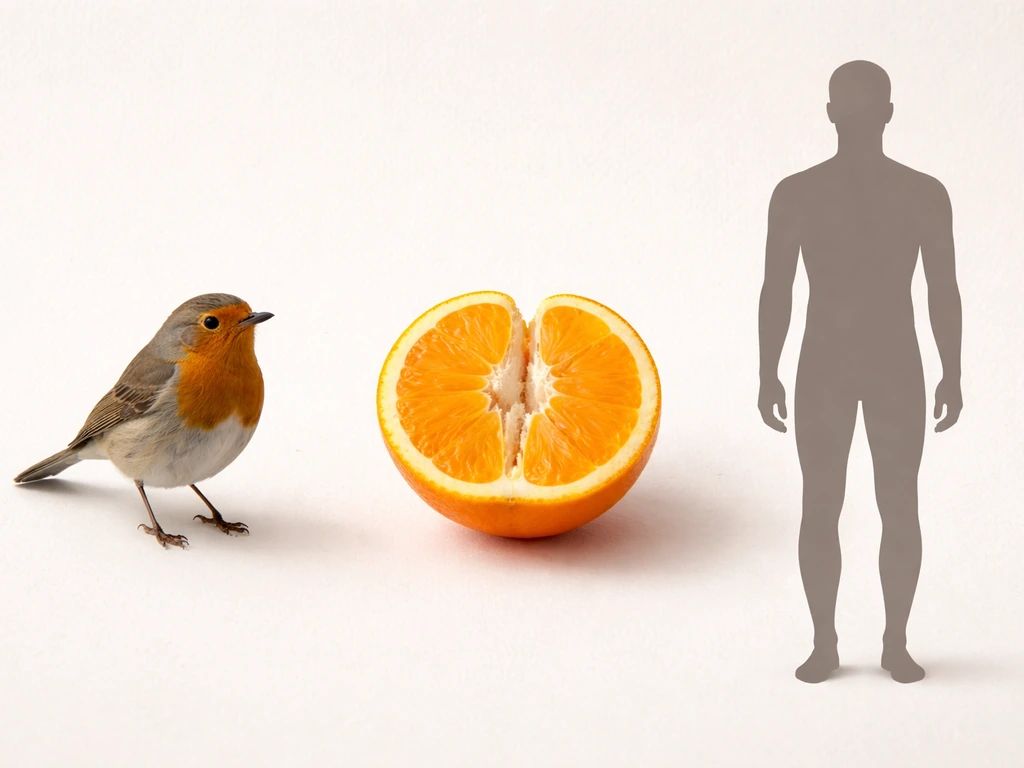
If you're asking whether a specific animal is a bird, here's the fastest check: does it have feathers? Feathers are the single trait that separates birds from every other animal on Earth. No other living creature has them. If the animal has feathers, it's a bird. If it doesn't, it isn't, no matter how much it looks like one or how well it flies.
One Is a Bird: How to Tell If It’s Really a Bird

Sarah Chen
31 May 2026
What "one is a bird" actually means
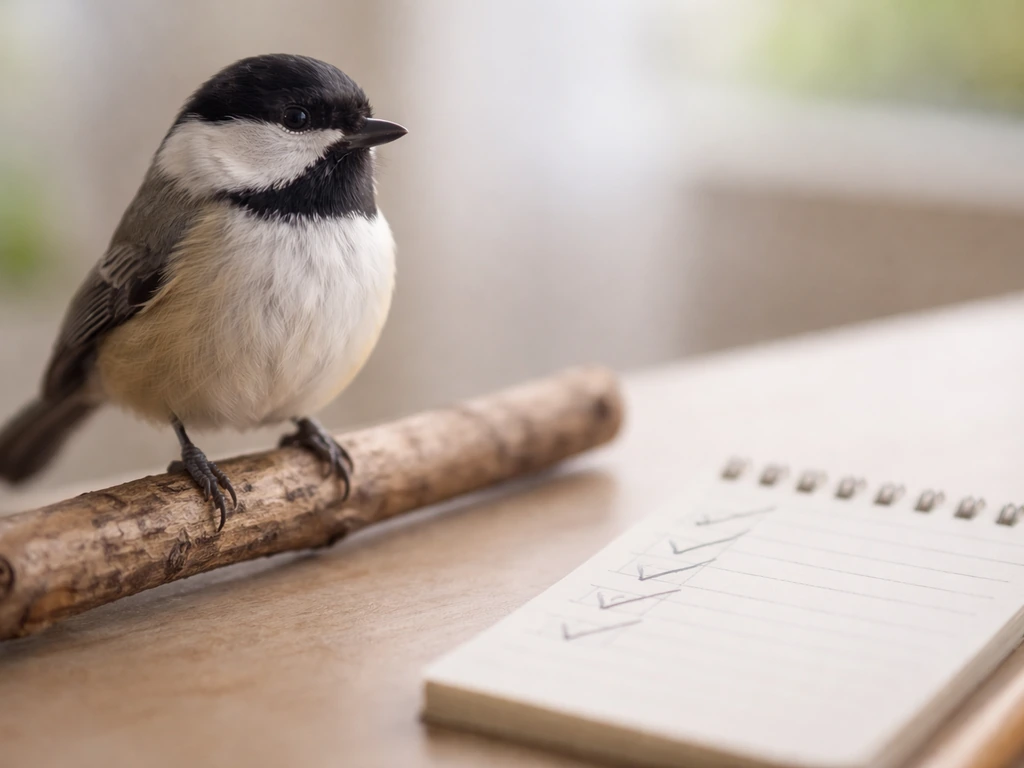
The phrase "one is a bird" is a classification predicate, meaning you're applying the category "bird" to a specific individual to get a true or false answer. In other words, when you ask whether something is a bird, you are asking if it fits the category “bird,” not whether it acts like one. Think of it like a logic test: take any animal, apply the predicate "is a bird," and you either get a yes or a no based on whether the animal fits the definition. This kind of question comes up constantly with animals that look, fly, or behave like birds but actually belong to entirely different groups. The goal of this article is to give you the biological tools to answer that question confidently for any animal you encounter.
It's worth distinguishing this from identity questions ("is a bird a person, place, or thing?") or broader category questions ("is a bird an animal?"). Those explore what category birds themselves belong to. This article is about the reverse: given an unknown animal, how do you decide whether it belongs inside the bird category?
The biological definition of a bird
Biologically, birds belong to class Aves, a taxonomic grouping that sits within the vertebrates (animals with backbones). Aves is the formal scientific name for what we casually call birds. Modern birds (Neornithes) are warm-blooded, feathered vertebrates that lay hard-shelled eggs and have forelimbs modified into wings. Their jaws are covered by a horny structure called the rhamphoteca, which forms the bill, replacing the teeth their dinosaur ancestors had. Their skeletons are partially pneumatized, meaning the bones contain air-filled cavities that reduce weight. The pectoral girdle includes a wishbone (furcula), a structure unique to birds and some of their theropod dinosaur relatives.
Birds evolved from theropod dinosaurs, so technically they are a surviving lineage of dinosaurs. This matters because it explains why some ancient creatures (like pterosaurs) look bird-like but aren't, and why features like feathers showed up first in non-flying dinosaurs before birds took to the air.
The practical checklist: traits that make something a bird
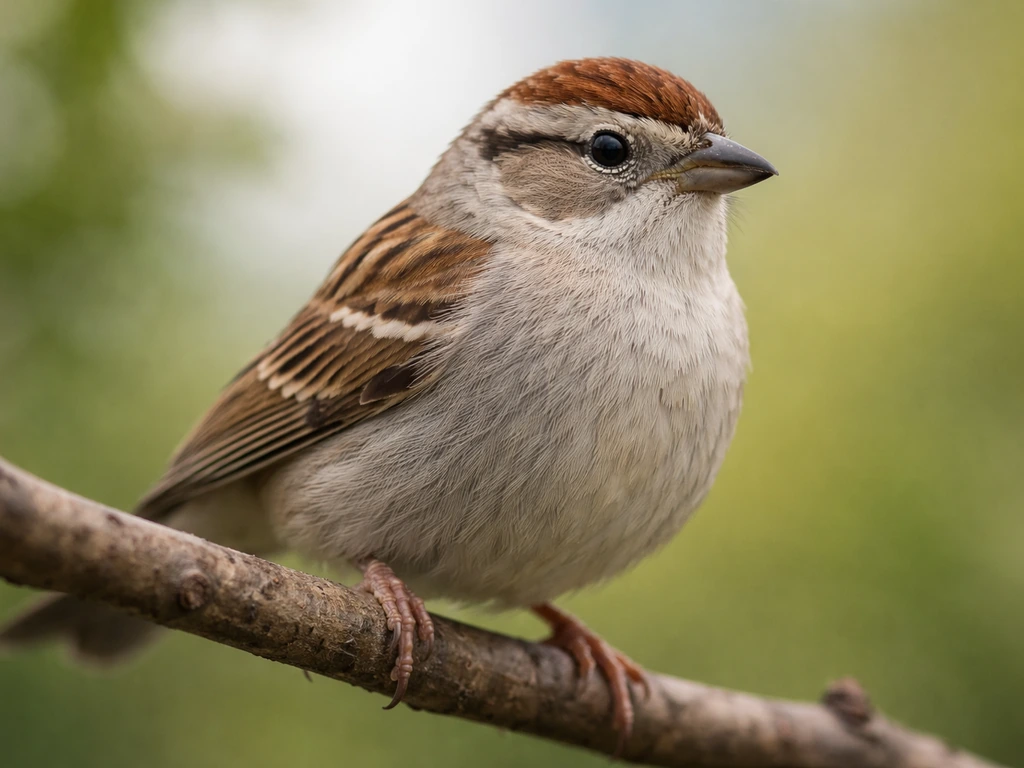
Rather than memorizing taxonomy, use this set of checkable traits in the field or when looking at a photo or description. If an animal checks all of these boxes, it's a bird. If it fails even one of the first two, it's almost certainly not.
- Feathers: the single most reliable marker. All birds have feathers; no other living animal does.
- Warm-blooded (endothermic): birds regulate their own body temperature internally, unlike reptiles.
- Four-chambered heart: birds and mammals both have this, so it's useful as a supporting check but not a distinguishing one on its own.
- Forelimbs modified into wings: even flightless birds have wing-like forelimbs derived from the same skeletal structure as flying birds.
- Hard-shelled eggs: birds lay eggs with a calcified shell (unlike the leathery eggs of most reptiles).
- Toothless beak: modern birds have a bill covered by the rhamphoteca, not teeth. Fossil birds had teeth; living ones don't.
- High metabolic rate and lightweight skeleton: birds have a strong but lightweight skeleton, often with pneumatized (air-filled) bones.
In practice, feathers alone will settle 99% of your questions. If you're looking at a live animal and you can see feathers, stop there: it's a bird. If you're working from a description or a fossil, the combination of hard-shelled eggs, a wishbone, and feathers is definitive.
Common look-alikes that aren't birds
The animals people most often mistake for birds share one obvious trait with them: they fly, or they look vaguely winged. But flight is not a bird-defining characteristic at all. Here's a quick breakdown of the most common non-bird look-alikes and why they don't qualify.
| Animal | Group | Why people confuse it with a bird | Why it's not a bird |
|---|---|---|---|
| Bat | Mammal | Flies, has wing-like structures | Wings are skin membranes (patagium), not feathers; covered in fur; gives live birth |
| Butterfly/moth | Insect | Has wings, flies | Insect with six legs and an exoskeleton; no vertebral column |
| Flying fish | Fish | Glides through air | Fins, scales, gills; no feathers or warm-bloodedness |
| Flying lizard (Draco) | Reptile | Glides between trees | Cold-blooded, scaled reptile; gliding membranes are extended ribs, not wings |
| Pterosaur (extinct) | Flying reptile | Flew, lived alongside dinosaurs | Skin membrane wings, not feathers; classified as a reptile, not Aves |
Bats deserve special attention because they're genuinely impressive fliers and people often group them mentally with birds. But bats are mammals (order Chiroptera). Their wings are formed by a thin skin membrane called the patagium stretched between elongated finger bones. Britannica also describes bat wings as a membrane (patagium) stretched between elongated finger bones, highlighting wing structure adaptations rather than feathers patagium stretched between elongated finger bones. They have fur, not feathers, and they give birth to live young rather than laying eggs. None of that matches the bird checklist.
Borderline cases: penguins, ostriches, bats, and pterosaurs
Penguins: absolutely birds, just aquatic ones
Penguins (order Sphenisciformes) are one of the most commonly questioned cases. They don't fly, they spend most of their lives in the ocean, and their flippers look nothing like the wings of a robin or eagle. But penguins are unambiguously birds. Their flippers have the same underlying skeletal structure as a flying bird's wing, just shortened and flattened for propulsion through water. Crucially, they have feathers: very short, dense ones that work as waterproof insulation. They lay hard-shelled eggs and are warm-blooded. Every item on the checklist is satisfied. Penguin confusion usually comes from conflating "flying" with "being a bird," which is a mistake. Flight is not part of the definition.
Ostriches: the world's largest bird, and still definitely a bird
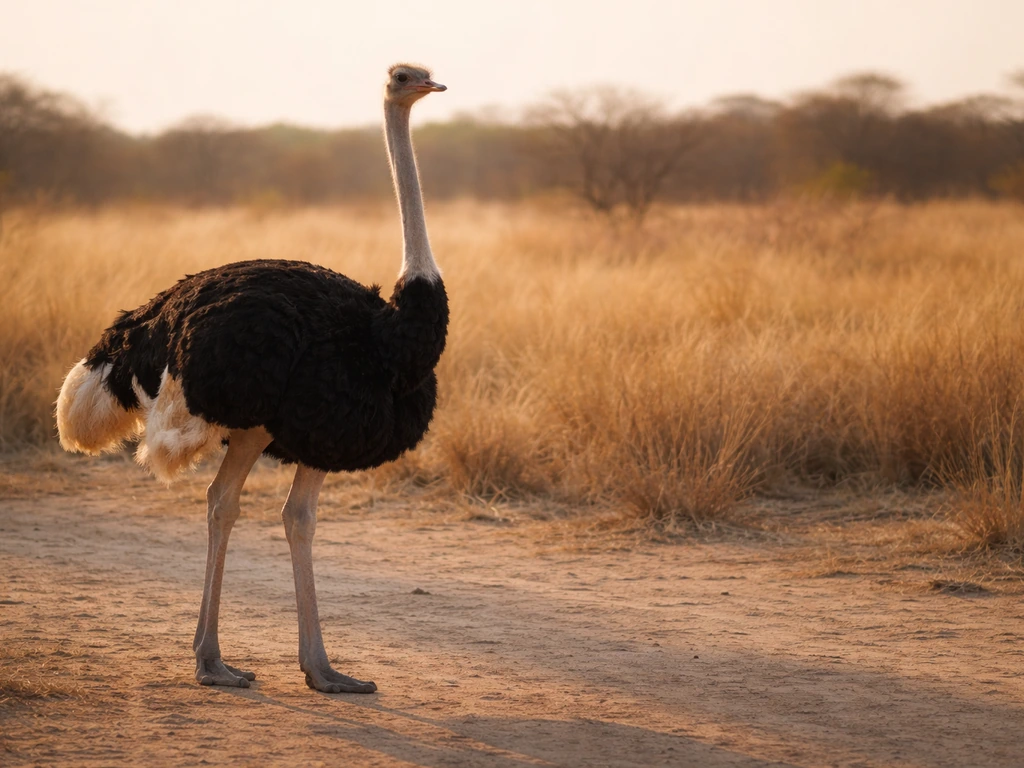
Ostriches are completely flightless, reaching up to 9 feet tall and 320 pounds, which makes them look more like some kind of prehistoric animal than the birds most people picture. But they have feathers (big, fluffy ones), they lay the largest eggs of any living bird, they're warm-blooded, and their forelimbs are wings (small and vestigial, but structurally wings). Ostrich classification is not controversial in biology. They fail the flight test but pass every biological test for being a bird.
Pterosaurs: flying reptiles, not birds
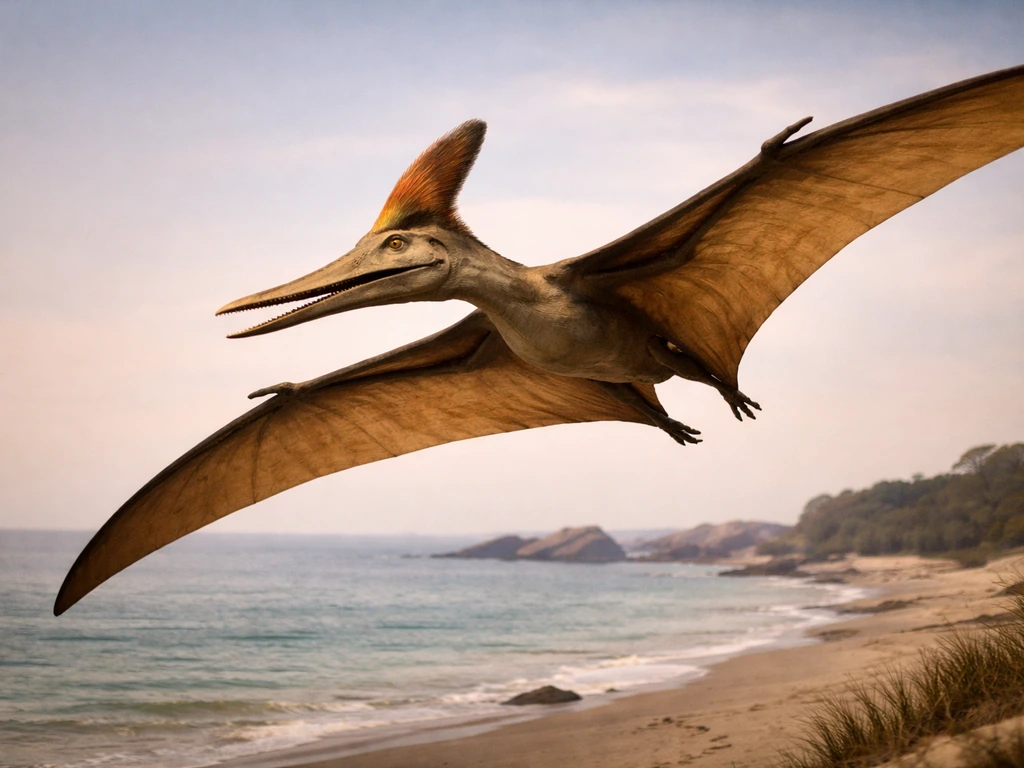
Pterosaurs are extinct flying reptiles that lived during the age of dinosaurs. They could fly, they shared the skies with early birds, and they were closely related to dinosaurs. But they were not birds. The key difference is wing structure: pterosaur wings were formed by a membrane of skin and muscle stretched between an enormously elongated fourth finger and the body, with no feathers involved. Their bones, physiology, and classification place them firmly in the reptile lineage, not Aves. The American Museum of Natural History is clear on this: pterosaurs are not birds and not dinosaurs, but a separate group of flying reptiles. Confusing them with birds is understandable but biologically incorrect.
Bats (again): the flying mammal that isn't a bird
Bats come up so often in "is it a bird?" conversations that they're worth addressing twice. They are the only mammals capable of true powered flight, which is remarkable and probably why people keep mentally filing them with birds. But fur instead of feathers, live birth instead of hard-shelled eggs, and a completely different wing anatomy (skin membrane over finger bones vs. feather-covered forelimbs) put bats squarely in class Mammalia, not class Aves. If you see something flying at dusk and wonder whether it's a bat or a bird, look at the wing shape: bat wings have a distinctive thin, membranous look and often show visible finger structure, while bird wings look solid and feathered.
How to confirm: field cues, anatomy, and trusted references
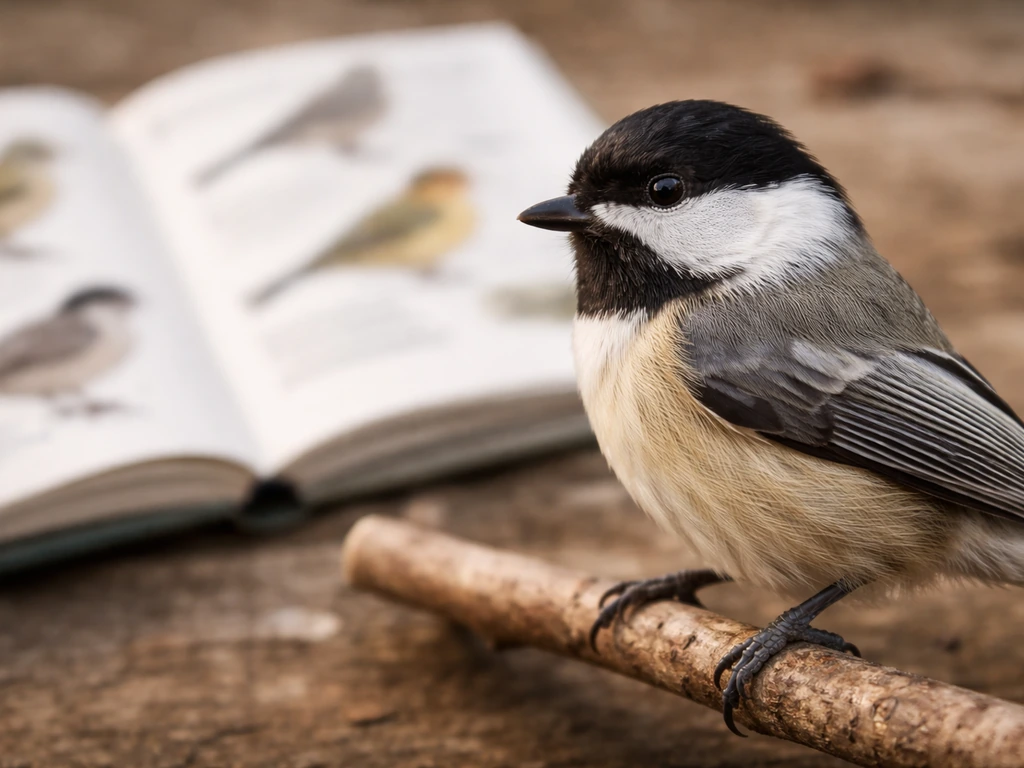
If you're looking at a live animal and want to confirm it's a bird, start with what you can see directly. Visible feathers settle it immediately. After that, check for a beak (not teeth, not a snout), and look at the feet: birds typically have scaled feet with three or four forward-pointing toes and one backward-pointing toe, though there's variation. The presence of a distinct neck, upright or semi-upright posture, and warm skin (not cold to the touch like a reptile) also support the classification.
For digital confirmation, a few resources are genuinely useful. ITIS (Integrated Taxonomic Information System) maintains a searchable database of species classified under class Aves, so if you have a species name, you can verify its taxonomic placement in about 30 seconds. GBIF (Global Biodiversity Information Facility) offers a structured taxon page for Aves that lists key traits alongside taxonomic placement. GBIF also explains that taxonomic names in its system are checked against its backbone, helping standardize and validate names for analyses of occurrence data GBIF (Global Biodiversity Information Facility) offers a structured taxon page for Aves that lists key traits alongside taxonomic placement.. Both are free and authoritative.
If you're working from a photo or field observation and aren't sure what species you're looking at, iNaturalist is one of the best tools available. Upload a photo and the platform's community of identifiers will apply community consensus. Observations reach "Research Grade" when more than two-thirds of identifiers agree on the taxon, which gives you a strong confidence signal that your animal is correctly identified. Filter to Research Grade results to avoid low-confidence IDs.
Quick steps for any "is this a bird?" question
- Check for feathers first. If present, it's a bird. If absent, move to step 2.
- Check for a hard beak and no teeth. Combined with warm-bloodedness, this strongly suggests bird.
- Look at the forelimbs. Are they wings or wing-like, even if flightless? Or are they arms, legs, fins, or membranous flaps?
- Check reproduction. Does it lay hard-shelled eggs? This supports bird classification.
- If still unsure, look up the species name on ITIS or GBIF to see whether it's placed in class Aves.
- For field observations, submit a photo to iNaturalist and wait for Research Grade consensus.
The key mindset shift is this: don't use flight, habitat, or size as your test. A penguin in the ocean is still a bird. An ostrich that can't leave the ground is still a bird. A bat swooping through the air is not a bird. Use the biological checklist, especially feathers, and you'll get it right every time. If you’re wondering “is a bird” about a specific animal, use the checklist and confirm with authoritative references like ITIS or GBIF.
FAQ
What if the animal has something that looks like feathers, but I cannot clearly see them?
Use proximity checks, not appearance. Look for true feather structures like a central shaft with branching vanes on the body surface. If you only see hairlike fuzz, filamentous growth on certain areas, or a single “plume” without clear feather anatomy, you should not treat it as a definitive feather signal.
Can an animal be a bird if it has feathers but has no wings or never flies?
Yes. Flight is not required for bird classification. Birds can be fully flightless (like ostriches), partially winged with reduced flight capability, or mostly non-flying, as long as they meet the biological criteria such as being feathered and having the core bird traits.
How do I tell the difference between a bat wing and a bird wing in a low-light photo?
Focus on the wing edges and pattern. Bat wings typically appear as a continuous membrane with visible finger structure near the leading edge and fewer internal featherlike breaks, while bird wings usually read as a solid, feathered surface with many small overlapping contours.
What if the bird is a juvenile and has not fully developed feathers yet?
Prioritize what is actually present. Very young birds can look “scruffy” or partially feathered, but they still produce feather structures as they grow. If you cannot see any real feathers or can only see downlike fluff with no feather anatomy, you may need stronger evidence like beak/bill structure and feet.
Do feathers on their own always settle the question, even for extinct animals or fossils?
Not always. Fossils that preserve only vague impressions can be ambiguous. For fossils, use the article’s combined approach, add context like hard-shelled egg evidence when available, and treat “feather-like” impressions cautiously unless they show consistent feather microstructure.
What about feathered dinosaurs, are they birds?
Some are close relatives, but being a bird is about belonging to the avian lineage, not just “having feathers.” Feathered theropods can predate or sit outside the crown group of modern birds, so you should rely on taxonomic placement rather than just the presence of feathers.
If an animal lays hard-shelled eggs and has a bill, but I cannot confirm feathers, what should I do?
Do not treat those traits as sufficient by themselves. Confirming feathers is the quickest field check, but in unclear cases, verify other bird-defining anatomy and use a taxonomic database or identification community to avoid misclassification.
How reliable is community ID from iNaturalist for deciding whether it is a bird?
It can be very reliable when the result is marked Research Grade and the consensus is strong, but it is still dependent on image quality and correct photo context. If feather evidence is unclear in the image, you may want to cross-check with a second photo angle or another ID method.
Are there edge cases where an animal might be mislabeled as a bird because of behavior or habitat?
Yes, especially animals that “perform” birdlike behaviors. Examples include flying insects, gliding mammals, and marine animals that look streamlined. Behavior and habitat do not define the category, so only classification traits like feathers and bird anatomy should guide the decision.
Which authoritative source should I use if I have the species name, and what exactly am I checking?
Use ITIS to confirm whether the species is placed in class Aves, and use GBIF as a secondary verification for taxonomic placement under Aves. You are checking the taxonomic class assignment, not common names, which can be misleading.
How can I confirm a “beak” when the animal has a mouth that looks toothy or has a tough snout?
Look for a horny covering on the jaws that forms a distinct bill shape, not just a rigid snout. If you see clear tooth structures or a mammallike jaw with teeth, it is unlikely to be a bird even if it has superficially similar feeding behavior.
Does touching the animal help, for example, checking if it is warm-blooded?
Warm-bloodedness can support the conclusion, but it is not practical as a primary test because environmental temperature and your touch sensitivity can mislead you. Treat it as supportive evidence after you have found stronger signals like feathers and bird-specific anatomy.
Next Article
What Is a Bird, a Fruit, and a Person? Clear Definitions
Clear definitions of bird, fruit, and person, plus a checklist to classify any creature as a true bird or not.