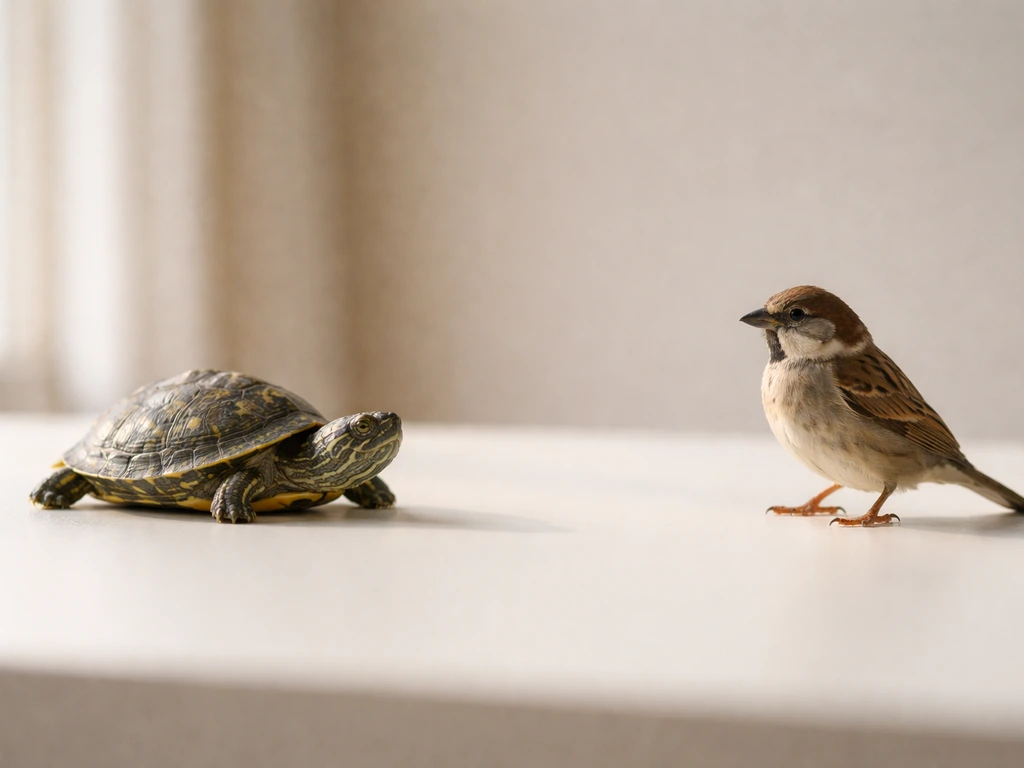
Yes, a bird is an animal. Every bird on the planet, from the tiny bee hummingbird to the towering ostrich, belongs to Kingdom Animalia, the same biological kingdom that includes mammals, reptiles, fish, and insects. Being a "bird" and being an "animal" are not competing categories. Bird is a specific type of animal, the same way a dog is a specific type of animal. The confusion usually comes from everyday language, where people sometimes use "animal" to mean a furry four-legged creature and "bird" to mean something separate. Biology doesn't work that way.
Is a Bird and Animal? How to Tell Birds From Other Creatures

Sarah Chen
11 May 2026
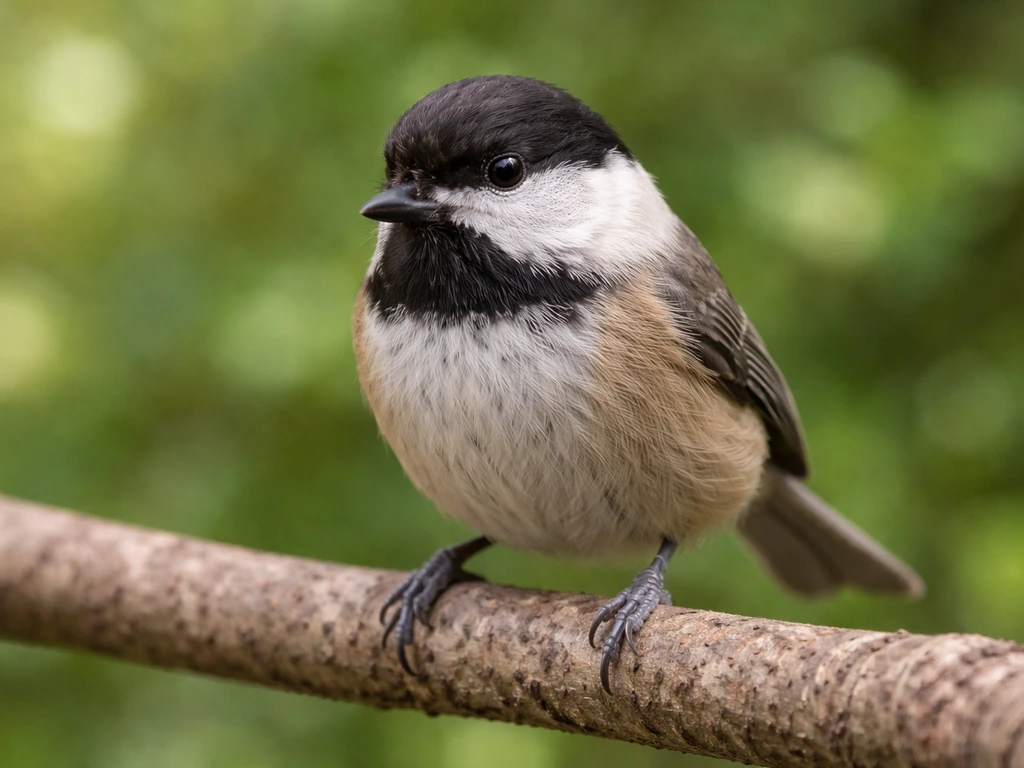
When something is (or isn't) a bird
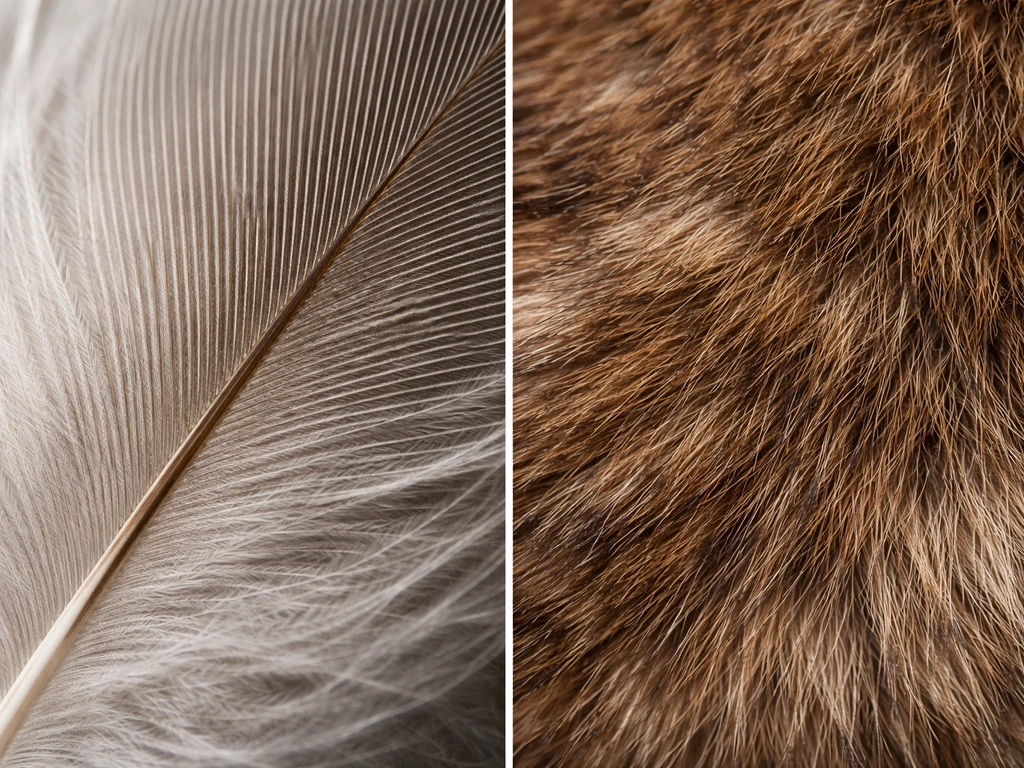
A creature is a bird if it belongs to the class Aves. That classification comes with a very specific set of physical traits that no other animal group shares in combination. You don't need a biology degree to apply this. If a creature has all of the following, it's a bird:
- Feathers (the single most reliable indicator, present in every living bird and no other living animal)
- A beak or bill with no teeth (modern birds)
- Two wings (even if they can't fly, the wing structure is present)
- Lays hard or leathery-shelled amniotic eggs
- Warm-blooded (endothermic), meaning it regulates its own body temperature
- A skeleton with hollow or semi-hollow bones that reduce weight
- Two legs (birds are the only bipedal vertebrates alive today)
If a creature is missing feathers, it's almost certainly not a bird, regardless of whether it can fly or not. Conversely, if it has feathers, it is a bird, even if it can't fly, swims all day, or looks more like a penguin than a robin.
Birds vs other animals: mammals, reptiles, and amphibians
All of these groups, birds included, live under the Kingdom Animalia umbrella. What separates them is their class within the animal kingdom. Here's how they break down at a practical level:
| Group | Key traits | Covers your body with | Gives birth / lays eggs |
|---|---|---|---|
| Birds (Class Aves) | Warm-blooded, beak, wings | Feathers | Lays hard-shelled eggs |
| Mammals (Class Mammalia) | Warm-blooded, nurse young with milk | Hair or fur | Most give live birth; platypus lays eggs |
| Reptiles (Class Reptilia) | Cold-blooded, scales | Scales or scutes | Most lay leathery eggs |
| Amphibians (Class Amphibia) | Cold-blooded, moist skin, two life stages | Moist, smooth skin | Lays soft, jelly-coated eggs in water |
The warmbloodedness and feathers combination is what puts birds in a league of their own. Mammals are also warm-blooded, but they have hair, not feathers, and most don't lay eggs. Reptiles may share a deep evolutionary history with birds (birds actually evolved from theropod dinosaurs, making them technically avian dinosaurs), but living reptiles are cold-blooded and covered in scales.
Birds vs the look-alikes: bats, pterosaurs, and other borderline cases
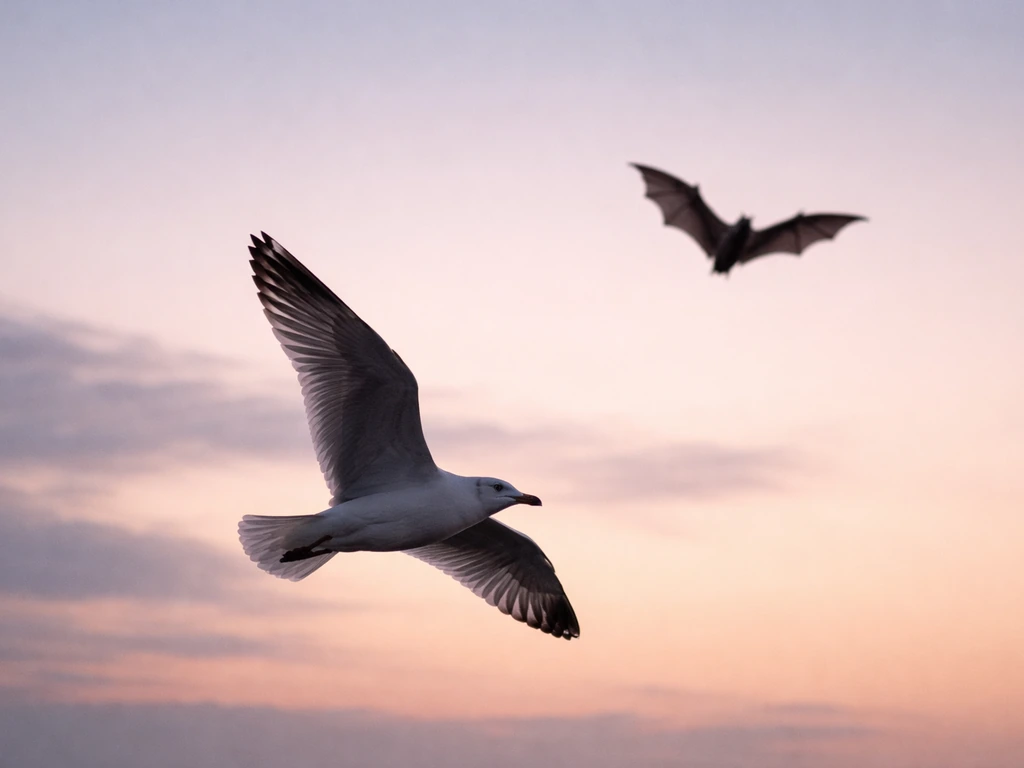
Some animals look so much like birds that it's genuinely understandable to mix them up. The fact that something flies or has wings does not make it a bird. Wings evolved independently in multiple animal lineages, a process biologists call convergent evolution.
Bats
Bats fly, they're warm-blooded, and some species eat the same insects birds hunt. But bats are mammals. They have fur, not feathers. They nurse their young with milk. Their wings are formed from a stretched membrane of skin between elongated finger bones, not from modified arm-and-feather structures like birds. If you see something flying at night and wonder whether it's a bird, check for fur and the distinctive membrane wing shape. That's a bat.
Pterosaurs
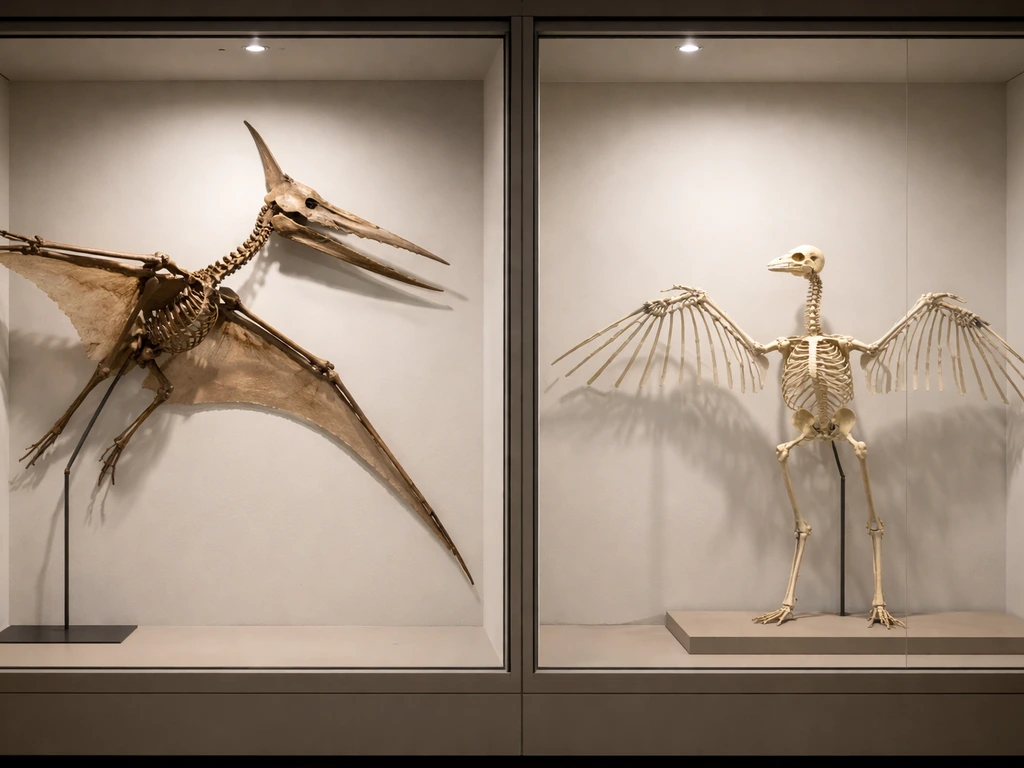
Pterosaurs (think Pterodactyl) were flying reptiles that lived alongside dinosaurs and went extinct around 66 million years ago. They are not birds, and they are not dinosaurs either. They were a separate reptile group with membrane wings, no feathers (though some may have had hair-like filaments), and a very different skeletal structure. Birds and pterosaurs lived at the same time, but they're not closely related. Pterosaurs are extinct; birds are very much not.
Flying insects and flying fish
No insect is a bird. Insects are invertebrates with six legs and an exoskeleton. Flying fish briefly glide above water using enlarged pectoral fins, but they're fish. The "can it fly" test is simply not a reliable way to identify birds.
Do all birds count as animals? What "animal" means in plain terms
In biological terms, an animal is any multicellular organism that is eukaryotic (its cells have a nucleus), heterotrophic (it has to eat other things to get energy rather than making its own food through photosynthesis), and whose cells lack rigid cell walls. That definition covers a huge range of life: insects, fish, mammals, birds, worms, sponges, jellyfish. Every single bird alive checks all of those boxes. Birds eat food, they are made of many cells, their cells have nuclei, and they have no cell walls. So yes, every bird is an animal, without exception.
The confusion in everyday language comes from the colloquial use of the word "animal" to mean a furry, non-human creature, sort of the way people say "bugs" to mean any small crawling thing. Biology is more precise. When scientists say "animal," they mean any member of Kingdom Animalia, and birds have been firmly in that kingdom for their entire evolutionary history. So, in the person place or thing categories, a bird is a thing, not a person, and not a place member of Kingdom Animalia.
Common misconceptions and how to check using key traits
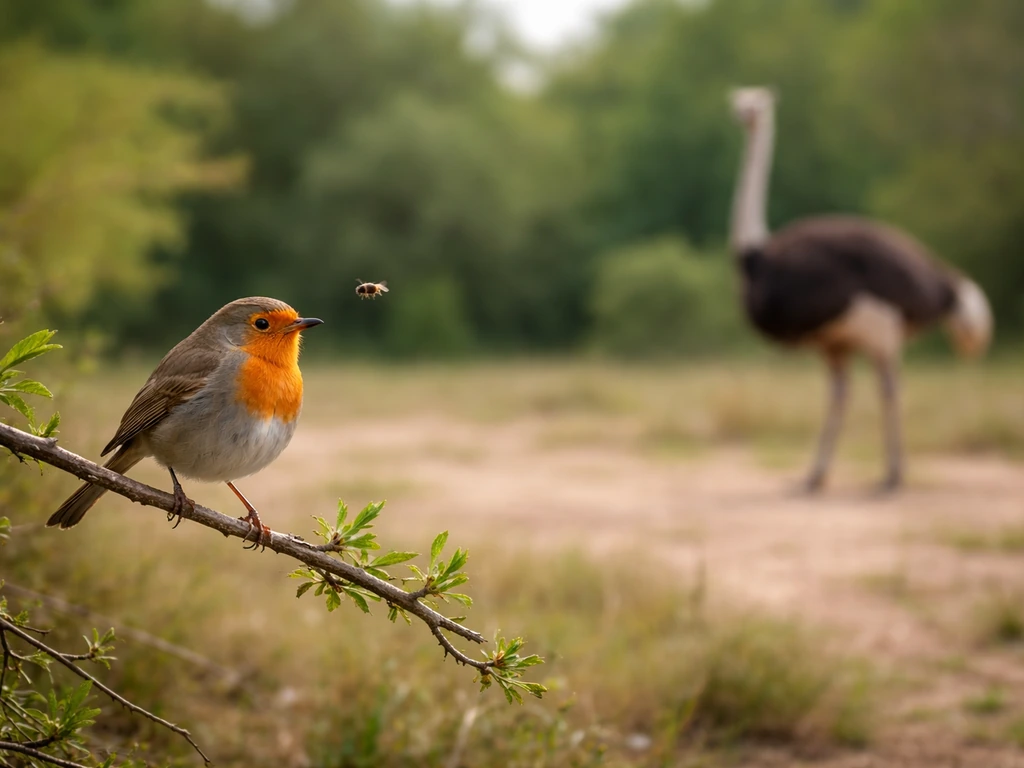
A few misconceptions come up over and over when people try to figure out whether something is a bird or what kind of animal it is. If you’re also wondering what is a bird, a fruit, and a person in everyday terms, it helps to separate biology from wordplay and definitions what kind of animal it is. Here are the most common ones and the fast way to resolve them:
- "If it can't fly, it's not a bird" — Wrong. Flight is not a requirement. The only reliable trait checklist is feathers, beak, two wings (even reduced), warm-blooded, and lays hard-shelled eggs.
- "If it flies, it must be a bird" — Wrong. Bats, pterosaurs, and flying insects all fly but are not birds.
- "Birds and animals are different categories" — Wrong. Birds are animals. They are a specific class within the animal kingdom.
- "Reptiles and birds are completely unrelated" — Misleading. Birds evolved directly from theropod dinosaurs, so they sit inside the broader reptile evolutionary tree, though they're classified separately as Class Aves.
- "All egg-laying creatures are birds" — Wrong. Reptiles, fish, amphibians, and even a few mammals (like the platypus) lay eggs.
The fastest way to check any creature: look for feathers first. If it has feathers, it's a bird. A can that is also a bird would still need to satisfy the same feather-and-class-of-birds criteria. If it doesn't, it's not a bird, no matter what else it does. If you're trying to classify an animal in plain terms, one is a bird is the kind of quick reference check this guide builds toward.
Examples people commonly ask about
Penguins
Penguins are birds. Full stop. Penguins are birds, and if you're wondering about the bird status of other animals too, like whether koko is a bird, use the same feathers-plus-class approach. They can't fly through the air, they spend most of their lives in or near water, and they look about as unlike a sparrow as possible. But they have feathers, a beak, two wings (modified into flippers), are warm-blooded, and lay hard-shelled eggs. Every trait on the bird checklist is there. Penguins are birds that evolved to swim instead of fly.
Ostriches
Ostriches are birds. They're the largest living bird species, can grow up to 9 feet tall and weigh over 300 pounds, and they cannot fly. Their wings are too small to lift their massive bodies. But they have feathers, a beak, two wings, are warm-blooded, and lay the largest eggs of any living bird. Ostriches are textbook birds despite never leaving the ground.
Bats (asked again, because it comes up that often)
Bats are not birds. They are the only mammals capable of sustained flight. No feathers, no beak, fur-covered bodies, membrane wings built from finger bones and skin. Mammals, not birds.
Platypus
A platypus has a bill that resembles a duck's beak, which throws people off. But it's a mammal. It has fur, produces milk for its young, and while it does lay eggs (making it a monotreme mammal), it has zero feathers. Not a bird.
How to classify an unknown creature step by step
If you come across a creature and genuinely aren't sure what it is, work through this sequence:
- Does it have feathers? Yes = bird. No = move to step 2.
- Does it have hair or fur? Yes = mammal. No = move to step 3.
- Does it have scales and is it cold-blooded? Yes = likely reptile or fish. No = move to step 4.
- Does it have moist smooth skin and live a double life (water as a larva, land as an adult)? Yes = amphibian. No = move to step 5.
- Does it have more than four limbs, an exoskeleton, or no backbone at all? Yes = likely an invertebrate (insect, spider, crustacean, etc.).
- Still unsure? Look up the species name in a reliable reference like the Integrated Taxonomic Information System (ITIS) or a national wildlife database for a definitive classification.
This flow works for the vast majority of creatures you'll encounter. The feathers check in step 1 is almost never ambiguous in real life. No living non-bird animal has feathers.
When to get more specific: taxonomy basics without overwhelming you
For most everyday purposes, knowing that birds belong to Class Aves under Kingdom Animalia is enough. But if you want to go one layer deeper, here's how biological classification is structured, from broadest to narrowest: Kingdom, Phylum, Class, Order, Family, Genus, Species. Birds sit at Kingdom Animalia, Phylum Chordata (meaning they have a spinal cord), and Class Aves. Every species of bird, all roughly 10,000 of them known today, fits inside Class Aves.
Within birds, you'll find major Orders that group similar birds together. Passeriformes covers perching birds like sparrows and crows. Sphenisciformes covers penguins. Struthioniformes covers ostriches. Each Order is then broken down further into families, genera, and individual species. You only need this level of detail if you're trying to identify a specific bird species or settle a more nuanced classification question. For the basic question of "is this creature a bird and is a bird an animal," the feathers-plus-Aves answer is definitive. If you are wondering, “is this creature a bird and is a bird an avian?”, the key is that birds fall into Class Aves.
If you're exploring related questions, the same classification logic helps answer things like whether avian simply means "of or relating to birds" (it does), or whether a specific creature like a kiwi or a cassowary still counts as a bird despite barely resembling one (they do, because feathers and anatomy don't lie). The checklist approach works across the board, and once you have it down, you'll rarely be stumped by a classification question again.
FAQ
What’s the quickest way to tell whether something is a bird when it has wings but no visible feathers?
Use the “feathers first” rule, but if feathers are not visible, look for a beak-like mouth structure, a typical bird-style leg anatomy, and bird-typical egg-laying behavior. If you cannot confirm feathers and the anatomy does not match, treat it as a non-bird rather than relying on wings alone.
Can an animal be both a bird and something else (like a reptile) at the same time?
In standard classification, “bird” is a class (Aves) within the animal kingdom, so a living creature cannot be in two different vertebrate classes at once. Some birds may share traits with reptiles due to ancestry, but they are still birds if they meet the bird class criteria.
Do all birds lay hard-shelled eggs, and does that ever affect the “is it a bird” question?
For birds, egg-laying is a defining bird trait, and living birds produce eggs. However, in the wild you usually cannot safely rely on seeing eggs, so feathers and bird body plan traits are a better first check than reproductive observations.
If a creature is feathered, is it automatically a bird even if it looks very different (like a fake-feather craft or a taxidermy specimen)?
In real biology, yes, feathers plus the bird body plan point strongly to birds. But for crafts, costumes, or preserved specimens, “feathers” may be imitation, so you would need to confirm it is an actual animal with bird anatomy, not just decorative feather-like material.
How should I classify animals that glide using wings, like some frogs, lizards, or squirrels?
Gliding structures do not equal bird status. Look for feathers (not membranes or skin flaps) and bird-specific anatomy. If the “wings” are skin membranes or folds supported by ribs or limbs, it is very likely not a bird.
What about marine animals that look like birds and swim, like sea birds versus seabird-like creatures?
Sea birds that have feathers and bird anatomy are birds even if they spend most time in water. But fish, marine reptiles, and marine mammals that may swim efficiently are not birds, even if they have wing-like shapes, because feathers and bird class traits are missing.
Are featherless birds possible, or are there truly no living birds without feathers?
Modern birds are characterized by feathers, so a living bird without feathers would be exceptionally unlikely and would conflict with what defines birds. If you find a “bird” that truly appears featherless, re-check the identification for feather absence versus visibility and consider it might be a different animal group.
How do I interpret the term “avian” if I’m reading about animals in the context of disease or wildlife?
“Avian” generally means relating to birds, so avian disease risk or avian species lists refer to members of the bird groups. If a source uses “bird” and “avian” interchangeably, it typically means the same class-level idea, not “anything that can fly.”
What’s the most common mistake people make when deciding whether something is a bird?
The biggest mistake is using the ability to fly (or having wings) as the main identifier. Wings evolved multiple times in different lineages, so you can only trust the bird conclusion when feathers and bird-class traits align.
If I want to identify a specific bird species, do I start over from scratch using feathers and Aves, or is there a different workflow?
Start with the broad yes/no by confirming it is a bird (feathers plus bird anatomy). Then you move to field marks like size, beak shape, overall posture, and habitat, which help narrow Order, Family, and Species. The article’s feathers-plus-Aves check is the gateway step, not the whole process.
Next Article
Is a Turtle a Bird? Simple Taxonomy Checklist and Facts
No, turtles are not birds. Learn the traits that define birds versus reptiles and fix common shell and egg misconception