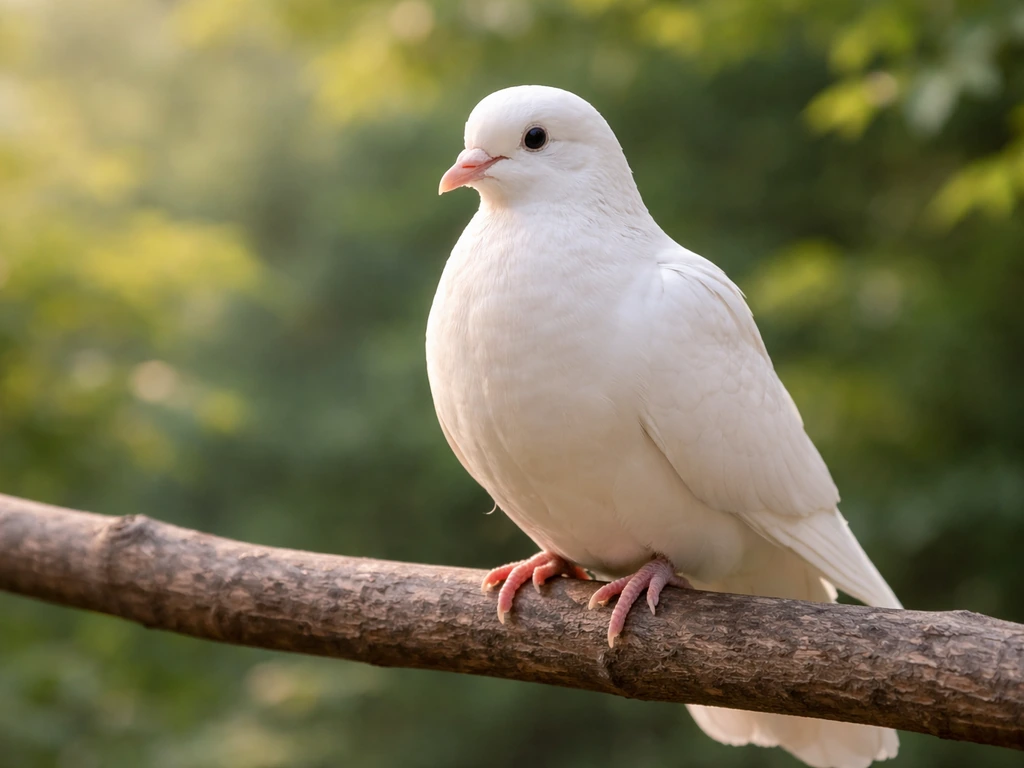
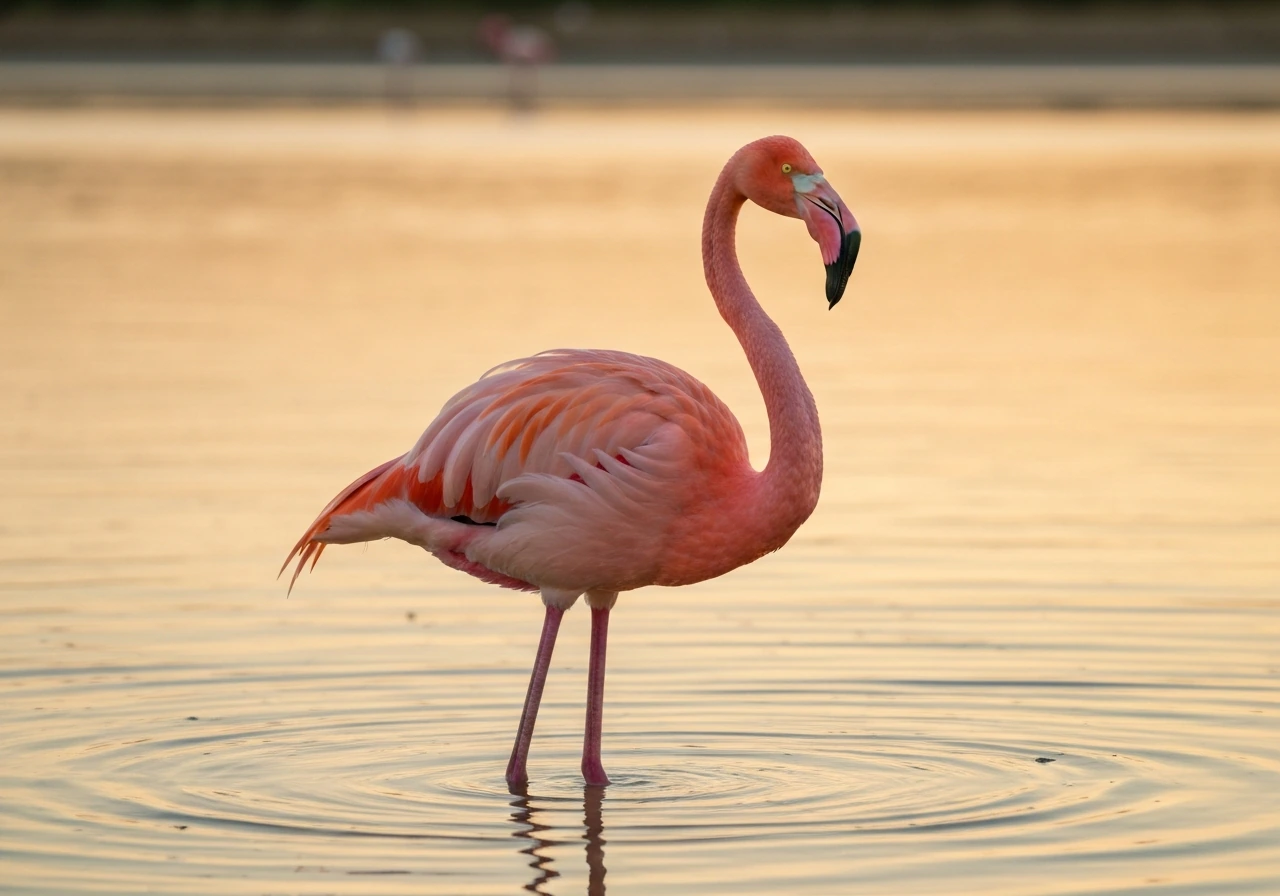
A flamingo is a bird. More specifically, it is an animal (all birds are animals), but within the animal kingdom it belongs to Class Aves, which is the formal scientific grouping for birds. The American flamingo (Phoenicopterus ruber) is classified by ITIS, the US Fish and Wildlife Service, and GBIF under Class Aves, Order Phoenicopteriformes, Family Phoenicopteridae. There is no ambiguity here in taxonomy or in biology. If you searched 'flamingo is a bird or animal' expecting a tricky answer, here it is: bird and animal are not opposites. A flamingo is an animal that is specifically a bird.
Flamingo Is a Bird or Animal? How to Tell for Sure

Sarah Chen
7 Jul 2026
Bird vs. other animals: how these categories actually work
The confusion behind the 'bird or animal' question usually comes from treating 'animal' and 'bird' as separate buckets. They are not. Animal is the broad kingdom. Inside it, scientists organize creatures into smaller and smaller groups. Vertebrates (animals with backbones) break down into major classes: mammals, reptiles, amphibians, fish, and birds. So a flamingo is an animal at the top level, then a vertebrate, then specifically a bird. Saying 'bird or animal' is a little like asking if a Labrador is a dog or a mammal. It is both, with mammal being the broader category.
The groups people most commonly mix up with birds are mammals and reptiles. Mammals have hair or fur, give birth to live young in most cases, and nurse those young with milk. Reptiles have scales, are typically cold-blooded, and most lay eggs with leathery or flexible shells. Birds sit in their own class, Aves, with a distinct set of features. Understanding those features is the fastest way to sort any animal correctly.
The core traits that make something a bird
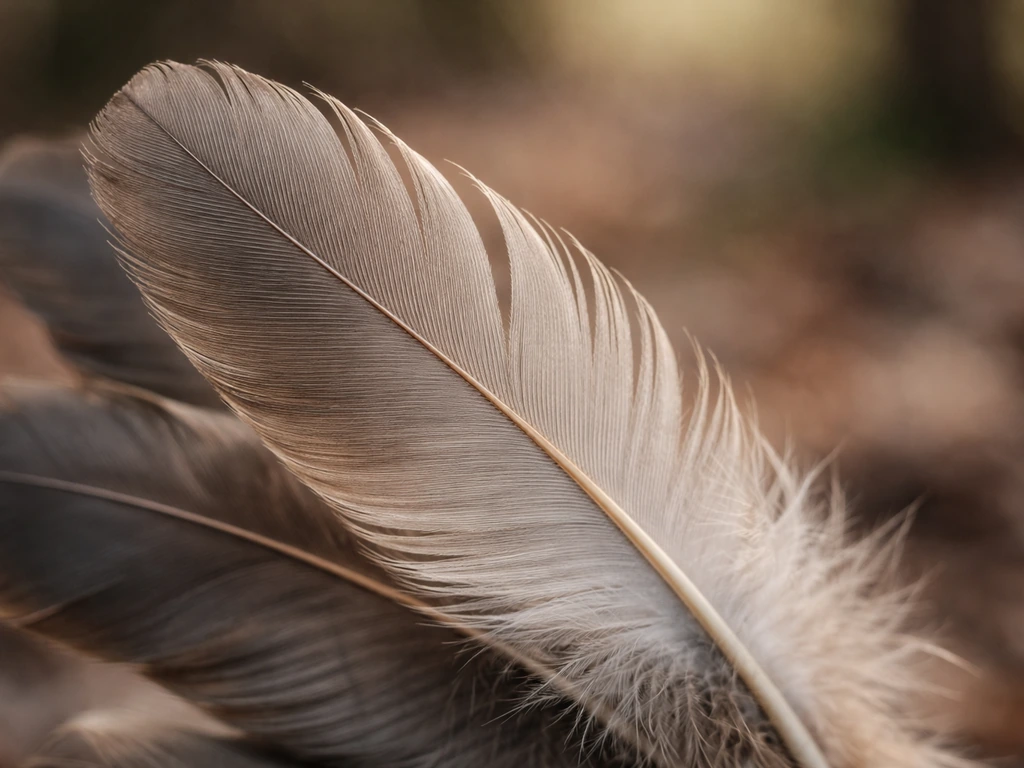
Several sources including the Smithsonian National Museum of Natural History, Cornell Lab of Ornithology, and the Illinois DNR converge on the same short list of defining bird characteristics. You do not need all of them to be present in a memorable way, but together they confirm a bird classification every time.
- Feathers: the single most reliable feature. No other living animal has feathers. Not bats, not flying squirrels, not reptiles.
- Hard-shelled eggs: birds lay eggs with calcified, rigid shells. Reptile eggs are usually leathery and flexible, which is one quick way to tell the groups apart.
- Hollow bones: bird skeletons contain air-filled cavities that reduce weight, an adaptation tied to flight in most species.
- A beak or bill with no teeth: birds have a keratin (horny) beak instead of teeth, unlike most other vertebrates.
- Two wings and two legs: the standard bird body plan, even when wings are vestigial or used for swimming rather than flying.
- Warm-blooded (endothermic): birds regulate their own body temperature internally, as mammals do, but unlike most reptiles.
One quick caution: warm-blooded and egg-laying alone do not confirm a bird. Mammals are also warm-blooded, and some mammals (like the platypus) lay eggs. The combination of feathers plus hard-shelled eggs plus hollow bones is what nails the classification. Feathers especially are the non-negotiable marker.
Why flamingos clearly fit the bird checklist
Run a flamingo through that checklist and it checks every box without hesitation. Cornell Lab of Ornithology's All About Birds calls flamingos 'truly unmistakable birds,' and the biology backs that up completely.
| Bird Trait | Does the Flamingo Have It? | Detail |
|---|---|---|
| Feathers | Yes | Pink plumage with black flight feathers along wing edges; chicks hatch with white-gray downy feathers |
| Hard-shelled egg | Yes | Females lay one large, hard-shelled egg in a volcano-shaped mud nest; it hatches in about 30 days |
| Hollow bones | Yes | Standard avian skeletal structure |
| Beak (no teeth) | Yes | Distinctive downward-bent bill used to filter small aquatic invertebrates |
| Two wings, two legs | Yes | Long legs with three webbed front toes; wings used in flight between feeding sites |
| Warm-blooded | Yes | Regulates internal body temperature as all birds do |
The feathers point is worth emphasizing because it is so visible. Flamingo chicks hatch covered in soft, white-gray down, which is already feather growth from day one. Adult flamingos display the iconic pink plumage (color comes from pigments in their food, not from genetics) alongside black-tipped flight feathers visible when they spread their wings. That is unambiguously avian anatomy.
Common confusion traps and 'bird vs not bird' mix-ups
The 'bird or animal' question is genuinely a language issue more than a biology issue, but there are a few real misclassification traps worth knowing about so you can avoid them with other animals too.
Trap 1: Thinking 'bird' and 'animal' are opposites
This is the most common one. People sometimes use 'animal' to mean mammals specifically, and separate that from birds, fish, or insects. In biological classification, all of those groups are animals. Birds are a subset of animals, just a very specific subset with their own class.
Trap 2: Assuming anything that flies is a bird
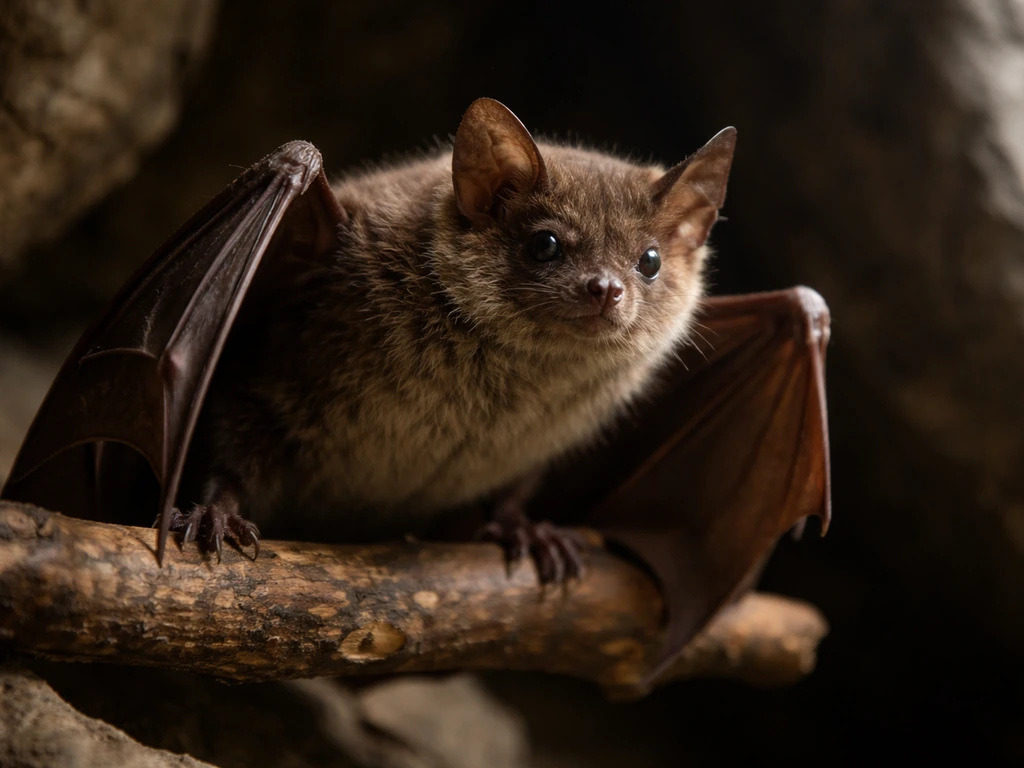
Bats fly, but they are mammals with fur, live birth, and no feathers. Pterosaurs (extinct flying reptiles) flew, but they were reptiles, not birds. The presence of wings or flight ability does not determine bird status. Feathers do. Penguins are birds even though they cannot fly, because they have feathers, hollow bones, and lay hard-shelled eggs. A dove is also a bird because it has feathers and lays hard-shelled eggs, which fit the bird checklist. Bats are not birds despite being airborne.
Trap 3: Assuming anything that lays eggs is a reptile
This one trips people up with flamingos specifically. Flamingos lay eggs, so some people mentally drift toward reptile comparisons. The key difference is shell type: bird eggs have hard, calcified shells; most reptile eggs have soft, leathery ones. Plus, no reptile has feathers. The egg-laying trait alone is not diagnostic for either group. Illinois DNR’s teacher guide for the “What Makes a Bird a Bird?” lesson uses a checklist of bird traits, including feathers, hard-shelled eggs, and hollow bones, to help address common mix-ups like “it lays eggs so it’s not a bird.”.
Trap 4: Unusual appearance suggesting a different category
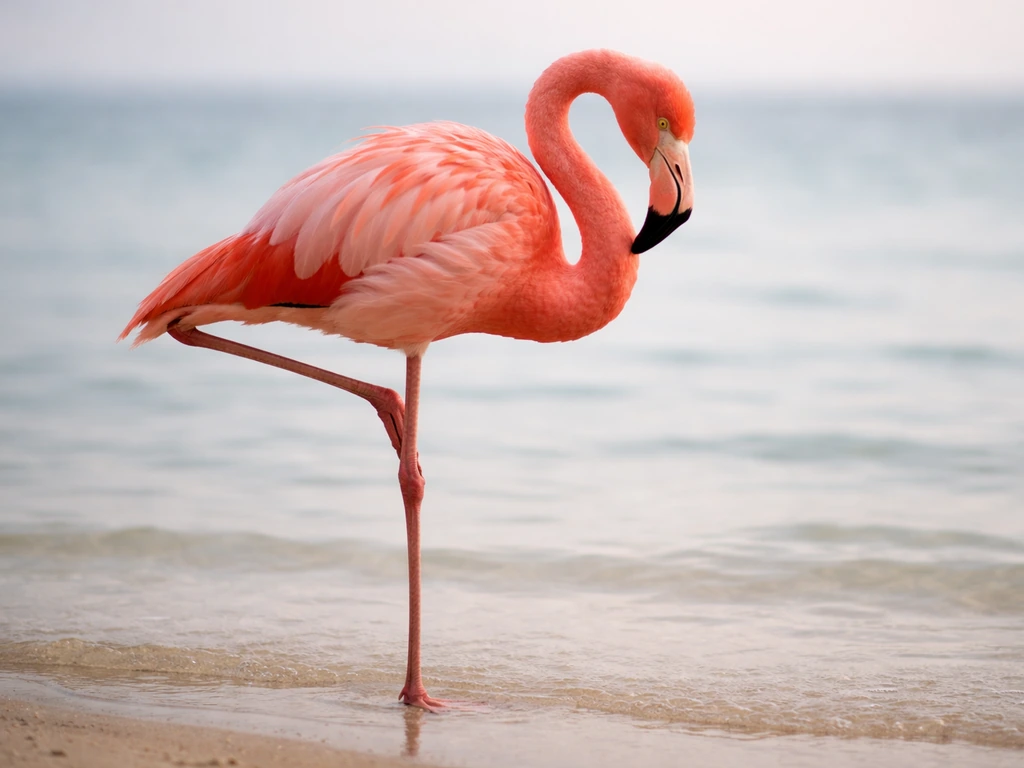
Flamingos look strange. The pink color, the dramatically bent bill, the long stilt-like legs, and the habit of standing on one leg all make them feel exotic enough that people sometimes wonder if they belong in a special category of their own. They do not. Unusual morphology does not create a new animal class. A flamingo is as much a bird as a robin or a sparrow. The same logic applies to ostriches (which cannot fly but are definitely birds) and penguins (which swim more than they fly but are still birds). Pigeons are also perching birds, and their feet are built for gripping branches securely. The checklist does not change based on how unusual the animal looks.
How to verify any animal's classification in minutes
If you ever want to confirm the classification of an animal quickly, here is a reliable three-step process that works for flamingos, pigeons, doves, or anything else you are unsure about.
- Look up the scientific name on ITIS (Integrated Taxonomic Information System) or GBIF (Global Biodiversity Information Facility). Search the animal's common name, open its report or taxon page, and find the 'Class' field. If it says Aves, it is a bird. Full stop. For the flamingo, ITIS shows Class: Aves for Phoenicopterus ruber.
- Cross-check with the US Fish and Wildlife Service taxonomic tree or Cornell Lab's All About Birds species page. Both list Class Aves for flamingos and provide visual confirmation of bird traits like plumage, bill shape, and nesting behavior.
- Apply the physical checklist. Does the animal have feathers? Does it lay hard-shelled eggs? Does it have a beak with no teeth? If yes across the board, you have a bird. If you see fur instead of feathers, you have a mammal. If you see scales and leathery eggs, you are looking at a reptile.
These same steps work for any creature you want to classify. Whether you are questioning a pigeon, a dove, or something more unusual, the process is identical: check the formal taxonomic class first, then confirm with the physical traits checklist. The taxonomy and the anatomy will always agree on a bird.
Flamingos are birds. If you meant the phrase “dove is an upland bird,” it refers to a specific kind of classification for doves that are associated with ground-living habitats Flamingos are birds.. They belong to Class Aves, they have every defining bird trait, and multiple authoritative scientific databases confirm their classification without any qualification. GBIF’s taxonomic record for Phoenicopterus roseus also places the greater flamingo in Order Phoenicopteriformes and Family Phoenicopteridae. If you came here wondering whether the pink, long-legged, filter-feeding flamingo might somehow fall outside the bird category, it does not. It is one of the more visually dramatic birds on the planet, but it is a bird through and through.
FAQ
If flamingos lay eggs and are warm-blooded, how do I tell they are birds and not reptiles?
Yes, but the exact reason matters. Flamingos are birds because they have feathers, produce hard-shelled eggs, and match the broader avian body plan (including hollow bones). Their pink coloration comes from pigments in their food, so color alone should not be used as the deciding clue.
Which flamingo features can I rely on, and which ones are misleading if I use only one clue?
Use the bird traits in combination, not a single feature. For example, “lays eggs” is shared by birds and reptiles, and “warm-blooded” is shared by birds and mammals. The decisive markers are feathers plus hard-shelled eggs plus the underlying avian skeletal traits like hollow bones.
Do flamingos have to be able to fly for them to be considered birds?
No. Flight ability does not determine bird status. Flamingos are birds even though they spend a lot of time wading, and penguins are birds even though they primarily swim. The checklist approach stays the same regardless of how the animal moves.
Why do people argue “bird or animal,” when it sounds like both are true?
Taxonomy can be confusing in everyday language, but scientific categories are nested. “Animal” is the broad group, and “bird” is a specific class within it (Class Aves). So the most accurate phrasing is “a flamingo is an animal that is a bird.”
What common meaning mix-up causes “animal” to be treated as separate from birds?
It can happen because people translate “animal” to mean “mammal” informally. In biology, mammals, birds, reptiles, amphibians, and fish are all animals. If you hear someone treat “animal” as “mammal only,” it is a language mismatch, not a classification problem.
When comparing flamingos to reptiles, what egg detail should I look for?
If you are comparing flamingos to reptiles, focus on egg structure and feathers. Bird eggs are typically hard and calcified, and reptiles generally have softer, leathery shells. Also, reptiles do not have feathers, so you should treat feathers as the non-negotiable marker.
What if my quick classification check conflicts with what I think I know about the animal?
The same basic approach works for any creature: confirm the formal class (or closest taxonomic placement) first, then verify with visible traits from the checklist. If taxonomy and traits disagree, you likely have an incorrect animal ID or you are using the wrong checklist criteria.
How can I confirm a flamingo is a bird from a distance or from pictures?
Feathers are the fastest visual divider in the field. Flamingo chicks already have down at hatching, and adult plumage includes flight feathers that appear when wings are spread. That makes flamingos “unmistakably avian” even if they look very unusual compared to smaller birds.
If someone uses special phrases like “upland bird,” does that change whether flamingos are birds?
Yes, but phrasing should stay consistent. Flamingos are birds, so calling them “birds” in a habitat context is accurate, even if you are making a comparison to other birds like doves or pigeons. Just avoid mixing up unrelated everyday categories such as “upland” versus “bird class” unless you are referring to a specific ecological group.
Next Article
Is a Dove a Bird? Quick Guide to What Makes It a Bird
Yes, a dove is a bird. Learn bird traits, dove basics, and quick checks to spot common lookalikes.