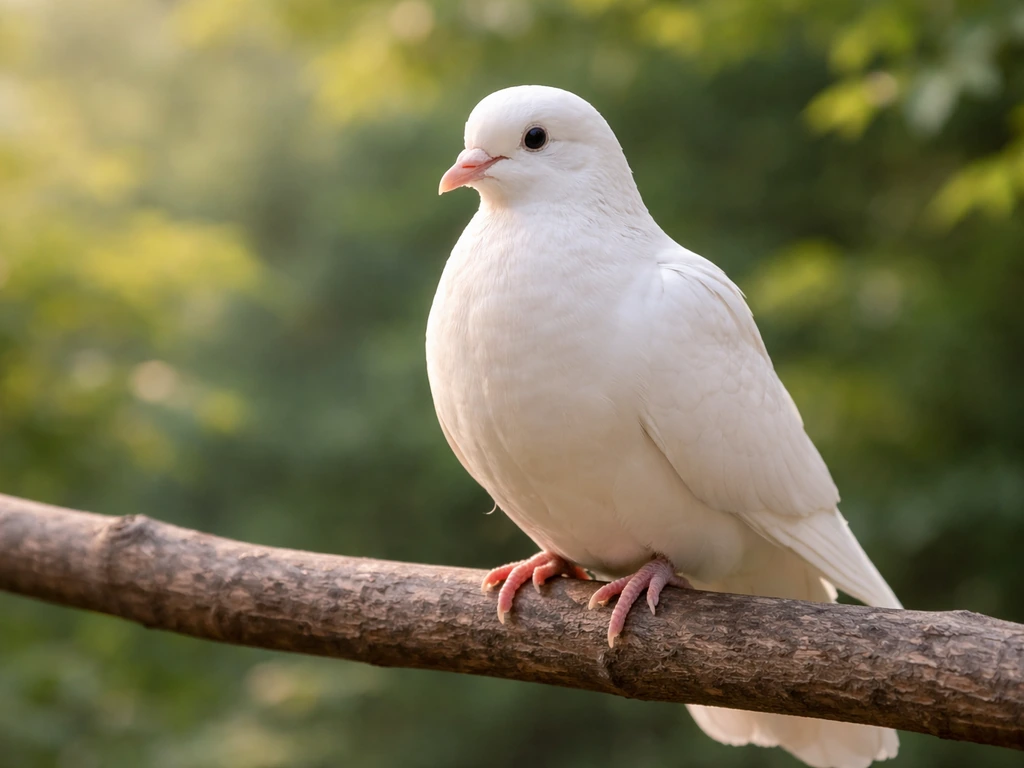
Yes, a dove is absolutely a bird. Doves belong to the family Columbidae within the order Columbiformes, and they check every box that biologists use to define a bird: feathers, hollow bones, wings, and hard-shelled eggs. There is no ambiguity here. If you've ever wondered whether a dove might be something else entirely, the answer is a clear no, it's a bird, full stop.
Is a Dove a Bird? Quick Guide to What Makes It a Bird

Sarah Chen
29 Apr 2026
What actually makes an animal a bird?
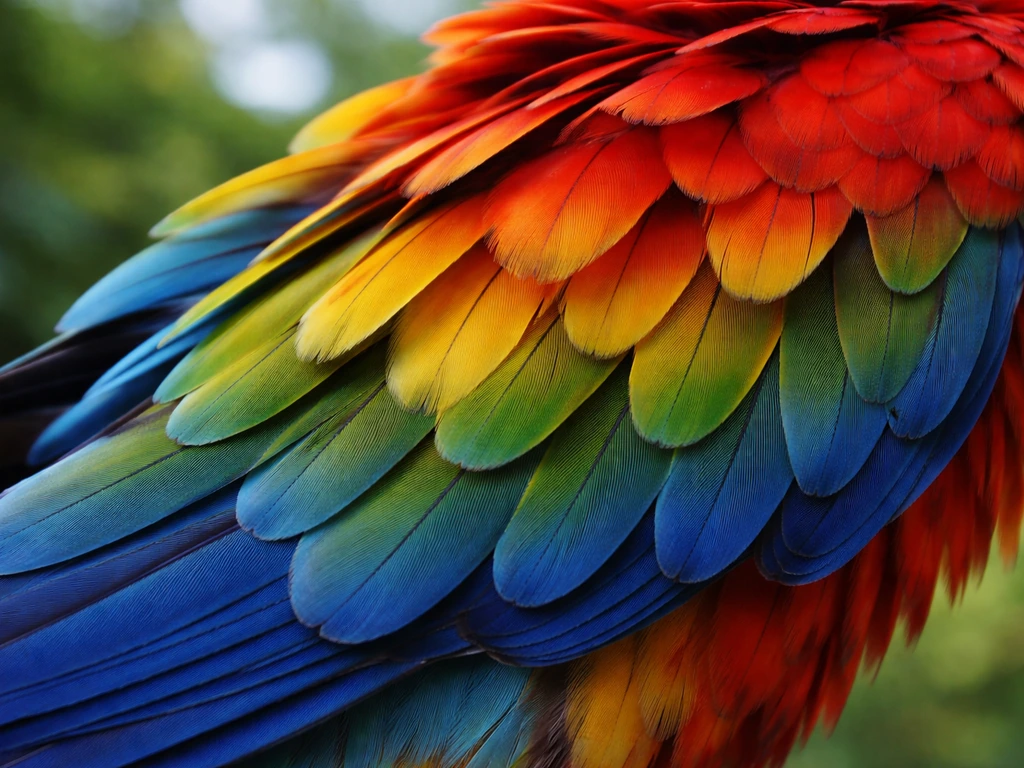
Before diving deeper into doves specifically, it helps to know exactly what biologists look for when classifying something as a bird. Birds make up the class Aves, and the Smithsonian's National Museum of Natural History sums up the core traits well: feathers, hollow bones, and hard-shelled eggs. Britannica adds a couple more useful markers, specifically that birds are warm-blooded vertebrates with forelimbs modified into wings. Together, those traits form a reliable checklist.
- Feathers: the single most distinctive feature of birds — no other living animal group has them
- Hollow bones: lightweight skeletal structure that supports flight in most species
- Hard-shelled eggs: birds reproduce by laying eggs with a firm, calcified shell
- Warm-blooded (endothermic): birds regulate their own body temperature internally
- Forelimbs modified into wings: even flightless birds like ostriches and penguins have wings structurally
The Field Museum puts feathers at the very top of this list, noting that when people think about what makes a bird a bird, feathers are always the first thing that comes to mind. That instinct is biologically sound. Feathers are the clearest, fastest identifier you can use in the real world.
Where doves fit in bird taxonomy
Doves are members of the family Columbidae, which sits inside the order Columbiformes. That classification comes straight from Britannica, which defines a dove as 'any of certain birds of the pigeon family, Columbidae.' Cornell Lab's All About Birds confirms this for the most familiar North American species, listing the Mourning Dove under Order: Columbiformes, Family: Columbidae.
One thing worth knowing: 'dove' and 'pigeon' are not two different animals. They are common names applied to members of the same family, and as Britannica explicitly states, the two names imply no biological distinction. PBS describes pigeons as 'stout-bodied birds in the family Columbidae, the same family that also includes doves.' The National Park Service even notes that blank" rel="noopener noreferrer">the Rock Pigeon is commonly known as the Rock Dove, and that 'rock pigeons are actually doves.' So if you're reading about whether a pigeon is a bird, the answer is the same, yes, for exactly the same reasons. A pigeon is also a bird for the same basic reasons pigeon is a bird. That is also why you will often see pigeons grouped with doves in the same pigeon family, Columbidae pigeon is a bird.
Common dove species and where they're found
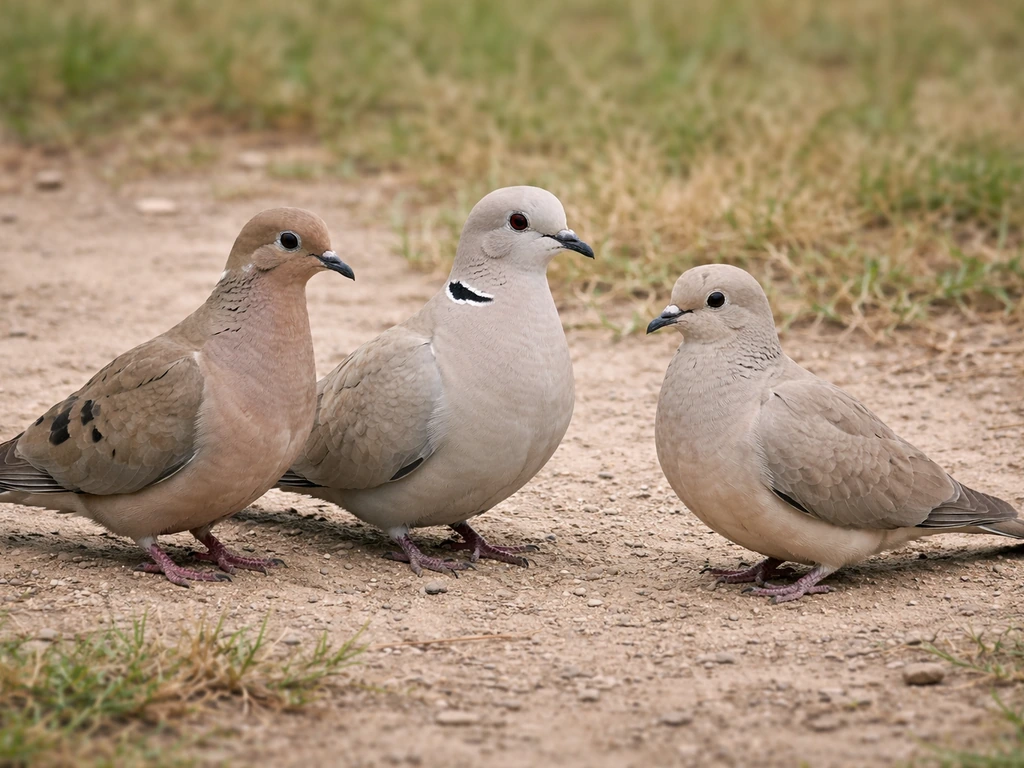
There are over 300 species in Columbidae spread across every continent except Antarctica. A few of the most familiar ones give a sense of how widespread and varied this bird family is.
| Species | Common Name | Range |
|---|---|---|
| Zenaida macroura | Mourning Dove | North and Central America |
| Columba livia | Rock Pigeon / Rock Dove | Worldwide (introduced broadly) |
| Streptopelia decaocto | Eurasian Collared-Dove | Europe, Asia, North America |
| Geopelia cuneata | Diamond Dove | Australia |
| Streptopelia turtur | European Turtle Dove | Europe, Africa, western Asia |
Animals people commonly mix up with birds (the confusion check)
Doves are an easy case, but this site exists because a lot of animals trip people up. Here are the most common ones worth clearing up while we're at it.
Bats: not birds
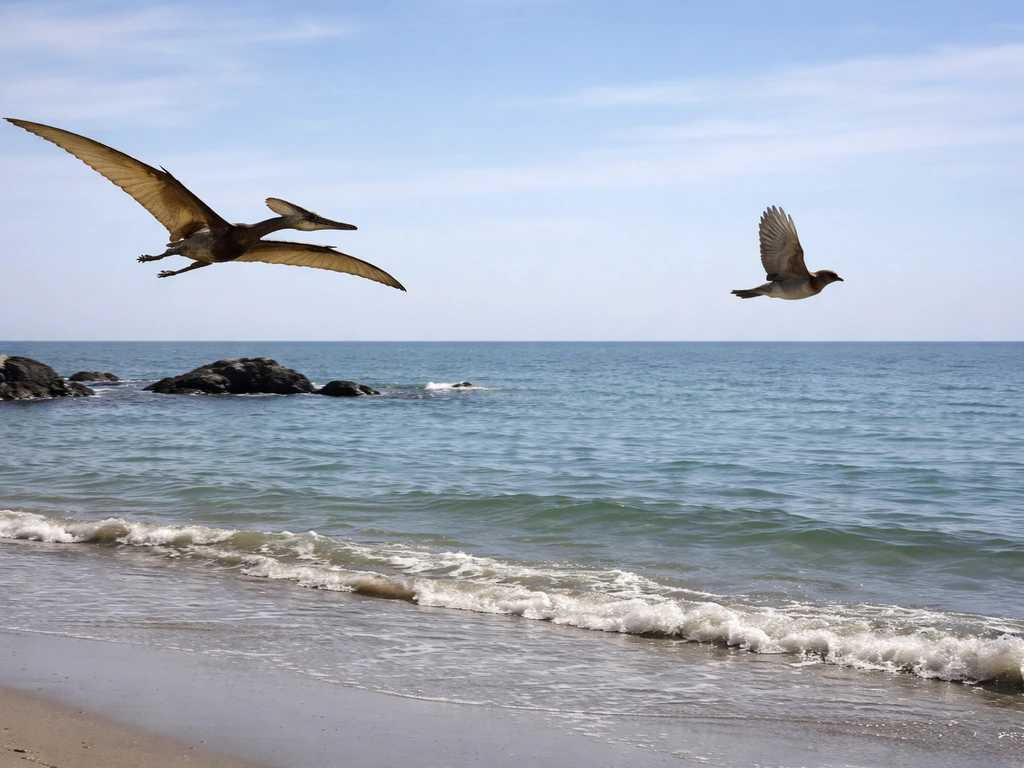
Bats fly, but they are mammals, not birds. They have fur instead of feathers, they give birth to live young instead of laying hard-shelled eggs, and their wing structure is a skin membrane stretched over elongated finger bones, nothing like a bird's feathered wing. The warm-blooded part they do share with birds, but that trait alone doesn't make something a bird.
Pterosaurs: not birds (and not dinosaurs either)
Pterosaurs were flying reptiles that lived alongside dinosaurs, and they are one of the most commonly misclassified creatures. The American Museum of Natural History is straightforward: pterosaurs are not birds. The Natural History Museum of Utah explains the key distinction, pterosaur wings were made of a thin skin membrane, not feathers. No feathers, no bird. They're more closely related to modern crocodiles and lizards than to any bird.
Penguins and ostriches: very much birds
Penguins and ostriches trip people up because neither one flies in the way most people picture a bird. But both are unambiguously birds. Penguins have feathers, lay hard-shelled eggs, and have hollow bones. Their wings evolved into flippers for swimming, but structurally they are still wings. Ostriches are the same story: feathers, hard-shelled eggs, and wings that are vestigial but present. Flightlessness doesn't disqualify an animal from being a bird.
Flamingos: also birds
Flamingos look unusual enough that people sometimes question their classification, but they are birds in the class Aves just like doves. Their pink coloring (from carotenoid pigments in their diet), long legs, and curved bills are unusual adaptations, not signs of a different animal category. Feathers, hollow bones, hard-shelled eggs, flamingos have all of it.
How to verify bird classification yourself
If you're ever unsure whether an animal is a bird, the fastest real-world check is simple: does it have feathers? No living animal outside class Aves has feathers. That one question rules out mammals, reptiles, fish, and amphibians in one shot. For confirmation beyond that, check for hard-shelled eggs and the overall body plan (wings, beak, two legs).
For species you can't identify in person, a few authoritative sources make it quick and free. Cornell Lab's All About Birds (allaboutbirds.org) lists full taxonomic classification for every North American bird species. Britannica's entries on specific animals always include order and family. The Smithsonian's National Museum of Natural History and the Field Museum both have accessible online resources if you want to go deeper on what biologically defines a bird. Any of those sources will confirm for doves (and pigeons) exactly what we've covered here: Order Columbiformes, Family Columbidae, class Aves, birds.
The bottom line is that doves are one of the least ambiguous cases you'll find on this site. They have feathers, they have hollow bones, they lay hard-shelled eggs, and they've been formally classified as birds by every major biological authority. If you came here with any doubt, you can let it go. A dove is a bird.
FAQ
If I see a dove in my yard, how can I be sure it is not a pigeon or another bird species?
Start with the shape and size, then narrow by markings and behavior. Common backyard doves and pigeons are both in the same family (Columbidae), so the “is it a dove” question is really about species-level ID. Look for traits like body color pattern, neck sheen (often seen on some pigeons), and the beak thickness, then compare to a local field guide or a species finder for your region.
Do doves have to fly to count as birds?
No. Being a bird does not depend on the ability to fly. Doves are winged birds, and even for other bird types that are flightless, they still have feathers, hard-shelled eggs, and the bird body plan. Flightlessness is an adaptation, not a disqualification.
Are all “dove” and “pigeon” names interchangeable in biology?
They are interchangeable at the family level, because both common names generally refer to members of Columbidae. However, common names can vary by location and can sometimes include different species under the same casual name, so if you need accuracy, match the bird to its order and family from a taxonomic listing.
What should I check if I’m trying to identify a bird from a photo where I cannot see feathers clearly?
Look for at least one strong bird indicator besides feathers, such as a beak, a typical bird posture (upright, two-legged stance), wings, and hard-shelled egg evidence if you are observing a nesting site. In many cases, the easiest next step is to use the bird’s location and size category to filter likely species in a local database.
Can a newborn or nestling dove help confirm it is a bird?
Yes. Bird babies typically show feather growth (even if downy), and nests often contain evidence of eggs that are hard-shelled. If you see hatchlings in a nest with a bird-like body plan, that supports classification as a bird even before full adult feather patterns appear.
Are there any non-bird animals that look “bird-like” enough to confuse people with doves?
Sometimes people confuse birds with bats during flight (mammals with skin membranes instead of feathers) or with flying reptiles like pterosaurs (they had skin membranes rather than feathers). With a dove specifically, the simplest real-world filter is whether you can confirm feathers at any point, even partially.
How is “warm-blooded” relevant to whether a dove is a bird?
Warm-bloodedness helps fit the bird profile, but it is not the main deciding trait. Several non-birds can be warm-blooded, so the more decisive markers remain feathers, hollow bones, and the reproductive system involving hard-shelled eggs.
If a dove lays eggs, do those eggs always prove it is a bird?
Egg-laying alone is not enough, because some non-birds lay eggs too. But the combination matters: hard-shelled eggs plus the bird body plan. In other words, egg evidence is strongest when it comes with bird-specific traits like feathers and a typical wing-and-leg structure.
Where do doves fall in the classification system if I want the exact hierarchy?
Use the standard taxonomic ladder: class Aves (birds), order Columbiformes, family Columbidae. If you want to go further for a specific dove, you can add genus and species from a regional taxonomy source.
Next Articles
Is Pigeon a Bird? Simple Checklist and Bird Traits
Yes, pigeon is a bird. Learn bird traits and a quick checklist to spot pigeons and avoid common mixups.
Is a Flamingo a Bird? Water, Wading, and Facts
Yes, flamingos are birds. Learn why they are wading waterbirds, where they live, and how they differ from mammals.
Are Doves and Pigeons the Same Bird? Differences Explained
See how doves fit in the pigeon family, plus key field marks and behavior tips to tell them apart confidently.