
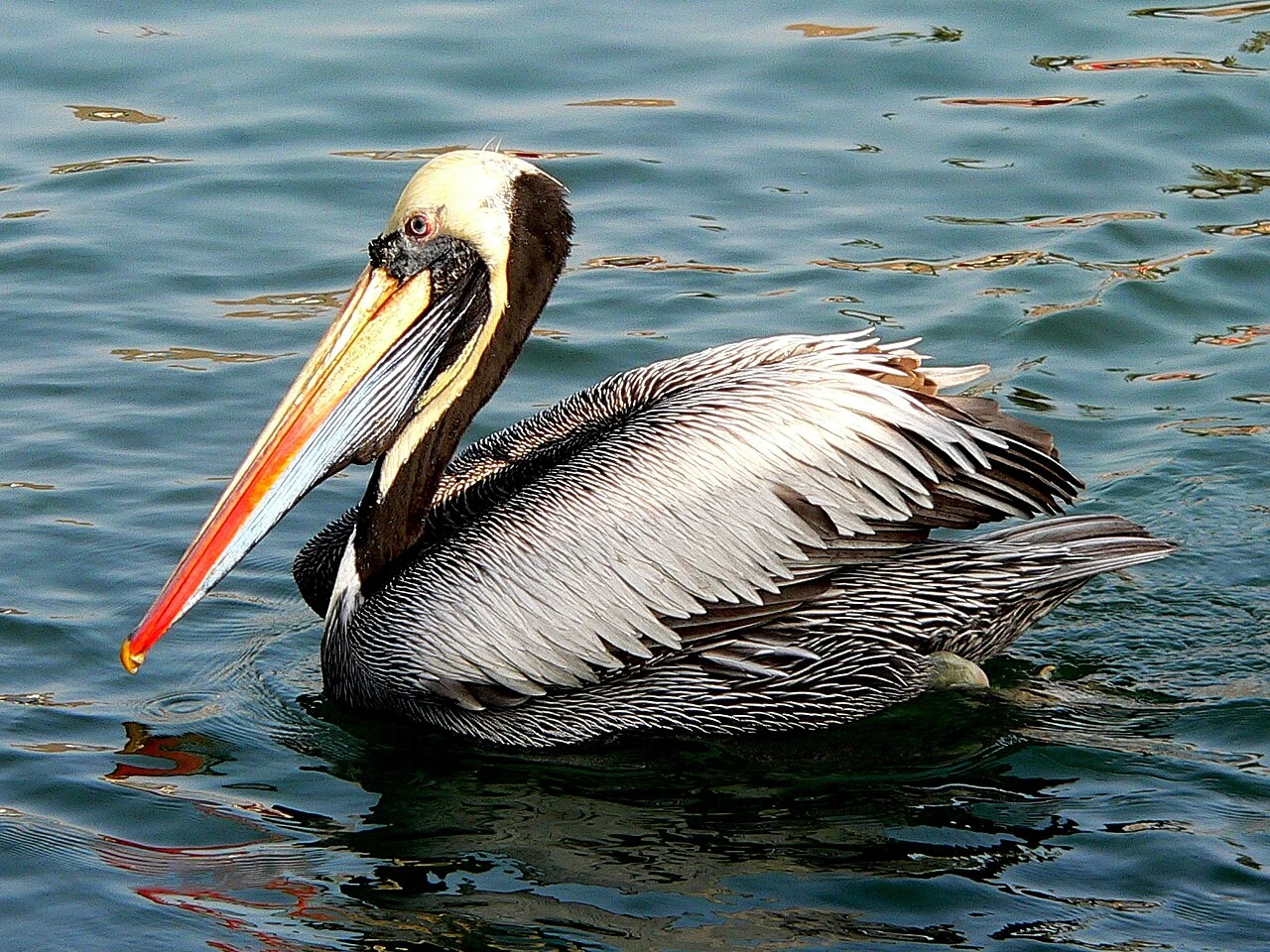
Yes, an alcatraz is a bird. If you are also asking the broader question "is bat is a bird or animal," this same checklist logic of feathers, egg-laying, and classification applies to other animals too. In Spanish-speaking South America, especially Chile and Peru, "alcatraz" is a vernacular name for the Peruvian Pelican (Pelecanus thagus), a large seabird classified in Class Aves. blank" rel="noopener noreferrer">It has feathers, a toothless beak, lays hard-shelled eggs, and is endothermic, every box on the biological checklist for "bird" is ticked. The name also echoes the origin of Alcatraz Island in San Francisco Bay, which was named by Spanish explorers from the word "alcatraces," meaning "large or strange bird," after the seabirds they saw there. So whether you encountered the word in a birding context, on a map, or in a Spanish-language field guide, you are almost certainly dealing with a bird.
Is Alcatraz a Bird? How to Identify the Alcatraz Species

What "alcatraz" actually refers to
The word "alcatraz" does several jobs in different contexts, which is where the confusion starts. Most English speakers immediately think of Alcatraz Island and its famous prison in San Francisco Bay. That island was named by Spanish explorers, and its name traces back to the Spanish word "alcatraces," meaning a large or unusual seabird, a nod to the pelicans and other seabirds that colonized the rocky outcrop. Today, Alcatraz Island is actually a significant seabird nesting site managed by the U.S. National Park Service.
In Mexico and across much of Spanish-speaking Latin America, "alcatraz" functions as a general vernacular name for pelicans. In Chile and Peru specifically, it narrows down to one particular species: the Peruvian Pelican, known formally as Pelecanus thagus and listed on birding platforms like eBird under the Spanish name "Pelícano Alcatraz." That is the animal most likely meant when someone asks "is alcatraz a bird" in a natural history or wildlife context.
What makes an animal a bird
Before applying any label, it helps to know what biologists actually use to define a bird. Class Aves, the formal scientific grouping for birds, is defined by a consistent set of traits. You do not need all of them to be visible in a photo, but together they form the clearest biological boundary between birds and everything else. If you are also curious how the same kind of criteria applies to other animals, see why a bat is a mammal and not a bird why is a bat a mammal and not a bird.
- Feathers: the single most diagnostic trait. No other living animal group has them. Feathers are made of keratin and serve for flight, insulation, and waterproofing.
- A toothless beak or bill: modern birds have no teeth, unlike their dinosaurian ancestors.
- Hard-shelled eggs: every bird species lays them, no exceptions.
- Endothermy (warm-bloodedness): birds regulate their own body temperature internally. Only birds and mammals do this among living vertebrates.
- A lightweight skeleton: many bones are hollow or fused, reducing weight for flight or fast movement.
- A four-chambered heart: supports the high metabolic rate birds need.
You can see why pelicans pass this test easily. They are covered in feathers, carry a distinctly toothless hooked bill, lay hard-shelled eggs in nests, and maintain a warm body temperature year-round. The same logic applies to every other bird you can think of, from penguins (which cannot fly but still have feathers and lay eggs) to ostriches (the world's largest living bird, same biological criteria). The traits are consistent across the entire class.
Is alcatraz a bird? The direct answer
Yes, definitively. The Peruvian Pelican (Pelecanus thagus), the animal most commonly called "alcatraz" in Chilean and Peruvian Spanish, is a fully confirmed bird in Class Aves. Chilean species classification documents list it under "blank" rel="noopener noreferrer">Clase: Aves," and the GBIF taxonomic backbone assigns it to Class Aves, Order Pelecaniformes, Family Pelecanidae, Genus Pelecanus. It meets every biological criterion: feathers covering its body, a large toothless bill with a distinctive gular (throat) pouch, hard-shelled eggs, endothermy, and a lightweight avian skeleton. There is no taxonomic ambiguity here at all. If you mean a bat, it is a mammal, not a bird, and you can compare key traits like fur and how it gives birth to understand why this is different bat is a mammal.
The confusion people sometimes feel around this question usually comes from the word itself sounding unfamiliar in English, or from associating "Alcatraz" primarily with a prison rather than an animal. If you are wondering about an animal like a bat, note that bats are mammals and not birds, which is a useful comparison when you justify classification by biology rather than by confusing names bat is a mammal not bird justify. That is a naming and cultural context problem, not a biological one. The creature behind the name is a well-studied, unambiguously avian species.
How to identify the "alcatraz" you are looking at in the real world
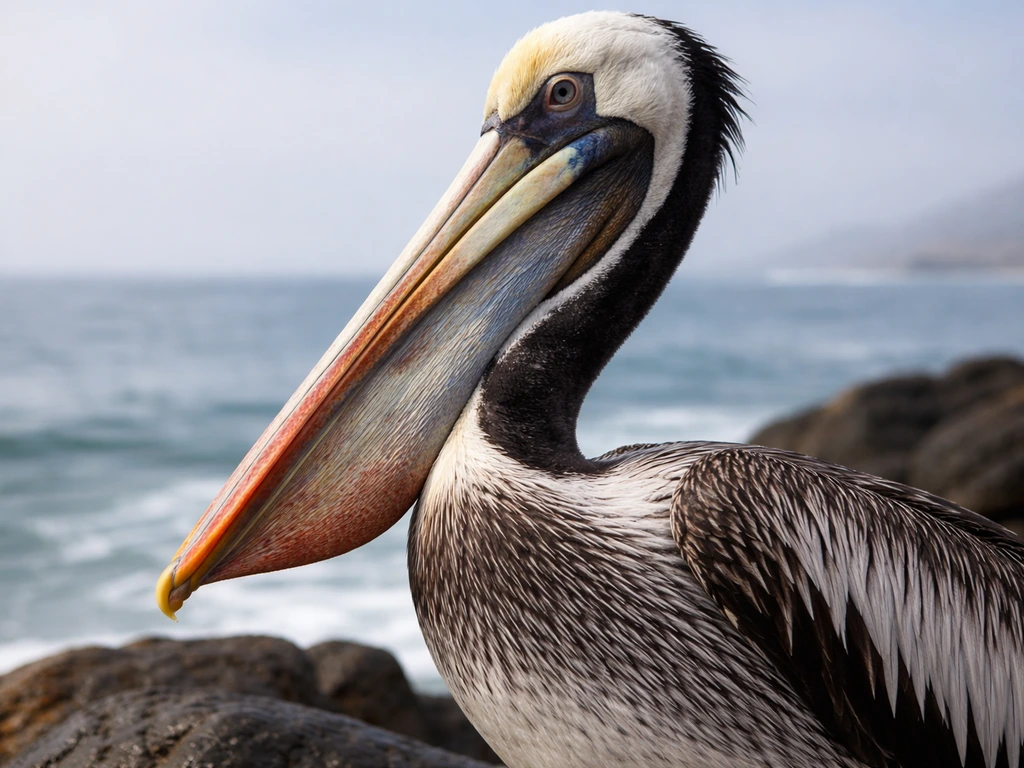
If you have spotted an animal called "alcatraz" and want to confirm what you are actually seeing, the most useful approach is to combine location, size, and a few visual markers.
The Peruvian Pelican (Pelecanus thagus) lives along the Pacific coast of South America, primarily Peru and Chile. It is a large bird, noticeably bigger than the Brown Pelican. Its bill is long and yellowish, and the gular pouch (the stretchy throat sac it uses to scoop fish) has a distinctive coloration. In flight, look for a pale wing panel on the upper wing surface. If you are in Peru or Chile and you are looking at a large pelican-type bird near the coast, Pelecanus thagus is the most likely match.
If you are in Mexico or Central America and someone calls a bird "alcatraz," they may be using the name loosely to refer to a pelican species from that region, which would most likely be the Brown Pelican (Pelecanus occidentalis) or the American White Pelican (Pelecanus erythrorhynchos). In all cases, you are still looking at a bird. The exact species just depends on range.
- Check your location: are you in Peru or Chile? If yes, Pelecanus thagus is the primary candidate for "alcatraz."
- Note the size: the Peruvian Pelican is large, visibly bigger than a Brown Pelican where the two ranges overlap.
- Look at the bill and pouch: yellowish bill with a distinctive pouch coloration is a key visual marker for Pelecanus thagus.
- Check the wing pattern in flight: the pale upper-wing panel is a useful diagnostic detail when the bird is airborne.
- Use eBird's species page for "Pelícano Alcatraz" to compare your sighting against confirmed photos and range maps.
Common look-alikes and non-bird mix-ups to watch out for
With pelicans specifically, the most common species-level confusion is between the Peruvian Pelican (Pelecanus thagus) and the Brown Pelican (Pelecanus occidentalis). Both are large coastal pelicans, and their ranges overlap in the northern part of Pelecanus thagus's distribution. The Brown Pelican is smaller, has darker plumage overall, and lacks the same pale upper-wing panel. Bill and pouch coloration also differ. eBird's species pages for both birds include side-by-side ID notes that make this distinction straightforward once you know what to look for.
At a broader level, people sometimes wonder whether large, unusual-looking animals are birds at all. Bats, for instance, are a genuinely common source of confusion because they fly and look superficially bird-like in the air, but bats are mammals: they have fur instead of feathers, give birth to live young, and nurse with milk. The classification question there is explored in depth elsewhere on this site. Pterosaurs, the flying reptiles of the Mesozoic, are another frequent point of confusion for people learning about bird evolution, but they were neither birds nor the ancestors of birds in any direct sense. The alcatraz (Pelecanus thagus) has none of these classification ambiguities.
One other non-biological mix-up worth flagging: some people searching for "alcatraz bird" are initially thinking of the island, not an animal. Alcatraz Island is genuinely an important seabird habitat, home to nesting Western Gulls, Brandt's Cormorants, and Pigeon Guillemots, among others. None of those species are called "the alcatraz," but the island's name does come from the same bird-related Spanish root, so the association is understandable.
Where alcatraz fits in bird taxonomy
Pelecanus thagus sits in a well-organized part of the avian family tree. Here is the high-level placement:
| Taxonomic Rank | Classification |
|---|---|
| Class | Aves (birds) |
| Order | Pelecaniformes |
| Family | Pelecanidae (pelicans) |
| Genus | Pelecanus |
| Species | Pelecanus thagus |
Order Pelecaniformes is a large and diverse group that also includes herons, ibises, spoonbills, and shoebills depending on the classification scheme used. Within that order, Family Pelecanidae is exclusively pelicans, of which there are eight living species worldwide. Pelecanus thagus is one of the larger members of the family and is endemic to the Humboldt Current ecosystem along the South American Pacific coast, making it ecologically as well as taxonomically distinctive. Its placement in Class Aves is confirmed by every major taxonomic authority including GBIF, NCBI's Taxonomy Browser, and Cornell Lab's Birds of the World.
Quick takeaways and next steps to confirm the exact species
If you came here wanting a fast, confident answer: alcatraz is a bird. The creature most commonly called "alcatraz" is the Peruvian Pelican (Pelecanus thagus), a fully confirmed member of Class Aves with unambiguous avian biology. The name itself comes from Spanish and reflects the historical use of the word for large seabirds going back centuries.
- "Alcatraz" most commonly refers to Pelecanus thagus in Chilean and Peruvian Spanish, or to pelicans generally in broader Spanish-language usage.
- Pelecanus thagus is a bird in Class Aves, Order Pelecaniformes, Family Pelecanidae, with all the standard biological markers: feathers, toothless bill, hard-shelled eggs, endothermy.
- The island named Alcatraz in San Francisco Bay got its name from the same Spanish word for large seabirds and is itself a significant seabird nesting site.
- The most common species-level confusion is with the Brown Pelican (Pelecanus occidentalis); size, wing patterning, and bill/pouch color are the key field separators.
- Bats and other flying non-birds are not "alcatraz" and are not birds; if you are sorting out that question, the bat-vs-bird distinction is a separate classification topic worth exploring.
To confirm the exact species for a specific sighting, start with eBird's "Pelícano Alcatraz" species page for Pelecanus thagus, cross-check the scientific name and classification on GBIF, and consult a region-specific field resource like Aves de Chile if you are working in the Southern Cone. Cornell Lab's Birds of the World has a full species account under "Peruvian Pelican" tied to the same scientific name. Those three sources together will give you everything you need: range maps, diagnostic photos, and authoritative taxonomy.
FAQ
If I hear “alcatraz” in English, could it refer to something other than the Peruvian Pelican?
Yes. In English, “alcatraz” is most often associated with the island, but in wildlife talk it can be used loosely as a pelican nickname. If you are in Mexico or Central America, it commonly points to another pelican species rather than Pelecanus thagus, so location matters as much as the name.
How can I tell whether “alcatraz” I’m seeing is a pelican versus a cormorant or gull near Alcatraz Island?
Use bill and throat structure. Pelicans have a large, hooked, toothless bill and a visible throat pouch used for fish scooping. Cormorants and many other seabirds have different bills and do not show that pouch anatomy, even if they share the same coastal nesting areas.
I saw a large bird called alcatraz, but the bill color looked different from photos. Does that change the ID?
It can, because bill and pouch colors can vary with age, breeding condition, and lighting. Instead of relying only on color, prioritize stable field marks mentioned in the article, like the presence of the pale upper-wing panel in flight for Peruvian Pelican (when visible) and overall size relative to nearby pelicans.
Are juveniles or breeding adults easier or harder to identify as “alcatraz” (Peruvian Pelican)?
Often harder. Juveniles can look duller, with less dramatic head and bill coloration, so you may need to depend more on wing pattern in flight and body size. If possible, confirm with multiple frames showing the upper wing and the pouch shape rather than a single photo.
What if the sighting is far from Peru or Chile, but someone still calls it “alcatraz”?
Then the word is almost certainly being used as a general label. “Alcatraz” is strongly associated with Pelecanus thagus in Chile and Peru, but outside that range people may be naming different pelicans from their local vernacular, so check the species against the actual geographic range before concluding it is Peruvian Pelican.
Can “alcatraz” ever be used to mean a non-bird animal?
In the contexts described, no. Biologically, what people are calling “alcatraz” in Spanish-speaking bird contexts maps to pelicans, which are birds (Class Aves). If someone suggests it is an animal like a bat or other mammal, they are mixing up a separate naming issue rather than describing the same creature.
What is the quickest way to confirm a “Pelícano Alcatraz” identification when I’m not sure of the Spanish name?
Start with the scientific name on the record, or the likely ID from range, then verify one or two diagnostic visuals. For Peruvian Pelican, eBird’s “Pelícano Alcatraz” entry is a direct match to Pelecanus thagus, and you can corroborate with the bill and pouch structure plus the flight wing pattern.
How do I avoid the most common pelican confusion, Peruvian Pelican versus Brown Pelican?
Don’t rely only on “large pelican.” Use relative size and darker versus lighter overall tone, plus the presence or absence of the pale upper-wing panel in flight. Bill and pouch coloration differences are helpful too, but wing visibility usually gives the most reliable fast field check.
Is the term “alcatraces” related only to Alcatraz Island, or does it reflect a broader bird naming pattern in Spanish?
It reflects a broader historical Spanish naming practice for conspicuous seabirds. The article ties Alcatraz Island’s name to Spanish explorers using “alcatraces” for large or unusual seabirds, but the same root concept is what makes “alcatraz” a plausible everyday vernacular for pelicans in nearby Spanish-speaking regions.
If I want to verify the bird classification myself, what’s a practical checklist to use in the field?
Look for feathers, egg-laying behavior, and avian body design. In practice, for a quick confirmation between “pelican-type” birds and non-birds, the most actionable cues are feathers covering the body, a toothless bill with a distinctive pouch in pelicans, and birdlike locomotion and flight posture rather than mammal-type traits.