Birds don't experience sexuality the way humans do, so the honest answer is: your bird isn't "gay" in any human sense. What you're almost certainly seeing is normal courtship, bonding, or mounting behavior directed at a same-sex companion, or possibly a sex-identification mistake where the bird you thought was male is actually female (or vice versa). Neither situation is automatically a problem, and neither requires panic. What it does require is a closer look at your bird's biology, behavior, and environment so you can figure out what's actually going on.
Is My Bird Gay? Same-Sex Bonding Explained for Owners

Sarah Chen
28 May 2026
What "gay" actually means in the bird world (and what it doesn't)
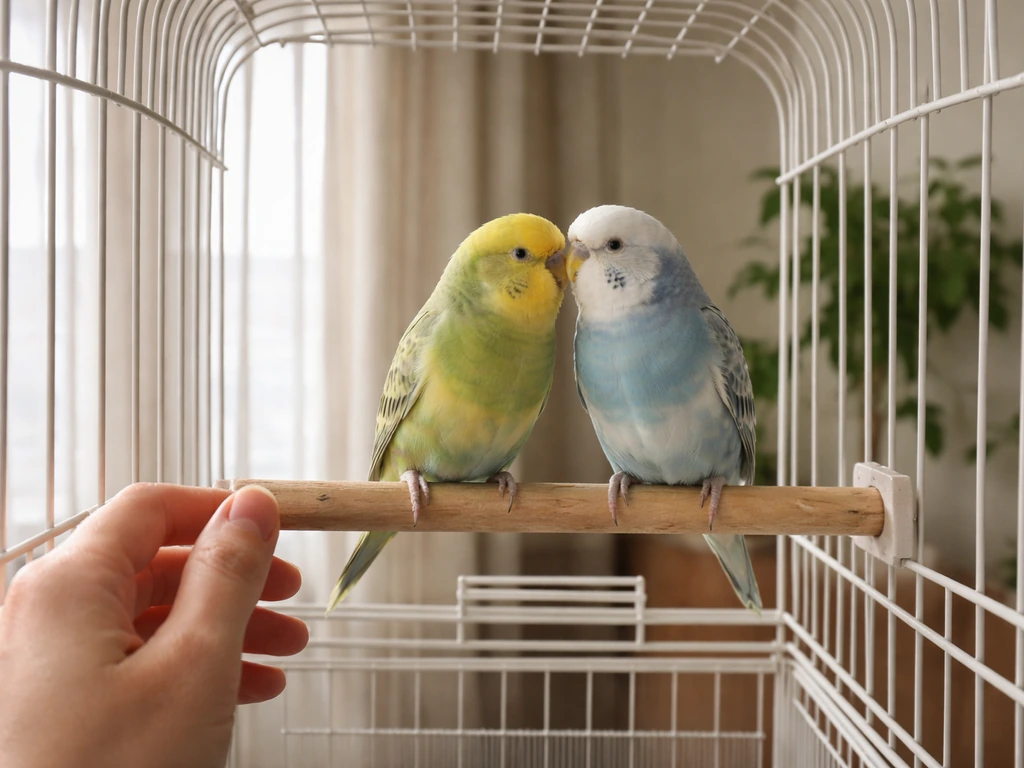
Sexual orientation is a human concept tied to identity and psychology. Birds operate on biology and instinct. When researchers study same-sex behavior in birds, they're looking at specific observable actions: courtship displays, mounting, mutual preening, nest-building with a same-sex partner, and alloparenting (raising young together). These behaviors are documented across hundreds of species, including parrots, cockatiels, flamingos, and pigeons. What science doesn't do is assign labels like "gay" or "straight" to birds, because those labels describe human experience, not avian biology.
Researchers have proposed several reasons same-sex pairing shows up in birds: social bonding (sometimes called the "social glue" function), dominance hierarchy effects, mate-practice for younger birds, and alloparenting advantages. In captive flamingos, same-sex pairs showed aggression rates similar to opposite-sex pairs, meaning same-sex pairing didn't automatically make birds more aggressive or behaviorally abnormal. The behavior is real, it's well-documented, and in most cases it's a completely normal variation in how birds form social bonds, not a sign that something is broken.
Bird anatomy and biology basics: figuring out your bird's actual sex
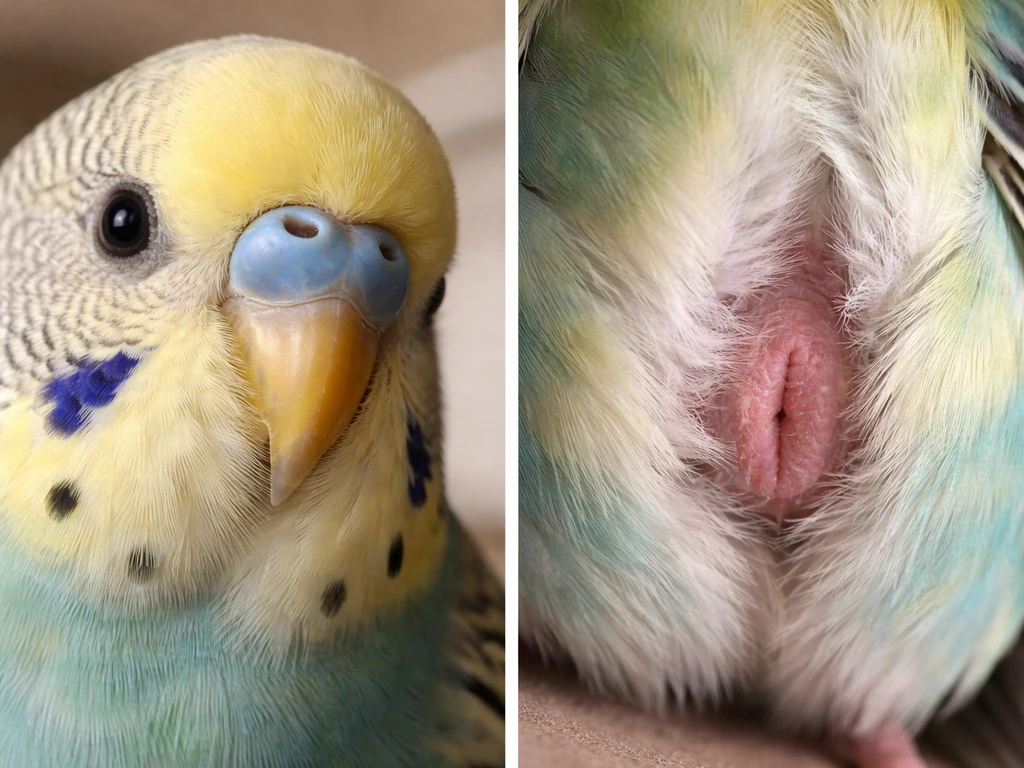
Before interpreting any behavior, you need to know what sex your bird actually is. To figure out whether a bird is “a common gender,” the most reliable starting point is determining its actual sex through DNA sexing rather than assumptions based on behavior. This is trickier than it sounds. Many popular pet species, including cockatiels, budgerigars, lovebirds, and most parrots, are monomorphic, meaning males and females look nearly identical. Owners frequently guess wrong based on color, behavior, or what a seller told them. If you think you have two males and they're bonding or mounting, there's a real chance one or both are female. If you think you have two males and they're bonding or mounting, there's a real chance one or both are female, and confirming whether an Opila bird is female can help interpret that behavior correctly is opila bird a female.
The most reliable way to confirm sex is DNA sexing. A blood sample or feather sample (and in some cases an oral swab) is sent to a lab, where PCR (polymerase chain reaction) testing looks at sex chromosomes. Birds use a ZW/ZZ system instead of the XX/XY mammal system: females are ZW, males are ZZ. Reputable labs report accuracy at around 99.99%. One caution: some labs use a single genetic marker (the CHD1 gene), and research has shown that relying on a single marker can occasionally produce misidentification in certain parrot species. A multi-marker strategy, or using a lab that validates results with additional markers, reduces that risk.
Endoscopy is the other option, used since the 1970s. An avian vet uses a tiny camera to directly view the reproductive organs. It's more invasive than DNA testing but gives additional information: it can confirm sexual maturity and evaluate overall internal organ health at the same time. For most owners, DNA testing is the practical first step. If you've never had your bird DNA sexed and you're confused about behavior, start there.
Recognizing sexual behavior in your bird
Sex hormones in birds are strongly influenced by photoperiod (day length) and environmental cues like nest-site availability. When hormone levels rise, usually seasonally, birds show recognizable behavioral changes. Knowing what these look like helps you understand what you're watching.
- Regurgitation directed at a person, toy, or companion: this is a courtship food-offering behavior, not illness, as long as the bird looks healthy otherwise
- Mounting: climbing on top of a perch, toy, hand, or companion and making rhythmic movements; this can happen with same-sex companions
- Mutual preening (allopreening): bill-to-bill grooming of a companion; linked to stable pair bonding and parental cooperation in research
- Territorial aggression: lunging, biting, or screaming at anyone who approaches the bonded companion or perceived nest site
- Nest-seeking behavior: shredding paper, sitting in dark corners or boxes, or carrying nesting material
- Increased vocalizations: contact calls, duetting with a companion, or louder-than-usual screaming
These behaviors aren't random. They're driven by hormones reacting to light cycles, temperature, and environmental cues. Artificial lighting that disrupts natural day length can cause birds to enter reproductive cycling at unusual times, or to stay in a heightened hormonal state longer than they would in the wild. If your bird's environment has long, inconsistent light exposure, that's often a contributing factor to intense or prolonged sexual behavior.
Same-sex pair behavior: bonding vs. something more going on
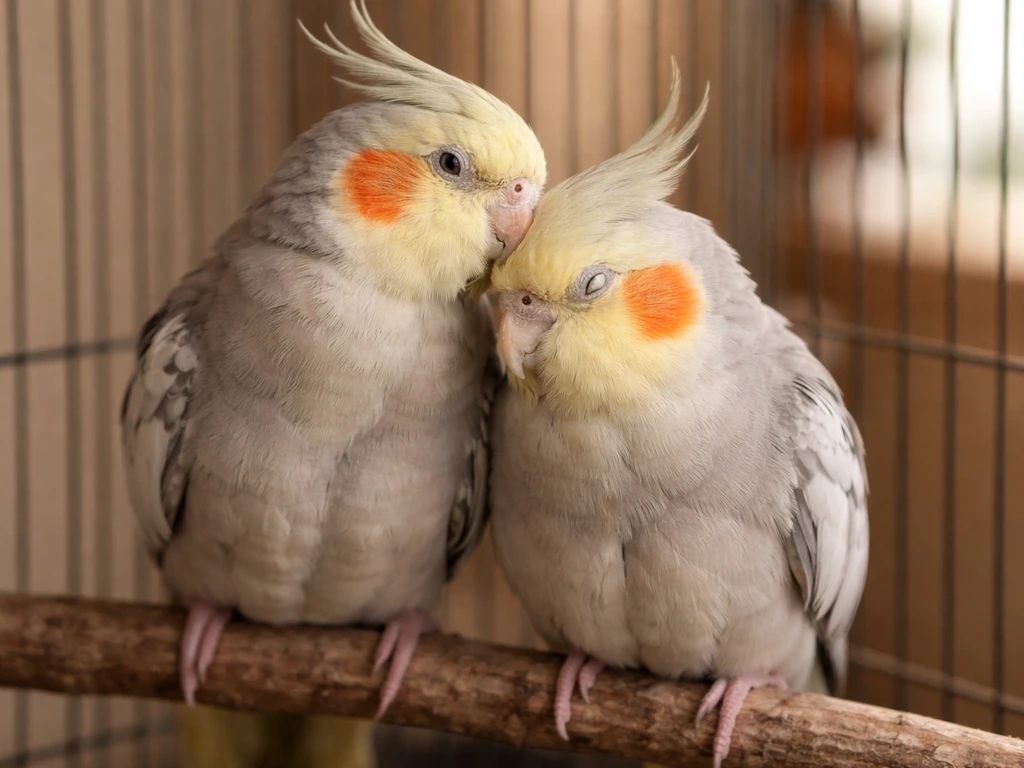
Two birds of the same sex living together will often form a pair bond. This is well-documented in cockatiels, for example, where same-sex preferred associations are observed even in mixed flocks. Pair bonds are typically reinforced by mutual preening, roosting together, coordinated vocalizations, and in some cases joint nest-building or egg-laying (if both are female). This is normal social behavior, not pathology.
Mounting between same-sex birds also happens, and it means different things depending on context. Sometimes it's sexual behavior driven by hormones. Sometimes it's a dominance display, one bird asserting social rank over another. Sometimes it's a young bird practicing behaviors it's hard-wired to eventually use. The behavior itself doesn't tell you why it's happening; context does. That same approach applies when you wonder whether an “opila bird is not a monster” type situation is actually health or behavior, so look at context before you label the behavior context does. Watch when it happens, who initiates it, how the other bird responds, and whether there are other signs of stress or aggression involved.
Pair bonding, by contrast, is characterized by what researchers describe as a long-lasting relationship reinforced by ritual behaviors: mutual preening, joint nest-building or territory defense, and synchronized activity. If your two birds spend time close together, preen each other, call back and forth, and don't show signs of fear or injury, you're most likely looking at a bonded pair, not a behavioral crisis.
Myths worth clearing up
Same-sex behavior in birds carries a lot of misconceptions, mostly imported from human social frameworks that don't apply to avian biology. Here are the most common ones.
| Myth | What's actually true |
|---|---|
| Same-sex mounting means something is wrong with my bird | It's documented across hundreds of species and often serves social, hormonal, or dominance functions; it's not a disorder |
| If my bird mounts another male, it must be female | Not necessarily; male birds do mount other males, especially in dominance contexts or when hormone levels are elevated |
| Two females can't bond like a real pair | Female-female pairs are well-documented, can be stable and long-lasting, and may even lay (unfertilized) eggs |
| Regurgitating on a same-sex companion means my bird is sick | Regurgitation is a normal courtship/food-offering behavior; illness is indicated by other signs like lethargy, fluffed feathers, or respiratory changes |
| All this behavior is hormonal and needs medication | Many behavioral consultants and vets note that what looks like a hormone problem is often a husbandry or social bonding issue that responds to environmental adjustments, not medication |
One important nuance: hand-raised parrots that bond intensely with their owner at sexual maturity are at particular risk for behavioral problems including over-grooming, excessive contact calls, and sexual frustration. Merck Veterinary Manual notes that behavioral problems of reproduction are most common in hand-raised parrots that become overly bonded to their owner at sexual maturity, leading to sexual frustration such as over-grooming and excessive contact calls. Research from Merck Veterinary Manual notes this pattern is most common in hand-raised birds. If your bird is fixated on you rather than a companion bird, and is showing escalating behaviors, that dynamic is worth examining separately from same-sex behavior between two birds.
What to do today: observe, record, and adjust
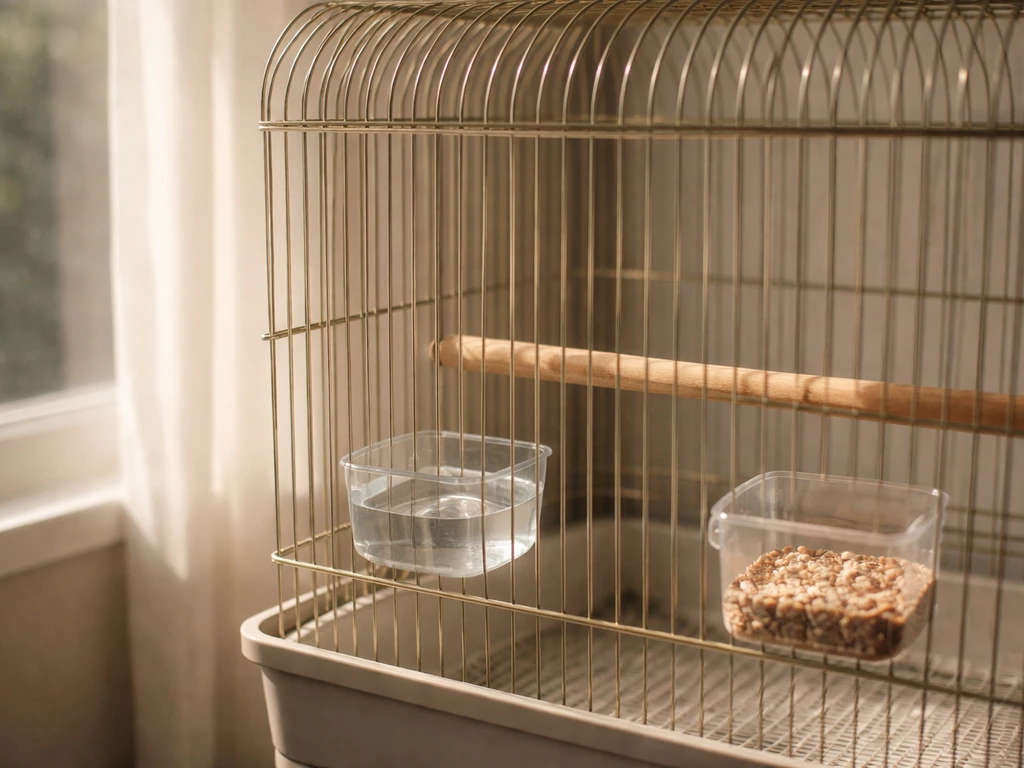
Good observation is the most useful thing you can do right now. You don't need to film everything, but a simple log kept for a week or two will give you (and any vet or behavior consultant you see) much clearer information than a vague description of "they're acting weird."
- Note the time of day behaviors happen: morning hormonal surges are common, and behaviors clustered around dawn or dusk often reflect photoperiod influence
- Record who initiates: does one bird always start the mounting or preening, or is it mutual?
- Note the response: does the other bird tolerate, reciprocate, or try to escape?
- Log any signs of stress or injury: feather damage, biting wounds, loss of appetite, or changes in droppings
- Document your light schedule: how many hours of light does the cage get per day, including ambient room light after dark?
- Note cage setup: are there nest boxes, dark enclosed spaces, or shredding materials that might be triggering nesting behavior?
Environmental adjustments can make a real difference. Reducing light exposure to 10 to 12 hours per day mimics natural non-breeding season conditions and often reduces hormonal intensity. Removing nest boxes, dark corners, and nesting materials can reduce nest-seeking behavior. Avoiding practices like hand-feeding warm soft food (which can mimic mate regurgitation and reinforce breeding drive) is a specific tip that avian behavior practitioners often give. Rearranging the cage layout periodically can also disrupt territorial establishment.
If you haven't DNA sexed your bird yet and you're uncertain about their sex, this is the right time to do it. Knowing whether you have two males, two females, or a male-female pair that you've been misreading changes how you interpret everything you're seeing.
When it's time to call an avian vet or behavior specialist
Most same-sex bonding and sexual behavior in birds is normal and manageable with environmental adjustments. But some situations genuinely need professional input. Don't wait if you're seeing any of the following.
- Feather picking or plucking: this ranges from mild over-preening to severe self-mutilation and can reflect medical causes (parasites, bacterial or fungal infections, nutritional deficiencies) as well as behavioral ones; don't assume it's purely hormonal without a workup
- Visible injuries from aggression: bite wounds, bleeding, or one bird consistently preventing the other from eating or resting
- Lethargy, fluffed feathers, changes in droppings, or labored breathing: these overlap with illness and should not be attributed to behavior without ruling out medical causes
- Sudden changes in vocalization: a marked increase in screaming or a change in the sound of vocalizations warrants a vet check to rule out respiratory or other medical issues
- Repetitive compulsive behaviors: pacing, rocking, spinning, or other stereotypic movements that happen incessantly are a sign the bird needs assessment
- Chronic, intense, and escalating hormonal behavior that doesn't respond to environmental changes: this may be a candidate for pharmacologic support (hormone therapy or deslorelin implants) under veterinary guidance
The Association of Avian Veterinarians supports using both veterinary and avian behavior consultants for issues like feather plucking, excessive vocalization, and biting, because these problems often involve both medical and behavioral components. If your vet isn't finding a medical cause, asking for a referral to a certified parrot behavior consultant is a reasonable next step. The goal is to look at the full picture: the bird's health, social situation, environment, and history together, rather than assuming one label explains everything.
In short: same-sex behavior in birds is biologically normal, often socially functional, and frequently misread by well-meaning owners. The question isn't really whether your bird is "gay," it's whether your bird is healthy, whether their social needs are being met, and whether any escalating behaviors need adjustment. Start with observation and a DNA sex test if you haven't done one, make sensible environmental changes, and bring in a vet or behavior specialist if the picture gets complicated.
FAQ
If my bird mounts another bird, does that automatically mean they are “gay”?
Don’t decide based only on mounting or cuddling. In birds, same-sex behavior can come from bonding, hormones, dominance, or practice. Use context, like whether the birds are otherwise relaxed, how often it happens, and whether the target bird shows avoidance or stress (tail quivering, pinned posture, retreating).
What if I’m sure my birds are both male, could they still be a male-female pair?
It can, especially if the bird was sexed by appearance or a seller’s claim. Many common pet species look the same across sexes, so two “males” bonding may actually be male-female. DNA sexing is the cleanest way to rule out this mistake before you interpret the behavior.
How can I tell if mounting is just practice versus a long-term bond?
Yes. If you are dealing with two juveniles, the behavior may be rehearsal and not a stable pair bond. Look for whether the relationship is consistent over weeks, includes mutual preening and coordinated routines, and whether one bird persistently chooses the same partner (or just mounts during certain times of day).
What signs suggest my birds are bonded rather than one bird harassing the other?
A reliable clue is whether the behavior is mutual and steady. Pair bonding usually comes with positive affiliative signs like mutual preening, synchronized vocalizations, roosting close, and cooperative nest or territory behavior. If it is one-sided with chronic pursuit and fear signals, treat it as a social problem and consider separating them short-term while you assess.
When does same-sex behavior become a welfare concern?
If you see injury, persistent fear, or escalating aggression, that’s different from “normal same-sex bonding.” Stop enabling access during peak incidents, check environmental stressors (crowding, limited perches, lack of retreat space), and contact an avian vet or behavior consultant if the pattern continues.
How is owner-bonded behavior different from same-sex pairing between birds?
Hand-raised parrots can show intense sexualized bonding toward the owner, which can look similar to same-sex issues but has different drivers. If your bird is fixated on you, demanding contact, or showing escalating contact calls and over-grooming, the first focus should be owner-bird interaction management and (if needed) professional behavior help.
Can my lighting setup make this kind of behavior more frequent or intense?
Sometimes, but it’s a risk that depends on how birds interpret cues and your husbandry. Artificial lighting and year-round “breeding-like” conditions can prolong reproductive hormones even outside the natural season. If the behavior is intense or persists unusually long, adjust light exposure and remove breeding triggers like nest boxes.
What should I track to help a vet or bird behavior consultant interpret what’s happening?
A short schedule log helps. Record date, time of day, which bird initiates, what preceded it (new toy, rearrangement, cage access, quiet time), whether the other bird avoids or engages, and any vocal or physical stress. Share the pattern, not every event, with your vet.
Should I choose DNA sexing or endoscopy if I’m trying to figure out my bird’s behavior?
DNA sexing is usually preferred first because it’s minimally invasive and highly accurate when done through a reputable lab. Endoscopy can add useful information, like confirming sexual maturity and checking internal health, but it is more invasive and typically reserved for specific clinical questions or unclear situations after testing.
How do I know if the behavior is hormonal rather than relationship-based?
Yes, you can misread hormones as “orientation.” If the bird is going through seasonal or hormonally driven cycling, same-sex pair-like behavior can increase at predictable times. Environmental adjustments like reducing light to about 10 to 12 hours per day and eliminating nesting materials can clarify whether the behavior is hormone-driven.
What should I do in the moment when the behavior escalates?
Try not to punish mounting or separate them abruptly without a plan. If the behavior is excessive, your best lever is management: increase space and resources, add choice and retreat areas, reduce breeding triggers, and ensure both birds have independent enrichment. If you notice injury or escalating aggression, seek professional guidance.
If I already have DNA results, can they still be wrong, and what would I do about it?
If you ever suspect one bird is being “typed wrong,” re-check sex before making long-term housing decisions. DNA sexing results can change your interpretation of everything, including whether your birds are same-sex or a misidentified mixed-sex pair.
Next Articles
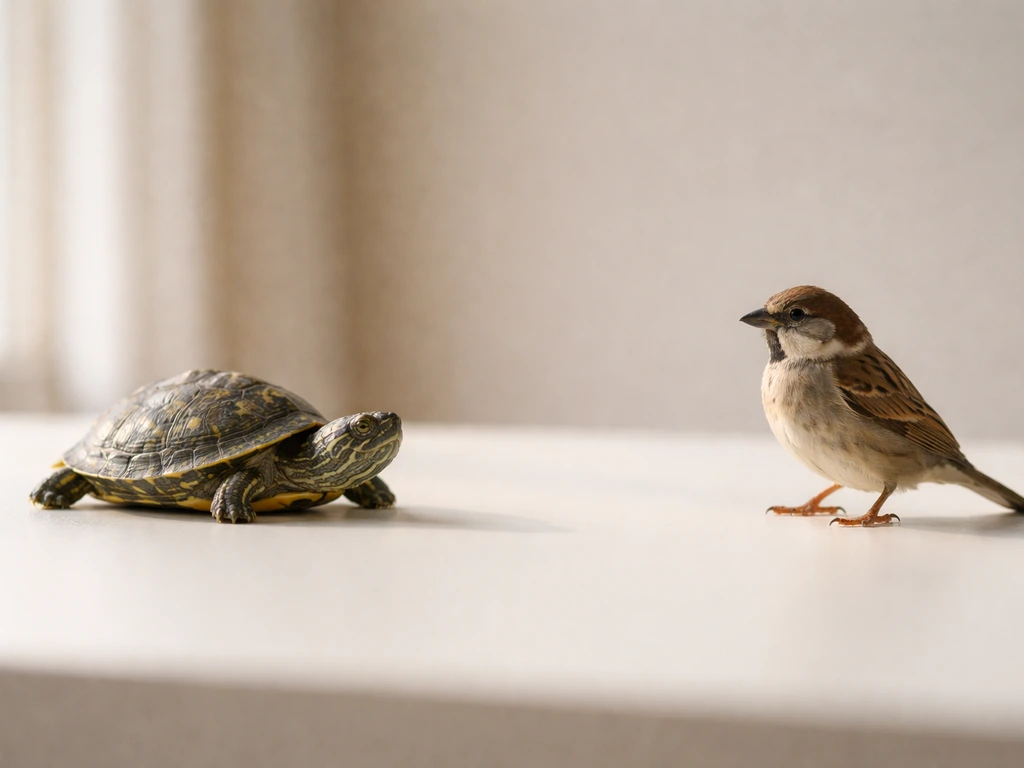
Is a Turtle a Bird? Simple Taxonomy Checklist and Facts
No, turtles are not birds. Learn the traits that define birds versus reptiles and fix common shell and egg misconception
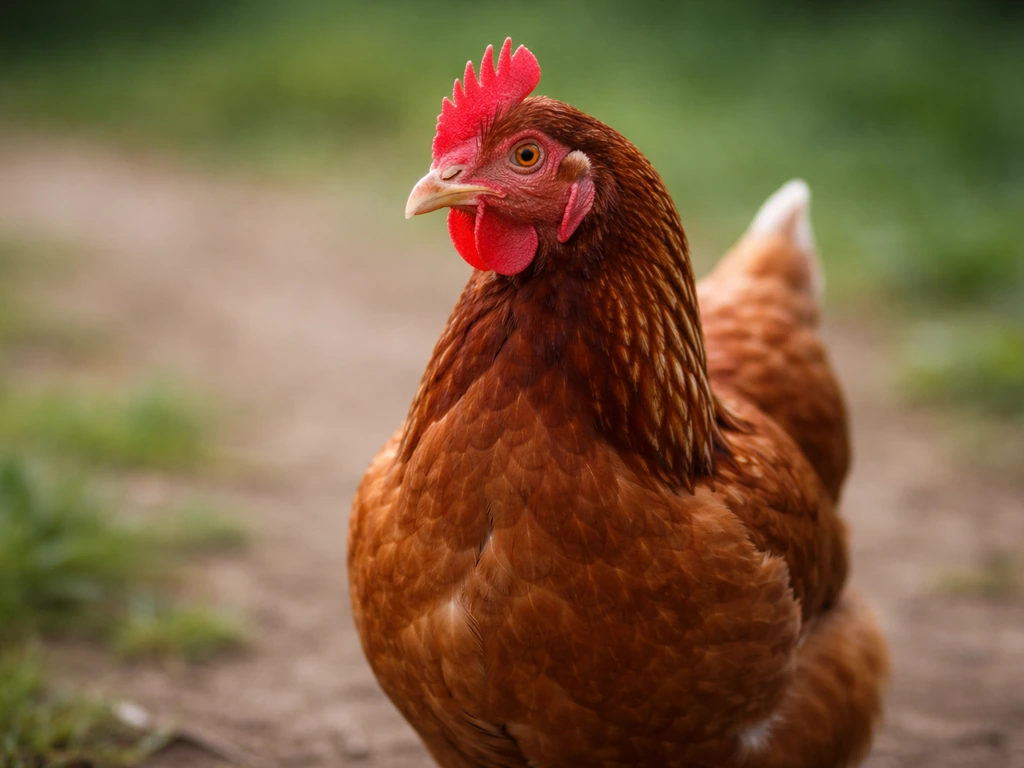
Is a Hen a Bird or an Animal? Simple Answer and Check
A hen is an animal, specifically a bird. Use a quick checklist to spot bird traits and clear common classification confu

Hyena: Is It a Bird or an Animal? Taxonomy Answer
Hyenas are mammals, not birds. Learn taxonomy and how to spot bird vs animal traits with quick contrasts.