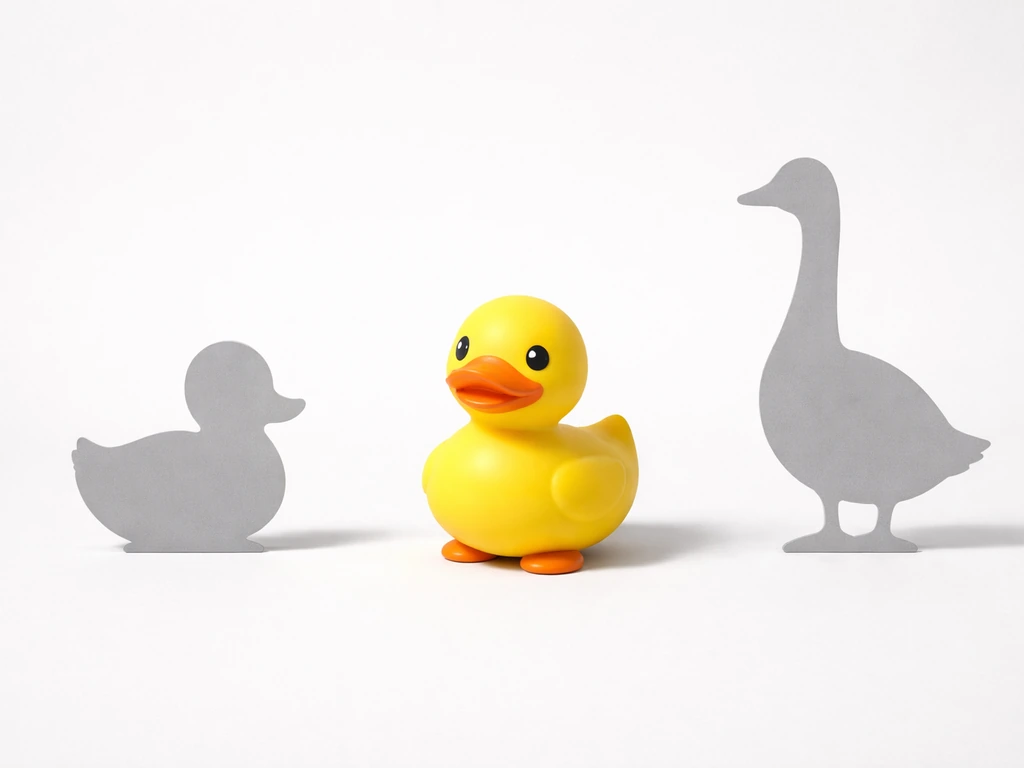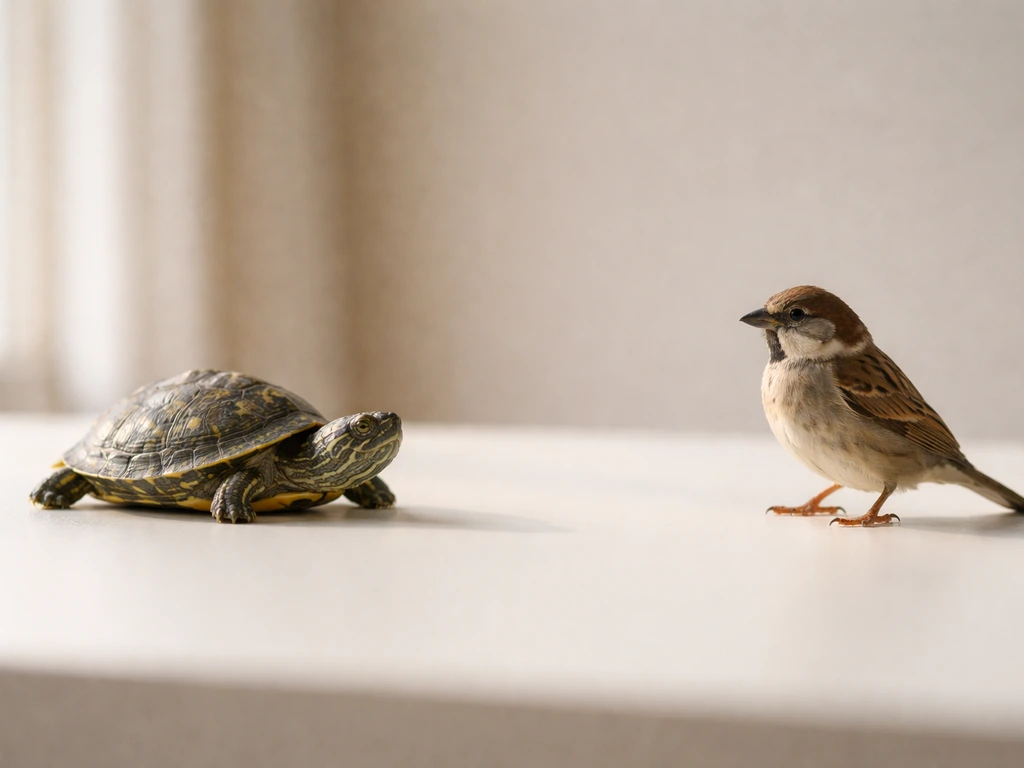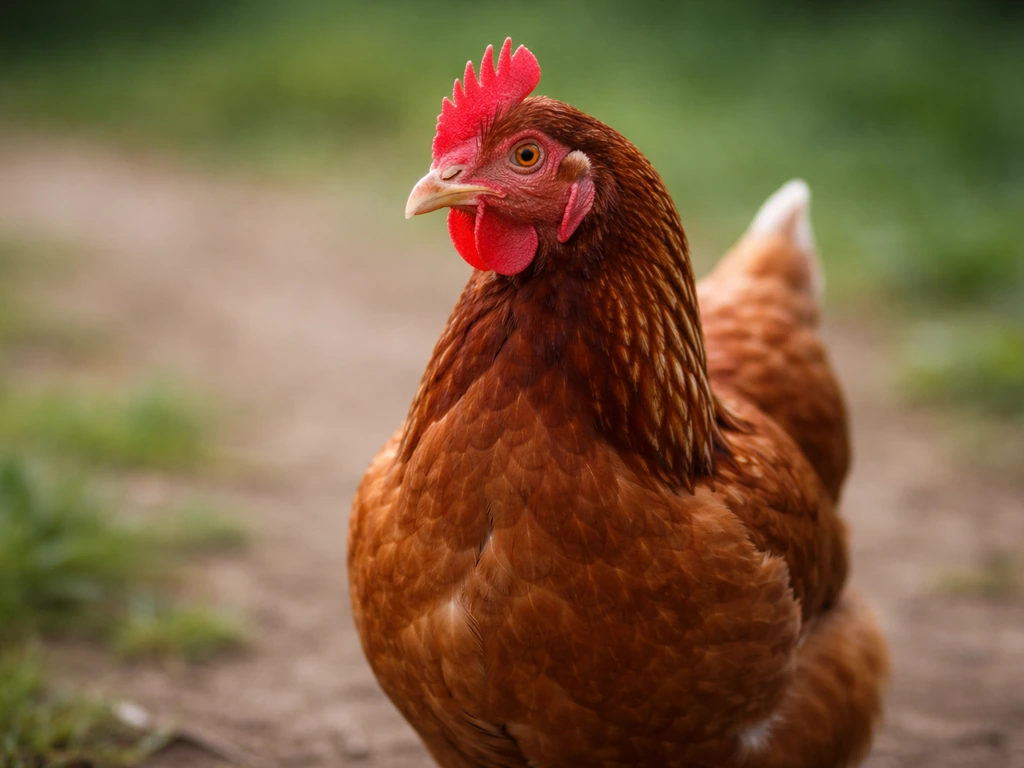
A duck is not a wading bird. Ducks are waterfowl, classified in the order Anseriformes and the family Anatidae, alongside geese and swans. A duck is a waterfowl, and that makes it a bird rather than a fowl or a wading bird is a duck a bird. Wading birds are a completely separate group, long-legged birds like herons, egrets, and sandpipers that stand or step slowly through shallow water to probe for food. Ducks do hang out in shallow water, and yes, they sometimes look like they're wading, but their biology, leg structure, and feeding behavior put them firmly in a different category.
Is Duck a Wading Bird? How to Tell Ducks and Waders

Sarah Chen
3 Jul 2026
What "wading bird" actually means
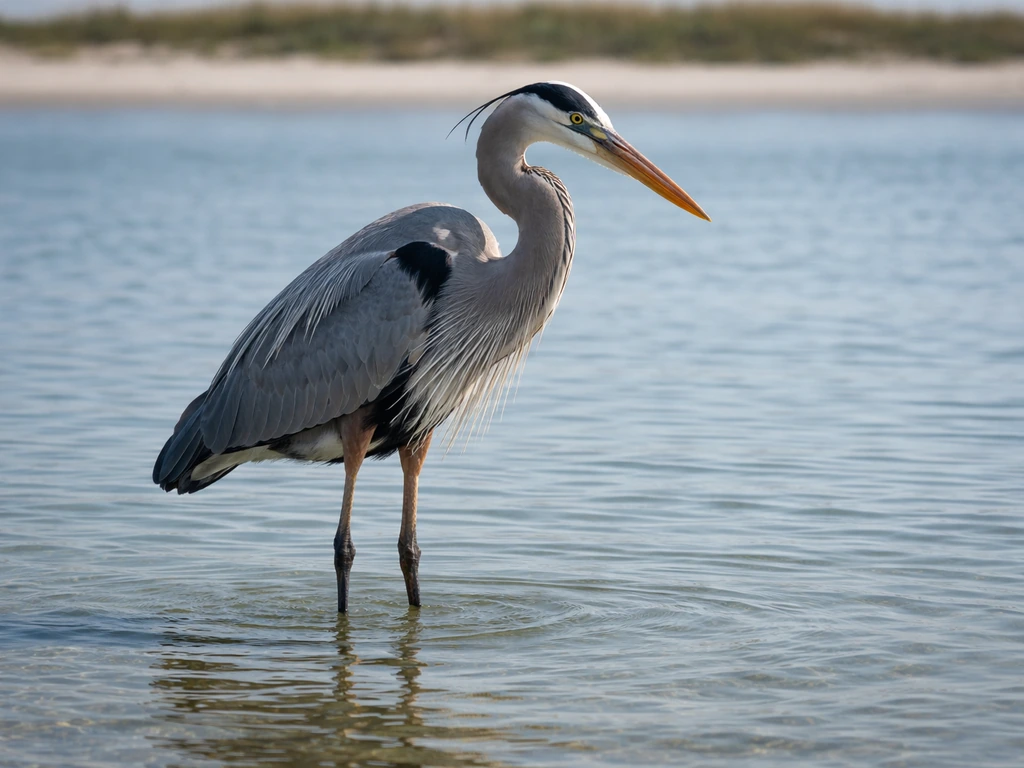
The term "wading bird" describes birds that walk into shallow water to hunt for food they can't find on land. The key traits are long legs, a long bill, and a specific feeding style: either standing completely still and waiting for prey to swim within striking range, or stepping slowly forward and probing the mud or water with a pointed or specialized bill. Cornell’s Bird Academy notes that shorebirds forage with actions like “pecking or probing or sifting through wet sand,” emphasizing probing as a common feeding approach. Long legs are the mechanical trick here. They let the bird wade without getting its feathers soaked, keeping it mobile and dry while hunting at water's edge.
Classic wading birds include Great Blue Herons (which hunt by wading slowly through shallow water and spearing fish with a sharp bill), egrets, bitterns, and shorebirds like dowitchers and sandpipers. Dowitchers, for example, wade in shallow water and probe deeply into mud with their bills, moving methodically and deliberately. Spoonbills strain shallow water using a wide, spoon-shaped bill. The common thread across all of these birds: wading is the feeding strategy, not just where they happen to be standing.
Importantly, wading birds generally do not swim or dive for food. That distinction matters a lot when you're trying to sort ducks into the right box.
Why ducks look like they're wading (but aren't)
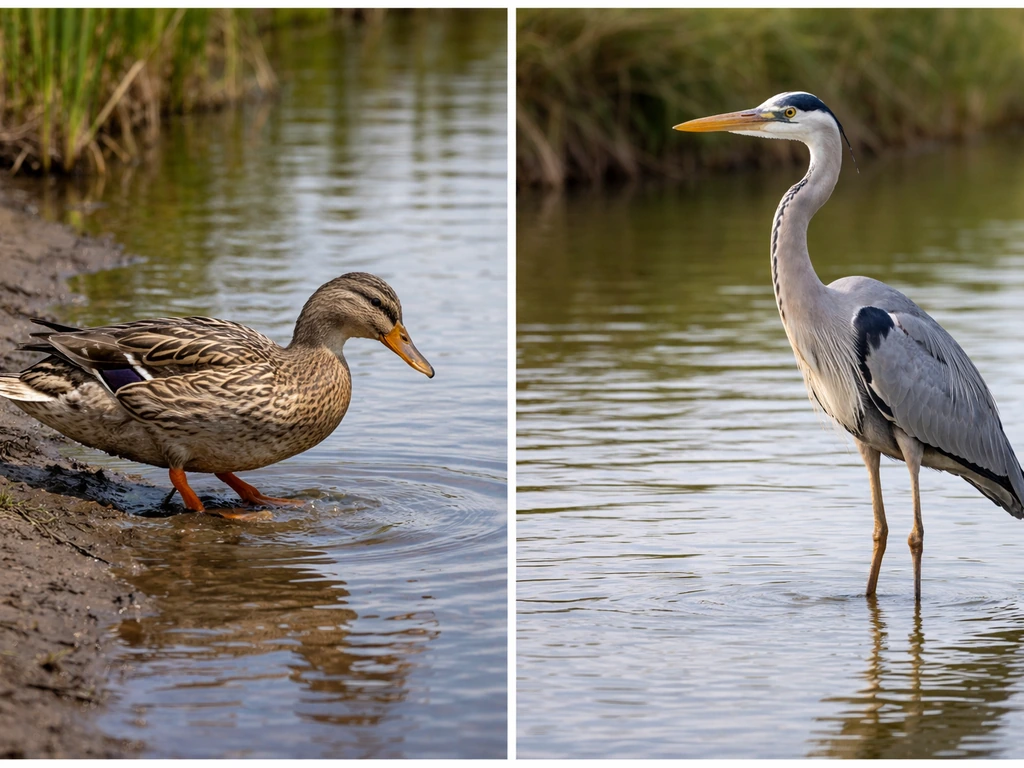
Here's where the confusion comes from. Ducks absolutely spend time in shallow water, and if you spot a mallard standing in a pond's edge you might reasonably call it "wading." But the way ducks move and feed is fundamentally different from true wading birds.
Ducks split into two main feeding types: dabblers and divers. Dabbling ducks like mallards tip upside-down in the water, sticking their head and neck beneath the surface while their tail points skyward, to eat aquatic plants, insect larvae, and freshwater shrimp. They're not probing mud with a long bill or standing still to ambush prey. Diving ducks go further, fully submerging to forage underwater, hunting by sight beneath the surface. Neither strategy is anything like a heron standing motionless in the shallows waiting to spear a fish.
Ducks also have short legs set toward the back of their bodies, which is perfect for swimming but makes them walk with that characteristic waddle on land. Wading birds have long legs positioned more centrally, designed for stable walking through shallow water. If you see a bird with stubby legs, wide webbed feet, and a flat bill tipping upside-down in a pond, that's a waterfowl feeding strategy, not a wading bird strategy.
Where ducks fit in bird taxonomy
All ducks are birds (class Aves), but within that class they sit in the order Anseriformes, family Anatidae. That family covers ducks, geese, and swans as a single evolutionary group commonly called waterfowl. The U.S. Fish and Wildlife Service, the National Park Service, and Cornell Lab's All About Birds all use this same Anseriformes/Anatidae framework for ducks.
Wading birds, by contrast, are spread across several different orders. Herons and egrets are in the family Ardeidae. Sandpipers and dowitchers are shorebirds in the order Charadriiformes. These groups share a lifestyle (shallow water, long legs, probing or waiting for prey) but they aren't one unified taxonomic family. "Wading bird" is more of an ecological category than a strict scientific classification, which is part of why it confuses people.
The bottom line: ducks belong to a well-defined taxonomic order built around waterfowl. So while ducks may spend time around shallow water, they are amphibious in the loose, everyday sense of living near water, not because they are amphibians. Calling a duck a wading bird would be like calling it a shorebird or a seabird. It might visit the shore, but that's not what it is.
Ducks vs the birds people mix them up with
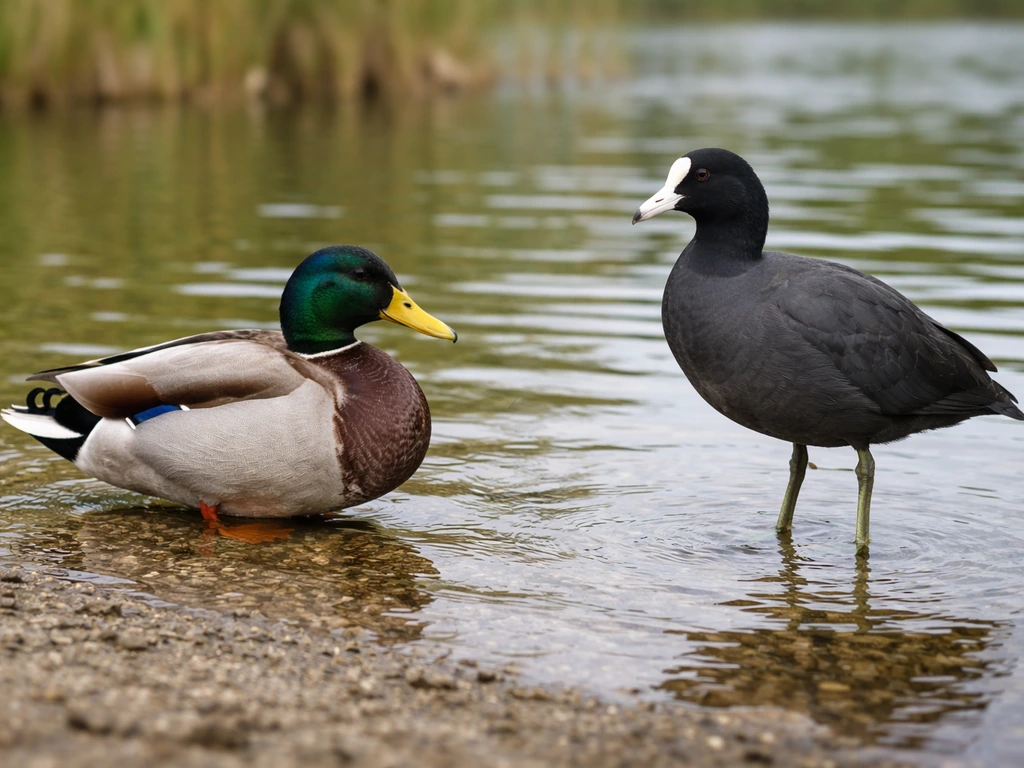
It helps to see the differences laid out side by side. People most often confuse ducks with herons, egrets, geese, swans, and coots. Here's how they actually compare:
| Bird | Category | Leg length | Feeding style | Swims? |
|---|---|---|---|---|
| Mallard (duck) | Waterfowl (Anatidae) | Short | Dabbles / tips upside-down | Yes |
| Canvasback (duck) | Waterfowl (Anatidae) | Short | Dives underwater | Yes |
| Great Blue Heron | Wading bird (Ardeidae) | Very long | Stands still / spears prey | Rarely |
| Great Egret | Wading bird (Ardeidae) | Very long | Wades slowly / spears prey | Rarely |
| Dowitcher | Wading bird / shorebird | Medium-long | Probes mud with bill | No |
| Canada Goose | Waterfowl (Anatidae) | Medium | Grazes, dabbles | Yes |
| Mute Swan | Waterfowl (Anatidae) | Medium | Dabbles, up-ends | Yes |
| American Coot | Rallidae (not waterfowl) | Medium, lobed feet | Dabbles, grazes | Yes |
Geese and swans are the easy ones: they're in the same family as ducks (Anatidae) and are definitely not wading birds either. Coots are an interesting case because they swim like ducks and hang out in the same ponds, but they're actually in a completely different family and aren't true waterfowl. Coots are birds too, but they are not ducks or wading birds Coots are an interesting case. Herons and egrets look nothing like ducks once you know what to look for: tall, slender, long-necked, with stilts for legs and a spear for a bill.
One more bird worth mentioning: the anhinga. It's a long-necked, long-billed bird often found near water that people sometimes mistake for a wading bird because of its silhouette. It's not a wading bird either. Long neck and pointed bill alone don't make something a wader. Feeding behavior and leg structure are what count.
A simple checklist for sorting out water birds in the field
If you're standing at a pond or wetland trying to figure out what category a bird belongs to, run through these questions in order:
- Look at the legs. Are they very long relative to the body, positioned centrally so the bird walks upright and steadily through shallow water? That's a wading bird profile. Short legs set toward the back of the body that make the bird sit low in the water? That's waterfowl.
- Watch the bill. Is it long, pointed, or oddly shaped (spoon, probe-style), and does the bird use it to stab, spear, or push through mud? Wading bird. Is it flat, broad, and used to filter or scoop? Waterfowl.
- Check if it swims. True wading birds generally don't swim. If the bird is paddling around the pond comfortably, it's almost certainly not a wading bird.
- Watch the feeding action. Does it tip upside-down with its tail in the air (dabbler), fully dive and disappear underwater (diver), or stand frozen then lunge at prey (wading bird)? This one move tells you nearly everything.
- Look at overall body shape. Wading birds are tall, slender, and elongated. Waterfowl are compact, rounded, and sit on the water's surface.
- If you're still unsure, note the habitat edge. Wading birds tend to work the shallow margins, mudflats, and very edges of water. Ducks use open water freely and move around the whole pond.
Once you start watching behavior instead of just color or size, the categories become pretty obvious pretty fast. A Great Blue Heron standing motionless in ankle-deep water like a statue, then striking like a javelin, looks nothing like a mallard tipping its tail up to munch on pond weeds. Same shallow water, completely different birds doing completely different things.
So is a duck ever a wading bird?
No, not in any classification system that matters. A duck standing in shallow water is still a duck, just like a heron floating on a log for a moment is still a heron. Classification comes from biology and consistent behavior, not from where a bird happens to be standing on a given afternoon. Ducks are waterfowl. If you're wondering specifically whether the Aflac bird is a duck or a goose, the answer is that it is modeled as a duck. Waterfowl are not wading birds. The confusion is understandable because both groups live near water, but the differences in leg structure, bill shape, feeding strategy, and taxonomy are clear and consistent.
If you're working through related questions about how ducks fit into bird categories, it's also worth knowing that ducks are definitely birds (not amphibians, not birds of prey, not fowl in a separate sense from birds). A bird of prey is typically defined by hunting methods such as stalking, chasing, or using sharp talons and a hooked beak. The "waterfowl vs wading bird" distinction is just one piece of a broader picture of how water-associated birds are actually sorted.
FAQ
If a bird has long legs and stands in shallow water, is it automatically a wading bird?
Not automatically. Long legs help, but the decisive factor is the feeding method. True wading birds either wait motionless with a long bill for prey to enter range, or they take deliberate steps and probe. If the bird mostly swims, dives, or tips its body to reach food, it is likely a waterfowl like a duck instead of a wader.
Can ducks be “wading” in the everyday sense even if they are not wading birds?
Yes. Ducks often walk at the water’s edge, and they may look like they are wading while foraging near shore. The key is that ducks are using waterfowl feeding strategies, such as tipping, dabbling under the surface, or diving, rather than probing mud with a long bill or stalking from long-legged stillness.
How can I tell a duck from a heron at a distance?
Watch posture and movement. Herons and egrets usually have a tall, upright stance with a long neck and long legs, and they strike quickly from a standstill. Ducks typically have a lower, more compact body, shorter legs set toward the back, and they tip forward with the tail up when dabbling.
What about geese and swans, can they ever look like waders?
They can look similar when they are near shallow water, but their overall body shape and feeding style do not match typical wading-bird probing. Since they are in the same waterfowl group as ducks, they may graze in shallows or feed differently rather than using the classic wader wait-and-probe behavior.
Are coots wading birds or ducks?
Coots are not ducks and not true wading birds. They may frequent the same ponds and use swimming styles that resemble ducks, but they belong to a different lineage. If you see a bird that seems duck-like but lacks typical waterfowl structure and behavior, it is a coot candidate rather than a duck.
Do wading birds ever swim or dive for food?
Generally, wading birds focus on walking and waiting or probing in shallow water. Some may swim or use short dives occasionally, but if their main feeding is not tied to walking shallows and their leg-and-bill toolkit looks water-adapted for probing, the bird is less likely to be a true wading bird.
What should I look for in the bill shape?
Bill shape is a strong clue when combined with behavior. Many waders have pointed bills suited for stabbing or probing, often paired with deliberate stepping or still ambush. Ducks tend to have bills suited to plant and invertebrate feeding, frequently alongside tipping and surface-underwater foraging rather than deep probing of mud.
How do leg placement and feet help with identification?
Wading birds typically have long legs positioned for stable walking in shallows. Ducks have shorter legs positioned toward the back and webbed feet adapted for swimming. If the bird waddles on land with a compact body and later forages by tipping or diving, it is more consistent with a duck than a wader.
If I’m unsure, what is the fastest decision checklist at a pond?
Start with behavior: does it tip and dabble, or does it wait and spear/probe while standing? Next check body shape: compact and waddle-prone points to duck-like waterfowl, tall and leggy with a long neck points to waders. Finally, confirm bill and movement style, since color alone is not reliable.
Is the phrase “wading bird” used in science the same way people use it?
Usually no. “Wading bird” is mainly an ecological label for a shared lifestyle, not a single taxonomic group. That is why birds that live near water can look similar by habitat but still be unrelated in classification and differ in feeding behavior.
Are waterfowl always near water, does that make them wading birds?
Not necessarily. Waterfowl are associated with water, but their defining traits come from their anatomy and feeding strategies. A bird can be near water and still be classified as waterfowl rather than wading birds, because “wading bird” depends on hunting mechanics, not just location.