Quematrice is not a bird. It is not even a real animal. Quematrice is a fictional monster from the video game Monster Hunter Wilds, officially classified in-game as a Brute Wyvern, which is a gameplay category and has nothing to do with biological taxonomy. If you searched "is Quematrice a bird wyvern" because you saw it labeled differently across fan sites, that inconsistency is real but easy to explain.
Is Quematrice a Bird Wyvern? Bird vs Reptile Check

Sarah Chen
30 Jun 2026
What exactly is Quematrice?
Quematrice is a large monster introduced in Monster Hunter Wilds, the sixth-generation entry in Capcom's Monster Hunter series. It appears early in the game while players explore the Windward Plains. Visually, it has been described as resembling a dinosaur with a rooster-like head and a tail that shoots sparks and causes explosions. That rooster-head appearance is almost certainly what drives the "bird" question.
Quematrice does not exist as a recognized species in any real-world taxonomy database. If you search the Catalogue of Life, which is one of the most comprehensive online indexes of known species on Earth, you will not find Quematrice listed. That absence is a strong signal: this creature lives entirely within a fictional game universe, not in nature.
The naming confusion comes from fan and editorial sources. The Monster Hunter Fandom Wiki, Spanish and German fan wikis, and most gameplay guides consistently call Quematrice a Brute Wyvern. However, at least one editorial site (Mobalytics) labeled it a Bird Wyvern in its guide, which contradicts the game's own categorization. Reddit players have debated this directly, with some stating flatly that Quematrice is "100% NOT a bird wyvern. In a discussion thread on r/MHWilds, players also debated that in-game label for Quematrice, including calling it an aggressive Brute Wyvern r/MHWilds discussion thread. " The bottom line: the game itself says Brute Wyvern, and that is the correct in-universe label.
What makes something a bird in real biology?
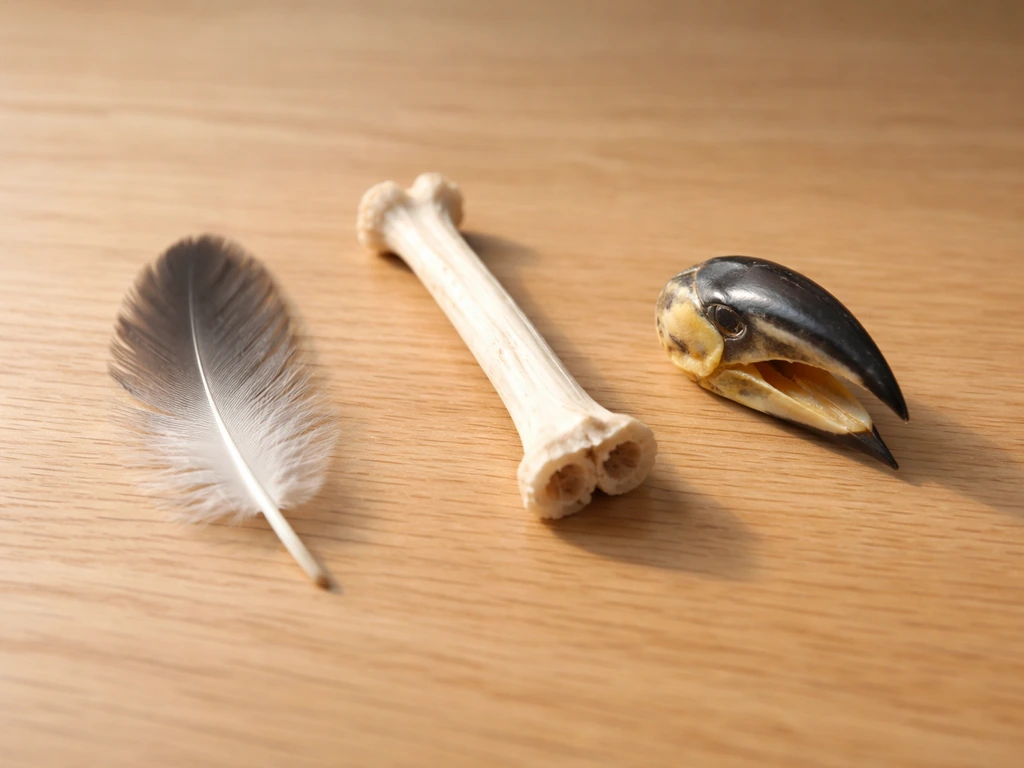
Before we map any creature to the bird category, it helps to know exactly what biologists look for. Birds belong to the class Aves, a group within the archosaurs (which also includes crocodilians and non-avian dinosaurs). The traits that define a bird are specific and consistently used across taxonomy:
- Feathers: unique keratinous structures found in no other living animal group
- A toothless beak (beaks evolved across Aves; toothed ancestors were Mesozoic, not modern)
- Forelimbs modified into wings, even in flightless species like penguins and ostriches
- Oviparous reproduction: birds lay hard or leathery-shelled eggs
- Endothermy: birds are warm-blooded, regulating their own body temperature
- A lightweight, partially hollow skeleton with fused bones for structural efficiency
- A four-chambered heart, which distinguishes birds (and mammals) from most reptiles
A rooster-shaped head does not make something a bird. Beak-like structures appear in turtles, cephalopods, and platypuses. What separates birds from every other living group is the complete combination above, especially feathers. No feathers, no bird. Encyclopedia.com’s Aves overview likewise summarizes birds by diagnostic traits such as feathers, beak, and oviparity, which is useful as a general “bird traits” reference. If you're wondering about other birds and unusual claims online, it's also worth checking what the species actually does in real life, not just what labels say is hoopoe a climbing bird. It is that straightforward.
What does "wyvern" actually mean, and why it points away from birds
A wyvern is a creature from European heraldry and fantasy tradition. By the classic definition, a wyvern is a two-legged, winged, dragon-like creature, usually depicted as reptilian. Collins Dictionary defines it as a dragonlike creature in fantasy usage. Wikipedia describes wyverns as firmly rooted in fantasy and heraldic contexts, with no connection to any formal biological classification. "Wyvern" is not a scientific term.
Monster Hunter uses "wyvern" as a game-mechanics label to group monsters by body plan and behavior, not to make any claim about real-world taxonomy. The game has Bird Wyverns, Brute Wyverns, Flying Wyverns, and others. These are internal categories invented by game designers to organize gameplay. They borrow fantasy vocabulary but carry no biological meaning outside the game. Wikipedia’s disambiguation page for “wyvern” shows the term is used across different contexts, including non-biological ones, so it should not be treated as a consistent scientific category blank" rel="noopener noreferrer">wyvern is disambiguated across meanings). Charizard, on the other hand, is generally treated as a fire-based reptile rather than a bird in its fictional biology.
This is similar to how the word "cockatrice" (part-rooster, part-serpent imaginary creature) sounds like it might relate to real animals but is entirely a fantasy construct. The "-trice" ending in Quematrice may even be a nod to that tradition, which would reinforce the creature's fictional, reptile-meets-bird aesthetic rather than any real classification.
So is Quematrice a bird? The verdict
No. Quematrice is not a bird by any biological definition. It fails on every meaningful criterion:
- It is not a real animal, so it has no place in the class Aves or any biological taxonomy
- It is officially categorized as a Brute Wyvern in Monster Hunter Wilds, not a Bird Wyvern even within the game's own fictional system
- Its visual design borrows from both dinosaurs and roosters, but cosmetic similarity to a bird does not make something a bird
- "Wyvern" in any form is a fantasy label, not a biological one
- It has no confirmed feathers, no avian skeletal traits, and no reproductive behavior tied to birds
If one fan site called it a Bird Wyvern, that was either an editorial error or loose language. The authoritative in-game classification, used consistently across the main Fandom wiki and multiple language versions, is Brute Wyvern.
How to verify a creature's classification yourself
When you encounter a creature name and want to know whether it is a real animal or a fictional one, here is a quick practical process: If you are also wondering about Pikachu, it is likewise not a real-world bird, but a fictional electric rodent-like Pokémon.
- Search the Catalogue of Life (catalogueoflife.org) or the ITIS (Integrated Taxonomic Information System) database. If the name returns nothing, the creature is almost certainly fictional or a misspelling of a real species.
- Check whether the name appears primarily on game wikis, fandom pages, or gaming guides. If yes, treat it as a fictional creature unless proven otherwise.
- Look for the official source: in a game, the official in-game monster field guide or developer notes are more reliable than third-party gameplay guides, which often introduce labeling errors.
- Watch for terms like 'wyvern,' 'drake,' 'cockatrice,' or 'wyrm.' These are fantasy/heraldic vocabulary, not biological categories. Their presence strongly suggests a fictional creature.
- For real animal classification, anchor your check on diagnostic traits: feathers (birds), fur/mammary glands (mammals), scales plus cold-blooded metabolism (many reptiles). A beak or rooster-like head alone means nothing without the full trait bundle.
Fan wikis are useful for game content but are not reliable taxonomy sources. Mobalytics labeling Quematrice a Bird Wyvern while the main Fandom wiki says Brute Wyvern is a perfect example of why you always check the primary source first.
Bird vs. look-alikes: common misclassification cases
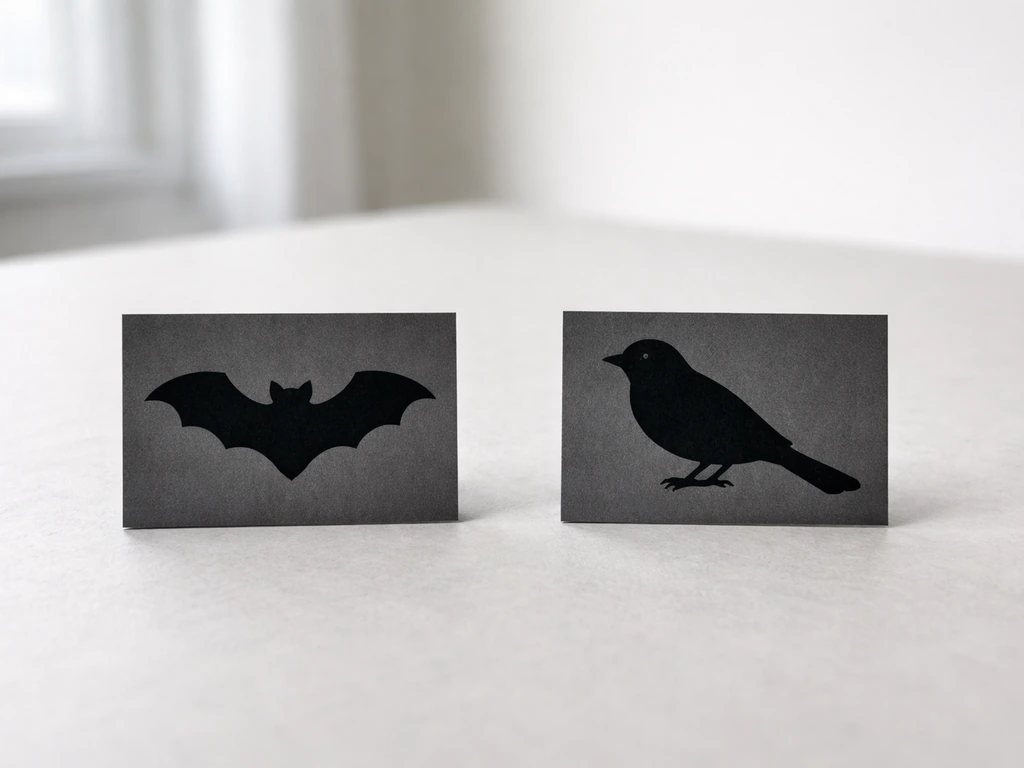
Quematrice is a fictional case, but the same classification confusion comes up with real and semi-real creatures all the time. Here are a few worth knowing:
| Creature | Common Misconception | Actual Classification | Key Reason |
|---|---|---|---|
| Bat | Flies, so it must be a bird | Mammal (class Mammalia) | Has fur and mammary glands, no feathers |
| Pterosaur (Pterodactyl) | Looks like a flying reptile-bird hybrid | Extinct reptile, not a bird or dinosaur | No feathers (some had pycnofibers), not in class Aves |
| Penguin | Can't fly, so maybe not a bird | True bird (class Aves) | Has feathers, lays eggs, forelimbs are wings |
| Charizard (Pokémon) | Has wings and a beak-like mouth | Fictional creature, not classified | No feathers, fire-breathing, game fantasy design |
| Quematrice (Monster Hunter) | Rooster head = bird? | Fictional Brute Wyvern, not a bird | No real taxonomy, wyvern is a fantasy label |
The pattern here is consistent: appearance can mislead. Bats flew for millions of years before modern birds and are not related to them. Pterosaurs had wings but belong to a completely separate reptile lineage. Penguins look awkward and cannot fly but are textbook birds.
And fictional creatures like Quematrice (or Charizard, for that matter) borrow visual traits from real animals without belonging to any real class. If you have ever wondered whether a fictional creature like Pikachu or a mythological one like the Vermilion Bird qualifies as a real bird, the same framework applies: check for feathers, check for Aves-level anatomy, and check whether the creature even exists outside a story.
If you are wondering whether the Vermilion Bird is a phoenix, that is a different kind of classification question as well.
The takeaway on Quematrice
Quematrice is a video game monster, not a real animal. Its in-game label is Brute Wyvern, not Bird Wyvern, and even the Bird Wyvern category in Monster Hunter is a fictional gameplay grouping rather than a biological one. Nothing about Quematrice meets the definition of a bird in real taxonomy: no feathers, no avian skeleton, no place in the class Aves, and no entry in any real-world species database. The rooster-like head is a design choice, not a taxonomic statement.
If you want to confirm whether any creature is a real bird, start with feathers and end with the Catalogue of Life. If you are wondering, “is Quill a bird,” it helps to first check whether it is a real biological species or just a fantasy or game label.
FAQ
If I see Quematrice called a Bird Wyvern on some guides, which label should I trust?
Go by the Monster Hunter Wilds in-game category name shown in-game (quests, bestiary, or monster info screens) rather than third-party guides. If a site calls it “Bird Wyvern” but the game UI consistently labels it “Brute Wyvern,” treat the third-party label as an editorial mistake or a loose shorthand for how it looks.
Why does Quematrice look like it could be a bird even if it is not classified that way?
Yes, the “bird” look can mislead. A rooster-like head and birdlike silhouette can come from monster design, not from any real-world traits like feathers or an avian-style skeletal structure. In other words, appearance alone is not enough to justify “bird” in either real taxonomy or game mechanics beyond the game’s own internal category.
Does the word “wyvern” in Monster Hunter have a real biological meaning?
In Monster Hunter, “wyvern” categories are gameplay tax groupings, not biological clades. The game uses these labels to describe behavior, body plan, and mechanics, so a “Bird Wyvern” should not be interpreted as evidence of feathers or an Aves anatomy pattern.
How can I tell whether I’m comparing game categories to real taxonomy by mistake?
Check whether your comparison is to a real animal or to a Monster Hunter category. A common mix-up is treating game categories as if they map directly to real taxonomy. If the creature is fictional or game-only, you should evaluate labels against the game’s own official naming, not against real species databases.
What is the fastest way to verify whether something like Quematrice is real or fictional?
If you want a quick decision rule, combine three checks: (1) Does the creature exist as a real species outside the game? (2) Does a reputable species index list it? (3) If it is fictional, use the game’s label for its classification. For Quematrice, it fails the real-species checks and matches “Brute Wyvern” in-game.
Why do different language wikis sometimes label Quematrice differently?
This confusion often comes from guide sites updating labels, translating terms, or simplifying categories. If you are using a Spanish or German fan wiki and it differs from the main community wiki, confirm which version matches the current game UI naming for the monster.
Are fan debates about Quematrice’s category about biology, or about game labeling?
When someone argues “100% NOT a bird wyvern,” they may be referring to in-game consistency rather than technical zoology. The key practical point is still the same: the game’s own category is the authoritative label for how Monster Hunter defines it for gameplay purposes.
Does the Brute Wyvern vs Bird Wyvern label affect gameplay strategy for Quematrice?
If your goal is gameplay, the classification can still matter because categories are tied to how monsters behave and how hunters prepare loadouts. Treat “Brute Wyvern” as the correct in-universe grouping for guides, builds, and behavior expectations, regardless of what it visually resembles.
How should I handle similar labeling conflicts for other Monster Hunter monsters?
Yes. Other Monster Hunter creatures use overlapping fantasy vocabulary, so “rooster head,” “dragon,” or “bird” phrasing can show up in unofficial descriptions. If you see an unexpected category label, verify by checking the monster info screen in the game or the consensus label across major guides.
What mistake do people usually make when deciding whether a creature is a bird?
Do not try to infer “bird” from a single feature like a beak shape. If you are testing the claim for real-world birds, feathers are a hard requirement. For fictional or game monsters, your “hard requirement” becomes the presence of the game’s official category label matching the claim.
Next Article
Is the Vermilion Bird a Phoenix? Myths vs Real Bird Taxonomy
Explore whether the Vermilion Bird is a phoenix, plus myth sources and why neither is real bird taxonomy.