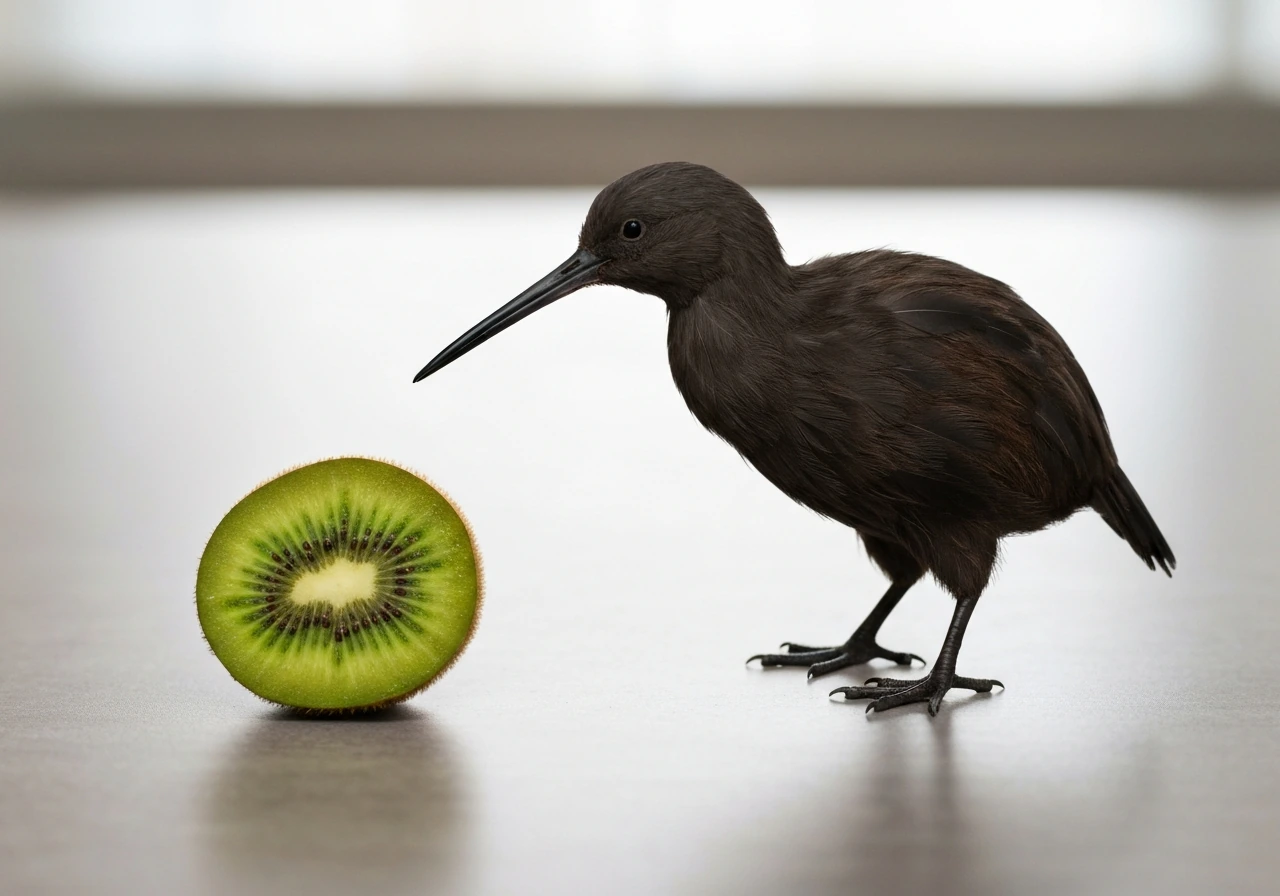
The short answer: a peacock is a bird, not a mammal
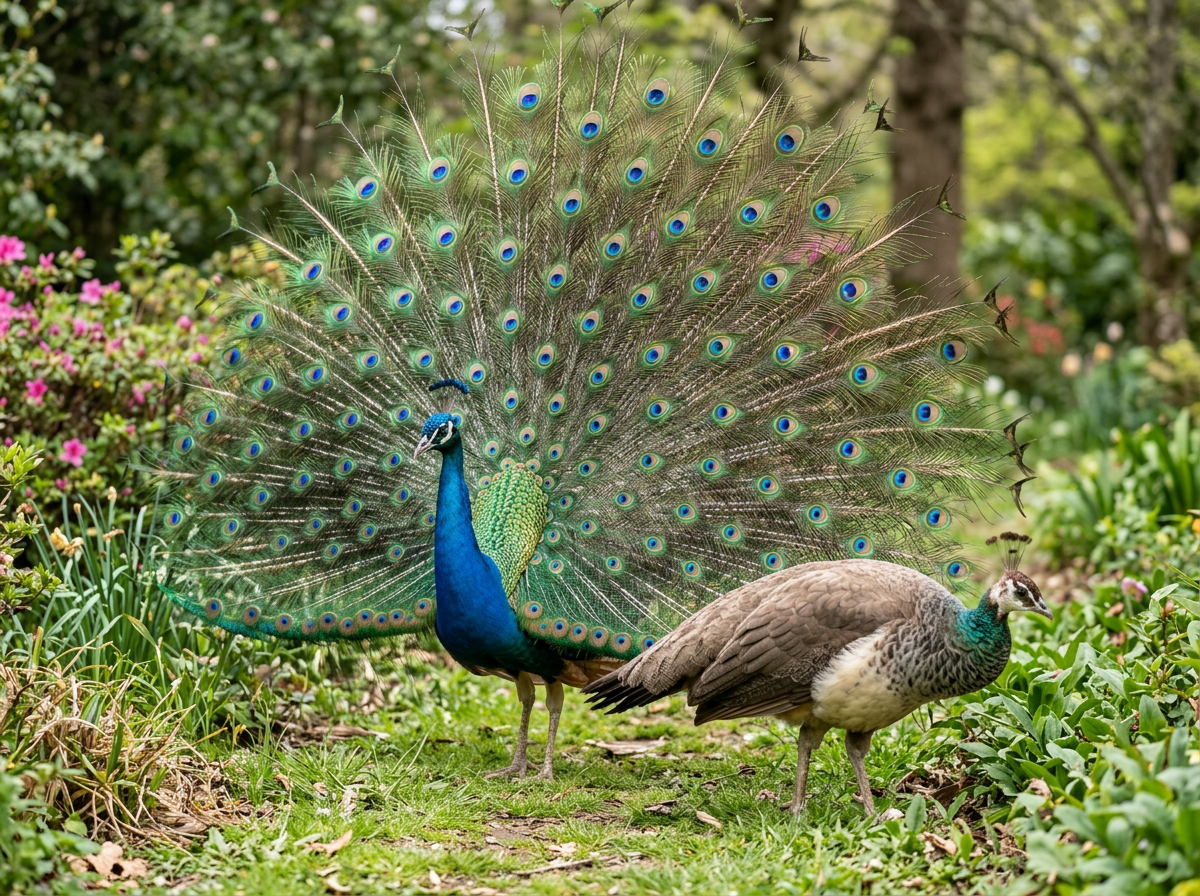
A peacock is 100% a bird. There is no ambiguity here, no ongoing scientific debate, and no asterisk. It belongs to class Aves, the biological group that contains all birds. It has feathers, lays eggs, and has wings. None of those things are mammal traits. If you need a one-line answer for a homework question or a quiz, write this down: a peacock is a bird.
What a peacock actually is: the classification basics
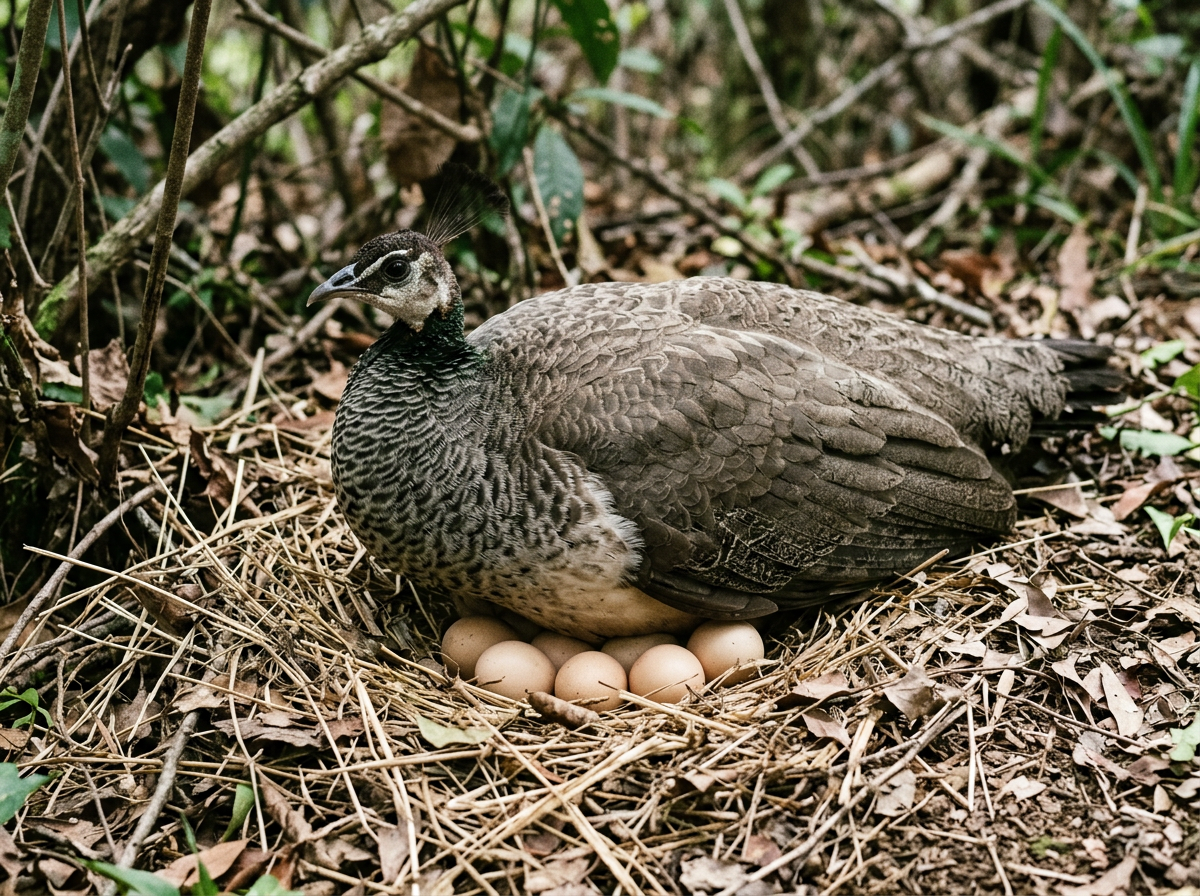
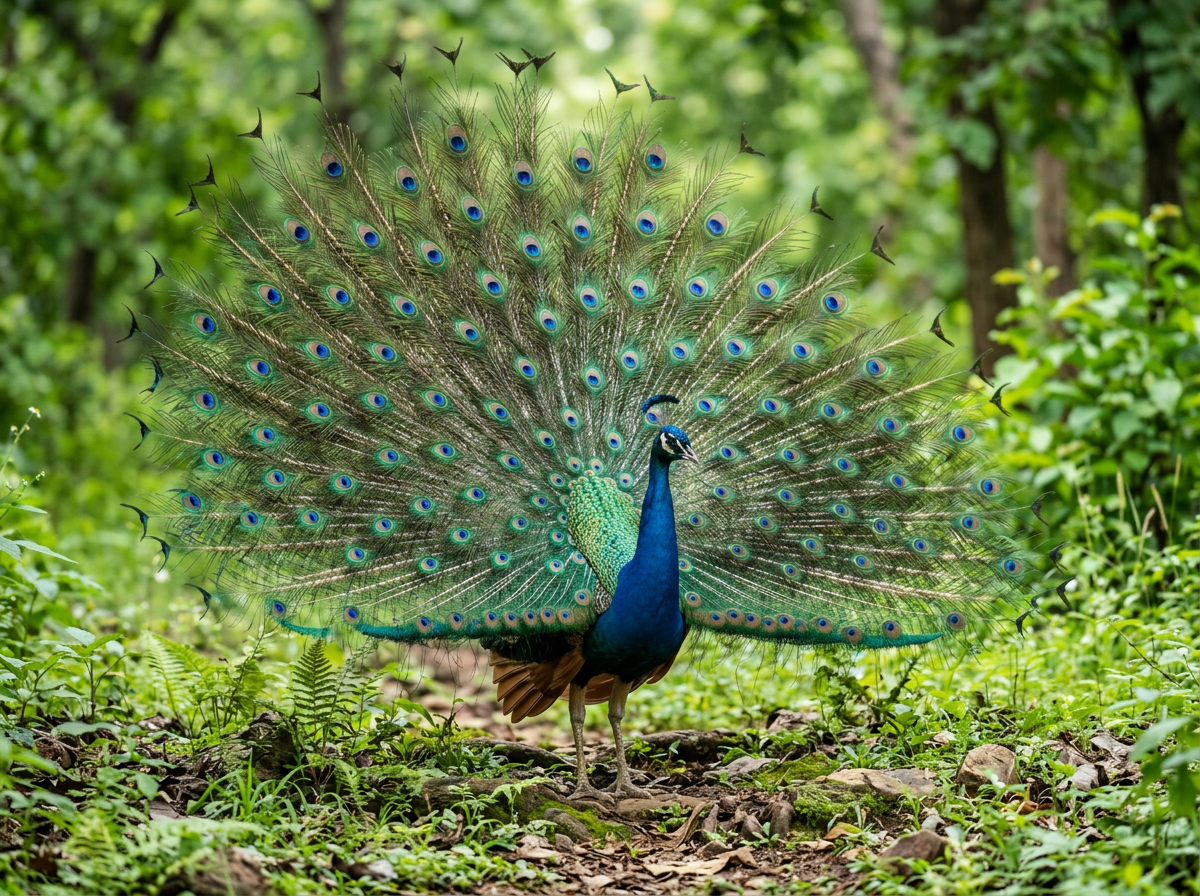
Technically, the word "peacock" only refers to the male. The female is called a peahen, and the species as a whole is called peafowl. The most common species you'll encounter is the Indian peafowl, Pavo cristatus. When people say "peacock," though, they almost always mean the whole species, so that's fine for everyday use.
In biological classification, peafowl sit in the order Galliformes and the family Phasianidae, which is the pheasant family. That puts them in the same broad group as pheasants, turkeys, and quail. Galliformes is one of the most well-studied bird orders on the planet, and every single species in it is, without question, a bird.
So the full classification chain looks like this: Kingdom Animalia, Phylum Chordata, Class Aves (birds), Order Galliformes, Family Phasianidae, Genus Pavo, Species Pavo cristatus. Class Aves is the key stop on that list. That's the bird class. That's where peacocks live, taxonomically speaking.
Body traits that prove it's a bird
You don't need to memorize Latin to confirm a peacock is a bird. You just need to know what to look for. Birds share a specific set of physical traits that no other group of animals has, and peacocks check every single box.
- Feathers: Birds are the only animals on Earth with feathers. Feathers have a stiff, hollow central shaft with barbs branching off it. Mammals have hair or fur, which is a completely different structure. A peacock's iconic tail display is made entirely of feathers, and its body is covered in them too.
- Wings: A peacock's front limbs are wings, not arms or paws. These are modified forelimbs built on the same basic bone plan as a human arm but adapted for flight. Mammals don't have wings (bats have wing-like structures made of stretched skin, but not feathers).
- Beak: A peacock has a hard, keratin beak with no teeth. Mammals have mouths with lips and, usually, teeth.
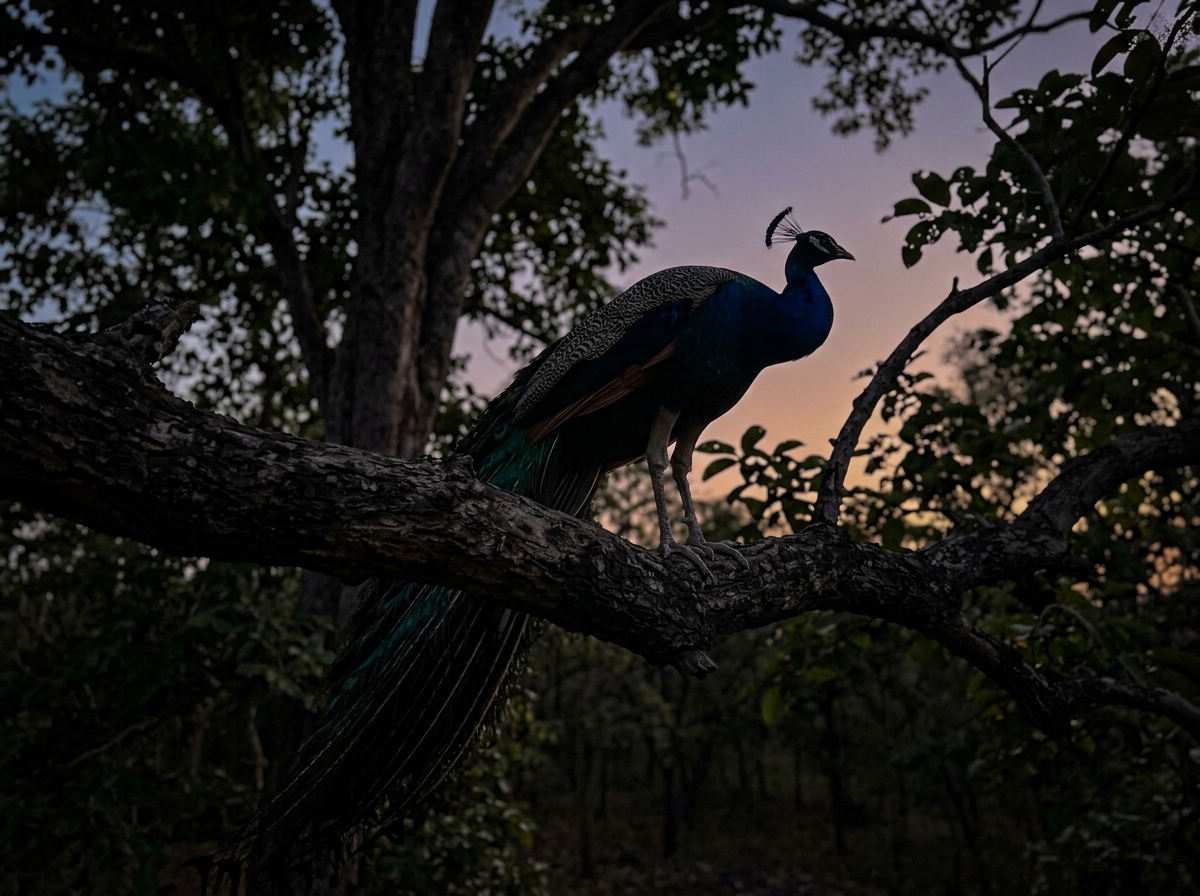
- Flight capability: Despite their size, Indian peafowl can fly. They use powerful wing-flapping to reach elevated roosting spots at night. They're not strong fliers like a hawk, but they get airborne.
- Warm-blooded (endothermic): Both birds and mammals are warm-blooded, so this trait alone doesn't separate them. What matters is that warm-bloodedness in birds comes alongside all the other bird traits, especially feathers.
The feathers point is worth emphasizing because it's the cleanest test. If you're ever unsure whether an animal is a bird, ask one question: does it have feathers? If yes, it's a bird. No other living animal has them. Penguins have feathers and are birds even though they can't fly. Ostriches have feathers and are birds even though they're enormous. Peacocks have feathers and are birds even though they look almost too dramatic to be real.
Reproduction: the clearest proof of all
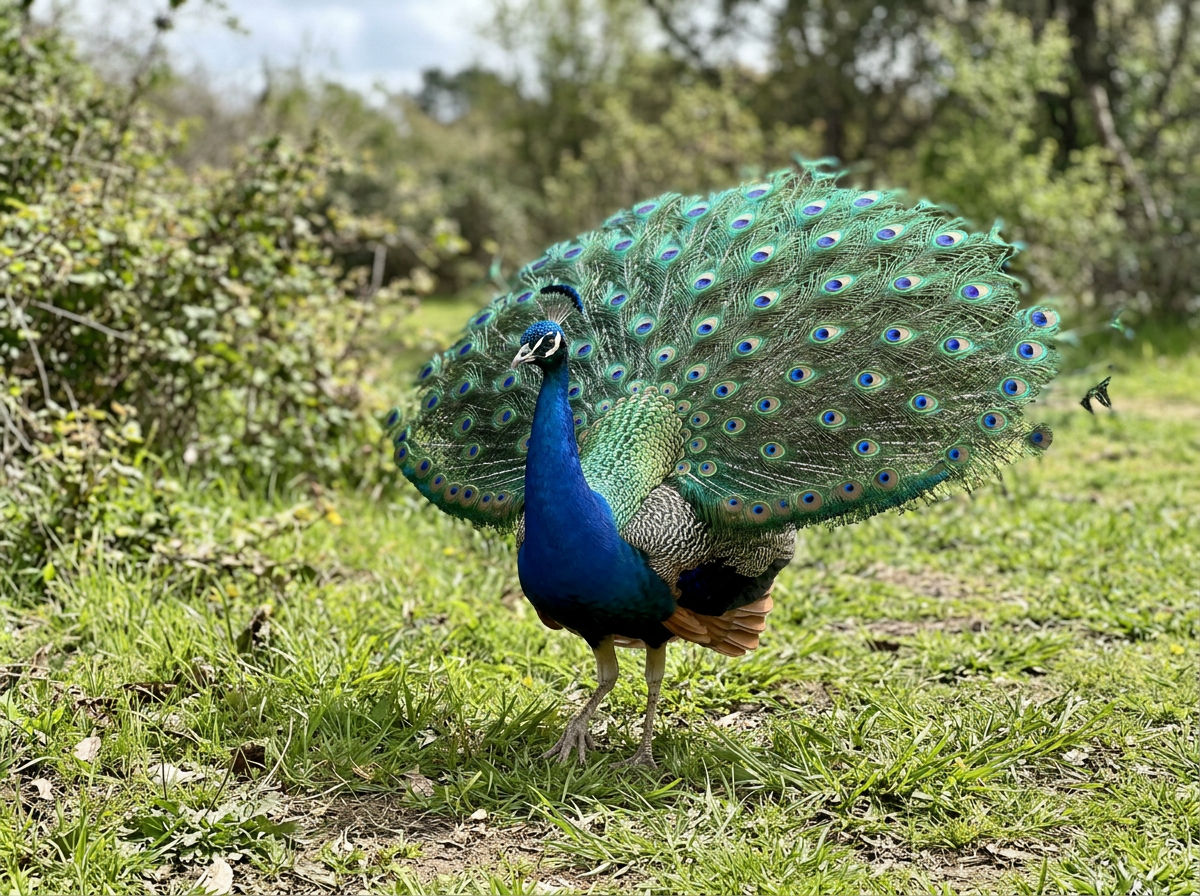
This is where the bird vs. mammal question gets settled most decisively. Mammals (with a couple of rare exceptions like platypuses) give birth to live young. Birds lay eggs. Peacocks, being birds, lay eggs.
A peahen lays eggs one at a time, typically every other day. A typical clutch is 3 to 6 eggs. She then incubates those eggs for 28 to 31 days before they hatch. The eggs have hard, waterproof shells, which is exactly what you'd expect from a bird. Development happens entirely outside the mother's body.
When peachicks (the babies) hatch, they come out covered in soft, fluffy down feathers. Some people see photos of fuzzy baby peafowl and get confused, thinking the "fuzz" looks like fur. It isn't. Down is a layer of fine feathers that insulates young birds before their adult plumage grows in. So even the baby, at its fuzziest, is covered in feathers, not fur.
Where peacocks fit in the animal kingdom
It helps to zoom out and see the full picture. The animal kingdom has two major groups that sometimes get confused: birds (class Aves) and mammals (class Mammalia). Here's a side-by-side look at what separates them.
| Trait | Birds (Aves) | Mammals (Mammalia) |
|---|
| Body covering | Feathers | Hair or fur |
| Reproduction | Lay hard-shelled eggs | Live birth (mostly); nurse young with milk |
| Forelimbs | Modified into wings | Arms, legs, or flippers |
| Mouth structure | Beak (no teeth in most) | Jaw with teeth (usually) and lips |
| Warm-blooded | Yes | Yes |
| Example | Peacock, penguin, eagle | Dog, whale, bat |
Peacocks match the bird column on every single row. They have feathers, lay eggs, have wings, and have a beak. They don't nurse young with milk, don't have hair or fur, and don't give live birth. The classification isn't close.
Within the bird class, peafowl are part of order Galliformes, a group sometimes called "chicken-like birds" or landfowl. Their family, Phasianidae, includes some of the most recognizable birds in the world: pheasants, turkeys, quail, and partridges. Peacocks are essentially very large, spectacularly feathered pheasant relatives.
Common points of confusion and how to clear them up fast
Most people who end up searching "peacock is a bird or mammal" aren't actually confused about peacocks specifically. They're usually running into one of a few broader mix-ups. Here's how to untangle them.
"But it's an animal, so doesn't that make it a mammal?"
This is the most common confusion. "Animal" and "mammal" are not the same thing. Mammals are just one group within the animal kingdom. Birds are animals. Reptiles are animals. Fish are animals. Insects are animals. A peacock is absolutely an animal, but being an animal doesn't make it a mammal any more than it makes it a fish.
"Baby peafowl look fuzzy, like a mammal"
This one trips people up because down feathers really do look soft and fluffy in photos. But down is feather-based insulation, not fur. Young precocial birds like peachicks hatch with their eyes open and are covered in down from day one. That down is soon replaced by proper adult feathers. If you look closely at a baby peachick, you're looking at feathers, not hair.
"It's so big and exotic, it seems different from a regular bird"
Size and appearance don't change classification. An ostrich weighs up to 320 pounds and can't fly, but it's still a bird. A hummingbird is smaller than your thumb, but it's still a bird. What matters is the biological traits, and peacocks share every core bird trait: feathers, egg-laying, wings, and a beak.
Quick two-step check for any animal
- Does it have feathers? If yes, it's a bird. Full stop.
- Does it lay hard-shelled eggs and lack fur? If yes, it's almost certainly a bird (or possibly a reptile, but not a mammal).
What to do next if you're checking this for homework or just satisfying curiosity

If you need to confirm this for a class assignment or quiz, you're in good shape with the information above. If you also need to confirm the quick classification behind the question is peacock a bird or animal, the sections above on reproduction and body traits will match your answer. But here are a few practical next steps depending on your situation.
- For homework: Write that a peacock is a bird in class Aves, order Galliformes, family Phasianidae. Note three key traits: feathers, egg-laying, and wings. That covers classification, physical evidence, and reproduction in one clean answer.
- For a quiz or test: The fastest answer is: bird, not mammal. The proof is feathers (unique to birds) and egg-laying (birds lay hard-shelled eggs; most mammals give live birth).
- For deeper reading: Look up Pavo cristatus on Animal Diversity Web (ADW) for a full species profile, or check Britannica's Galliformes entry to see how peafowl relate to pheasants, turkeys, and quail.
- For younger learners: Focus on the feather rule. Birds are the only animals with feathers. Peacocks have feathers. Therefore, peacocks are birds. That's it.
- If someone is arguing with you: Point to the eggs. Peahens lay 3 to 6 hard-shelled eggs per clutch and incubate them for up to 31 days. No mammal does that (outside of the very unusual platypus and echidna). Peacocks are not platypuses.
You can also explore related questions like whether a peacock is a bird of prey (it isn't, it's a ground-foraging omnivore), or whether peacocks are perching birds, to get a fuller picture of where they fit in the bird world. Whether a bird of paradise is a banana tree is a common mix-up, but they are completely different plants and animals is bird of paradise a banana tree. But for the core question, you've got everything you need: a peacock is a bird, proven by its eggs it hatches from.