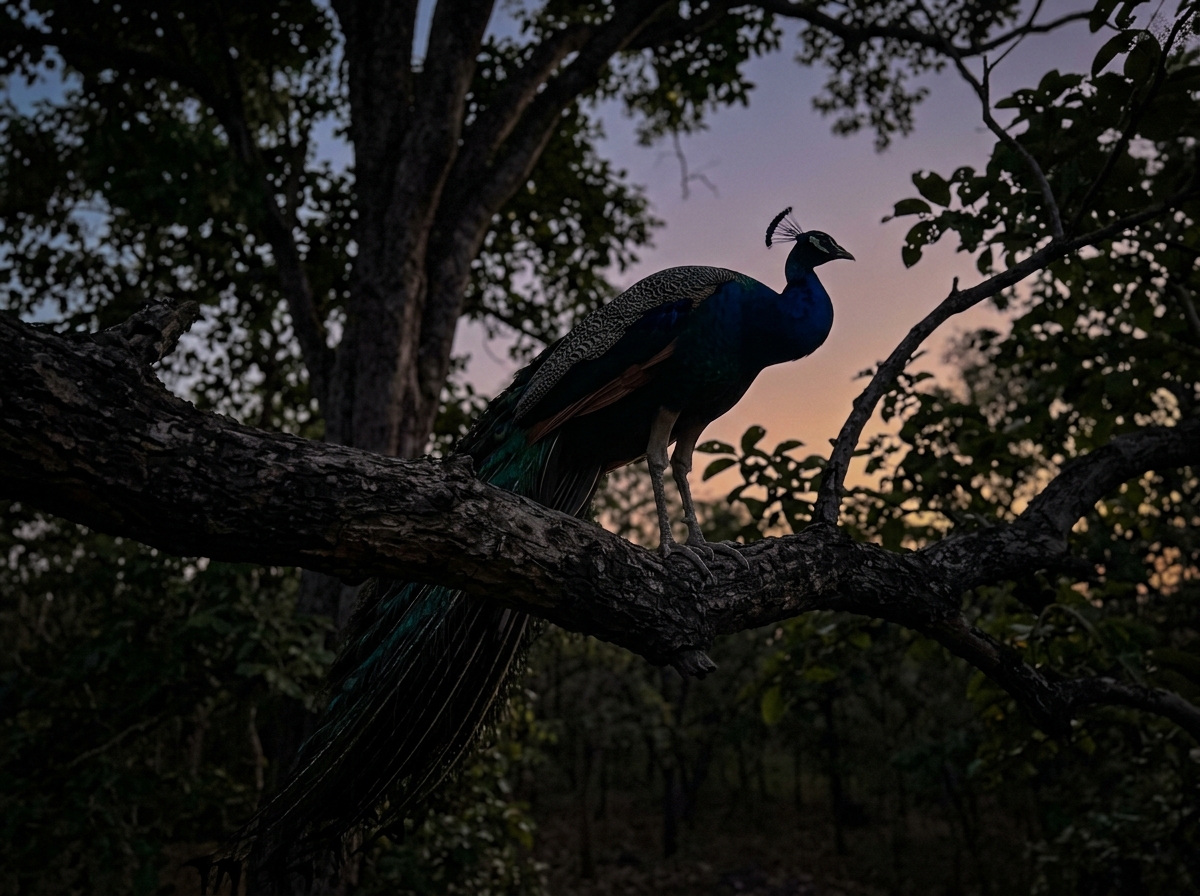
Yes, a peacock is absolutely a bird
A peacock is a bird, full stop. It belongs to the class Aves, which is the formal biological group that contains all birds, and it sits in the family Phasianidae (the pheasant family) under the order Galliformes. Britannica also describes peacocks as “resplendent birds” in the pheasant family, Phasianidae, within the order Galliformes blank" rel="noopener noreferrer">peacock refers to “resplendent birds” of the pheasant family, Phasianidae (order Galliformes). That puts it in the same broad family tree as turkeys, chickens, and pheasants. Like every other bird, it have feathers, lay eggs, have a beak, and are warm-blooded. There is no ambiguity here from a classification standpoint.
The confusion, when it comes up, usually stems from the peacock's almost surreal appearance. People see those towering, jewel-toned feathers and the sheer size of the bird and wonder if it belongs to some other category entirely. It doesn't. It is a bird, classified as one by every major authority from Encyclopaedia Britannica to the U.S. Fish and Wildlife Service. If you've also seen questions floating around like whether a peacock is a mammal, a reptile, or something else entirely, those are worth addressing separately, but the short answer to all of them is no.
What "peacock" actually refers to
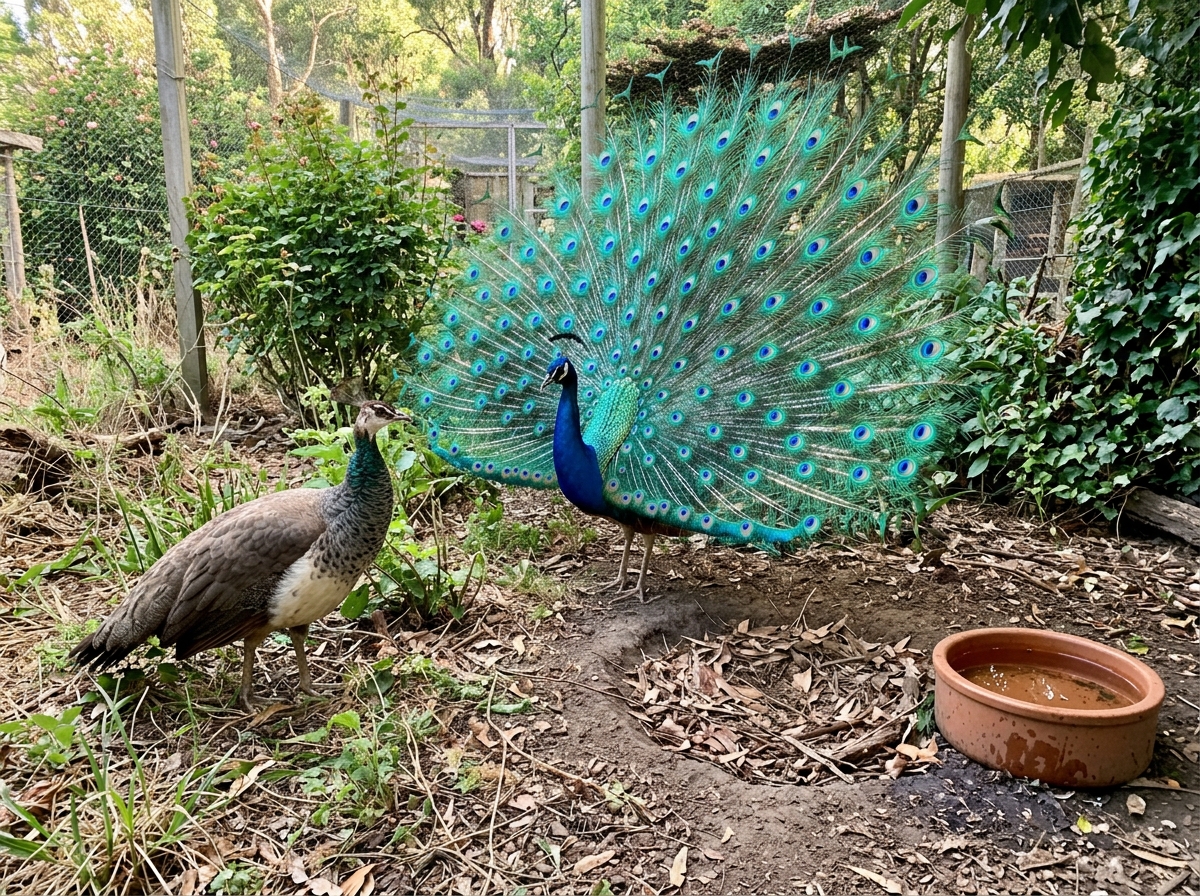
Here's a nuance worth knowing: technically, "peacock" refers only to the male of the species. The female is called a peahen, and together they're called peafowl. That said, in everyday usage, most people use "peacock" to mean both sexes, and that's completely fine in casual conversation. National Geographic acknowledges this informal usage is widespread.
When scientists talk about peafowl species, there are two main ones you'll encounter. The blue (or Indian) peacock, Pavo cristatus, is the one most people picture, with that electric blue and green plumage. The U.S. Fish & Wildlife Service describes the “common peafowl” as Pavo cristatus. The green (or Javanese) peacock, Pavo muticus, is found across Southeast Asia and is similarly dramatic but with a different color palette. The Indian peacock is so well known that it's the national bird of India, and it's the species most commonly referenced in zoos, wildlife documentaries, and photography.
One common misconception worth clearing up: peacocks (the males) do not lay eggs. The peahen does. This sounds obvious once you know the sex-based naming, but the confusion comes up often enough that it's worth stating plainly. The egg-laying, the nesting, all of that is the peahen's role.
Why peacocks look the way they do
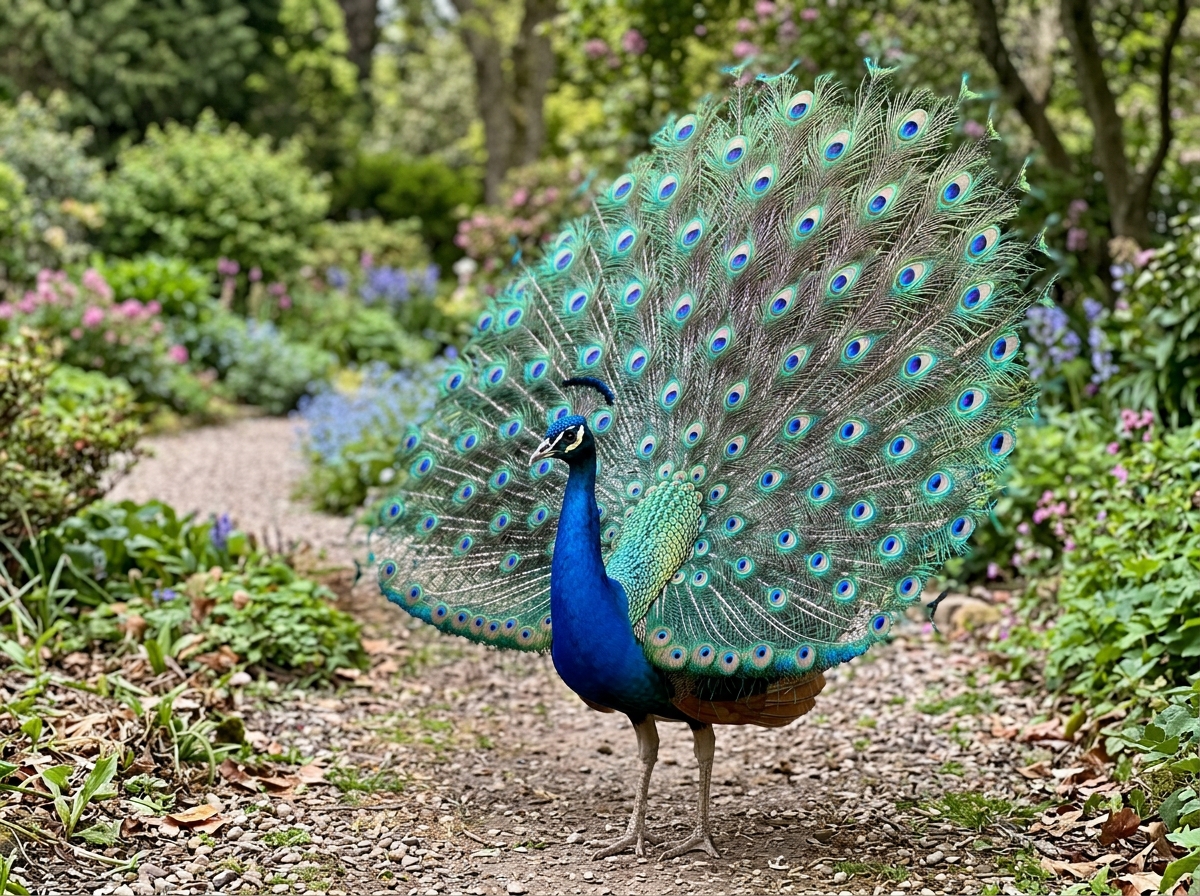
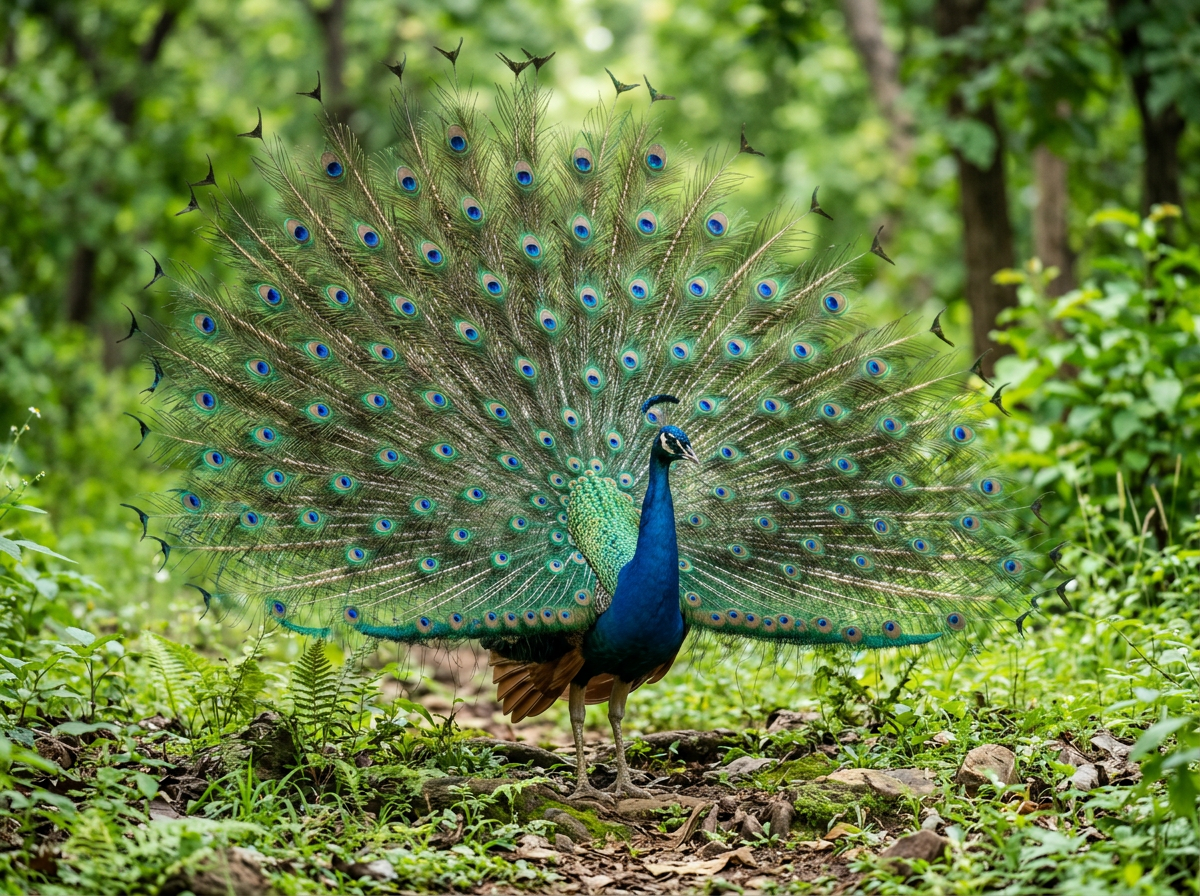
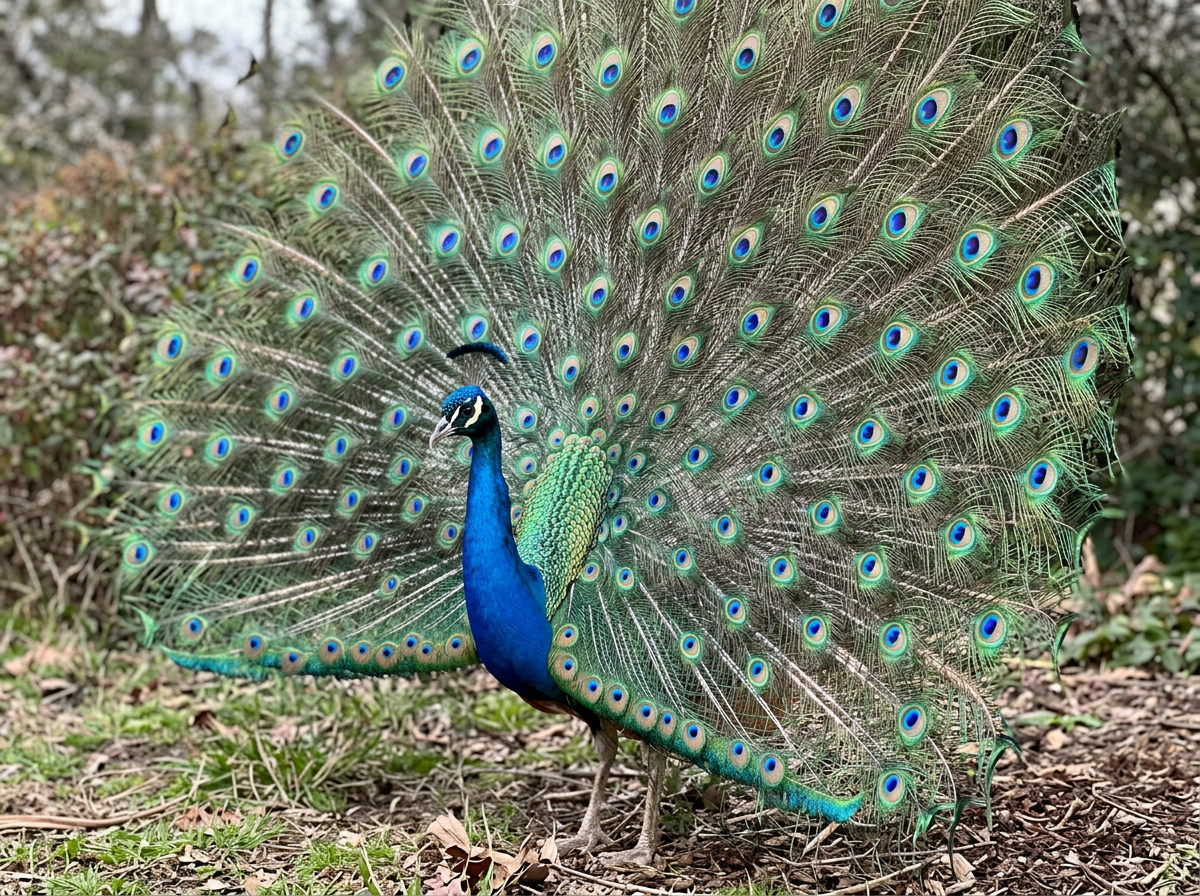
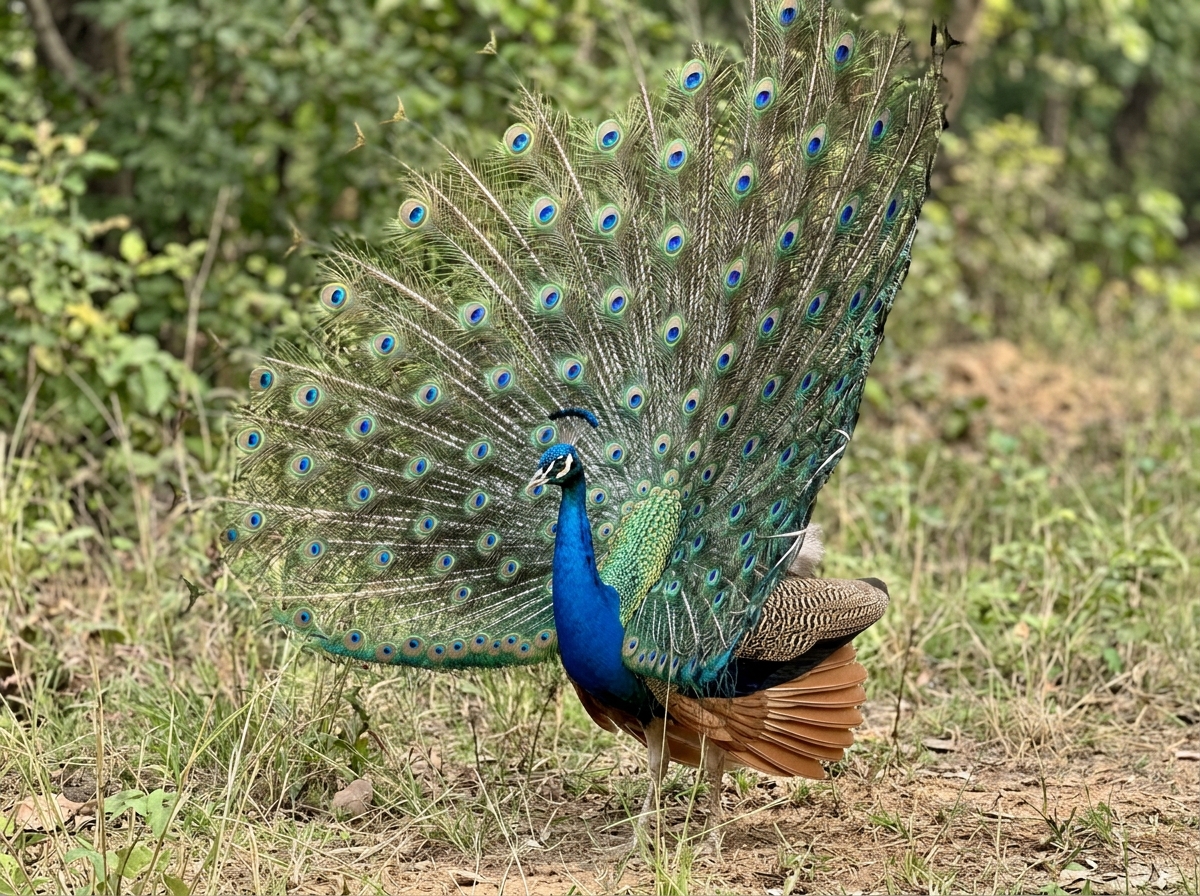
The most striking feature of a male peacock is its train, which is the long, fan-like spread of feathers you see in photos and videos. What most people call the "tail" is technically made up of tail coverts, the feathers that cover the actual tail. This train can be more than 60% of the bird's total body length, which is an extraordinary proportion. When fully spread, it forms that iconic fan shape covered in what look like eyes, called ocelli (singular: ocellus).
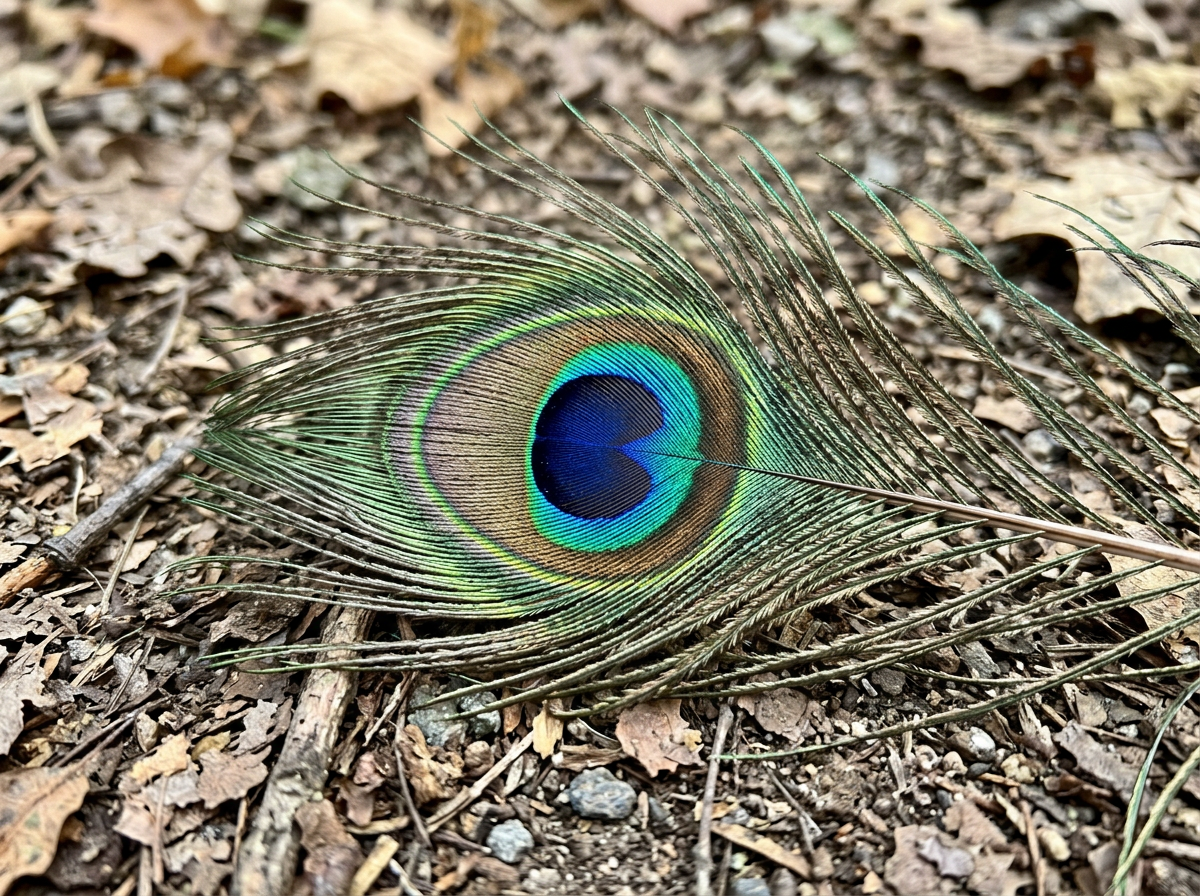
Those brilliant blues and greens are not produced by pigment the way, say, a painted surface would be colored. The color is structural, meaning it comes from the way light interacts with microscopic nanostructures inside the feather cells. Different wavelengths of light are selectively reflected depending on the angle you're viewing from, which is why peacock feathers seem to shift color as the bird moves. This is called iridescence, and it's been confirmed in peer-reviewed research on the species. It also explains why peacock feathers look different depending on whether you're looking at them in bright sunlight versus shade, or from straight on versus from the side.
The display itself is not just a static pose. During courtship, the male tilts and vibrates his fan in ways that change how the iridescent colors appear to the watching female. Research published in Behavioral Ecology found that the dynamic iridescence of the eyespots, meaning how the color shifts as the feathers move, actually correlates with mating success. Studies on peahen attention during courtship also show that behaviors like train rattling and wing shaking influence where females focus their gaze. There's even evidence of a low-frequency sound component during display, below what humans can easily hear, adding another dimension to the performance. The whole thing is an elaborate, multi-sensory signal shaped by millions of years of mate choice.
Is the peacock the "most beautiful bird"? Here's how to think about that
Peacocks are regularly called the most beautiful bird in the world, and it's easy to see why that claim gets made. But beauty is subjective, and there is no scientific ranking of bird beauty that crowns a single winner. What science can tell you is why peacocks are so visually arresting, and that's a more useful framing.
From a mate-choice perspective, peahens assess the train based on measurable qualities: size, color intensity, and the quality of the eyespot pattern. Ocelli density in the train, meaning how many and how well-formed those eye markings are, influences which males get chosen. So the traits humans find beautiful happen to be the same traits that females of the species use to evaluate genetic fitness. That's not a coincidence. The male peacock's appearance evolved specifically because those traits were consistently chosen over generations.
Whether a peacock is more beautiful than a resplendent quetzal, a bird-of-paradise, or a painted bunting is a matter of personal preference and cultural context, not objective fact. If you're evaluating the claim that peacocks are "the most beautiful," the honest answer is: they are among the most visually striking birds on Earth, with documented, measurable display traits that are genuinely exceptional. Beyond that, beauty rankings are subjective, and that's fine.
How to confirm all of this for yourself
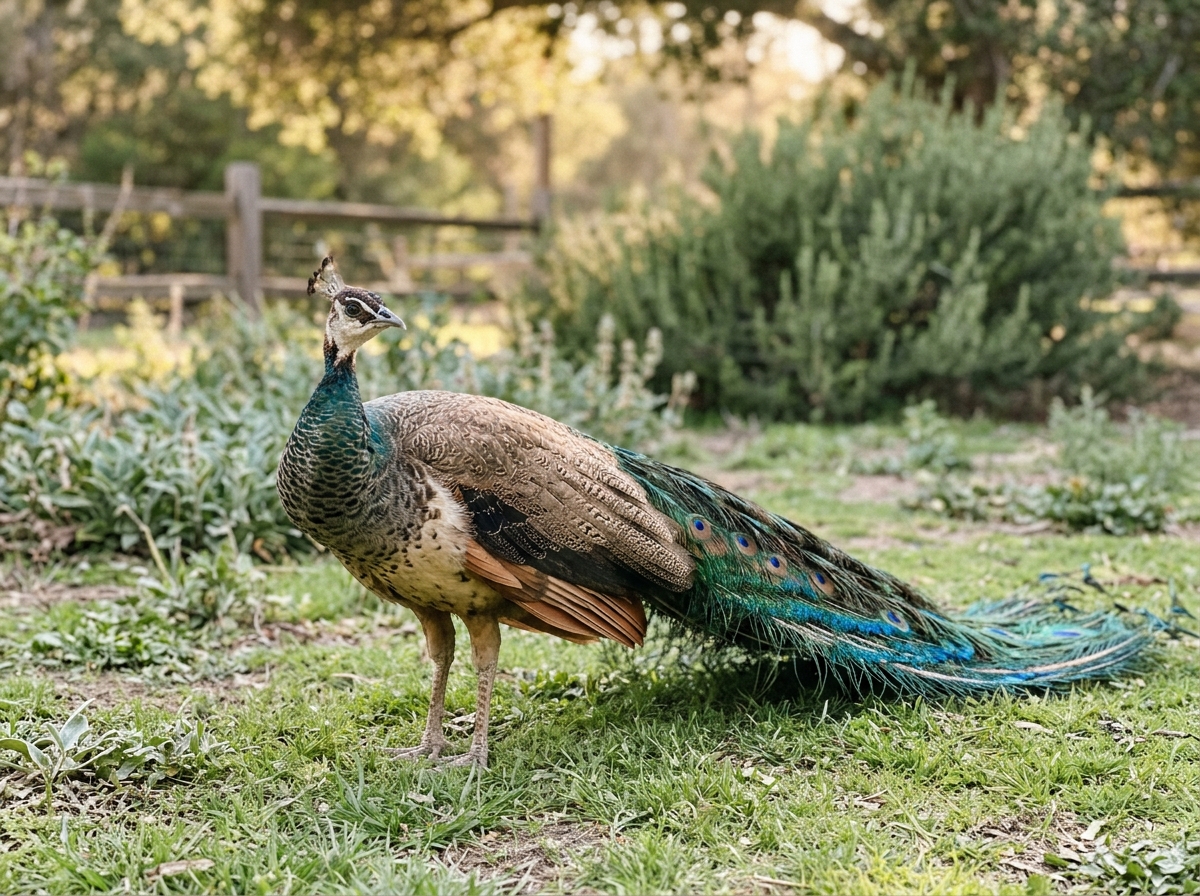
If you want to verify the "peacock is a bird" classification and get a real sense of what makes it remarkable, here's what to look for in photos and videos:
- Look for feathers: Every bird has feathers, and the peacock's are some of the most complex in the animal kingdom. The iridescent blue-green neck and breast feathers are a clear marker, and you'll notice they look different from different angles, which is the structural coloration at work.
- Check the train proportions: A full-grown male's train should be dramatically longer than his body. That 60%-plus ratio is visually obvious once you know to look for it. A video of a spread display makes this especially clear.
- Watch a display video: Search for a video of a peacock courtship display. You'll see the train fan out, the feathers vibrate, and the colors shift as the angle changes. This iridescence shift is something photos can capture partially but video shows more clearly.
- Look at the eyespots: Each covert feather in the train ends in an ocellus, a circular marking that resembles an eye. Count them, note their symmetry, and observe how they catch light differently as the bird turns.
- Note the roosting behavior: Wild peafowl roost in trees, which is textbook bird behavior. If you find footage of peafowl in the wild rather than in a zoo, you'll often see them moving between ground foraging and tree roosting, reinforcing that these are birds acting like birds.
One thing to keep in mind when looking at photos: because the color is structural rather than pigment-based, the blue and green can look washed out or even brownish in poor lighting or low-quality images. If a photo doesn't show the vivid colors you expect, that's a lighting and image quality issue, not a different species. In good natural light, especially sunlight, the iridescence is unmistakable.
The classification at a glance
| Category | Detail |
|---|
| Class | Aves (birds) |
| Order | Galliformes |
| Family | Phasianidae (pheasants and relatives) |
| Genus | Pavo |
| Main species | Pavo cristatus (Indian/blue peacock), Pavo muticus (green/Javanese peacock) |
| Sex-specific names | Male = peacock, Female = peahen, Both = peafowl |
| Defining visual trait | Iridescent train (tail coverts) with ocelli (eyespots) |
| Color mechanism | Structural coloration (nanostructures in feathers, not pigment) |
| Train length | More than 60% of total body length in adult males |
If you're exploring related questions like whether a peacock is a bird of prey, a perching bird, or a bird of paradise, those are genuinely different classification questions worth looking into on their own. Yes, a peacock is not a bird of paradise, and the two terms refer to completely different birds.
A peacock is not considered a bird of prey, but it is categorized as a different type of bird based on its anatomy and behavior is a bird of prey. A peacock is none of those things specifically, but unpacking why helps build a clearer picture of how birds are categorized overall. The starting point for all of those questions, though, is the same: yes, a peacock is a bird.