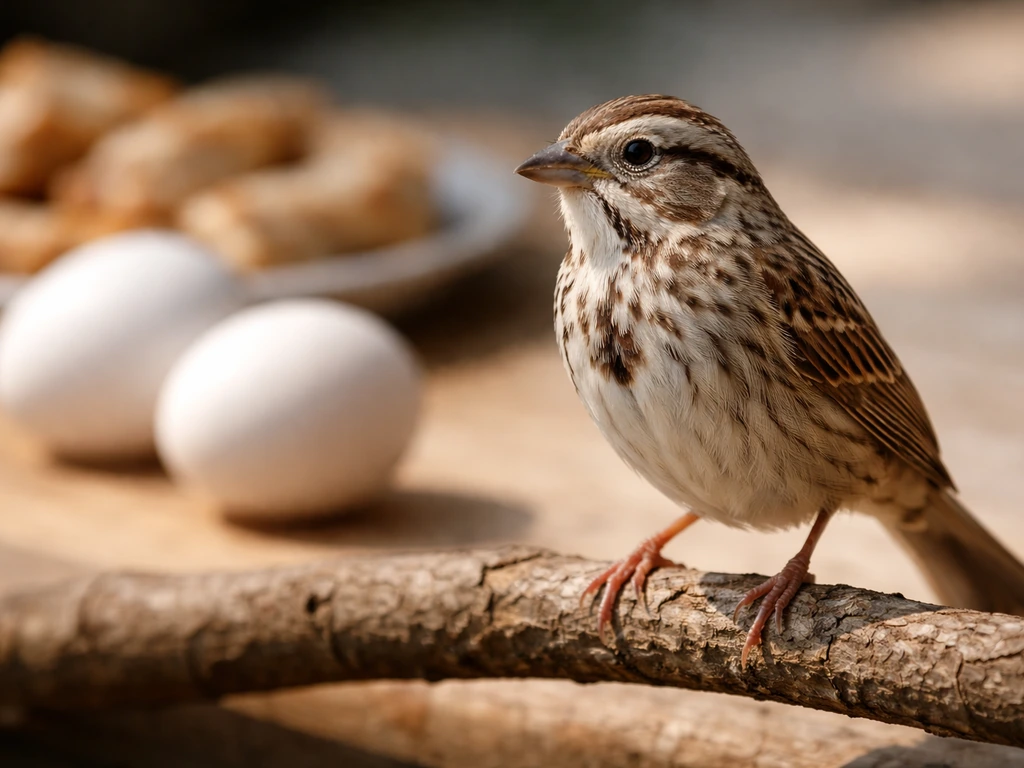
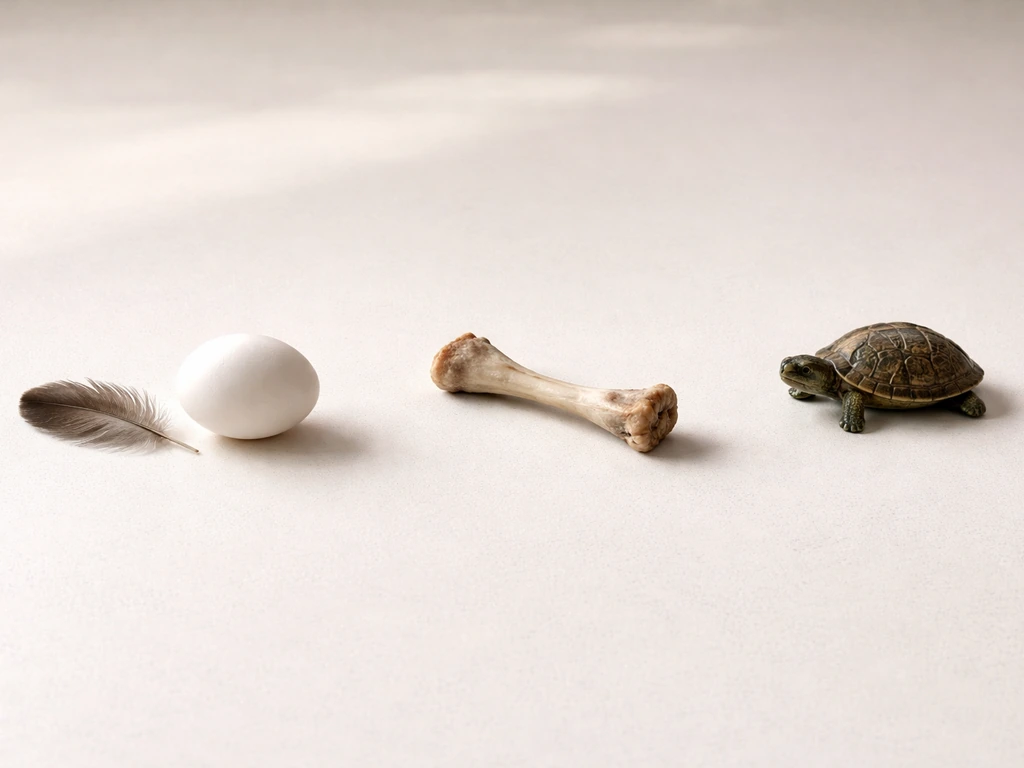
All fowl are birds, but not all birds are fowl. A bird becomes a "fowl" not because of any special anatomy, but because of how people use the word: in everyday English, fowl refers to birds raised or hunted for food, like chickens, turkeys, ducks, and geese. The biological traits that make something a bird (feathers, a beak, laying eggs, hollow bones, warm blood) are the same whether you're talking about a bald eagle or a barnyard chicken. The word "fowl" is a cultural and culinary label layered on top of that biology, not a separate branch of the animal kingdom.
What Makes a Bird a Fowl? Key Differences and Examples

Sarah Chen
4 Jun 2026
Bird vs. fowl vs. other animals: quick definitions
A bird is any animal belonging to class Aves, the scientific grouping that covers all feathered, egg-laying, warm-blooded vertebrates with beaks. That's the hard biological line. A fowl is a bird (always a bird, never anything else) that humans associate with food: either raised domestically for meat and eggs, or hunted in the wild for the same purpose. Chickens and turkeys are classic domestic fowl. Ducks and geese can be both wild and farmed. Beyond that, you have every other kind of bird, from robins to ostriches, that nobody really calls a fowl in normal conversation. And then you have animals that aren't birds at all, like bats (mammals), pterosaurs (extinct flying reptiles), and fish, none of which belong in this conversation despite what their appearances might suggest.
What "fowl" actually means in biology vs. everyday speech
In everyday English, "fowl" is a food-context word. Britannica's dictionary defines it as a bird, such as a chicken, raised for food. Oxford and Cambridge both anchor the term in culinary use: birds you eat or prepare at the table. Merriam-Webster is a little more specific, pointing to gallinaceous birds, meaning birds in the order Galliformes. That order includes chickens, turkeys, pheasants, quail, guinea fowl, and jungle fowl. So in a strict biological reading, "fowl" maps closely (though not perfectly) to Galliformes.
Here's the catch: most people use "fowl" loosely to include ducks and geese, which are actually in a different order called Anseriformes. Waterfowl is a common umbrella term that blurs the biological line further. So if someone asks whether a duck is a fowl, the answer depends on which definition they're using. So if someone asks, "is fayforn a bird," it helps to know what kind of definition they mean: bird in biology or fowl in everyday food terms. In biology: not strictly, unless you're using "waterfowl" as a conventional category. In everyday speech: absolutely yes. The key takeaway is that "fowl" is not a formal taxonomic rank. It doesn't sit in the classification tree the way class, order, or family does. It's a practical, culturally defined grouping.
The real traits that make something a bird (not a fowl)
Being a bird has nothing to do with being edible or domesticated. The biological criteria for class Aves are consistent across all roughly 10,000 living species. If an animal checks all these boxes, it's a bird, full stop.
- Feathers: the single most definitive characteristic. No other living animal has feathers. Britannica lists this as the major feature distinguishing birds from all other animals.
- Beak (bill): birds have no teeth. They have a keratinous beak instead.
- Laying hard-shelled or leathery eggs: birds reproduce by laying eggs, always.
- Warm-blooded (endothermic): birds regulate their own body temperature internally.
- Hollow or pneumatized bones: lightens the skeleton, a key adaptation for flight in most species (though not all birds fly).
- Two wings and two legs: the basic body plan, even in species where wings are vestigial or flightless.
- Four-chambered heart and a specific respiratory system with air sacs: shared by all birds, distinguishing them from reptiles.
Notice that flight is not on that list. Ostriches and penguins are 100% birds despite not flying. What makes an animal a bird is anatomy and classification, not behavior. And none of those traits change just because a bird ends up on a dinner plate. A chicken in a coop has the same biological credentials as a golden eagle.
What extra step makes a bird a "fowl"

Once you've confirmed something is a bird, the only additional step for calling it a fowl is whether it fits the food/domestication context. Practically speaking, ask two questions: Is it a Galliform (chicken, turkey, pheasant, quail, guinea fowl, peacock)? If yes, it's a fowl in the stricter biological sense. Is it a bird raised or commonly hunted for meat or eggs, even if it's technically in a different order, like a duck or goose? Then most people, dictionaries included, would call it a fowl too. That's genuinely all there is to it. The biology doesn't change. The label is a social convention about the animal's relationship to human food culture.
A side-by-side comparison: bird vs. fowl vs. non-bird
| Animal | Is it a bird? | Is it a fowl? | Why / Why not |
|---|---|---|---|
| Chicken | Yes | Yes | Class Aves, order Galliformes; raised for meat and eggs |
| Turkey | Yes | Yes | Class Aves, order Galliformes; primary table bird in many cultures |
| Duck | Yes | Conventionally yes | Class Aves, order Anseriformes; called waterfowl in common usage |
| Ostrich | Yes | No | Class Aves, but not Galliformes; farmed in some contexts but rarely called fowl |
| Penguin | Yes | No | Class Aves; flightless seabird, not a food-culture bird in common usage |
| Bat | No | No | Class Mammalia; warm-blooded but has fur and nurses young with milk |
| Pterosaur | No | No | Extinct flying reptile, not in class Aves; no feathers |
| Eagle | Yes | No | Class Aves; a bird of prey, not associated with food production |
Borderline cases people commonly mix up
Penguins and ostriches: birds that don't fit the mental image
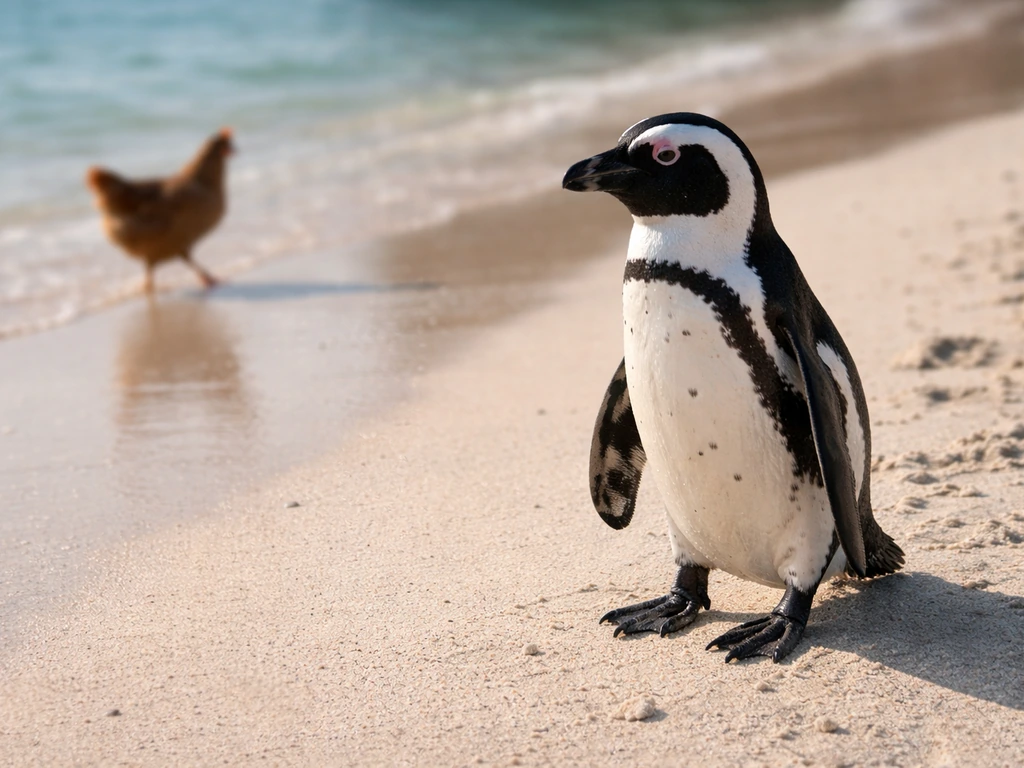
Penguins are birds. Ostriches are birds. The confusion usually comes from the fact that neither can fly, and ostriches look almost dinosaur-like, while penguins look weirdly fish-adjacent in the water. But both have feathers, lay eggs, are warm-blooded, have beaks, and are classified in class Aves. Penguins belong to order Sphenisciformes; ostriches to order Struthioniformes. Neither is a fowl in common usage, though ostrich is farmed for meat and could technically be called a food bird in that context. Most dictionaries and most people wouldn't use the word "fowl" for them.
Bats: birds with wings? No.
Bats fly and are warm-blooded, which is where the confusion starts. But bats are mammals. They have fur instead of feathers, give birth to live young in most species, and nurse those young with milk. They belong to order Chiroptera within class Mammalia. No feathers means not a bird, and definitely not a fowl.
Pterosaurs: ancient flyers that weren't birds
Pterosaurs were flying reptiles that lived during the Mesozoic Era, and they were not birds. They had leathery wings supported by an elongated fourth finger, not feathered wings. They were not in class Aves. Modern birds are thought to have evolved from theropod dinosaurs, a separate lineage entirely. So pterosaurs were neither dinosaurs nor birds, but a distinct group of flying archosaurs. They were never fowl and never birds.
Dinosaurs: the tricky ancestor question
Birds are technically avian dinosaurs, descended from non-avian theropod dinosaurs. But the reverse isn't true: not all dinosaurs were birds. Most non-avian dinosaurs were not in class Aves and didn't have feathers (though some theropods did, based on fossil evidence). The practical answer is simple: if an animal isn't in class Aves today, it's not a bird, and it's certainly not a fowl.
Chickens: obviously birds, obviously fowl
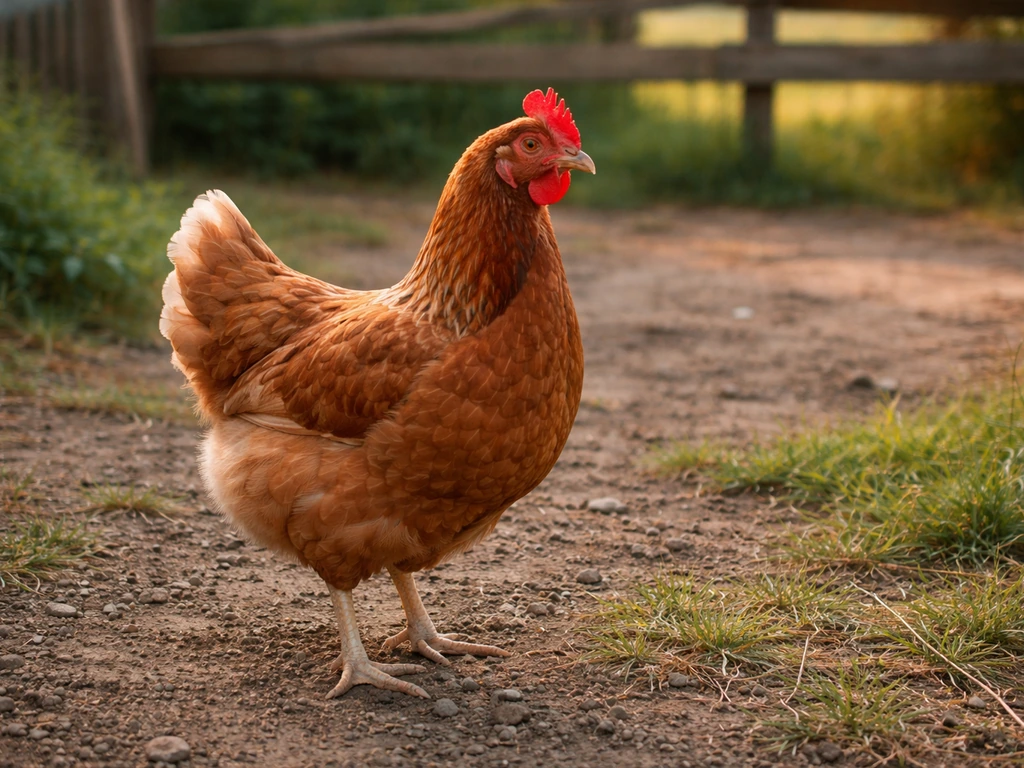
Chickens sometimes come up in classification questions because they're so domesticated that people forget they're animals with a real taxonomic identity. Chickens (Gallus gallus domesticus) are class Aves, order Galliformes, and are the clearest example of a fowl by any definition. They are the benchmark bird that both Merriam-Webster and Britannica use when defining "fowl" in their entries.
How to tell in practice: observable signs and classification cues
If you're looking at an animal and trying to figure out whether it's a bird, start with feathers. No other living animal has them. From there, check for a beak (no teeth), two legs and two wings (even if vestigial), and confirm it lays eggs. If all four apply, you're looking at a bird. To figure out if it's a fowl, ask whether it belongs to the order Galliformes or is a waterfowl (Anseriformes), or whether it's commonly raised or hunted for food in the culture you're working in. That covers the practical definition used by most dictionaries.
- Look for feathers first: present means it could be a bird; absent means it's definitely not.
- Check for a beak with no teeth: confirms you're in class Aves territory.
- Note whether it lays eggs and has a two-legged, two-winged body plan.
- If it's a bird, check the order: Galliformes or Anseriformes strongly suggests "fowl" in both scientific and everyday use.
- If the order isn't clear, check whether it's domesticated or commonly used as food: that's the everyday-English threshold for "fowl".
- When in doubt, look up the animal on Britannica, Merriam-Webster's animal entries, or a taxonomy database like the Integrated Taxonomic Information System (ITIS) to confirm class and order.
Common misconceptions worth clearing up fast
"Fowl" is not a biological rank. It's not a class, order, family, or genus. Calling something a fowl doesn't override or replace its actual taxonomy. A chicken is still Gallus gallus whether you call it a fowl, a bird, or just a chicken.
"All birds are fowl" is wrong. Eagles, robins, hummingbirds, and penguins are birds but not fowl by any standard definition. The word "fowl" applies to a narrow, food-focused subset of birds. If you are wondering “is nice a bird,” the same bird versus fowl distinction and definitions apply.
"Fowl" and "foul" are homophones but mean completely different things. "Foul" as in a foul smell or a foul ball has no connection to birds or food. This mix-up comes up more than you'd expect, especially in written questions about animal classification.
Flying doesn't make something a bird, and not flying doesn't disqualify a bird. Bats fly but aren't birds. Ostriches don't fly but absolutely are birds. Wing presence and feather presence are what matter, not airborne behavior.
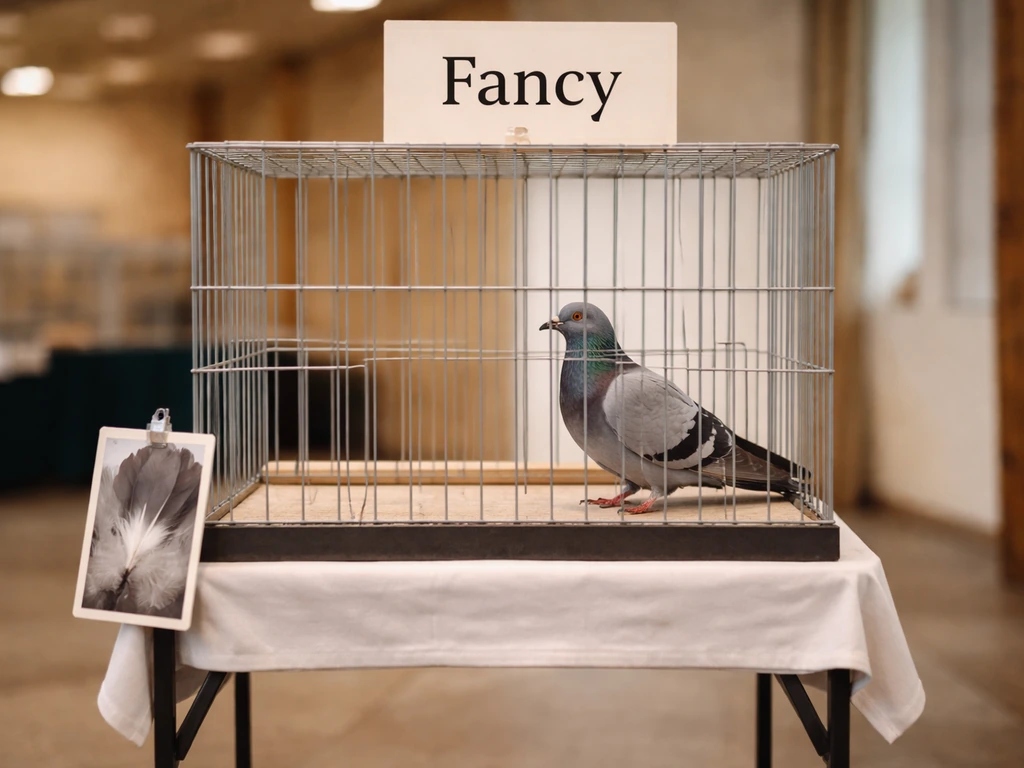
This kind of category confusion also shows up with questions about whether specific animals or even names are birds. So if you ask, “is a fry a bird,” you can treat it like any other classification question and verify whether the term refers to an actual bird species or only to a culinary idea. Questions like whether a particular creature or even a name like "fancy" or "fry" refers to a bird follow the same logic: start with the biology, check class Aves, and let the taxonomy lead rather than assumption.
Next steps: how to confirm and where to look
If you need to confirm whether a specific animal is a bird or a fowl, the fastest reliable path is to search the animal's name plus "taxonomy" or look it up directly on Britannica or the ITIS database (itis.gov). ITIS gives you the full classification tree: kingdom, phylum, class, order, family, genus, species. If class is Aves, it's a bird. If order is Galliformes or Anseriformes, it qualifies as fowl under most definitions.
For dictionary-context questions (like "is this word referring to a bird?"), Merriam-Webster and Britannica's own dictionaries are the most straightforward references. Both define "fowl" consistently as a food-bird term centered on domesticated species like chickens, with Merriam-Webster specifically anchoring the strict biological version in Galliformes.
The practical rule to walk away with: bird is biology, fowl is convention. Confirm the biology first with class Aves and its defining traits, then decide whether the food/domestication convention applies. That two-step approach handles every case cleanly, from a backyard chicken to a wild pheasant to a penguin waddling around a zoo.
FAQ
Is every edible bird a fowl?
Not automatically. “Fowl” usually refers to birds used as food (often meat or eggs) in everyday speech, so many edible birds qualify, but some people restrict “fowl” to chicken-style birds. If you want to be precise, use the order (Galliformes for the stricter “fowl” sense, Anseriformes for many “waterfowl” uses) or just say “game bird” or “edible bird.”
What’s the difference between “fowl” and “waterfowl”?
“Waterfowl” is an umbrella culinary and hunting term, commonly used for ducks and geese (Anseriformes). “Fowl” can be used more narrowly for Galliformes in stricter dictionary-style definitions. In casual conversation they overlap, so the intended meaning depends on whether the speaker is thinking Galliformes or ducks-and-geese specifically.
Are pheasants, quail, and guinea fowl considered fowl or just birds?
Both labels are correct, but “fowl” is typically appropriate because these are Galliformes (the chicken-family orders many dictionaries tie to “fowl”). If you’re writing formally for classification, “bird” is safer, while “fowl” is accurate when the food context (or Galliformes definition) is what you mean.
Can a wild bird be a fowl?
Yes. The food context matters more than domestication. Wild hunted birds like pheasants or quail are often called fowl because humans associate them with game meat, even though the birds are not farmed.
Is an ostrich ever called a fowl?
Usually no in everyday usage, because most people reserve “fowl” for chicken-like birds or for ducks-and-geese waterfowl. However, if you are speaking very loosely about a farmed meat bird in a culinary context, someone could use “fowl” informally. For accuracy, “ostrich” as its own category is clearer.
If a duck is a bird, why do some people say it’s not a fowl?
They are using different definitions. Ducks are birds (class Aves) and are often covered by “fowl” in everyday food usage, but they are not in the Galliformes group that some stricter definitions associate with “fowl.” When someone says “not a fowl,” they likely mean “not Galliformes,” not “not a bird.”
Are geese and ducks always called fowl in dictionaries?
Many dictionaries treat “fowl” as a food-bird term centered on birds like chicken, and they may mention specific culinary usage separately. Ducks and geese are commonly included under “waterfowl,” so you may see the word “fowl” used broadly in speech, even if a stricter “fowl” definition is more limited.
What about “domestic” animals that look like birds, are they ever fowl?
If it is not class Aves, it cannot be a bird, so it cannot be a fowl under any biological or conventional standard. Examples that often get mixed up are bats (mammals) and pterosaurs (extinct reptiles), which are not birds and therefore not fowl.
Does flight determine whether something is a fowl?
No. Flight is irrelevant to “bird” status (penguins and ostriches are still birds). For “fowl,” the decision is about culinary or order-based conventions, not whether the animal can fly.
Is “fowl” ever used as a taxonomic rank (like order or family)?
No. “Fowl” is not a formal rank in the classification tree. People sometimes connect it to orders like Galliformes or Anseriformes, but the word itself is a convention term, so it should not replace real taxonomy.
How can I quickly tell whether an animal is a bird versus a fowl when I only have a picture?
First confirm it is a bird by looking for feathers and a beak, and check that it lays eggs. Only after it is clearly a bird should you decide “fowl” by the likely food context, or by whether it is Galliformes (chicken-like) or commonly treated as waterfowl (ducks and geese).
What’s the common mistake with “fowl” and “foul”?
The words sound the same but mean totally different things. “Foul” relates to something unpleasant or offensive (like a foul smell, foul play, or a foul ball), while “fowl” relates to certain birds used for food. Mixing them in writing can completely change the meaning.
If I’m writing an article, should I use “fowl,” “bird,” or “game bird”?
Use “bird” when you mean any member of class Aves. Use “fowl” when the reader understands you mean food-focused birds or, in a stricter sense, Galliformes. Use “game bird” when you specifically mean wild hunted birds, which often avoids the duck-and-geese ambiguity.
Next Article
Is Fancy a Bird? How to Verify What Fancy Refers To
Learn if Fancy is a bird species or nickname, and how to verify with photos, cage labels, and taxonomic cues.