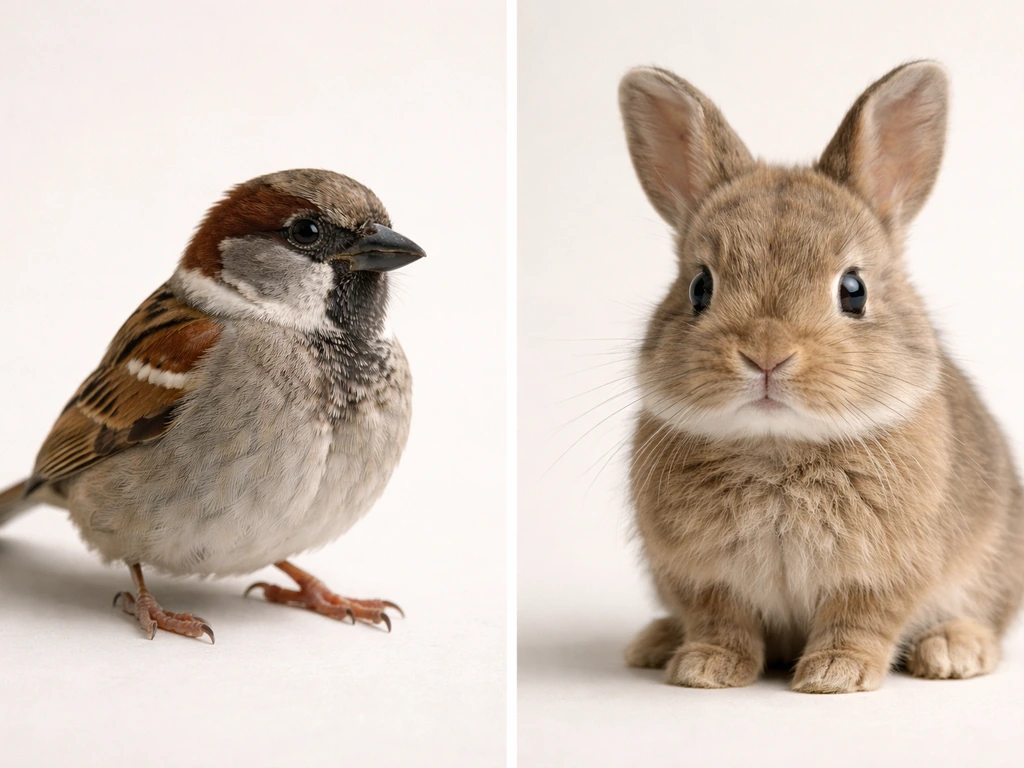
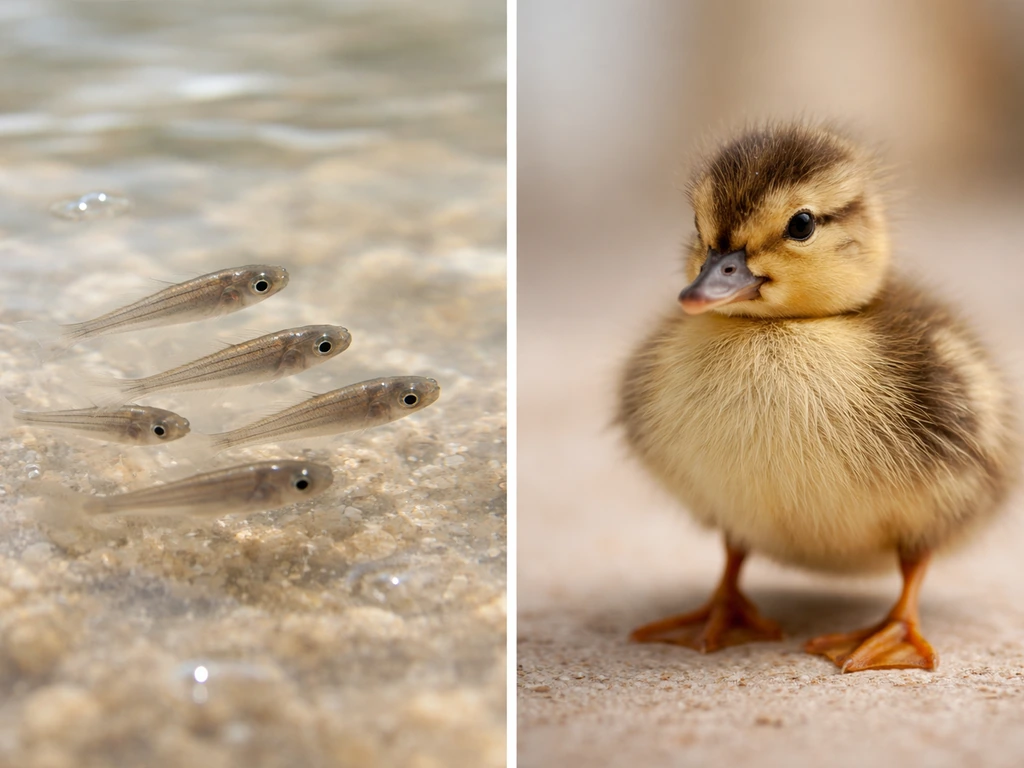
A fry is not a bird. "Fry" is a term used in fisheries and aquarium keeping to describe a young fish at an early life stage, typically after hatching and once the fish has absorbed its yolk sac and taken on a recognizable fish shape. It has nothing to do with birds, avian biology, or class Aves. If you've come across this word in an aquarium, a fish hatchery, or a fisheries guide and wondered whether it could refer to a bird, the short answer is: no, it belongs entirely to the fish world.
Is a Fry a Bird? What It Means and How to Tell

Sarah Chen
25 Jun 2026
What a fry actually is
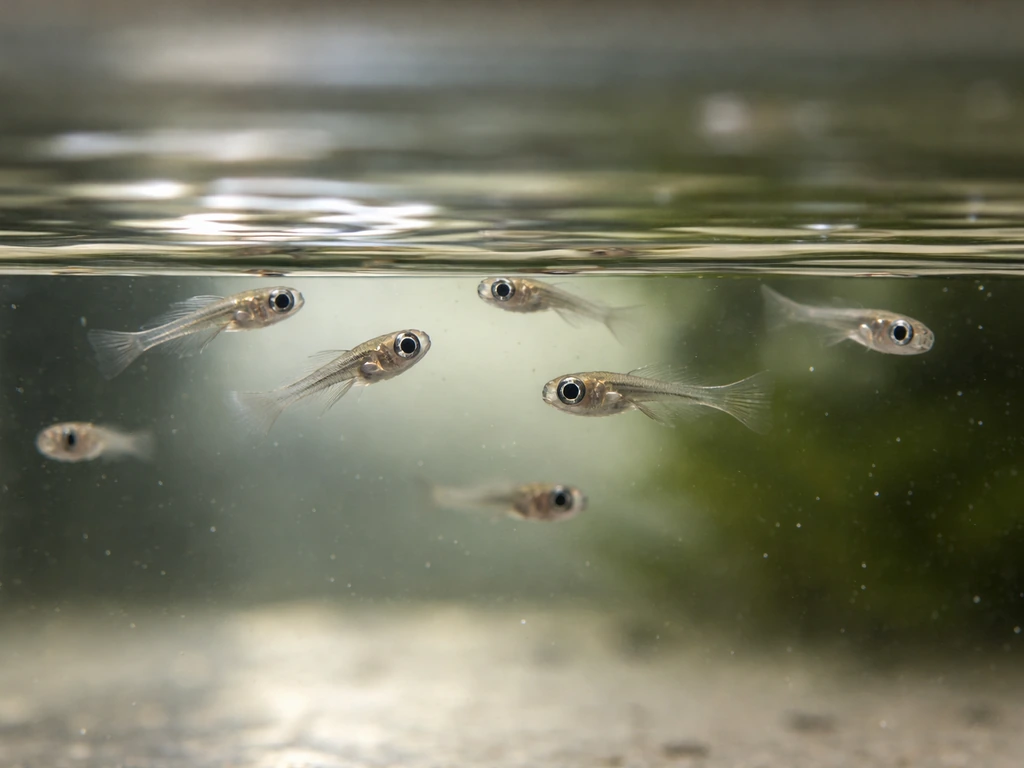
In everyday biology and fish-keeping contexts, "fry" refers to newly hatched or very young fish that have progressed past the earliest larval stage. Here's how the stages typically work: a fish egg hatches into an alevin or hatchling, which still carries a yolk sac for nutrition. Once that yolk sac is absorbed, the fish starts feeding on its own and is called a fry. At this point, the fish has taken on a recognizable fish shape and is usually around 1 to 2 centimeters long. It will later grow into a fingerling (roughly finger-sized) and eventually a juvenile or adult fish.
The FAO (Food and Agriculture Organization of the United Nations) uses "fry" specifically as a stocking category in aquaculture: young fish stocked in ponds to grow out, with the next size class called fingerlings. In aquarium keeping, the term covers livebearer fry (like guppy, platy, and molly young) and egg-layer fry (like tetras and cichlids). One practical note from aquarium guides: the main husbandry challenge at the fry stage is food size, since fry need extremely small food like infusoria or finely powdered prepared diets.
It's worth noting that even within fisheries science, the exact definition of "fry" isn't perfectly standardized. The American Fisheries Society acknowledges there is little agreement on a precise definition, and "fry" is sometimes used interchangeably with "larvae" in some texts. But in common usage, whether you're in an aquarium shop or reading an FAO aquaculture manual, fry means a young fish, full stop.
What actually makes something a bird
Birds belong to class Aves, and they share a specific set of biological traits that no other animal group has in exactly the same combination. Feathers are the single most important marker: feathers are the only animal covering unique to birds. No other living animal has them. Beyond feathers, birds are endothermic (warm-blooded), meaning they regulate their own body temperature internally, and they reproduce by laying hard-shelled eggs that are almost always incubated by the parents. They also have beaked (toothless) jaws, a high metabolic rate, and a strong but lightweight skeleton with hollow bones.
Put simply, if you're looking at an animal and it has feathers, it's a bird. Penguins count because they have feathers and lay eggs, even though they can't fly. Ostriches count for the same reasons. Bats, on the other hand, are not birds: they're mammals with fur and they give birth to live young. Pterosaurs, the flying reptiles of the dinosaur age, were not birds either, despite the wings. Feathers are the non-negotiable dividing line.
So where does a fry fit in that classification?
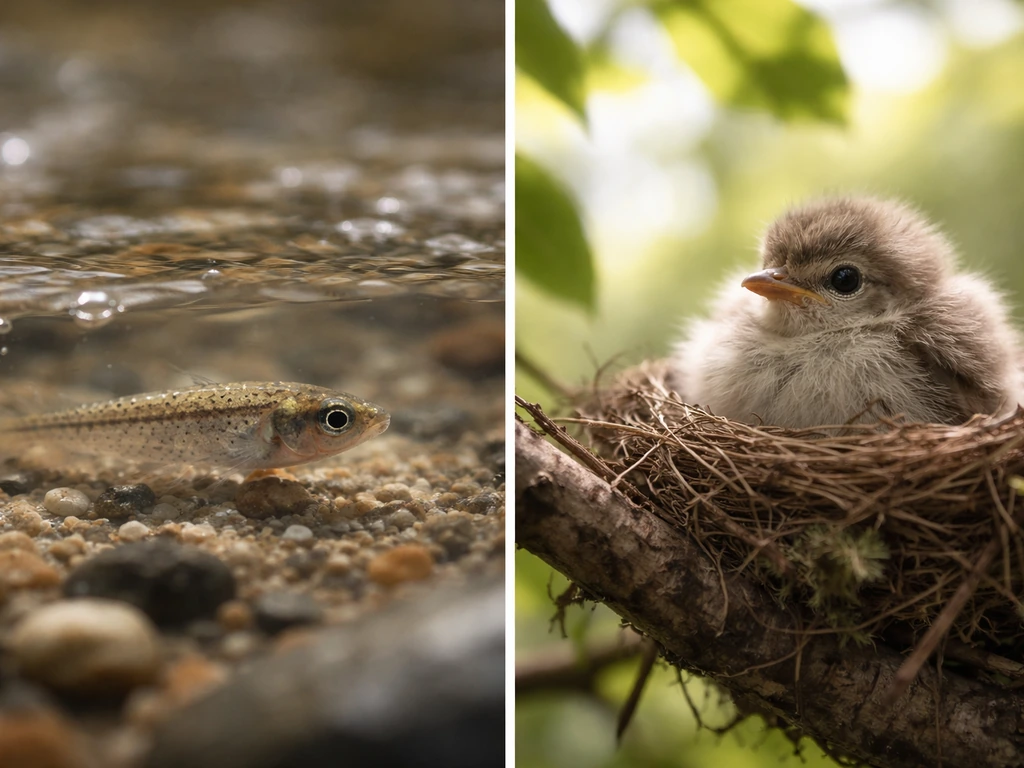
Fish fry are vertebrates, but they belong to a completely different group from birds. Fish are aquatic, gill-breathing vertebrates whose young go through a series of larval and juvenile stages. They have fins, scales (in most species), and a body plan built around aquatic locomotion. None of that overlaps with the traits that define class Aves. A fry has no feathers, no beak, no bird-type skeleton, and doesn't hatch from a hard-shelled bird egg. It hatches from a fish egg, which is typically small, soft, and laid in water without any parental incubation in the bird sense.
Biologically, fish and birds are both vertebrates, but they diverged hundreds of millions of years ago. Calling a fry a bird would be like calling a tadpole a mammal: they're related only in the very broadest sense of both being animals with backbones.
Fry vs. ducklings, chicks, and hatchlings: clearing up the confusion
Part of why people sometimes get confused is that life-stage vocabulary overlaps awkwardly between fish and birds. Here's how these terms actually break down:
| Term | What it refers to | Bird or not? |
|---|---|---|
| Fry | Young fish after yolk-sac absorption, roughly 1–2 cm | Not a bird |
| Hatchling | Any newly hatched animal: fish, amphibian, reptile, or bird | Depends on context |
| Nestling | A baby bird still in the nest, not yet feathered enough to leave | Yes, always a bird |
| Chick | A young bird, especially newly hatched poultry or waterfowl | Yes, always a bird |
| Duckling | A young duck specifically | Yes, always a bird |
| Fingerling | A young fish larger than fry, roughly finger-sized | Not a bird |
| Alevin | A just-hatched fish still carrying its yolk sac | Not a bird |
The trickiest word in that list is "hatchling" because it genuinely applies to multiple animal groups. A hatchling can be a baby bird, a baby fish, a baby turtle, or a baby snake. Wildlife rehabilitation centers use "hatchling" and "nestling" specifically for baby birds found in the wild, which can make it sound like those words only apply to birds. Greenwood Wildlife Rehabilitation Center explains that “hatchling” and “nestling” are baby-bird life-stage terms used when someone finds a baby bird, not a taxonomic classification blank" rel="noopener noreferrer">Wildlife rehabilitation centers use "hatchling" and "nestling" specifically for baby birds found in the wild. They don't. But "fry" is different: in standard usage, fry is almost exclusively a fish term. You won't hear a wildlife rehabilitator or an ornithologist use "fry" to describe a baby bird.
Ducklings and chicks are unambiguously birds. Smithsonian’s National Zoo uses “ducklings” and “chicks” to describe young waterfowl and young birds, respectively. A duckling is a young duck: it has feathers (or is developing them), was hatched from a hard-shelled egg incubated by a parent, and will grow into an adult bird. A chick is a newly hatched bird of any species, though the word is used most often for poultry. Neither of these has anything to do with fish fry.
Common misconceptions about birds and non-birds
Questions like "is a fry a bird" are more common than you might think, and they usually come from one of two sources: overlapping vocabulary (like "hatchling" applying to many animals) or genuine uncertainty about which animals qualify as birds. To be clear, a fry is a young fish, not a bird a fry a bird. This site exists partly to untangle exactly those kinds of questions.
Some of the most common misconceptions worth flagging here: bats are not birds, they're flying mammals. Pterosaurs were not birds, they were flying reptiles. Flying fish are not birds, they're fish that leap above the water surface using modified fins. And on the flip side, animals that can't fly, like penguins and ostriches, absolutely are birds because they have feathers and lay hard-shelled eggs. The defining trait is always feathers, not flight.
The word "fry" sometimes confuses people who encounter it in unexpected places. In a fish tank, someone new to aquarium keeping might look at a swarm of tiny fish and not know what to call them, leading to questions about what category they belong to. In that context, the confusion is totally understandable: early-stage fish can look quite alien, nothing like the adult fish people recognize. But the answer is always the same: if it's living in water, hatched from a fish egg, and has fins, it's a fish at some life stage, not a bird.
If you've been browsing related questions on this site, you might have noticed similar "is X a bird" questions covering terms that sound like they could go either way. Some of those involve words that are genuinely ambiguous or old-fashioned names for animals. "Fry" isn't ambiguous in that sense: it's a well-established term in fisheries science and aquarium keeping that consistently means young fish.
How to figure out what "fry" means in your specific situation
If you've come across the word "fry" and aren't sure what it refers to, here's a simple way to work through it:
- Check the context first. Is the source about fish keeping, aquaculture, a fish hatchery, or a pond stocking guide? If yes, "fry" means young fish, full stop.
- Look at what the organism looks like. Does it have fins, live in water, and lack feathers? That's a fish at an early life stage, not a bird.
- Check for bird traits. Feathers, a beak, and a hard-shelled egg in the origin story all point to a bird. None of those will be present if you're looking at fish fry.
- If the word "fry" appears in a wildlife or poultry context (which is rare), it's almost certainly a mistake or misuse of the term. Bird young are called chicks, hatchlings, nestlings, or fledglings, depending on their developmental stage.
- When in doubt, use the NOAA stage framework as a mental checklist: egg, yolk-sac larvae, transformation stage, juvenile. If the organism fits that fish-specific progression, you're looking at a fish life stage, not anything avian.
The bottom line is this: "fry" is a fish term. It does not describe birds, and no biological definition puts it in the same category as chicks, ducklings, or any other bird young. If you're looking at something small, swimming, and finned in a tank or pond, and someone calls it a fry, they mean a baby fish. If you're looking at something with feathers or growing feathers in a nest, it's a bird hatchling or nestling, and the word "fry" simply doesn't apply.
FAQ
If I see the word “fry” near a bird, does it mean the bird is young?
No. “Fry” is specifically a fish life stage, so if an animal has feathers and is being incubated from a hard-shelled egg, the correct terms are chick, duckling, or hatchling (depending on context), not fry.
How do I tell if “fry” in a tank refers to fish fry and not something else?
In an aquarium, “fry” usually means the offspring of egg-laying species (like tetras) hatched recently, or the young of livebearers (like guppies) born already tiny. Either way, the most practical check is whether it has fish anatomy (fins, gill structure, fin rays developing) and is feeding like a fish, not a bird.
Can “fry” and “hatchling” be used interchangeably?
Not necessarily. “Hatchling” can apply to many animals (including birds), but “fry” almost always stays within fish usage. If the word “fry” appears in a fish-keeping or fisheries context, treat it as a fish stage even if the animal looks unfamiliar at first.
What’s the difference between an alevin and a fry?
Watch for developmental cues: alevins hatch from fish eggs and initially rely on a yolk sac, then become fry once the yolk sac is absorbed and they start taking food independently. Bird hatchlings do not have a yolk sac as the primary early nutrition mechanism in the same way, and they are typically managed by parental incubation and feeding behaviors.
Does a fry always mean a certain size of animal?
“Fry” can be used in everyday speech as well as in technical aquaculture language, but it is not a strict size label. If you only measure size, you can misclassify them, so it helps to use life-stage context, for example whether they are still yolk-sac-dependent or already free-feeding.
If someone tells me to set up a “fry tank,” what does that usually imply?
It depends on the setting, but in most fisheries and aquarium contexts, a “fry tank” means juvenile fish that require extremely small food and careful water quality. If the care instructions mention feeding microfoods like infusoria or powdered diets sized for tiny mouths, that supports the fish-fry interpretation.
What about animals that fly, like bats or flying reptiles, do they have “fry”?
No. If the creature is a mammal (fur, live birth, or nursing), it is not a bird, even if it can fly. Bats are the main confusion point, and they are not described as fry at any stage, because fry refers to fish development.
What’s the quickest rule of thumb when I’m unsure whether something is a bird young or a fish fry?
Don’t go by the fact that both fish and birds have “babies.” Birds are defined by feathers and bird-type egg incubation, while fish fry are defined by being fish offspring from fish eggs and progressing through fish larval and juvenile stages. If feathers are absent, the label “fry” cannot be correct for a bird.
I only have a photo and a vague description, what should I check first?
If you truly need a classification but only have a photo or brief description, use the habitat and visible traits first: fish fry are aquatic, finned, and typically translucent or underdeveloped in early stages. Bird young show feathers developing and are associated with nests and hard-shelled eggs.
Next Article
Is Nice a Bird? How to Verify What Nice Refers To
Is Nice a bird? Learn how to verify meaning and bird traits, and tell birds from mammals, reptiles, bats, and dino-like