There is no single biological opposite of a bird, but the most meaningful answer depends on what you mean by "opposite." If you mean the most unlike category of animal, you're looking at something like an insect or a fish: cold-blooded, no feathers, no hollow bones, and no hard-shelled eggs. If you mean simply "not a bird," then mammals, reptiles, amphibians, fish, and insects all qualify. Birds belong to class Aves and are defined by a suite of traits, not a single feature, so their "opposite" is best understood as any animal that shares none of those defining traits.
What Is the Opposite of a Bird? Closest Non-Birds

Sarah Chen
6 May 2026
What "opposite" actually means here
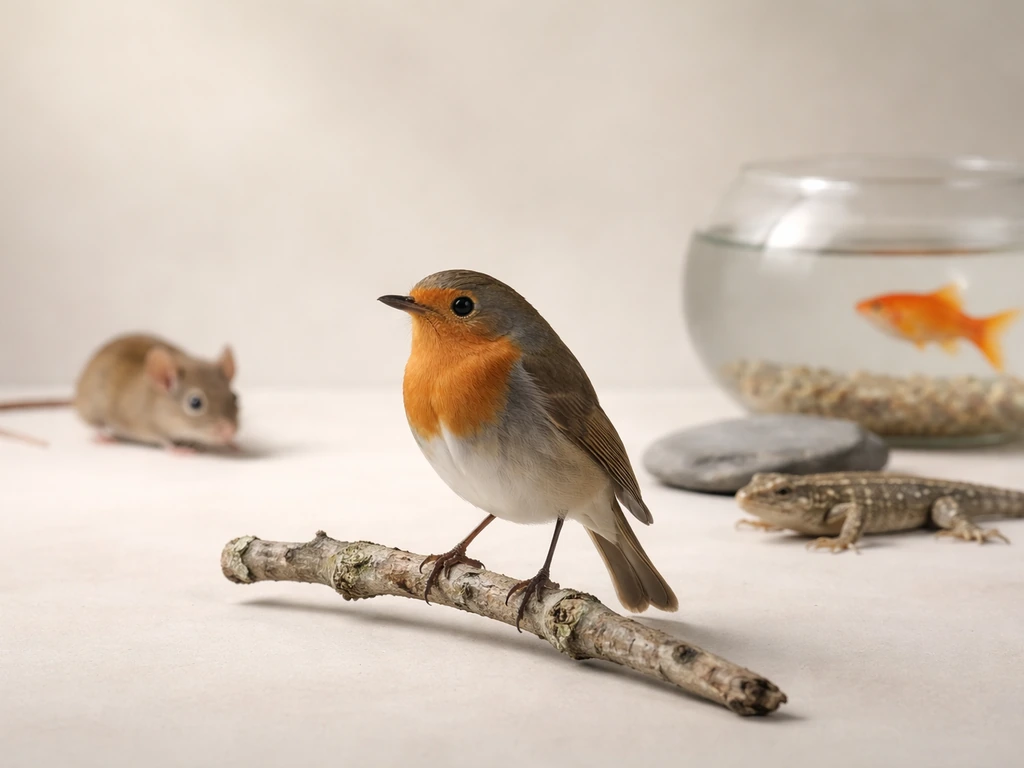
In everyday English, "opposite" usually means the most contrasting version of something. Linguists call these antonyms, and they come in different types. Some antonyms are absolute (hot vs. cold), while others are relational, meaning they only make sense paired together (predator vs. prey). When people search for the opposite of a bird, they're usually reaching for one of two things: either the most unlike creature they can think of ("something completely different from a bird"), or a formal biological counterpart category. Neither mapping is clean, because birds are defined by a package of traits, not a single characteristic that flips to its opposite.
Online discussions often land on loose, non-scientific answers like "a rock" or "a fish." Those are fun but not very useful if you're trying to actually classify animals. What works better is understanding what makes a bird a bird, then identifying what categories sit furthest from that definition.
What actually makes something a bird
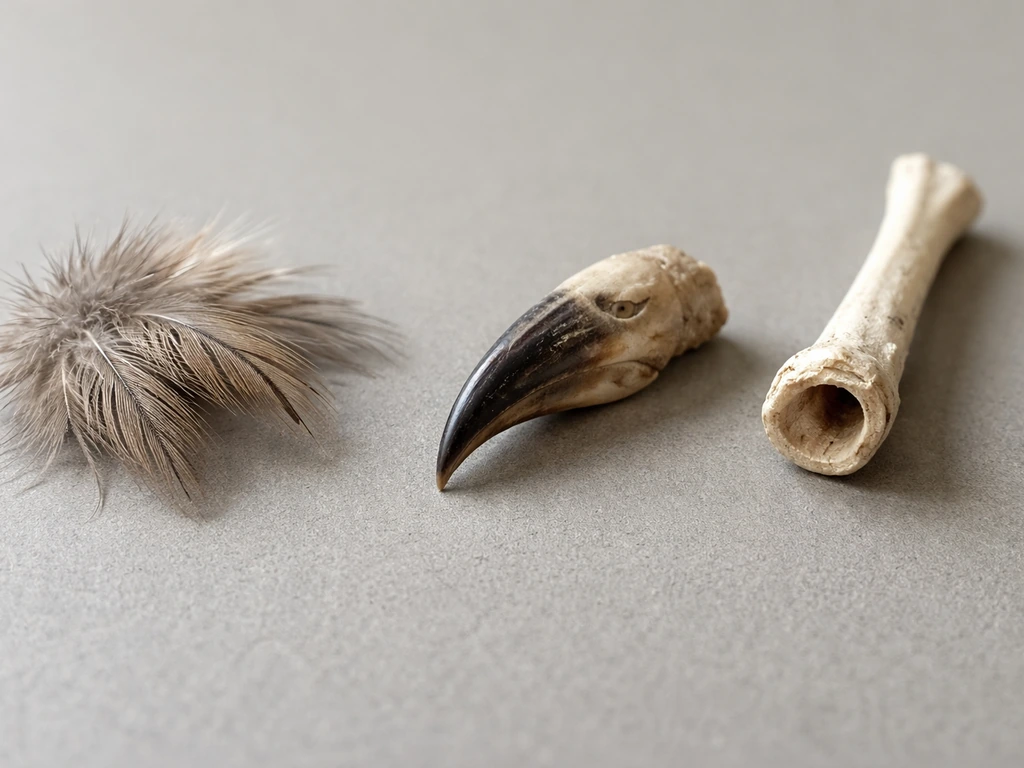
Birds are vertebrates (animals with a backbone) classified under class Aves. Biologists use a suite of physical traits to identify them. Feathers are the most iconic, and they remain the single best field marker: blank" rel="noopener noreferrer">no other living animal group has true feathers. Beyond feathers, birds are warm-blooded, have a four-chambered heart, forelimbs modified into wings, blank" rel="noopener noreferrer">hollow bones that reduce body weight, and lay hard-shelled eggs. They also have a high metabolic rate supported by a unique respiratory system: two lungs plus a series of air sacs that keep oxygen flowing continuously, even during the exhale. If an animal checks all of those boxes, it is a bird, whether or not it can fly.
The main non-bird categories (and how they differ)
If you want the clearest contrast to a bird, these are the animal groups that diverge from class Aves on the most traits.
| Animal Group | Warm-Blooded? | Has Feathers? | Has Hollow Bones? | Lays Hard-Shelled Eggs? | Key Distinguishing Trait |
|---|---|---|---|---|---|
| Birds (Aves) | Yes | Yes | Yes | Yes | Feathers + all four traits |
| Mammals | Yes | No (fur/hair) | No | No (live birth or leathery eggs) | Nurse young with milk |
| Reptiles | No (ectothermic) | No (scales) | No | Usually (leathery shell) | Scales, three-chambered heart (most) |
| Amphibians | No (ectothermic) | No (moist skin) | No | No (jelly-like eggs in water) | Aquatic larval stage, breathe through skin |
| Fish | No (ectothermic) | No (scales or scaleless) | No | Varies (often no shell) | Gills, fins, aquatic |
| Insects/Arthropods | No (ectothermic) | No | No | No | Six legs, exoskeleton, three body segments |
Insects are arguably the most structurally unlike birds of any animal group. They are cold-blooded, have a hard external exoskeleton made largely of chitin (rather than an internal skeleton), three body segments (head, thorax, and abdomen), six legs, and no internal bones at all. A bird and an insect share almost nothing anatomically, which makes insects a reasonable answer when someone asks for the most contrasting living animal. Fish are a close second: typically cold-blooded, covered in scales, and breathing through gills rather than lungs, they check almost none of the bird boxes.
Animals people frequently mix up with birds
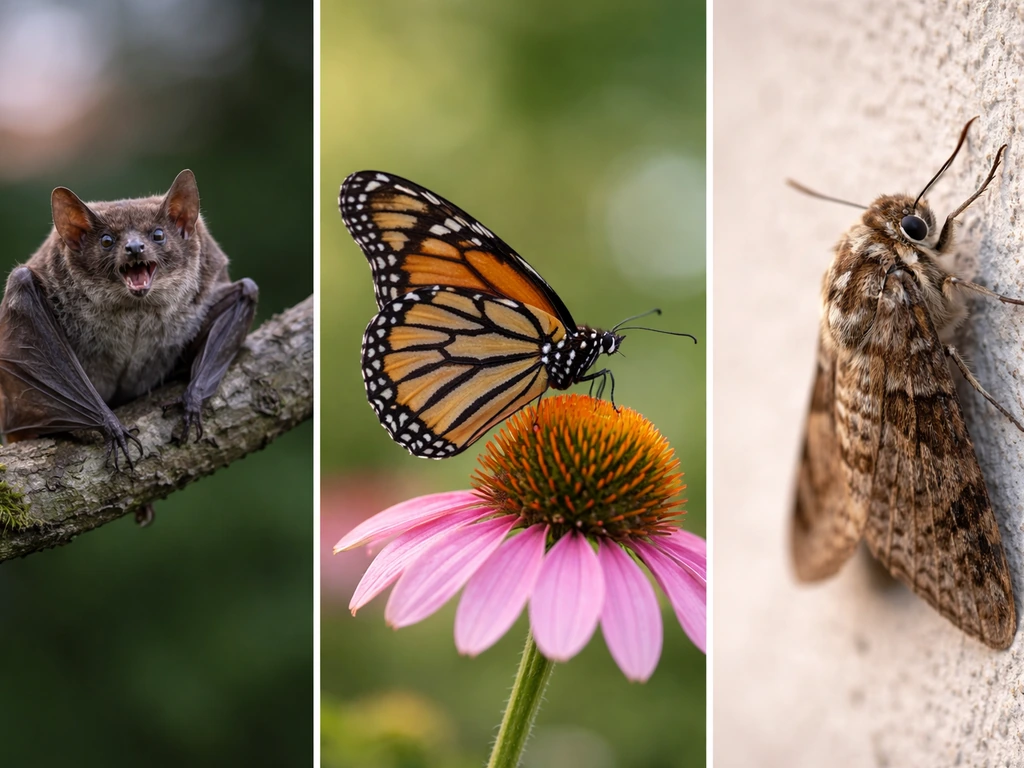
Some animals genuinely look or act like birds but belong to entirely different categories. Others look nothing like a typical bird but are classified as birds anyway. These borderline cases cause most of the confusion.
Bats: birds? No, mammals
Bats fly, and that is where the similarity to birds ends. They are mammals (order Chiroptera) with front limbs modified into wings, but those wings are formed from two thin layers of skin stretched between the arm bones, fingers, legs, and sometimes the tail. There are no feathers, no hollow bones in the avian sense, and bats nurse their young with milk. A bat is far closer to a squirrel than to a robin.
Pterosaurs: flying reptiles, not birds
Pterosaurs were flying reptiles that lived alongside dinosaurs. Their wings were built from a membrane of skin, not feathers, though there is evidence of keratinous fiber structures embedded in that membrane. They are not birds and are not the ancestors of birds. Modern birds evolved from a separate theropod dinosaur lineage. Pterosaurs are extinct, and classifying them as birds is one of the more common misconceptions this site addresses.
Penguins and ostriches: birds that don't fit the mental image
Penguins and ostriches are fully and unambiguously birds, classified under class Aves. The confusion comes from the fact that neither flies. Penguins (order Sphenisciformes) are flightless marine birds. Ostriches belong to a group called ratites, flightless birds whose sternum lacks the keel that anchors flight muscles in flying birds. But both have feathers, lay hard-shelled eggs, and are warm-blooded with a four-chambered heart. Flight is not a requirement for being a bird. These animals come up in discussions about what features a bird does not always have, which is a genuinely useful angle to explore alongside this topic.
A quick checklist to decide if something is a bird
When you're unsure whether an animal is a bird, run through this checklist. You don't need every box checked with certainty, but if most of them match, you're looking at a bird.
- Does it have feathers? (The single most reliable marker. No other living animal has true feathers.)
- Is it warm-blooded? (Birds regulate their own body temperature; reptiles and fish do not.)
- Does it have a four-chambered heart? (Mammals share this trait, but most reptiles have three chambers.)
- Are its forelimbs modified into wings? (Even in flightless birds like ostriches and penguins, the forelimbs are structurally wings.)
- Does it lay hard-shelled eggs? (Not soft, leathery, or jelly-like, but a calcified hard shell.)
- Does it have hollow, lightweight bones? (This is a skeletal adaptation birds share with their dinosaur ancestors.)
- Does it have a beak with no teeth? (Modern birds have toothless beaked jaws; this distinguishes them from most prehistoric bird-like animals.)
If the answer to most of those questions is yes, it is almost certainly a bird. If the animal has fur or hair instead of feathers, nurses its young, or breathes through gills, it is not. There are also interesting questions about animals that have some bird-like features but are not birds, such as creatures with wings or feather-like structures. Those edge cases are worth exploring separately, especially when distinguishing what has wings but is not a bird, or what has feathers but is not a bird.
Why there is no single "opposite" animal
Biology does not work in clean binary pairs the way vocabulary does. Birds (class Aves) are defined by a cluster of traits that evolved together over millions of years from theropod dinosaur ancestors. There is no single sister category that is the "anti-bird" in the same way that "hot" has the antonym "cold." Saying a fish is the opposite of a bird is reasonable in casual conversation, because fish are cold-blooded, aquatic, have scales and gills, and share almost nothing anatomically with a bird. But an insect is arguably more different still, and a bacterium is even further removed.
What you can do instead of looking for one opposite is use the diagnostic checklist above to place any animal on the spectrum from "clearly a bird" to "clearly not a bird." The interesting cases are the ones in the middle: animals that fly but are not birds (bats, insects, pterosaurs), animals that look like birds but aren't, or animals that are birds but look nothing like the classic image of one. The boundary between bird and not-bird is sharpest when you rely on the full suite of traits rather than any single feature like wings or flight.
So the most practical answer to "what is the opposite of a bird" is this: in everyday terms, something like an insect or a fish gets you closest to a true biological contrast. But the more useful question is whether a specific animal you're thinking of is or isn't a bird, and for that, feathers plus the checklist above will get you to the right answer almost every time. Does a bird have a tongue depends on its species, because bird tongues vary in shape and function across different groups.
FAQ
Is “a rock” or “a stone” a real opposite of a bird?
A rock is not an animal and does not help with biology classification. If you want the closest living contrast to “bird” as a biological category, use an animal group and run the trait checklist, feathers, warm-blooded, four-chambered heart, lungs with air sacs, hollow bones, and hard-shelled eggs.
Between a fish and an insect, which is the better answer to the opposite of a bird?
Fish is often the best casual pick because it matches most “not-bird” traits at once, but insects can be an even stronger contrast anatomically. If you are choosing for “most unlike,” insects generally diverge more strongly, if you are choosing for “aquatic and not-bird,” fish usually wins.
Why doesn’t there seem to be one single opposite of a bird?
In everyday talk, “opposite” and “not” get mixed up. Biologically, birds have a bundle of traits, so “most opposite” is not unique. The most useful framing is either “something not in class Aves” or “the animal group that fails the most bird-defining features.”
What if an animal has feather-like structures, is it automatically the opposite of a bird?
An animal that “looks like it has feathers” can still fail other requirements. For instance, hair-like or feather-like structures are not the same as true feathers, so confirm with the full bird suite, especially feathers, warm-blooded metabolism, and the egg and respiratory system traits.
If something can’t fly, does that make it the opposite of a bird?
Yes, flight can confuse people. Penguins and ostriches are birds even though they do not fly, so “no flight” is not the test. Use the defining traits, especially true feathers, warm-blooding, and the internal physiology checklist.
Is a bat the opposite of a bird because it flies like one?
Bats are not the opposite of a bird, they are a separate mammal line. They do have wings for flight, but they lack true feathers, do not have bird-style hollow bones, and nurse with milk, which are key reasons they fail the bird checklist.
Are pterosaurs considered birds or the opposite of birds?
Pterosaurs are best thought of as “not-birds” but close to the idea of flight. The common mistake is treating them as an ancestor of modern birds; they were their own flying reptile lineage, with wing membranes rather than true feathers.
If an animal has wings, how do I tell whether it is a bird or an opposite-like non-bird?
“Front limbs modified into wings” describes both bats and birds in a superficial way, but the wing construction and other traits differ. For classification, prioritize feathers and the whole physiology bundle, because wings alone do not decide whether something is a bird.
What is a fast checklist I can use if I only remember a few traits?
Use a quick decision rule: if it has true feathers and the bird physiology and egg traits, it is a bird even if it never flies; if it has fur or hair, gill-based breathing, or mammal-style milk nursing, it is not a bird. When the answer is unclear, keep going through the checklist rather than relying on one feature.
Why do some non-birds look like birds even though they are not birds?
A dinosaur-like “bird look” can be misleading, because there are non-birds that evolved bird-like bodies or behaviors. If the animal is not class Aves, it is not “the opposite,” it is “a non-bird with convergence,” so the correct move is trait-based classification, not appearance-based guessing.
What should I answer if someone asks this in a more formal, biology-focused context?
It depends on what you mean by opposite. If you mean “most unlike animal group,” insects or fish are reasonable choices. If you mean “formal counterpart category,” the more correct answer is “any animal outside class Aves,” with the strongest contrast coming from organisms that miss many of the bird-defining traits.
Next Articles
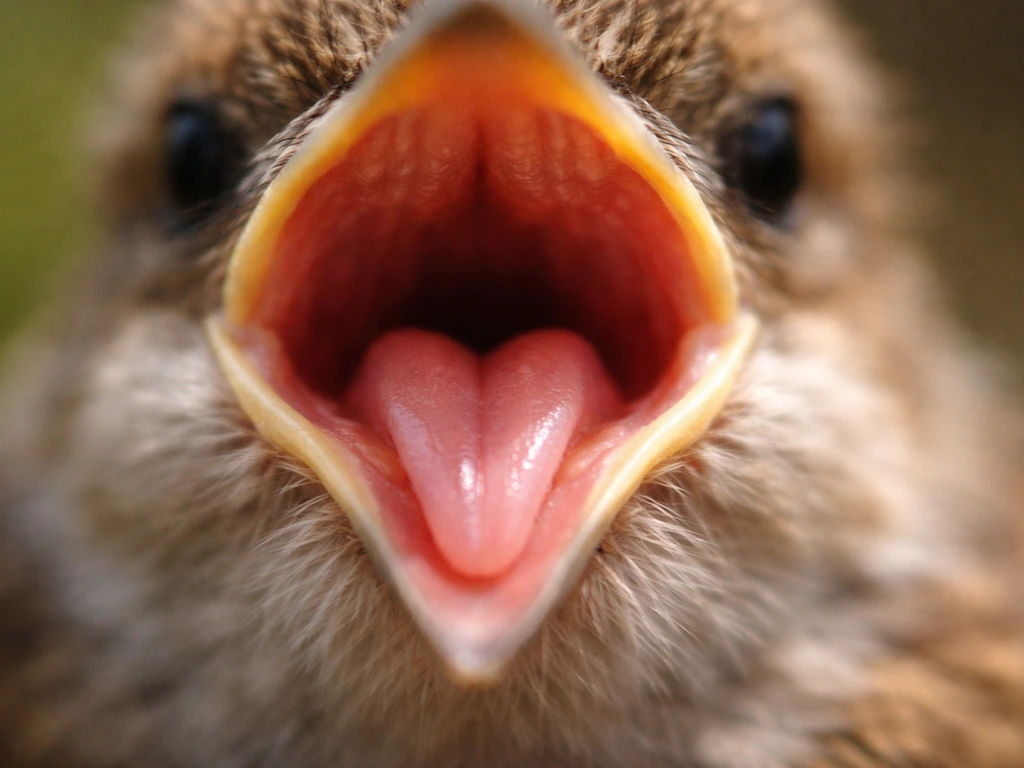
Does a Bird Have a Tongue? What It Looks Like
Yes. Birds do have tongues, with varied shapes for feeding and swallowing, often hard to spot by beak type.
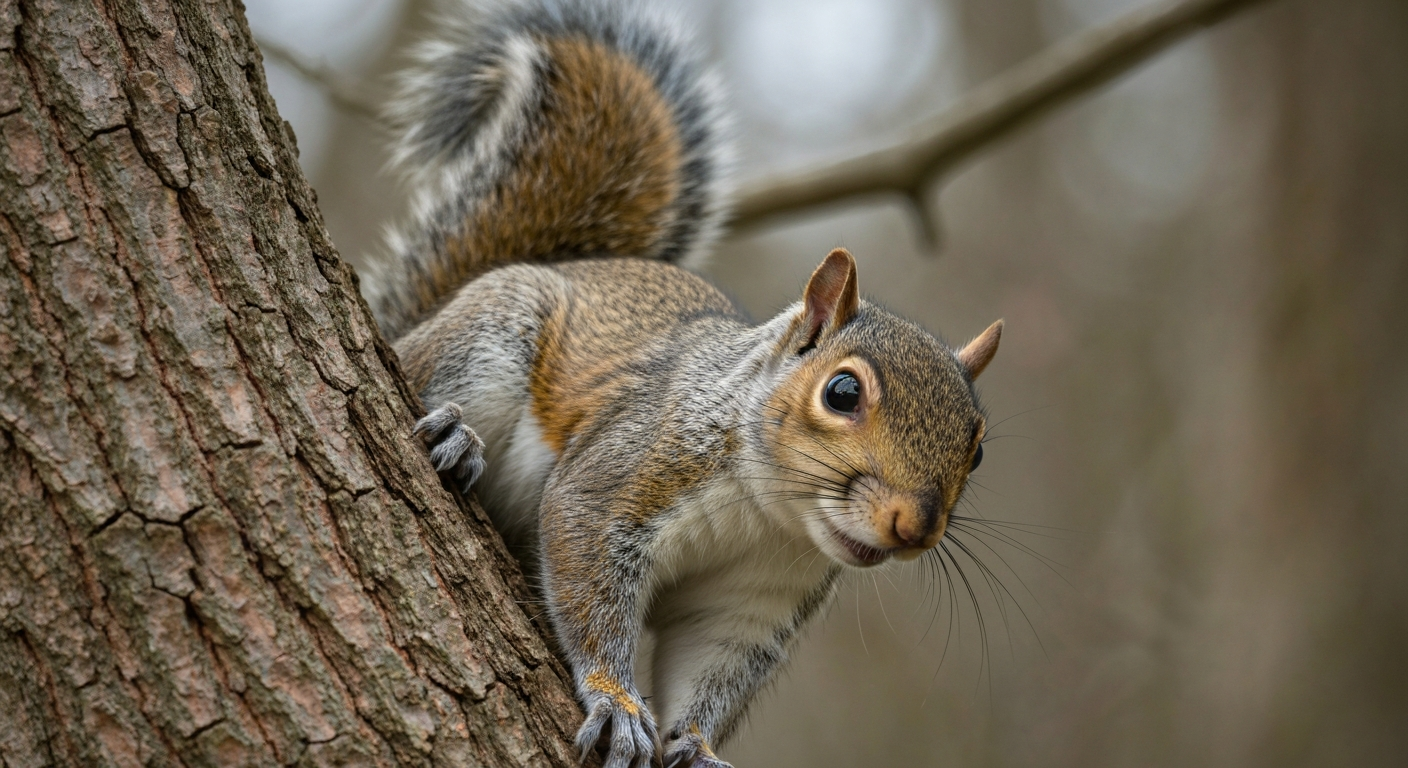
Is Squirrel Animal or Bird? Clear Answer and Classification
Squirrels are mammals, not birds, class Mammalia, order Rodentia. Quick traits, comparison table, checklist & FAQ.
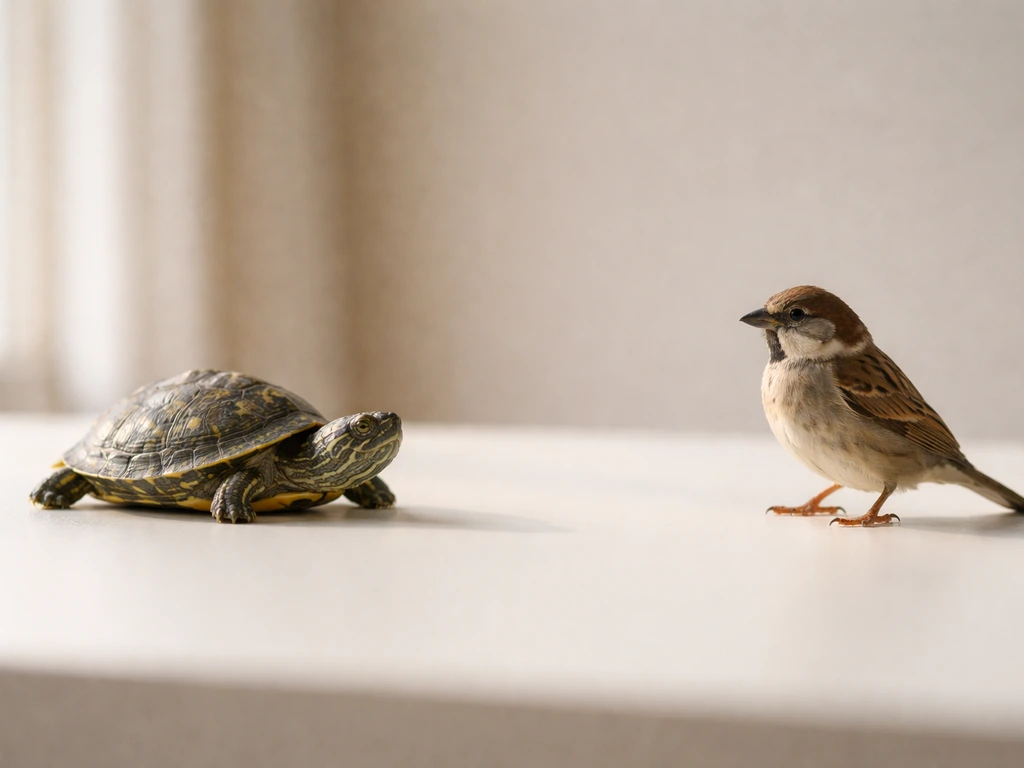
Is a Turtle a Bird? Simple Taxonomy Checklist and Facts
No, turtles are not birds. Learn the traits that define birds versus reptiles and fix common shell and egg misconception