Yes, birds have tongues. Every bird has one, though some are so small and stiff that you'd barely notice them. The confusion is understandable: a bird's beak looks nothing like a mammal's lips and teeth, so it's easy to assume the inside of the mouth is just as alien. It isn't. The tongue is there, doing real work, it just looks and functions very differently depending on the species.
Does a Bird Have a Tongue? What It Looks Like

Sarah Chen
3 Apr 2026
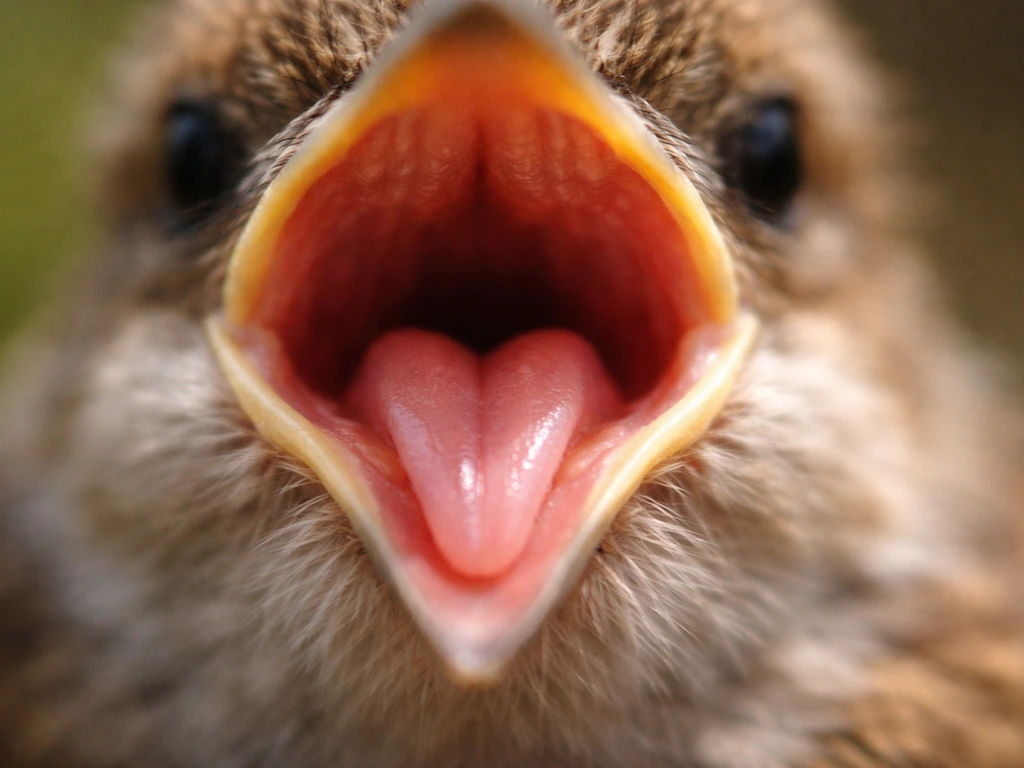
What a bird tongue actually is
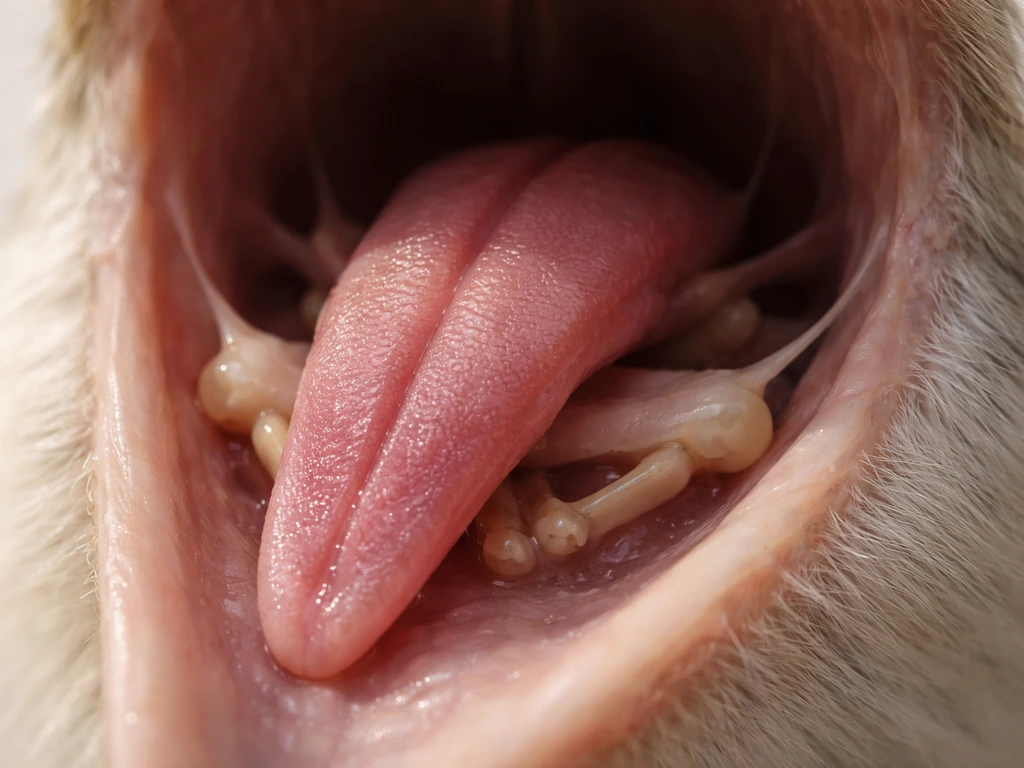
A bird's tongue is a muscular organ attached to the hyoid apparatus, which is a system of bones and cartilage that supports and moves the tongue. Unlike a mammal's tongue, which is thick, fleshy, and highly mobile in multiple directions, most bird tongues are flatter, narrower, and more rigid. In many species, the tongue's surface is covered in keratin, the same protein that forms feathers and beaks, giving it a tougher texture than what you'd find in your own mouth.
The primary job of a bird's tongue is to manipulate food and get it down the throat. That's really it for most species. It's less about tasting and more about positioning. For pigeons, doves, and most passerines (the perching songbirds), the tongue is smooth, fairly short, and mostly used to guide food to the back of the mouth so it can be swallowed. Chickens do something similar: they use the tongue to push feed rearward so gravity and muscle action can take over. The tongue, in short, is a food-handling tool first.
Why you might not notice a bird's tongue at all
Several things make bird tongues easy to miss. First, beak shape plays a huge role. A narrow, pointed beak on a sparrow leaves almost no room to see inside. A bird has to open its mouth quite wide, at the right angle, with good lighting, before you'd catch a glimpse. Second, some species genuinely have what scientists call rudimentary tongues, meaning they're present but extremely underdeveloped. Pelicans, cormorants, emus, and ostriches all fall into this category. If you've ever watched a pelican toss a fish back and swallow it whole, that's partly because there's almost no tongue to get in the way.
Third, birds are quick. The whole sequence of pecking, positioning, and swallowing happens in fractions of a second for most small birds. You're not going to see tongue action during normal feeding at a feeder unless you're watching slow-motion footage. And finally, bird tongues often match the color of the mouth interior, so even when visible, they don't stand out.
This connects to a broader pattern worth knowing: not every feature you'd expect from a vertebrate is equally prominent in every bird. If you're curious about which defining traits can actually vary across species, the article on a bird does not always have covers that ground well and might surprise you.
How tongue shape and function vary by bird type
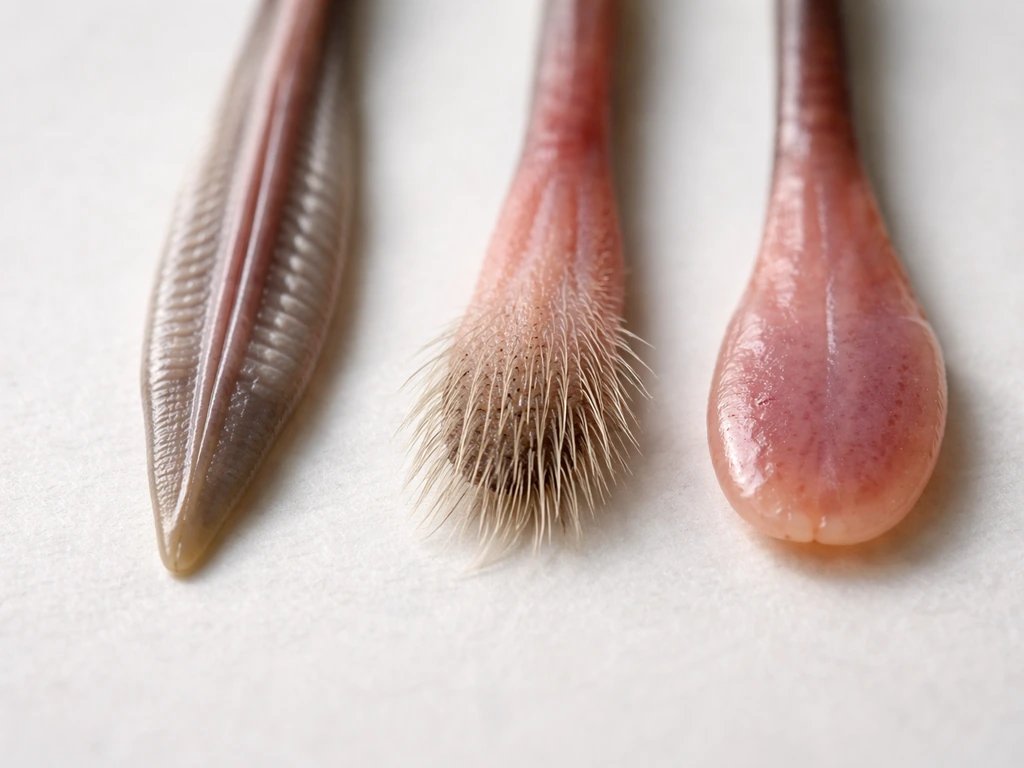
This is where things get genuinely interesting, because bird tongues are not one-size-fits-all. Evolution has shaped them quite dramatically to match each species' feeding niche.
Hummingbirds: the tiny pump
Hummingbird tongues are groove-tongued, meaning the tongue has grooves that unfold and open as the bird extends it into a flower, then return to shape as the tongue retracts. For a long time, researchers assumed hummingbirds drank nectar like a straw. High-speed camera research proved otherwise: the tongue actually behaves like a pump, drawing nectar into a reservoir at the tip and then squeezing it into the bird's mouth as the tongue pulls back. Micro-CT scans have shown how the bill-opening and tongue mechanics work in tight coordination. This is a remarkable piece of engineering packed into a bird that can weigh less than a nickel.
Woodpeckers: the long-distance lapper
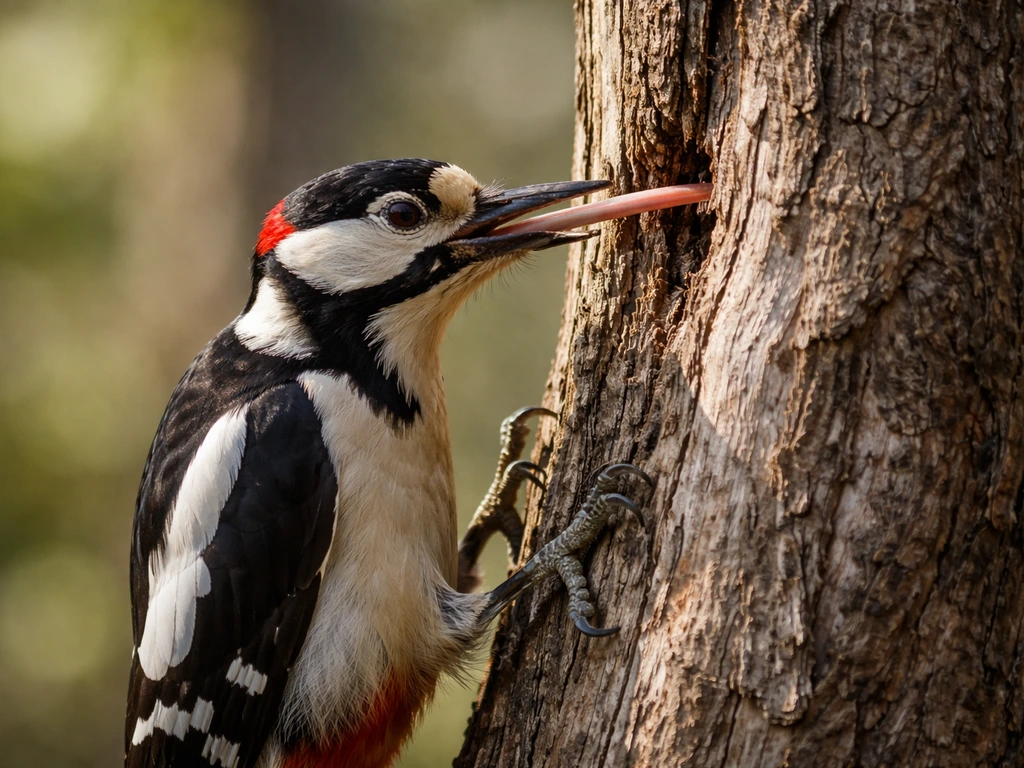
Woodpecker tongues are arguably the most dramatic in the bird world. They're incredibly long, brush-tipped at the end, and attached to a hyoid apparatus that wraps around the skull, allowing the tongue to extend far beyond the beak tip. That brush-tip isn't just for show: it can lap up oozing tree sap using capillary action, and it's also used to extract insects from tunnels in wood. When a woodpecker isn't using its tongue, that extended hyoid essentially coils inside the skull.
Waterfowl: filtering and gripping
Ducks and geese have fleshy, paddle-like tongues that work alongside the lamellae (comb-like structures along the beak's edge) to filter food from water. Penguins take a different approach entirely: their tongues have large keratinized bristles that point backward, acting like a grip mechanism to hold slippery prey like krill and fish as it moves into the mouth. Penguins have no taste buds on their tongues at all, which makes sense given that they swallow prey whole and don't need to evaluate flavor.
Seed-eaters and parrots
Seed-eating birds like finches have short, pointed tongues that help manipulate seeds against the ridged upper palate while the beak cracks the hull. Parrots have thick, muscular tongues that are surprisingly dexterous, used to rotate and position food items and even to explore objects. Parrot owners often notice their birds using their tongue almost like a third limb when handling food or objects.
| Bird Type | Tongue Shape | Primary Function | Notable Feature |
|---|---|---|---|
| Hummingbird | Grooved, forked tip | Nectar collection | Acts as a pump, not a straw |
| Woodpecker | Long, brush-tipped | Extracting insects and sap | Hyoid wraps around the skull |
| Duck/Goose | Fleshy, paddle-like | Filter feeding | Works with beak lamellae |
| Penguin | Keratinized bristles | Gripping slippery prey | No taste buds present |
| Parrot | Thick, muscular | Manipulating food/objects | High dexterity |
| Chicken/Pigeon | Short, smooth | Pushing food rearward | Minimal taste function |
| Pelican/Cormorant | Rudimentary | Minimal | Nearly vestigial |
Taste buds, swallowing, and how birds actually handle food
Birds do have taste buds, but far fewer than mammals. Humans have roughly 10,000 taste buds; most birds have somewhere between 24 and 400, depending on species. Crucially, bird taste buds are distributed differently than in mammals. Rather than being concentrated on the tongue itself, they're mostly located on the upper palate of the mouth. When a bird pecks food and positions it with the tongue, the food gets pressed against those palate taste buds, which is when the actual tasting happens.
This palate-based tasting system is actually well matched to how birds eat. The tongue presses food upward during the swallowing sequence, putting it in direct contact with taste receptors before it moves deeper. And this distribution appears to be tied to feeding behavior: birds that are more selective about what they eat tend to have more complex taste-bud arrangements.
One common assumption is that birds can't taste sweetness. That's not quite right. Research from the Cornell Lab of Ornithology showed that songbirds and hummingbirds evolved the ability to detect sugars through a shift in their sensory system, an adaptation that wasn't present in their ancestors. This explains why hummingbirds are so specifically drawn to high-sugar nectar and why many songbirds prefer certain fruits. It's a good reminder that bird sensory biology is more sophisticated than it looks from the outside.
Swallowing itself is different from what mammals do. Birds don't chew. They toss food toward the back of the throat and use a combination of tongue pressure, gravity (often tilting the head back), and muscular contractions to move food into the esophagus. In many species, food then goes to the crop for temporary storage before continuing to the stomach. An educational reference on bird digestion notes that birds use the crop as a major digestive compartment, along with the esophagus and stomach, to manage swallowing and processing food food then goes to the crop for temporary storage before continuing to the stomach. The tongue's role ends once the food clears the oral cavity.
How to actually observe a bird's tongue today
You don't need to handle a bird to see its tongue, and you shouldn't. Attempting to touch or handle wildlife can injure the animal, cause serious stress, and for many species it's illegal under federal and state protections. NOAA's wildlife viewing guidelines are clear on this: use binoculars or a zoom lens for close-up observation, and keep your distance.
Here are the most practical ways to observe tongue action from a safe distance:
- Set up a hummingbird feeder and watch with binoculars from a few feet away. Look for the tongue extending and retracting rapidly, sometimes up to 20 times per second, especially visible when the bird pauses mid-feed.
- Watch woodpeckers at suet feeders or on dead trees. You'll sometimes catch a glimpse of the tongue probing bark crevices.
- Observe ducks feeding in shallow water. The rhythmic bill-pumping motion is driven partly by tongue action working against the lamellae.
- Watch parrots or large corvids (crows, ravens) eating at a bird table. These species are slower and more deliberate, making tongue movement more visible.
- Use slow-motion video on a smartphone pointed at a feeder. Even at 240fps on a modern phone, you can capture enough detail to see tongue movement in larger birds.
If you ever come across a bird that appears injured or behaving abnormally, don't handle it bare-handed. Contact a local wildlife rehabilitator instead. Project FeederWatch recommends this approach and provides clear protocols for situations where a bird might need intervention.
Washington Department of Fish and Wildlife's ethical viewing guidance adds another useful principle: if a bird shows signs of disturbance or alters its natural behavior because of your presence, increase your distance. A bird that stops feeding and watches you is stressed, not curious.
Common misconceptions, and how birds compare to other animals
The biggest misconception here is that the tongue is mainly for tasting. In birds, it's overwhelmingly a food-handling and swallowing tool. Tasting is secondary, and in some species like penguins, taste buds are absent from the tongue entirely. The idea that a tongue without abundant taste buds is somehow incomplete misapplies the mammal template to animals that evolved very differently.
Another misconception: that birds with beaks don't need tongues at all. The beak handles cutting, cracking, and grasping, but without the tongue to position and push food, swallowing would be far less efficient or even impossible for many species. The tongue and beak are a team.
People also sometimes wonder whether the things that make a bird's mouth unusual mean it isn't really a bird. It's worth remembering that the beak itself is a defining bird feature, not an anomaly. If you're curious about what would actually disqualify an animal from being a bird, the question of whether there is a bird without a beak gets into that territory directly.
It's also easy to conflate bird anatomy with reptile anatomy, since birds evolved from theropod dinosaurs and still share some structural features with reptiles. The keratinized surface of many bird tongues, for instance, looks somewhat like what you'd find in a reptile. But birds are their own class (Aves) with distinct traits: feathers, hollow bones, warm-bloodedness, and a unique respiratory system. The tongue is just one piece of a much larger biological picture.
Some readers come to this question from a different angle entirely, wondering which animals have feathers or wings but aren't actually birds. If that's on your mind, it's worth reading about what has feathers but is not a bird, or if wings are the sticking point, the breakdown of what animal has wings but is not a bird covers the key cases clearly. Bats, pterosaurs, and insects all have wings, but none of them are birds, and the distinction matters more than most people realize.
Related to this, some folks wonder about animals that sit at the boundary of classification, which leads to questions like which of the following is not a bird when faced with a list of unusual animals. The tongue anatomy you've just read about actually helps with those calls: animals like bats have fleshy mammalian tongues loaded with taste buds, while birds have the more minimalist, keratin-influenced structures described here.
And if you're thinking about this from a classification standpoint, it can be useful to understand what has wings but is not a bird alongside the tongue question, because both anatomical features help define where birds sit in the animal kingdom. Tongue type alone won't settle a classification question, but it's one more data point in understanding what makes a bird a bird.
For readers interested in bird classification more broadly, thinking about what is the opposite of a bird can be a surprisingly useful exercise. It forces you to think about which features are truly definitive versus merely common, and tongue anatomy fits right into that conversation.
FAQ
If birds do not chew, why do they still need a tongue?
No, a bird that has a beak still needs a tongue for most swallowing. Even if the tongue is small or stiff, it helps push food to the back of the mouth and coordinate the swallowing sequence, so beak-only feeding is usually inefficient.
Can I see a bird’s tongue when it eats at a feeder?
Yes, but it is usually brief and hard to see during normal feeding. The tongue often works in milliseconds, and in many species it is smooth, dark, or matches the color of the mouth interior, so slow-motion or high zoom is more likely to reveal it.
Do birds taste with their tongues the way mammals do?
Not always. Some birds have more taste receptors on the upper palate than on the tongue, and at least one major group (penguins) lacks taste buds on the tongue entirely. That means “tasting” can happen even when the tongue looks like it is only moving food.
Why does a bird tongue look so different from a human tongue?
Because of the hyoid support system and tongue surface chemistry. Many bird tongues have a keratinized coating, so they can look tougher and feel less “soft” than a mammal’s tongue if you ever get a clear view.
What causes the tongue to look missing in photos or videos?
A bird’s tongue can be present even if it seems absent from casual viewing. Narrow beaks, small mouth openings, and fast peck-and-swallow cycles can hide it, especially in small passerines where the tongue is short and the mouth anatomy is tight.
Is a bird’s tongue mainly for taste or mainly for swallowing?
Generally, most birds do not use their tongues to move flavor around the mouth the way many mammals do. Instead, they use the tongue to position food, press it against taste-sensitive tissue (often the palate), and then guide it into the throat.
What should I do if I think I see a tongue problem or an injured bird?
If you suspect injury or illness, do not try to “check the mouth” by touching the bird. Contact a local wildlife rehabilitator and observe from a distance, because handling can worsen stress, cause bites, or lead to legal violations for protected wildlife.
Do all birds have the same kind of tongue, or does it change by what they eat?
Yes, but the pattern varies by species and diet. Seed and nectar specialists tend to show more specialized tongue structures, like groove-tongues in hummingbirds or bristle-like tongue surfaces in penguins, while other tongues are relatively simple for guiding food.
How can I observe tongue use without disturbing the bird?
Often, you will get a better view by watching behavior rather than expecting a static “tongue-out” moment. Look for feeding actions where the bird positions food (for example, pecking and swallowing in quick sequences), and use binoculars or a zoom lens rather than approaching.
Could a bird’s tongue be mistaken for a reptile’s, and does it affect whether the animal is really a bird?
Yes. While birds are in Aves and have feathers and a specific body plan, their tongue anatomy can resemble “reptile-like” keratin textures at a glance. Classification still relies on the full set of traits, not tongue appearance alone.
Next Articles
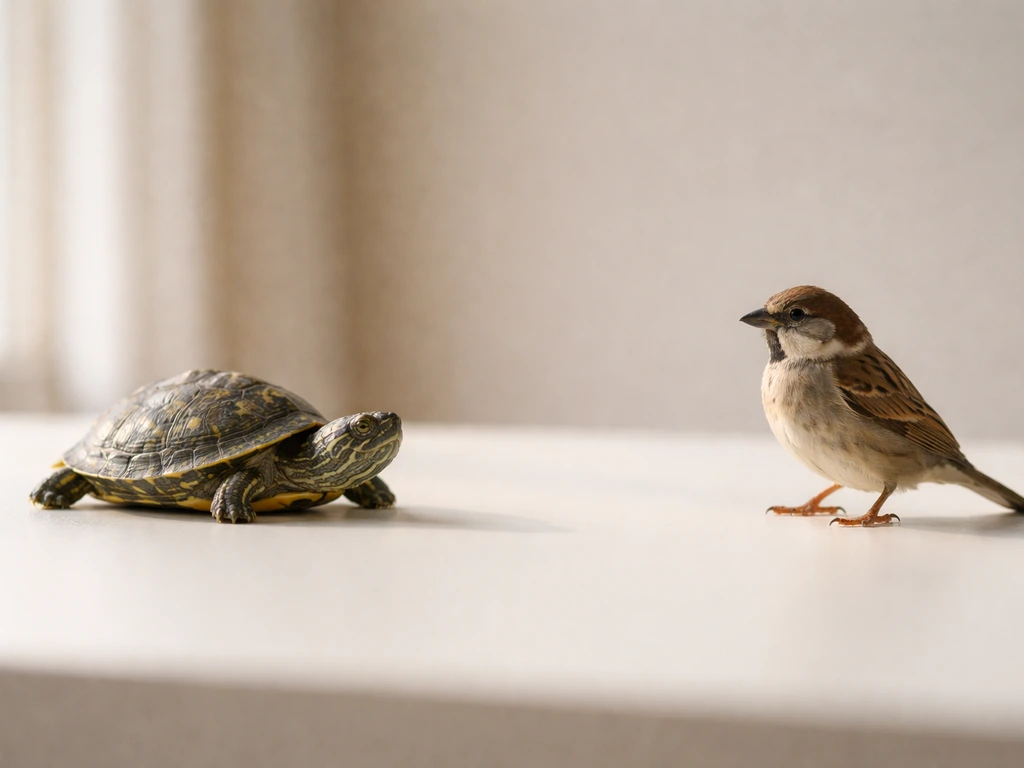
Is a Turtle a Bird? Simple Taxonomy Checklist and Facts
No, turtles are not birds. Learn the traits that define birds versus reptiles and fix common shell and egg misconception
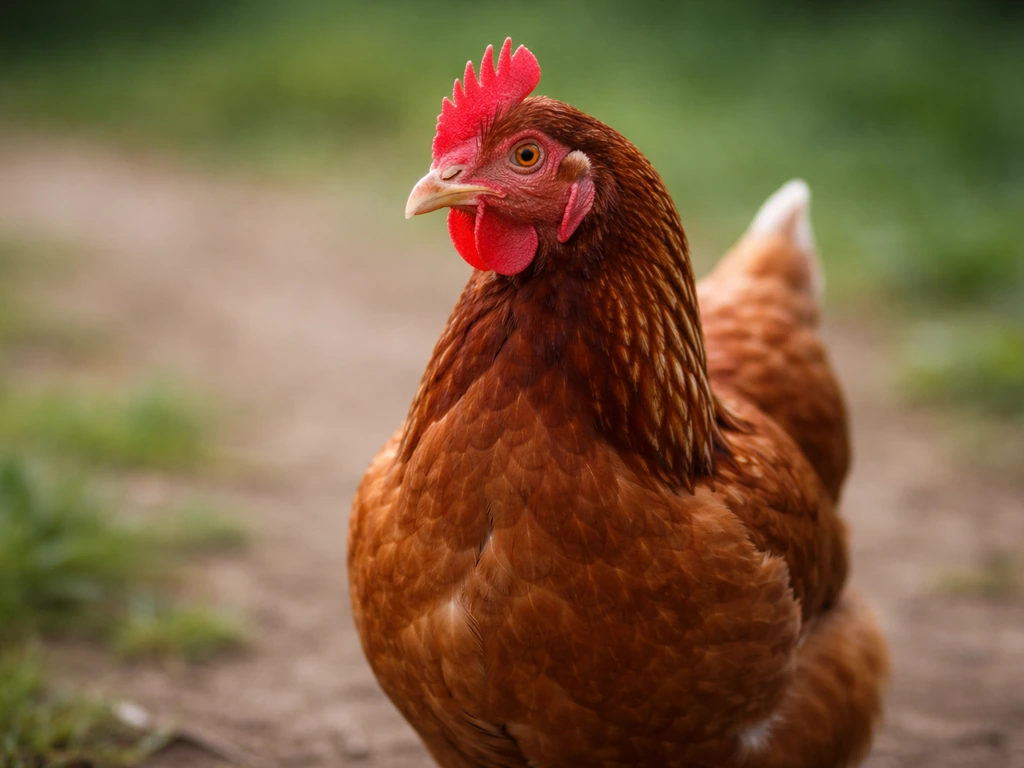
Is a Hen a Bird or an Animal? Simple Answer and Check
A hen is an animal, specifically a bird. Use a quick checklist to spot bird traits and clear common classification confu
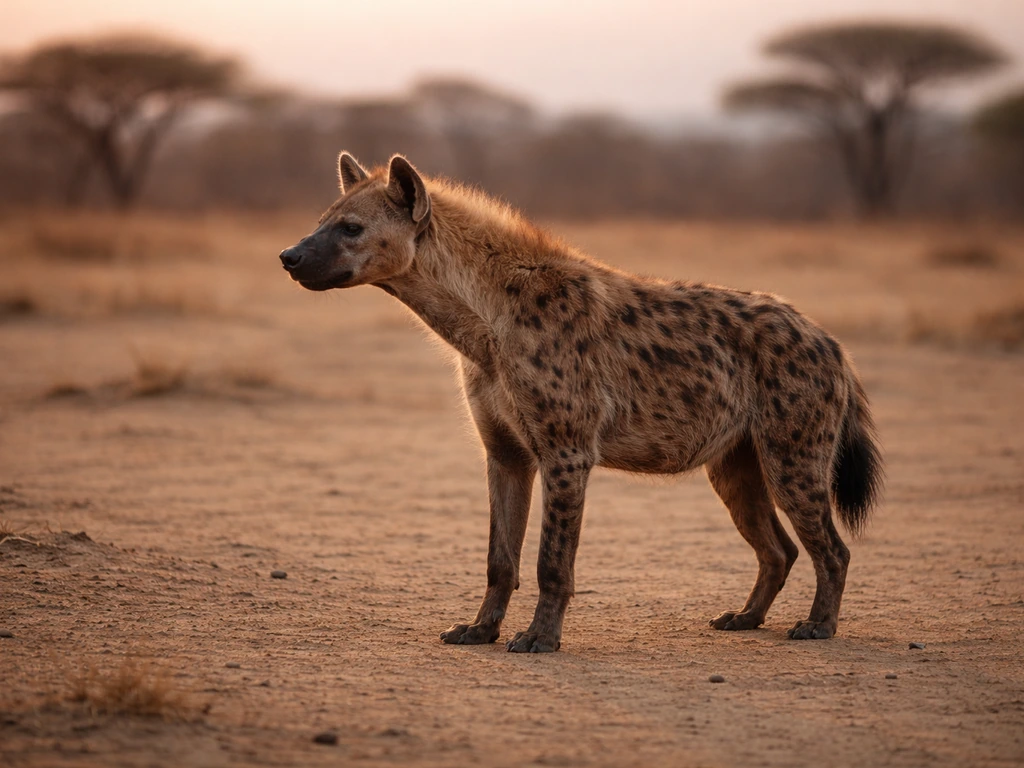
Hyena: Is It a Bird or an Animal? Taxonomy Answer
Hyenas are mammals, not birds. Learn taxonomy and how to spot bird vs animal traits with quick contrasts.