First, which Gonzo are we talking about?
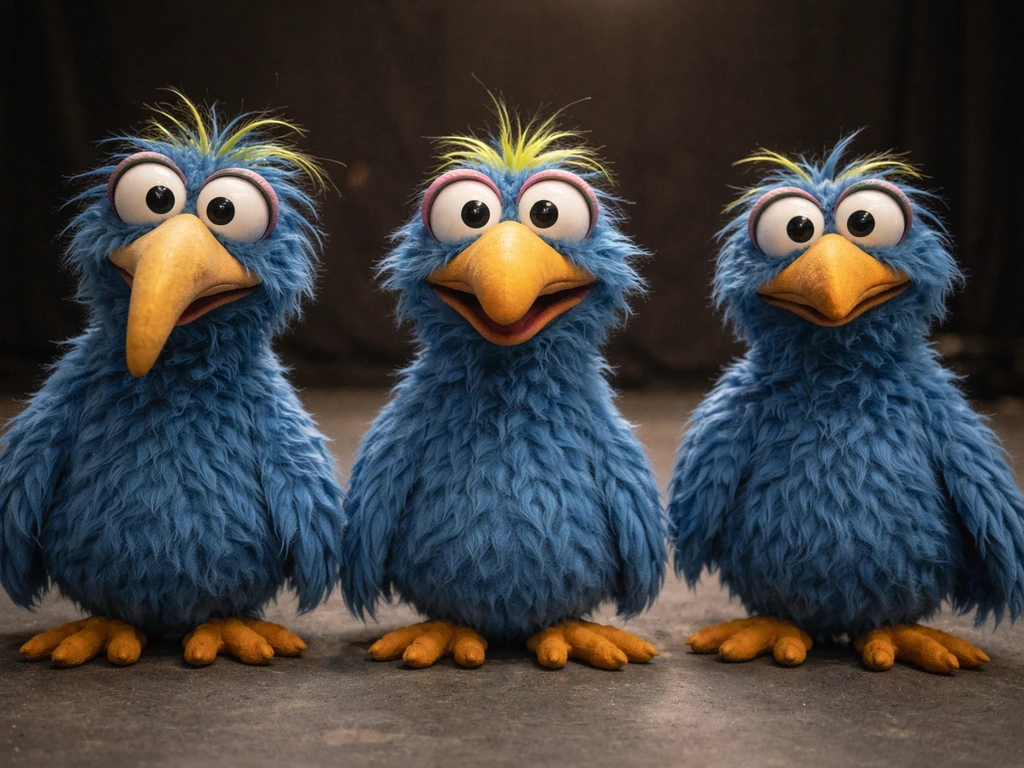
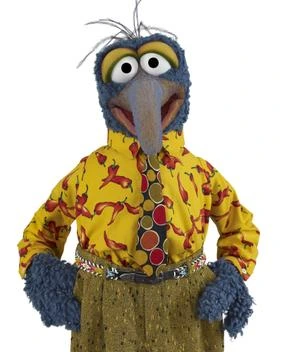
When people search "is Gonzo a bird," they almost always mean Gonzo the Great, the blue-beaked, stunt-obsessed Muppet who has been a fixture of The Muppet Show and its many spinoffs since the 1970s. That is the Gonzo this article is about. There is no well-known real animal, no notable species, and no other widely recognized pop-culture character named Gonzo whose bird-or-not-a-bird status causes genuine confusion. So if you landed here wondering about the Muppet, you are in the right place.
So, is Gonzo a bird? The direct answer
No. If you landed on the same question for a different fictional character, you can apply the checklist logic from is george a bird to reach the right conclusion. Gonzo is not a bird, and the Muppet franchise itself is on the record about this. In A Muppet Family Christmas, a Christmas Turkey looks directly at Gonzo and says: "You're not even a bird!
" That is about as explicit as in-universe classification gets. Beyond that line, the franchise has never consistently pinned Gonzo to any real animal category. His species is treated as a deliberate running gag, with other characters calling him "whatever" and "weirdo. " A crate in The Great Muppet Caper is literally labeled "Whatever.
" In Muppets from Space (1999), the storyline leans into alien origins, suggesting he belongs to an extraterrestrial species rather than any Earth animal group. In Muppets from Space (1999), Gonzo is revealed to be an alien from outer space.
The short version: Gonzo is a fictional creature of intentionally undefined species, and even within the world of the Muppets, the answer to "is he a bird? " is no.
Why people think he might be a bird
The confusion is completely understandable. Gonzo has a prominent, curved beak-like nose, which is the single most bird-associated visual feature in everyday thinking. He hangs around chickens constantly, and his romantic interest in chickens is a well-documented recurring joke across Muppet media. That chicken adjacency plants the idea of "bird" in viewers' minds even when nothing in the show actually confirms it.
His performing style, including physical stunts, odd costumes, and chaotic energy, also means he rarely gets a quiet moment where his biology is discussed seriously. The result is that audiences fill in the gap with the most obvious visual cue: the beak shape. But a beak-like nose in a cartoon puppet is not the same as a biological beak, and that distinction matters the moment you try to classify him.
What actually makes something a bird (the real checklist)
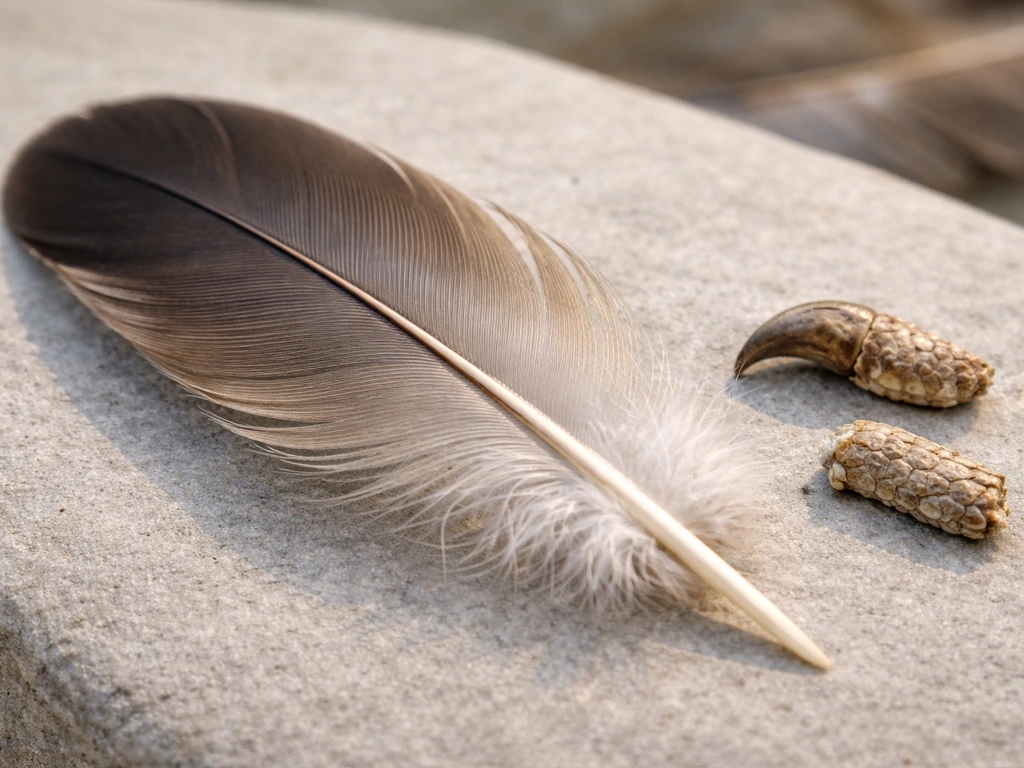
In real biology, birds belong to class Aves. Classification into this group is not based on looking bird-like. It is based on a set of shared derived characteristics, meaning traits that evolved together in a common lineage. Here are the core criteria biologists use:
- Feathers: the single most reliable marker. Feathers are complex integumentary structures found only in birds and their direct dinosaur ancestors. No other living animal group has them.
- Warm-blooded (endothermic): birds regulate their own body temperature internally, as do mammals, but the combination with feathers and other traits is what places them in Aves.
- Toothless beaked jaws: modern birds have beaks made of keratin, with no teeth. (Early birds had teeth, but living species do not.)
- Hard-shelled eggs: birds reproduce by laying eggs with calcified shells.
- Bipedal posture with wings: forelimbs modified into wings, even in flightless species like penguins and ostriches.
- Hollow bones: lightweight skeletal structure supporting flight or efficient movement.
The key point is that all of these traits need to come from biology, not from design. A puppet with a curved nose does not have feathers, does not lay eggs, does not have hollow bones, and does not have a real beak made of keratin. Gonzo fails every single one of these criteria, not because he is a bad bird, but because he is not a biological organism at all.
In other words, if you are trying to answer why Punpun is a bird, you should apply the same real-world bird criteria instead of relying on how the character looks why is Punpun a bird. If you are also asking why Fumikage is a bird, you can use the same real bird criteria logic to sort out the details why is fumikage a bird.
Where fictional characters fit in taxonomy (spoiler: they don't)
Biological taxonomy, the science of classifying living things, is built on evolutionary history and physical evidence. Scientists use shared derived characters (called synapomorphies) and genetic data to place organisms into groups. A fictional character cannot be classified this way because they have no evolutionary history, no DNA, no skeleton, and no biological traits, only design choices made by writers and puppeteers. So the correct framing for any "is X a bird?" question about a fictional character is: does this character, as depicted, meet the defining criteria of birds based on what we are shown? For Gonzo, the answer is no on every front, and even the show agrees.
That said, some fictional characters are explicitly written as birds within their own universe. Tweety Bird is a canary in Looney Tunes. Iago in Aladdin is explicitly a parrot. Those characters have in-universe species labels that align with real bird categories. Gonzo has neither a stable species label nor any consistent biological bird traits written into his character. His "whatever" status is intentional, and treating it as a mystery with a hidden bird answer misreads the franchise's own joke.
Gonzo vs. common bird confusion cases
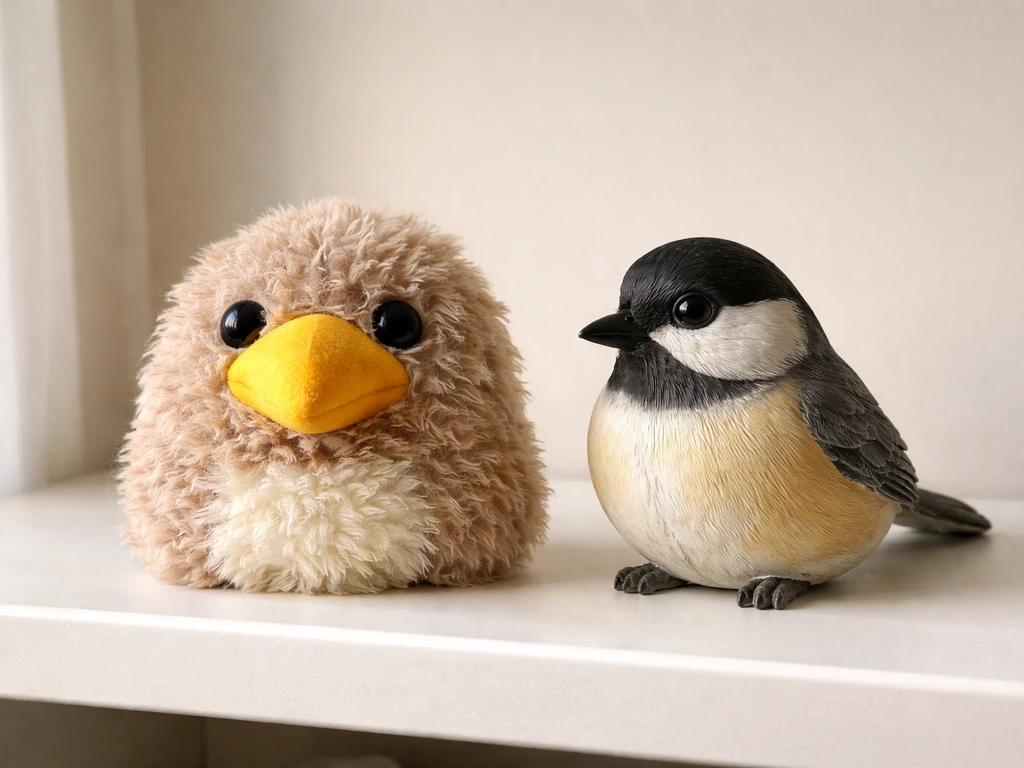
Gonzo fits into a broader pattern of things that look bird-adjacent but are not birds. It helps to see him alongside some real-world examples where people also get confused:
| Subject | Looks bird-like? | Actually a bird? | Why or why not |
|---|
| Gonzo (Muppet) | Has a beak-shaped nose | No | Fictional puppet, no biological traits, explicitly denied in-universe |
| Penguin | Cannot fly, looks awkward | Yes | Has feathers, lays hard-shelled eggs, warm-blooded, class Aves |
| Bat | Has wings, can fly | No | Mammal with fur, live birth, no feathers, class Mammalia |
| Pterosaur (extinct) | Had wings, could fly | No | Reptile, not in class Aves, no feathers in most species |
| Ostrich | Cannot fly | Yes | Has feathers, lays eggs, bipedal, fully within class Aves |
The pattern is clear. Flying does not make something a bird (bats fly; they are mammals). Not flying does not disqualify a bird (penguins and ostriches are firmly birds). A beak shape does not make something a bird (Gonzo has a beak-like nose; he is not a bird). What makes a bird a bird is the full biological package: feathers, warm blood, hard-shelled eggs, and a beaked jaw, all tied to a shared evolutionary lineage in class Aves. Birds are endothermic (warm-blooded) and are the only animals with feathers, and many have hollow bones, which are key anatomical traits used to identify Aves endothermic (warm-blooded) and the only animals with feathers and hollow bones.
This same logic applies to other fictional characters that generate similar questions. Characters like King Dedede or various animated figures sometimes raise the same "is this a bird? If you are wondering the same thing about another character, you can use the same approach as in this related guide about is kingpin a bird. You can use the same “real bird criteria” checklist to answer whether King Dedede is a bird too is king dedede a bird. " question, and the answer always comes back to the same set of criteria: what does the character actually show us, and does any in-universe classification confirm it?
How to run this test on any "is X a bird?" question
Whether you are asking about Gonzo, another Muppet, a cartoon animal, or a real creature you are trying to identify, here is the practical process to get a reliable answer:
- Identify what X actually is: Is it a real organism or a fictional character? Real organisms can be classified biologically. Fictional ones require you to look at what the story explicitly tells you.
- Check for the core bird traits: Does X have feathers (not feather-like designs or fluffy textures, but actual feathers)? Does X lay hard-shelled eggs? Is it warm-blooded? Does it have a true keratin beak and bipedal posture?
- Look for explicit in-universe or scientific classification: For real animals, check class Aves. For fictional characters, look for what the story directly states about their species, not just what they look like.
- Do not rely on single traits: A beak alone does not equal bird (platypuses have bills). Wings alone do not equal bird (bats, pterosaurs). Feathers are the most reliable single marker, but even then you need the full picture.
- When ambiguity is intentional, name it: Some franchises, like the Muppets with Gonzo, deliberately leave species undefined. That ambiguity is part of the creative choice, not a gap you can fill with guesswork.
Applying this to Gonzo takes about ten seconds. This is in line with the same idea here: Gonzo is a fictional character, so “is a Gael a bird” should be answered using real bird criteria. He is fictional, so you check in-universe classification first: undefined, with explicit denial of "bird" in dialogue. You then check bird traits: no feathers, no eggs, no biological anatomy of any kind because he is a puppet. Result: not a bird, and not even close to the borderline. The Muppets told you so themselves.