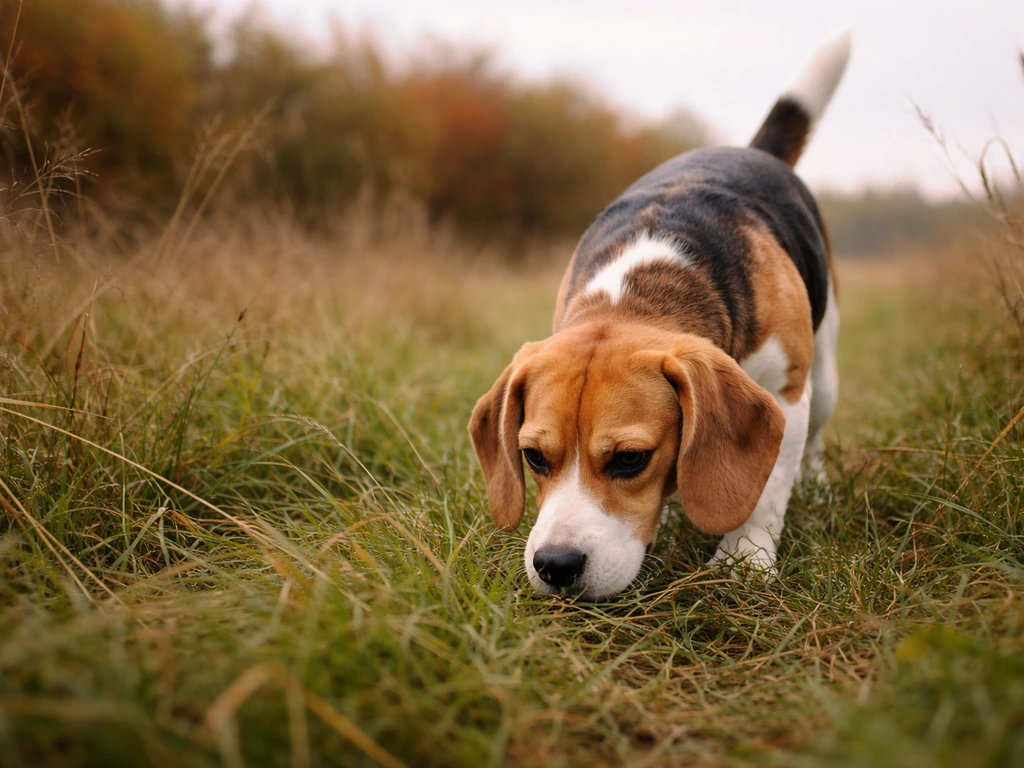
Beagles are not traditional bird dogs. They are scent hounds, bred for centuries to trail rabbits and hares by nose, bay loudly to communicate the track, and keep going until the quarry is run down or goes to ground. Beagles have a lot of skills from scent trailing, but they are not built for the core bird-dog behaviors that make a pointer effective at hunting birds bird is to feather as dog is to. That skill set overlaps with bird hunting in only a narrow way. A beagle can flush a pheasant from cover, and with dedicated training some will retrieve a downed bird, but they were never selected for the core bird-dog behaviors: pointing, holding steady to wing and shot, and reliably returning a bird to hand on command. If you already own a beagle and want to do some casual upland hunting, you have a workable starting point. If you are building a serious bird-hunting setup from scratch, a pointing or flushing breed will get you there faster and more consistently.
Are Beagles Bird Dogs? What to Expect and How to Train

What a bird dog actually does
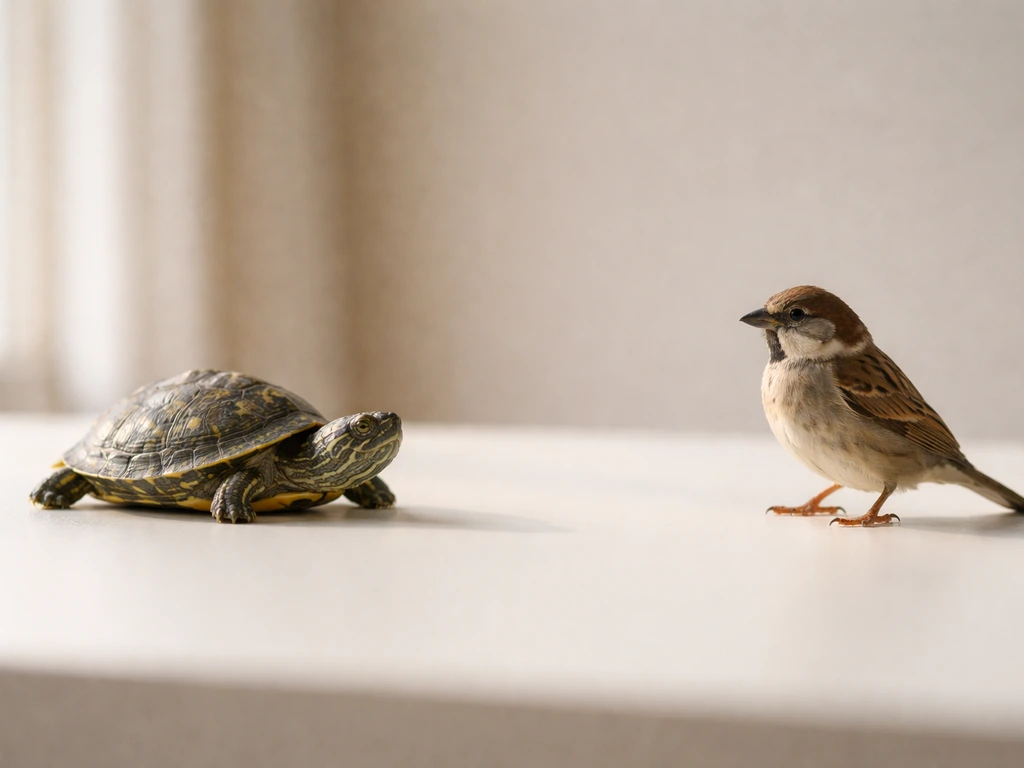
The term 'bird dog' gets used loosely, so it helps to pin down what the job really looks like before judging how a beagle fits. In hunting contexts, bird dogs work on true birds (class Aves, the feathered, warm-blooded animals that lay hard-shelled eggs). Because hunting “birds” refers to actual gamebirds, a dog is not a bird even when it is used for bird hunting a dog is a bird. That is worth saying plainly because this site often fields questions that blur the line between birds and other animals. When hunters say 'bird dog,' they mean dogs working on gamebirds like pheasants, quail, grouse, woodcock, and ducks. These are unambiguous birds: feathered, beaked, hollow-boned vertebrates fully within class Aves. Not bats, not reptiles, not anything borderline.
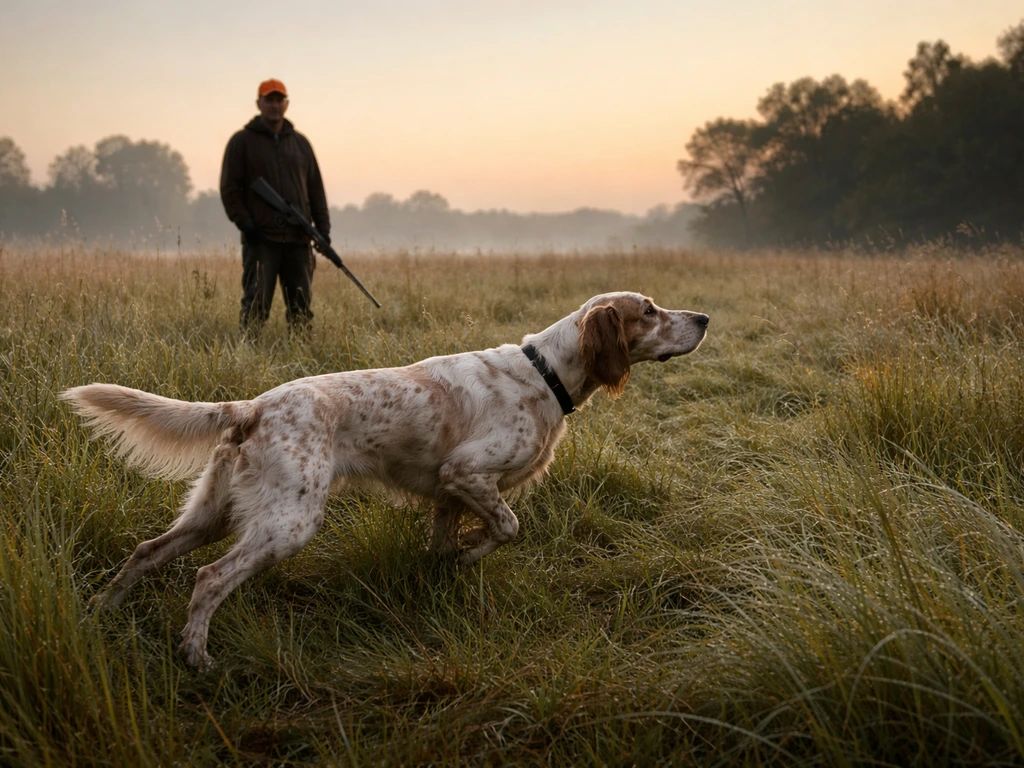
The behavioral checklist a true bird dog needs to pass is demanding. Organizations like NAVHDA (North American Versatile Hunting Dog Association) and the AKC both define it in their testing standards. At the top level, a finished bird dog must find game through independent searching, point or indicate the bird's location, hold steady while the handler walks in, not break at the flush or the shot, and then retrieve the downed bird directly to hand when sent. The AKC's Master Hunter level explicitly requires positive steadiness before the retrieve. NAVHDA's Utility Test scores 'Steadiness on Game' and 'Retrieve of Shot Bird' as separate components. Those are the benchmarks. Every part of that sequence requires the dog to cooperate with the hunter in a structured, handler-directed way. Pointing dogs are typically used for finding game by pointing or indicating the bird’s location, which reflects the handler-directed cooperation true bird-dog work depends on blank" rel="noopener noreferrer">pointing or indicate the bird's location.
The beagle's background and what drives it
Beagles trace their roots to English rabbit hunting, a pursuit called beagling. Their job was to follow a hare's scent trail on foot, staying on the line for long periods and baying so that hunters following on foot (or horseback) could track the pack's progress. Everything about the beagle's body and brain is tuned for that specific work. The long, droopy ears actually help channel scent particles toward the nose. The voice is loud and carries. The drive to follow a scent trail is close to irresistible, which is precisely the problem Britannica flags: beagles tend to follow a scent and may not return when called off-leash. That single trait creates the core tension between beagles and bird-dog work.
A working beagle moves methodically, baying to report how fresh and strong the scent is. That communication system was designed for a handler who is watching the hound work a circle, not one who needs the dog to stop on a dime, hold a point, and wait for a shot. The beagle's genetic selection pressure has always been toward independent persistence on a trail, not the handler-directed cooperation that bird-dog work demands.
Can a beagle hunt birds? Realistic expectations
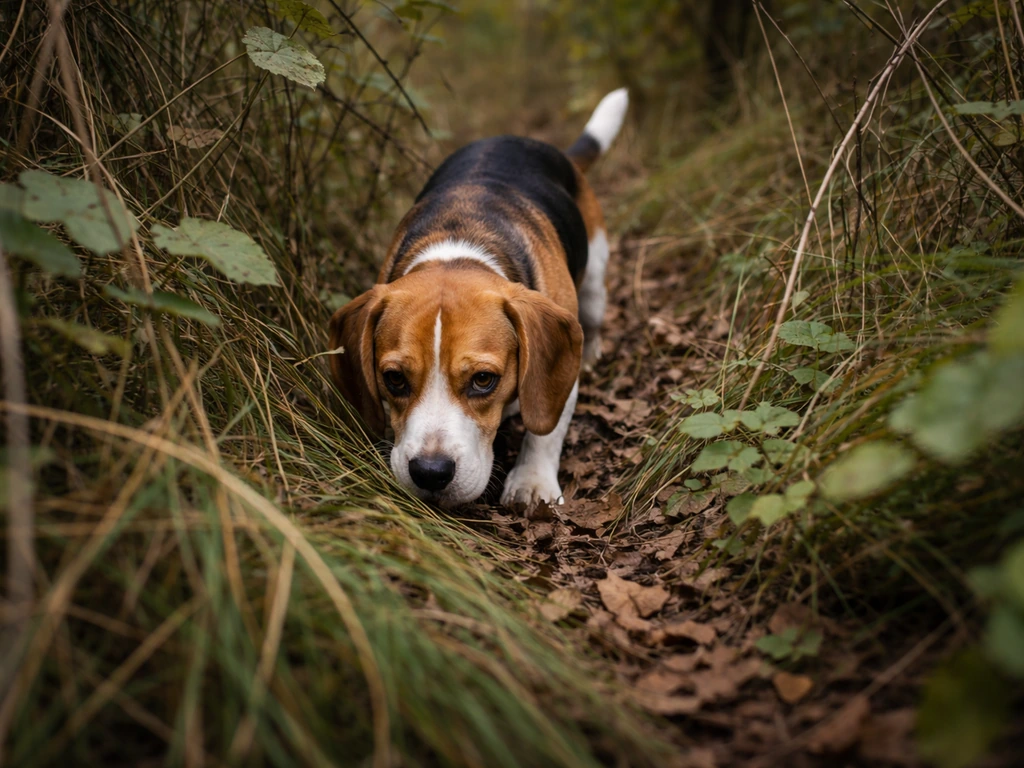
Yes, with clear limits. A beagle will absolutely pick up bird scent. In dense pheasant cover, a beagle can root out birds and flush them, which is genuinely useful. Some beagle owners report moderate success at exactly that flushing role, particularly on pheasants where aggressive cover-busting is more valuable than a clean point. Forum accounts describe beagles (and beagle mixes) making serviceable field companions for casual upland work after structured training. But those same accounts consistently note that the results required real management and training effort rather than natural bird-dog instinct.
Where beagles predictably struggle is with the control-intensive parts of the job. Steady to wing and shot is a high bar for any dog, and it is an especially high bar for a breed whose default response to scent stimulation is to lock on and go. Retrieving to hand is trainable in many beagles, but it is not instinctive the way it is in a Labrador or a German Shorthaired Pointer. Recall in high-scent field conditions is genuinely difficult, and that is not an opinion: Zoom Room's beagle training resources explicitly frame recall as one of the hardest skills to develop in the breed because the nose overpowers the 'come' cue. If recall is unreliable, the rest of the bird-dog sequence falls apart.
Training a beagle for bird work: a step-by-step path
If you want to develop your beagle for bird hunting, the place to start is not birds. It is control. Without a reliable recall and a solid 'sit-stay' under distraction, introducing birds just reinforces the chase-and-go instinct. Build the foundation first, then layer in bird exposure.
- Lock in recall first. Work recall in low-distraction settings and gradually increase distraction over weeks. Test in a field with no game present before you ever add birds. If recall fails at this stage, do not move forward yet.
- Introduce bird scent, not birds. Use a frozen or wing-clipped bird in a cloth bag dragged across grass. Let the beagle follow the drag, find the 'bird,' and get rewarded. This associates bird scent with good outcomes without triggering a full chase sequence.
- Introduce live birds in a controlled way. A wing-clipped bird in a check cord scenario lets the dog find and flush while you maintain physical control. The goal here is enthusiasm for birds, not steadiness yet.
- Condition for gunfire separately. Following Gun Dog Magazine's guidance, never rush gunfire introduction. Start with a cap gun or .22 blank at distance during a positive bird-contact session. Gunfire should predict birds and rewards, not arrive as a surprise.
- Build steadiness after the flush. Once the dog is reliably finding birds and not panicking at the shot sound, begin holding the dog at the flush with a sit-stay or check cord before sending for the retrieve. Minnesota NAVHDA's 'Steady to Fall' framework is useful here: steadiness begins when the bird hits the ground and ends when you send the dog.
- Introduce the retrieve formally. Use a dummy first, then a cold bird, then a freshly shot bird. Reward every clean return to hand. NAVHDA's UT criteria (dog goes directly to the bird, picks it up, returns to handler) give you a clear pass/fail target to work toward.
- Field-test the full sequence. Run the dog in realistic cover and evaluate: Did it find the bird by scent? Did it flush? Did it hold (or at least pause) after the shot? Did it retrieve? This mirrors the NAVHDA Natural Ability and Utility Test framework and gives you an honest read on where the dog is.
Progress will vary a lot between individual beagles. Some are more biddable and bird-focused than others. Expect the training timeline to be longer than with a purpose-bred pointing or flushing breed, and plan to maintain control tools (check cord, e-collar later in training) longer before the dog earns off-leash freedom in the field.
Beagles vs. true bird-dog breeds
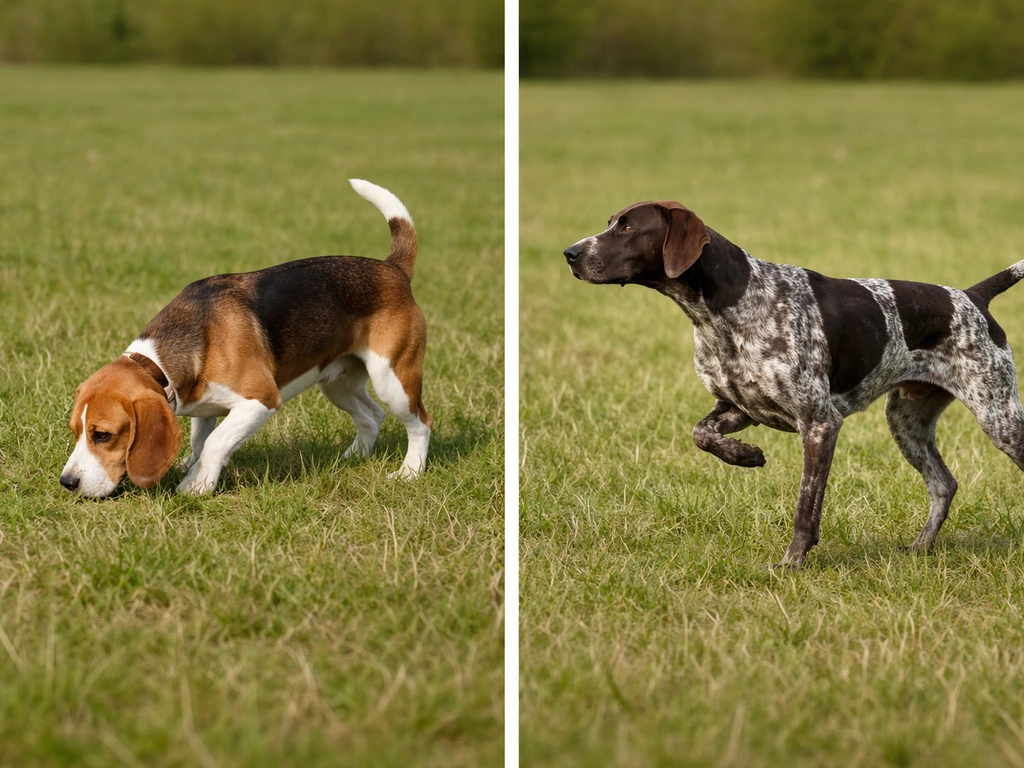
It is worth being direct about the gap. Purpose-bred bird dogs, from English Pointers and Setters to German Shorthaired Pointers, Vizslas, Spaniels, and Labrador Retrievers, were selectively bred for exactly the behaviors that bird hunting requires. NAVHDA defines 'versatile' as bred and trained to dependably hunt and point game, retrieve on land and water, and track wounded game. That is the genetic starting point those breeds bring to the field. A beagle is starting from a completely different genetic foundation, one optimized for trailing, persistence, and independence rather than cooperation, indication, and retrieve. As the proverb goes, a cat is to fur as bird is to feathers, which helps capture the general “type of thing” relationship. As with any analogy like owl is to mouse as cat is to bird, the comparison highlights how different instincts and selection histories lead to different hunting roles.
| Trait | Beagle | Pointing/Versatile Bird Dog |
|---|---|---|
| Primary instinct | Scent trailing (rabbit/hare) | Find, point, and retrieve birds |
| Natural point behavior | Rarely or never | Core genetic behavior |
| Steady to wing/shot | Requires extensive training | Bred toward steadiness |
| Retrieve to hand | Trainable but not instinctive | Core genetic behavior in many breeds |
| Recall reliability in field | Challenging; scent drive overpowers cue | Generally more handler-focused |
| Voice/bay on game | Yes, built in | Usually silent on point |
| Field search style | Methodical trail-following | Wide-ranging quartering or independent search |
| Water retrieve | Possible but not a strength | Standard for retrievers and versatile breeds |
If your goal is traditional upland bird hunting where a dog points, holds steady, and retrieves cleanly, a Pointer, Brittany, or German Shorthaired Pointer will require less remedial work and deliver more consistent results. If you want a flushing-only role in dense cover and are willing to manage a hound's independent streak, a beagle is at least a viable option for casual work.
Health and temperament: is your beagle built for this?
Beagles are sturdy, motivated, and genuinely love working outdoors, which are real assets. But several health factors matter when you are putting any dog through active hunting seasons. The National Beagle Club of America lists the most common health concerns as epilepsy, allergies, hypothyroidism, hip dysplasia, and back problems. That last one is worth taking seriously. Beagles are a chondrodystrophic breed, meaning they carry genes that predispose them to intervertebral disc disease (IVDD), a condition where spinal discs can rupture and cause pain or paralysis. Cornell's veterinary resources note that maintaining ideal body condition is one of the best ways to reduce IVDD risk, so keeping a hunting beagle lean and fit is not optional.
The droopy ears that help collect scent also trap moisture and debris, making ear infections a recurring risk in field conditions. PetMD notes that hypothyroidism in beagles often shows up alongside chronic ear issues. Check ears after every hunt and dry them thoroughly. If your beagle is hypothyroid (a breed-associated condition), energy levels and stamina may be genuinely limited, which matters in a full-day hunt. Before committing to a beagle as a hunting dog, it is worth running OFA or PennHIP hip screening and an MLS genetic test, both of which the National Beagle Club includes in their CHIC health screening protocol.
Temperament-wise, beagles are friendly, sociable, and genuinely motivated by food and prey, which makes them trainable. The challenge is the stubbornness and independence that come with the hound package. They are not naturally 'please the handler' dogs the way retrievers are. That means training requires more patience and more consistent reinforcement, especially around distractions in the field.
How to decide and where to start today
If you are sitting with a beagle right now and wondering whether to develop it for bird hunting, here is a practical evaluation you can run this week. Take the dog to a field or overgrown area and test recall under real distraction: not a quiet backyard, but somewhere with scent and movement. If you can call the dog off a trail consistently at least seven or eight times out of ten, you have a trainable foundation. If recall completely disappears the moment a nose hits the ground, you have significant remedial work to do before birds enter the picture at all.
Next, get some bird scent in front of the dog, either a drag from a frozen bird or a wing in a bag. Watch the reaction: is there genuine excitement and tracking drive, or relative indifference? A beagle that goes crazy for bird scent is a much better candidate than one that sniffs and wanders off. Drive matters, and it varies between individual dogs.
If both those checks look promising, follow the step-by-step training progression above. Start with control, layer in bird scent, add live birds under check cord, introduce gunfire separately, and build steadiness before retrieving. Use NAVHDA's Natural Ability and Utility Test criteria as honest benchmarks, not because you need to compete, but because they give you a clear standard to measure progress against. This includes understanding the broader evolutionary background of how dog hunting roles developed over time training.
If you are starting from scratch and want the most capable bird dog possible, be honest with yourself: a purpose-bred pointing or versatile breed will get you to that standard faster, with less remediation, and with more genetic support behind the training. A beagle is a wonderful dog and a real hunting dog, but its strengths live in rabbit cover, not in a pheasant field where steady pointing and a clean retrieve are the measure of a good day. That is why the old comparison holds: dog is to kennel as bird is to.
- Test recall under field conditions before introducing any birds.
- Assess bird-scent drive with a drag or frozen bird wing to gauge individual interest.
- Begin training with control fundamentals, not bird exposure.
- Use NAVHDA's Utility Test criteria (steadiness on game, retrieve of shot bird) as practical benchmarks.
- Screen for hip dysplasia and IVDD risk before putting a beagle through a full hunting season.
- Check ears and maintain lean body condition throughout the hunting season.
- If traditional pointing and clean retrieve performance is the goal, consider whether a purpose-bred bird-dog breed is a better match for your hunting style.
FAQ
Can a beagle be trained to point or “bird dog” like a pointer?
Not in the traditional sense. A beagle is best described as a scent hound, its most natural work is trailing by nose and baying rather than pointing, holding steady on birds, and retrieving on a handler-directed command. If your goal is true upland bird dog behavior, expect a longer training gap and more management than with a pointing, flushing, or retriever breed.
If my beagle flushes pheasants, does that count as bird-dog work?
Some beagles will indicate a bird location (for example, they pause or hover near cover), but reliable point and steady behavior before flush and shot is uncommon. Plan on doing extensive steadiness training using controlled bird scent and later live birds, and be prepared that many beagles will still default to chase behavior once a bird moves.
How do I know whether birds are the right next step, or whether I should stick to control training longer?
It can count only for a flushing role, not for the full bird-dog sequence. In practical terms, flushing-only success is usually limited to dense cover and situations where you can keep control around movement. If you introduce the dog to a hard “point, wait for shot, retrieve” standard too early, the chase-and-go instinct often takes over.
What training mistake makes bird exposure backfire with beagles?
Use a distraction-grade recall test. If your dog only comes reliably in low-scent or low-noise environments, delay bird exposure. The article’s “7 or 8 out of 10” off-trail recall guideline matters most because bird-rich fields create constant competing scents, and the cue competition can erase recall even in dogs that behave fine at home.
Should I hunt birds with my beagle off-leash if recall seems good at home?
Introducing birds before the dog can reliably stop and stay out of the chase. A common mistake is letting the dog reach, grab, or sprint after birds during early sessions. That turns the bird encounter into reinforcement for pursuit, and later you will have to undo the pattern before steadiness and retrieve training can stick.
Do beagles have a realistic chance at retrieving “to hand” on command?
Usually no, not at first. Even if recall works in your yard, scent conditions, other animals, and excited movement can shut down “come” in the field. Treat off-leash freedom as a reward you earn only after you can redirect the dog off active scent repeatedly under real hunting distractions.
How should I train gunfire steadiness with a beagle?
Retrieving is possible for many beagles, but “to hand” precision is not automatic. You often need to teach a consistent send, a hold while approaching, and a reliable hand-targeted deliver. Also expect longer training if your beagle is more motivated to trail than to pick up and return, especially after gunfire is added.
What health checks matter most for hunting season with a beagle?
Start gunfire separately from live birds and do it gradually with distance, low intensity, and tight control (check cord early, strong boundaries). The goal is to teach that the handler is still in charge when sound happens. If you add gunfire while the dog is already overexcited by moving birds, you raise the odds of breaking into chase right at flush or shot time.
When should I consider a different breed instead of continuing to train my beagle for bird hunting?
Body condition and spinal risk management matter a lot. Because beagles are predisposed to IVDD, staying lean and fit reduces strain during long days, jumping, and hard cover work. Also plan for ear care after every hunt since droopy ears can trap moisture and debris, and chronic ear issues can overlap with hypothyroid patterns.
Is a beagle a better fit for ducks or waterfowl than for upland birds?
If your beagle repeatedly fails the control steps (especially reliable off-scent recall and steadiness before flush and shot), switching plans can save months of frustration. If you want a dependable pointer-style experience with minimal remediation, a purpose-bred pointing, versatile, or flushing breed typically gets you there faster because the core instincts were selected for cooperation and indication.
How can I evaluate a beagle’s bird scent drive without over-hyping the dog?
Not automatically. Beagles may show interest in water from individual personality, but the bird-dog checklist still demands steadiness, controlled indication, and a dependable retrieve. For waterfowl, many hunters find retriever or versatile water-capable breeds are more aligned because retrieving and steadiness around gunfire are central to the job.
What equipment decisions reduce risk while training a beagle for bird work?
Keep the early bird-scent sessions short and structured. Let the dog engage briefly, watch whether it locks onto the scent with focused tracking versus wandering, then end before the dog escalates into frantic pursuit. Your goal is to measure drive and attention, not to condition an immediate “go get it” response before you can control recall and steadiness.
Is a Turtle a Bird? Simple Taxonomy Checklist and Facts
No, turtles are not birds. Learn the traits that define birds versus reptiles and fix common shell and egg misconception