No, a bat is not considered a bird. No, a bat is not in the bird family, because it belongs to Mammalia rather than Aves is a bat in the bird family. </a> <a data-article-id="48C40D63-0CA8-46B5-BFBE-67DA5E9B6B70">Bats are mammals, classified under the order Chiroptera, and they belong to an entirely different class of animals than birds. This is not a close call or a matter of scientific debate. Every major biological authority, from the Smithsonian to Britannica to the Encyclopedia of Life, places bats firmly in the mammal category. The confusion is understandable though, because bats fly, and in everyday thinking, flying tends to feel like a bird thing. It is not. Flight is a behavior and a physical capability, not a classification criterion.
Is a Bat Considered a Bird? Yes or No, Explained

Why this question feels so reasonable to ask
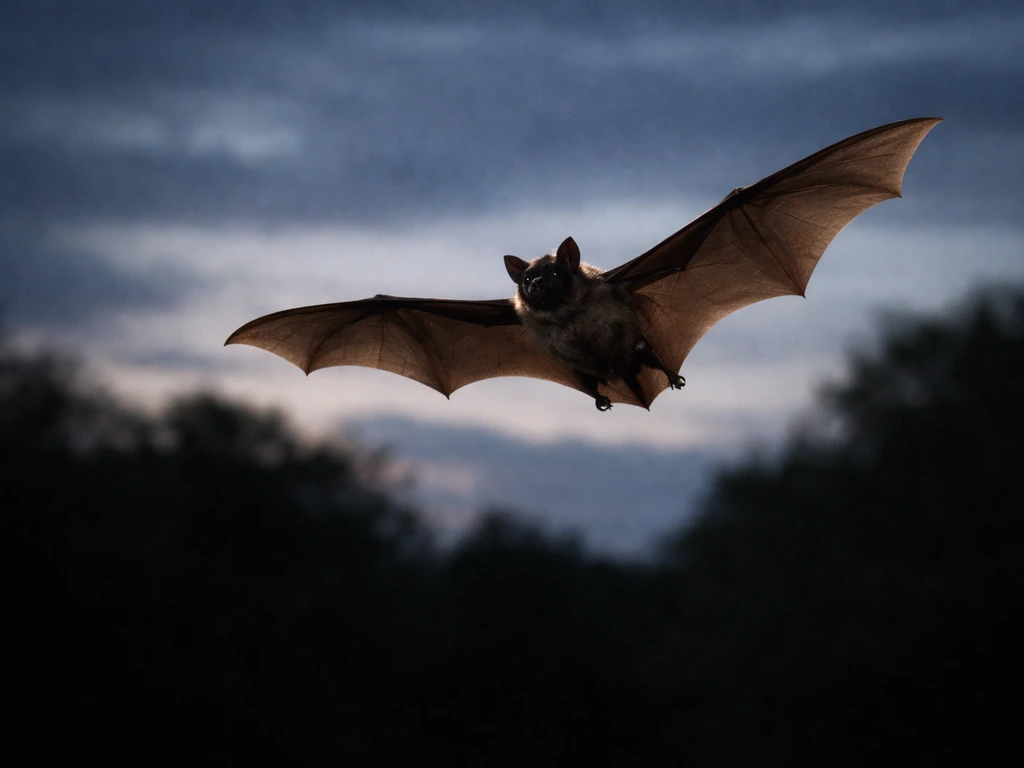
When you see a bat swooping through the air at dusk, your brain does something predictable: it groups the bat with birds because that is the main flying animal you encounter. Scientists have even noted that researchers studying bat flight sometimes treat bats like "leathery birds" as a mental shortcut when analyzing wing aerodynamics. So if the comparison shows up in scientific literature, it is no surprise that regular people make the same leap. If you are stuck on the question of whether an animal is a bat or bird, use the checklist and classification cues described earlier is it a bat or bird. The problem is that flight is a convergent trait, meaning it evolved independently in different animal lineages rather than being inherited from a shared flying ancestor. Bats and birds did not develop powered flight together. They arrived at similar solutions through completely separate evolutionary paths.
What actually makes an animal a bird
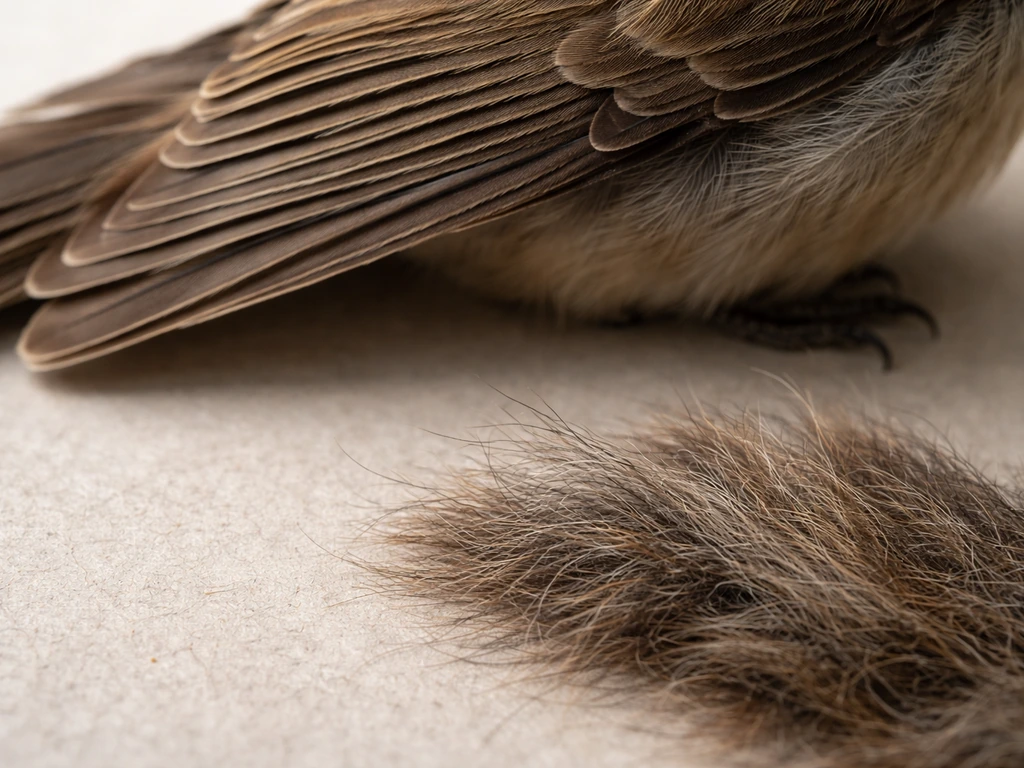
Birds belong to the class Aves. To qualify as a bird, an animal must share the defining traits of that class, and those traits are specific. Flying is not on the list, which is one reason penguins and ostriches are still birds despite being flightless. What actually defines a bird comes down to a consistent set of biological features.
- Feathers: all birds have feathers, and no other living animal group does
- Laying hard-shelled eggs: birds reproduce by laying eggs outside the body
- A beak or bill with no teeth (in modern birds)
- Hollow, lightweight bones that support flight in most species
- A prominent keel on the breastbone (sternum) that anchors powerful flight muscles in flying species
- Warm-blooded metabolism, also called endothermy
- A four-chambered heart
- Scales on the feet and legs, reflecting their reptilian ancestry
A bird needs to check these boxes, not just the flying one. Penguins are birds because they have feathers and lay eggs, not because they soar. A penguin with no wings would still be classified as a bird based on those other traits. This is the correct way to approach classification: look at the full biological profile, not one visible behavior.
Where bats actually fit in the animal kingdom
Bats belong to the class Mammalia and the order Chiroptera, which translates roughly to "hand-wing" in Greek. That name is a clue: a bat's wing is structurally a modified hand, not a feathered limb. The Smithsonian states it plainly: bats are mammals belonging to the order Chiroptera. Britannica describes them as the only group of mammals capable of powered flight. That last word matters. Powered flight, meaning active wing-flapping to stay airborne, is what distinguishes bats from gliding mammals like flying squirrels. Bats do genuinely fly. They are just not birds.
Within the mammal class, bats are one of the most species-rich orders, with over 1,400 known species. They are found on every continent except Antarctica. Chiroptera split into two broad groups: Yinpterochiroptera (which includes fruit bats and some insect-eating bats) and Yangochiroptera (mostly echolocating insect-eaters). All of them are mammals, all of them share mammalian features, and none of them are birds.
Birds vs. bats: the differences that matter most
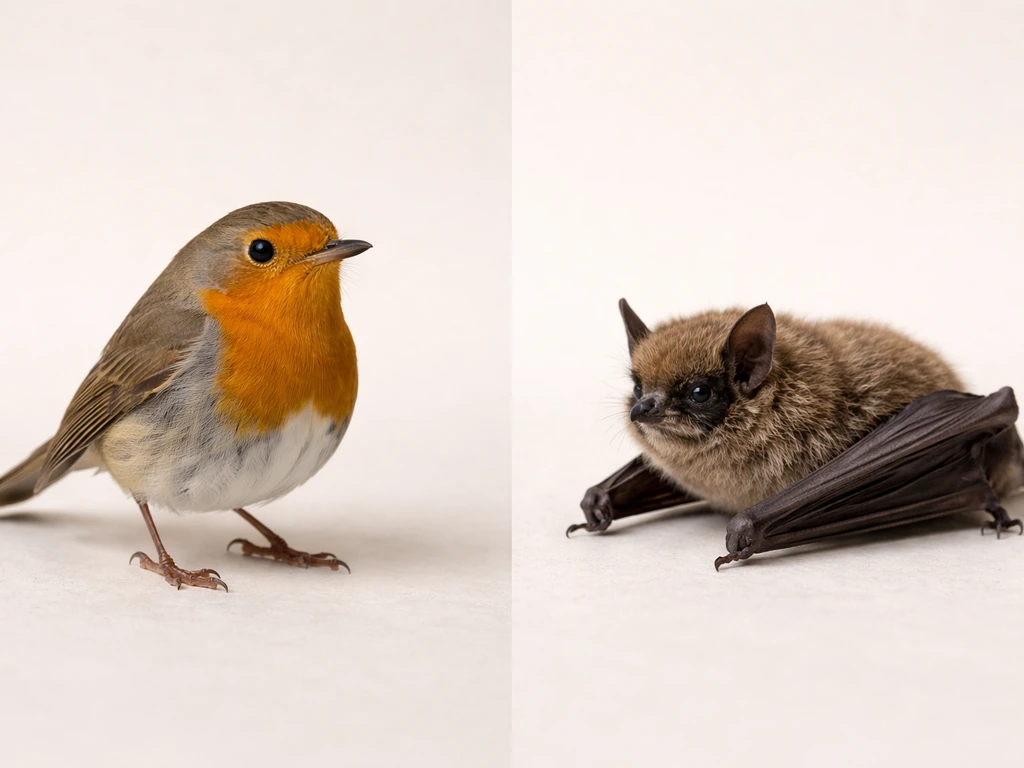
If you line up a bat and a bird and compare them trait by trait, the differences become obvious fast. The shared ability to fly is basically where the similarity ends.
| Trait | Birds | Bats |
|---|---|---|
| Body covering | Feathers | Fur or hair |
| Wing structure | Fused arm bones with feathers attached | Thin skin membrane stretched between elongated finger bones |
| Reproduction | Lay hard-shelled eggs | Give birth to live young (viviparous) |
| Feeding young | Bring food to nest; no nursing | Nurse young with milk from mammary glands |
| Skeleton | Hollow, lightweight bones; prominent keel on sternum | Denser bones; flattened ribs; no keel |
| Teeth | No teeth (modern birds) | Most bats have teeth |
| Body temperature | Warm-blooded | Warm-blooded, but many hibernate or enter torpor |
| Taxonomy | Class Aves | Class Mammalia, Order Chiroptera |
| Flight evolution | Evolved within the Aves lineage | Evolved independently within mammals |
The wing structure difference is worth pausing on. A bat's wing is made from a thin, flexible skin membrane called the patagium, which stretches between the bat's dramatically elongated finger bones and continues down to the legs or tail. The NPS describes this as a membrane supported by movable joints, giving bats remarkable in-flight maneuverability. A bird's wing works completely differently: it is built from fused arm bones and anchored feathers, with the keel-breastbone system providing the muscular foundation for flapping. These are two entirely separate engineering solutions to the same aerodynamic problem.
The reproductive difference is arguably the clearest dividing line. Birds lay eggs. Bats give birth to live young and nurse them with milk. Nursing young with milk is the defining characteristic of mammals. A bat mother feeding her pup is doing something no bird on Earth does. That single fact alone removes bats from the bird category permanently.
Common misconceptions and other flying animals people confuse with birds
The bat-as-bird confusion follows a predictable pattern: if it flies, it must be a bird. That same logic trips people up with several other animals, and it is worth clearing them all up at once.
Pterosaurs
Pterosaurs were flying reptiles that lived during the age of dinosaurs and went extinct about 66 million years ago. They were not birds, and they were not bats. They belonged to their own distinct group, Pterosauria, within the reptile lineage. Like bats, they had membrane-based wings stretched over elongated bones, and like bats, their flight evolved completely independently from birds. Pterosaurs are sometimes called "flying dinosaurs" in casual conversation, but that is also inaccurate. They were not dinosaurs either; they were a separate reptile lineage that lived alongside dinosaurs.
Flying squirrels and colugos
Flying squirrels and colugos (sometimes called flying lemurs, though they are not lemurs) glide using skin membranes but cannot achieve powered flight. They are clearly mammals and not birds, but they get pulled into the conversation because of the membrane-wing visual similarity with bats. The key distinction: gliding is passive descent using a membrane as a parachute, while flying involves generating lift through active wing movement. So if you are wondering why a bat is not a bird, the key is that flight does not decide classification why bat is not a bird. Bats genuinely fly. Flying squirrels do not.
The "brown bat" question
People sometimes wonder whether a specific species, like the little brown bat or big brown bat, might be classified differently from bats in general. It is not. All bat species, regardless of size, color, or diet, are mammals. There is no subset of bats that crosses into bird classification. A question like “is a brown bat a bird” is answered the same way: it is still a mammal, not a bird. Questions about specific bat species come up enough that it is worth being direct: every bat on the planet is a mammal.
How to verify an animal's classification yourself
You do not need a biology degree to check whether an animal is a bird or a mammal. If you are wondering are bats a type of bird, the key point is that bats belong to Mammalia, not Aves. A simple checklist works for most cases, and there are reliable sources you can go to when the checklist is not enough.
The quick classification checklist
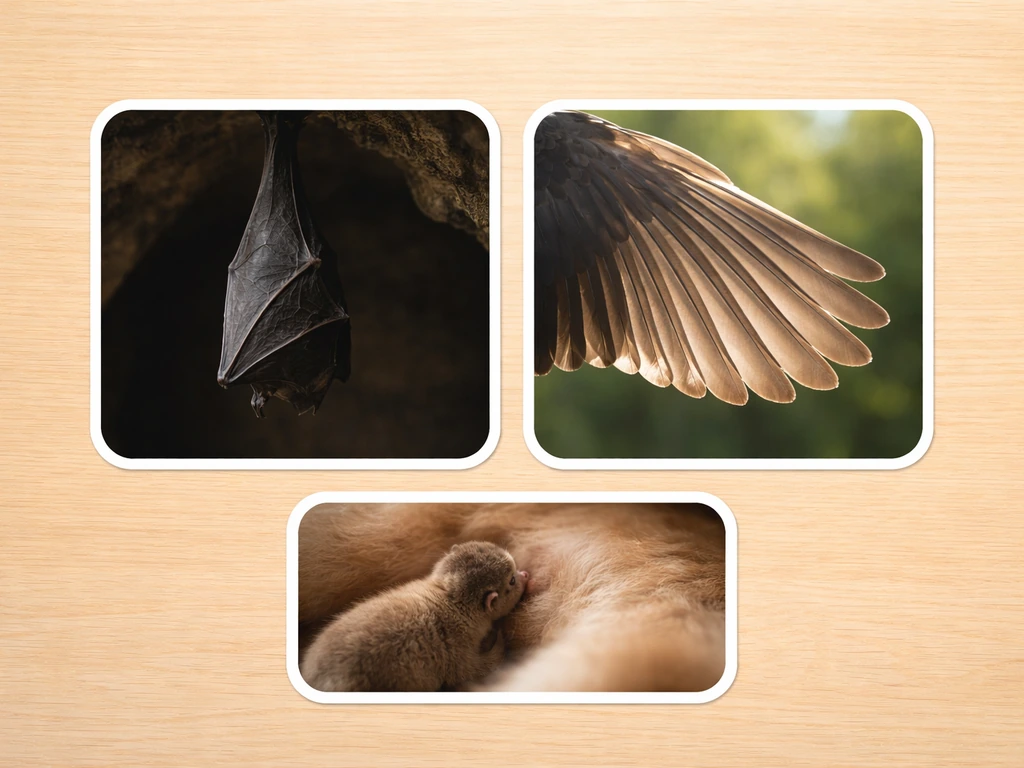
- Does it have feathers? If yes, it is almost certainly a bird. No other living animal has feathers.
- Does it nurse young with milk? If yes, it is a mammal, full stop.
- Does it lay hard-shelled eggs? Combined with feathers, that confirms bird. Without feathers, the animal could be a reptile or other egg-layer.
- What does its wing look like up close? Feathered wings point to birds; skin-membrane wings point to bats or (extinct) pterosaurs.
- Does it have fur or hair on its body? That is a mammal marker.
For bats specifically, steps 1 and 2 settle it immediately. No feathers, nurses young with milk: mammal. Done.
Reliable sources to check
- Smithsonian Institution (si.edu): plain-language animal facts with clear taxonomic labels
- Britannica (britannica.com): detailed classification sections for any species, easy to read
- Encyclopedia of Life (eol.org): species pages with full taxonomic hierarchy laid out visually
- National Geographic (nationalgeographic.com): accurate, accessible animal profiles
- iNaturalist (inaturalist.org): great for identifying species by photo and seeing their classification instantly
- ITIS (itis.gov): the Integrated Taxonomic Information System, the most authoritative North American taxonomy database
When in doubt on any animal, pull up its page on Encyclopedia of Life or Britannica and look at the classification section. It will show the full hierarchy: kingdom, phylum, class, order, family, genus, species. If the class says Mammalia, it is a mammal. If it says Aves, it is a bird. There is no gray area for bats. They land in Mammalia every time, in every database, without exception.
The takeaway here is straightforward: flight is a feature, not a family. Bats evolved powered flight independently of birds, arriving at a similar capability through a completely different biological path. That is one of the more remarkable facts in evolutionary biology, and it is also what makes the bat-bird confusion so easy to fall into. But biologically, bats and birds are about as related as you and a tuna. The ability to get airborne does not make them the same kind of animal, any more than a flying fish is a bird.
FAQ
If a bat has wings and can fly, why is it still classified as a mammal instead of a bird?
In taxonomy, “winged and flying” is a trait, not the class label. Bats fall under Mammalia because they nurse their young with milk and have mammal-specific reproductive and body features. Birds are placed in Aves because of a different set of defining traits, not because they can take to the air.
Can any bat be considered a bird depending on interpretation or regional naming?
No. Common names and local language do not change biological classification. Every bat species belongs to Mammalia (order Chiroptera), so there is no bat subgroup that qualifies as a bird.
What about bat-like animals people confuse with birds, like “flying foxes” or “fruit bats”?
Fruit bats are still bats, so they are mammals, not birds. The label “flying” or “fox” can make them sound like a different animal category, but classification stays the same because the decisive traits are mammal traits like milk nursing.
If bats can echolocate (like some birds or other animals), does that make them birds?
Echolocating is not a bird-only trait. It is a feeding or navigation ability that can evolve in different lineages. A bat’s ability to echolocate does not override the mammal class indicators like live birth and milk-based nursing.
How can I tell quickly whether a particular flying animal is gliding or truly flying?
Look for powered lift through active wingbeats and maneuvering. Gliders like flying squirrels rely on passive descent using a membrane, while bats generate lift through wing movement. This helps explain why “flying” visuals can mislead people into thinking something must be a bird.
Are there any fossils or extinct “bird-like” flying reptiles that would blur the bat-versus-bird question?
Some extinct flyers, like pterosaurs, were also not birds and not bats. They represent a separate reptile lineage. Even when wings look similar, the evolutionary lineage and defining traits determine classification, not wing shape alone.
What is the fastest classification check I can do for an animal I’m unsure about?
Check the “class” field in a reliable taxonomy source or use the core mammal versus bird cues: mammals nurse young with milk and do not lay eggs, while birds have defining bird traits like feathered bodies and egg-laying. For bats, those cues land firmly in Mammalia.
Is there any situation where a bat could be called “bird” in science writing?
Occasionally, people use “bat” and “leathery bird”-style comparisons as a communication shortcut when discussing flight mechanics, not as a taxonomic claim. In formal classification, bats remain mammals in Chiroptera, and the class label does not change.
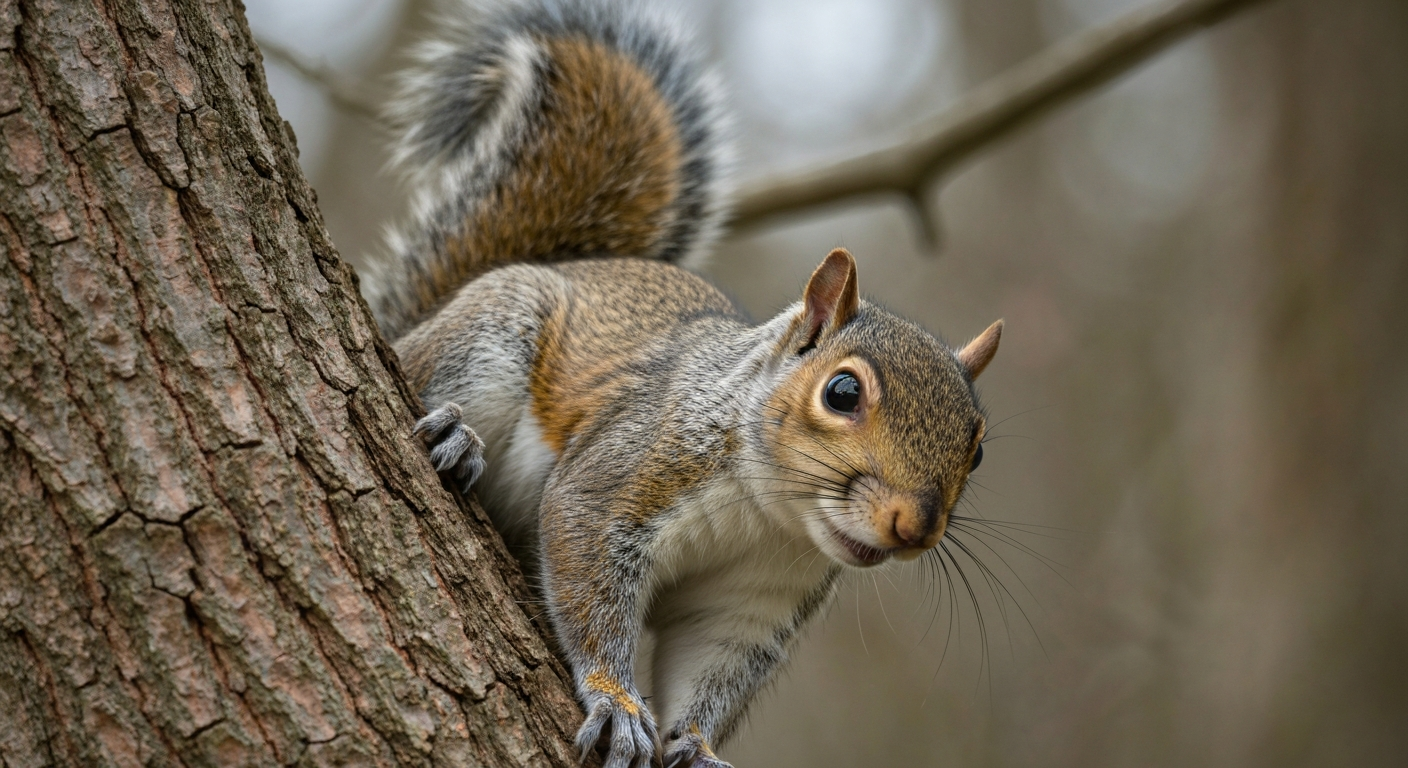
Is Squirrel Animal or Bird? Clear Answer and Classification
Squirrels are mammals, not birds, class Mammalia, order Rodentia. Quick traits, comparison table, checklist & FAQ.